
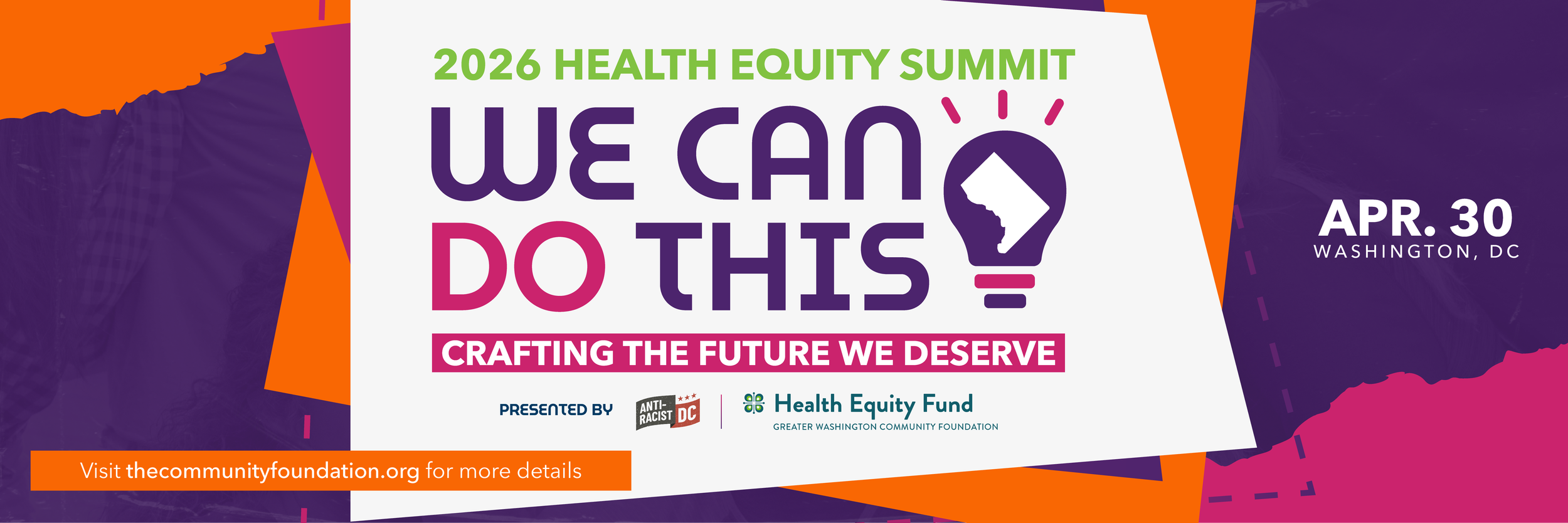
Thursday, April 30
Sycamore & Oak
1110 Oak Dr SE, Washington, DC 20032
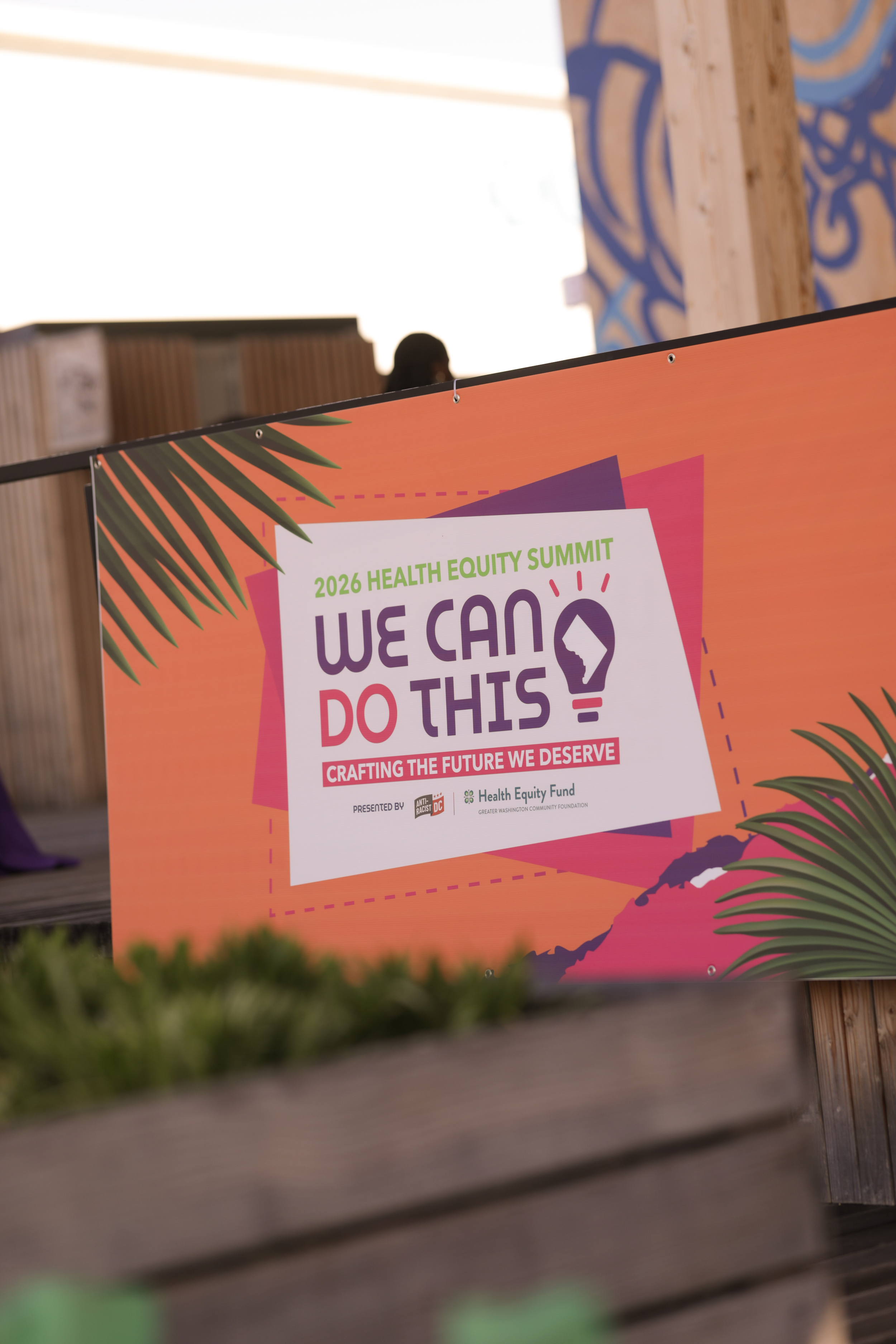
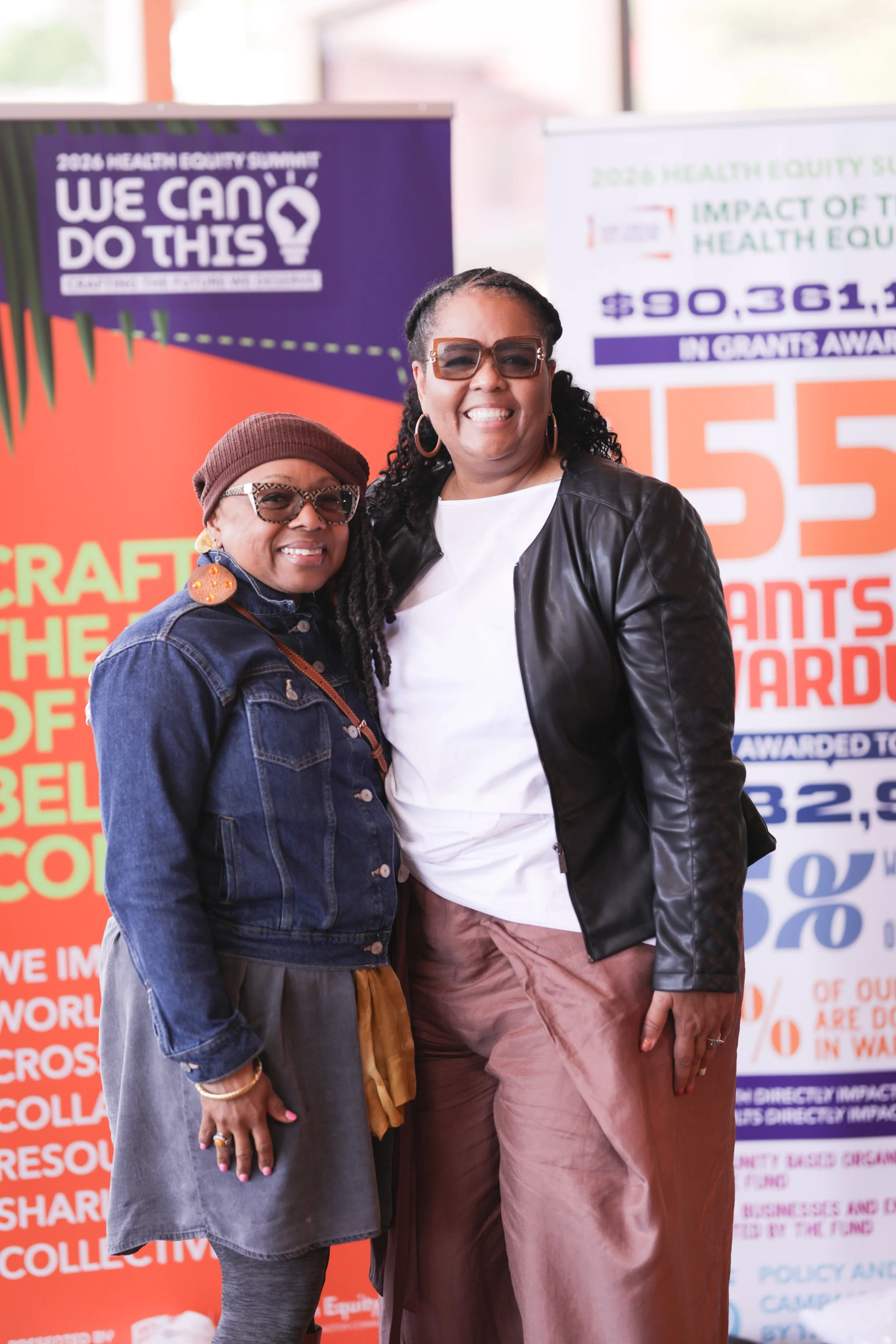

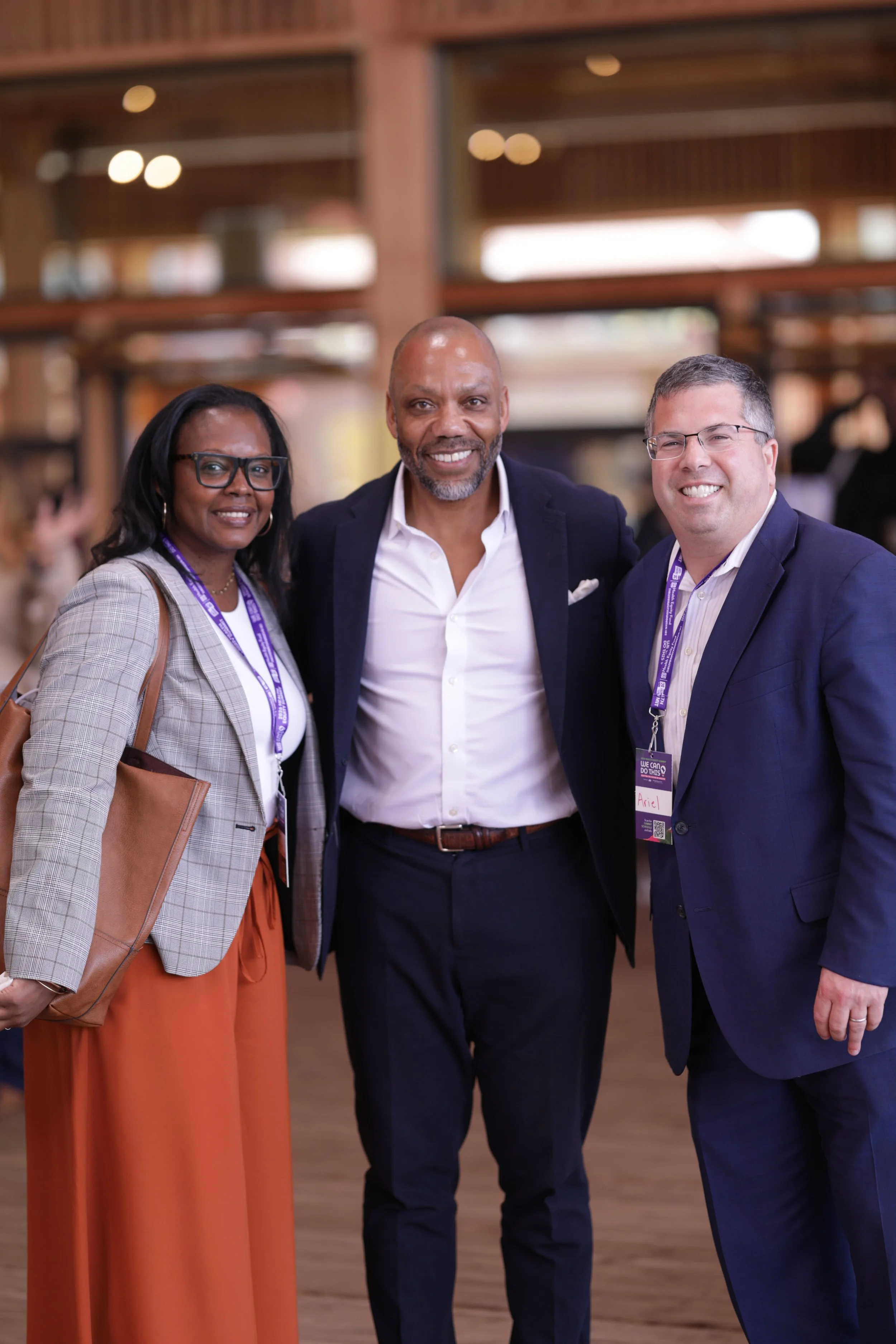
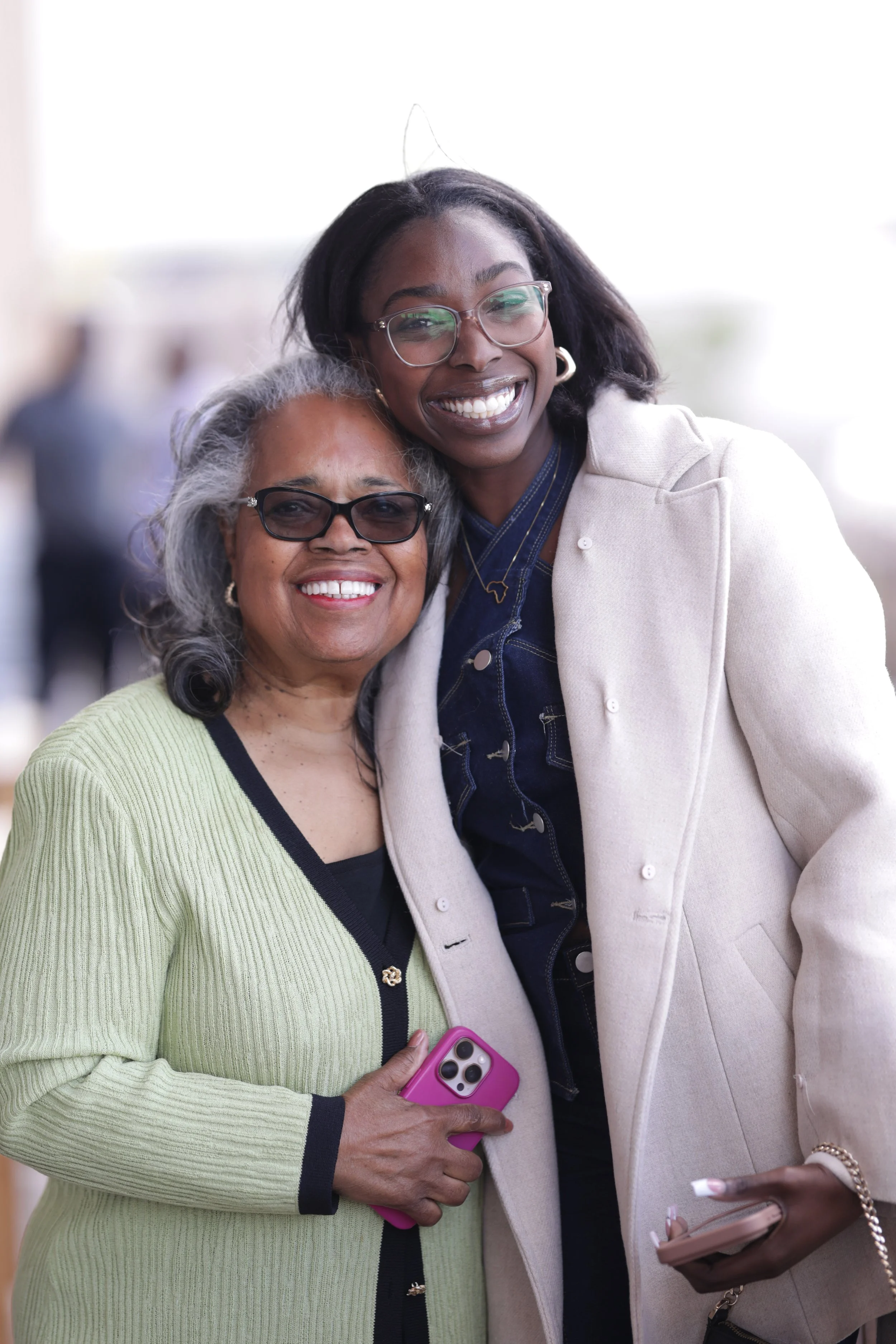

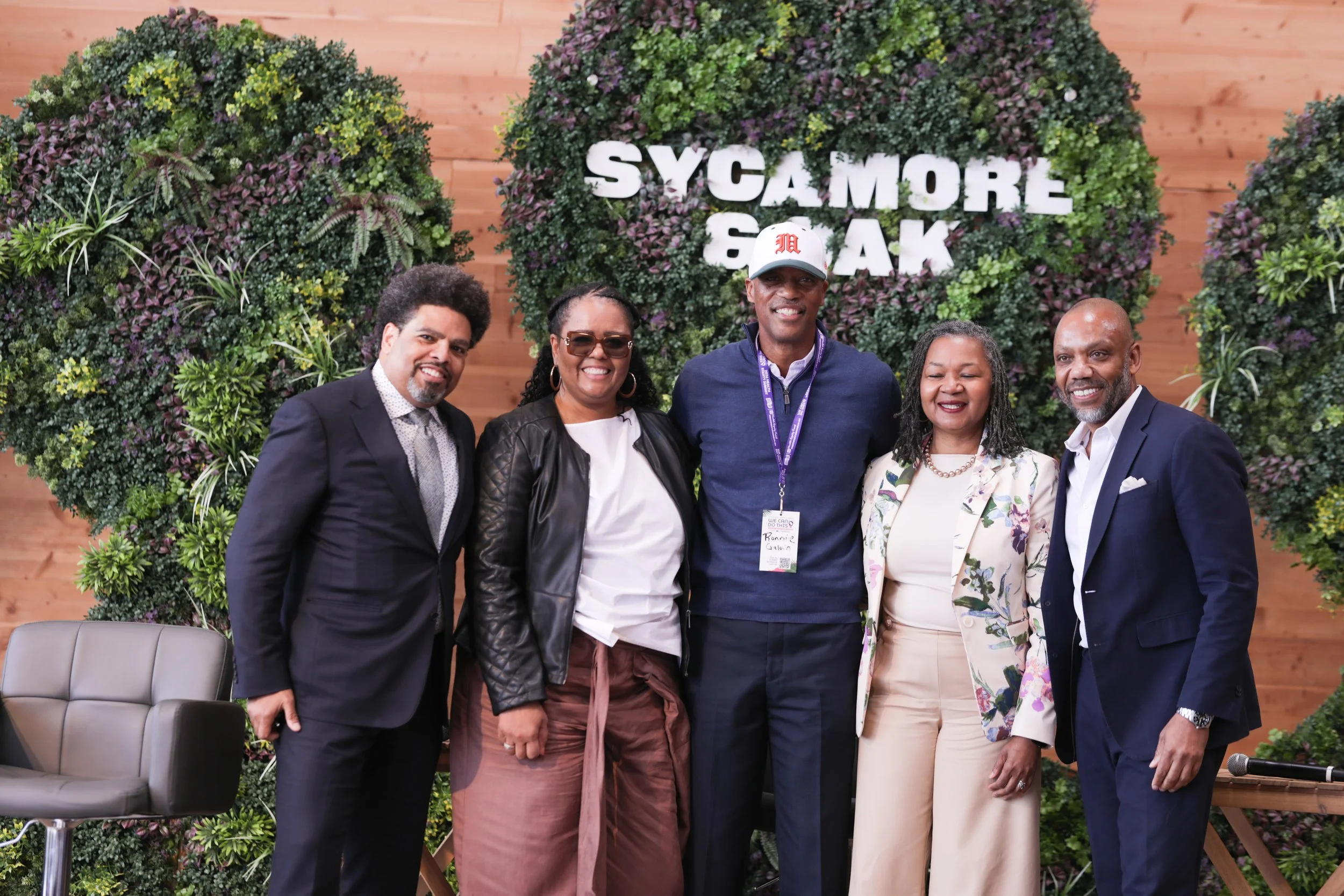
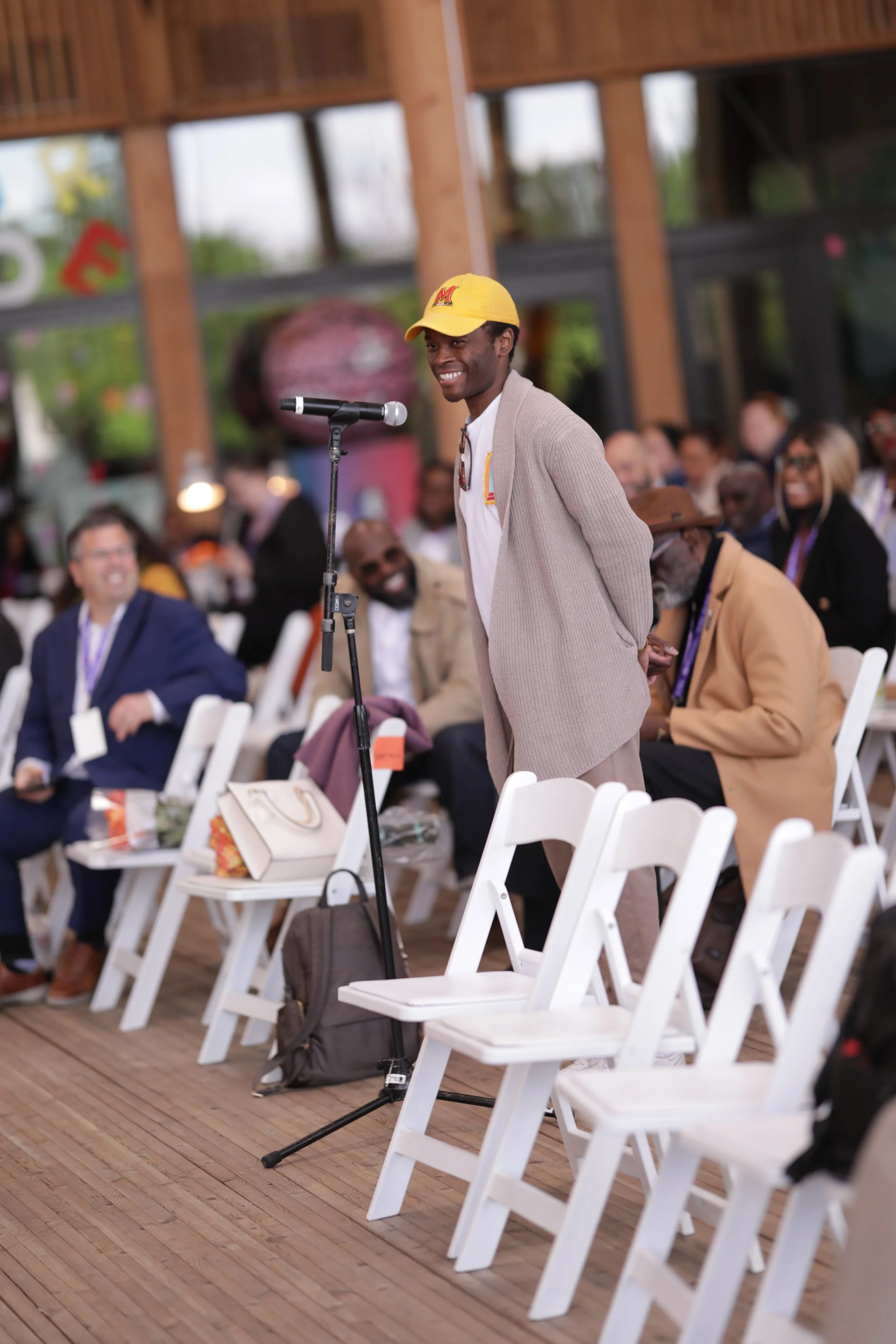
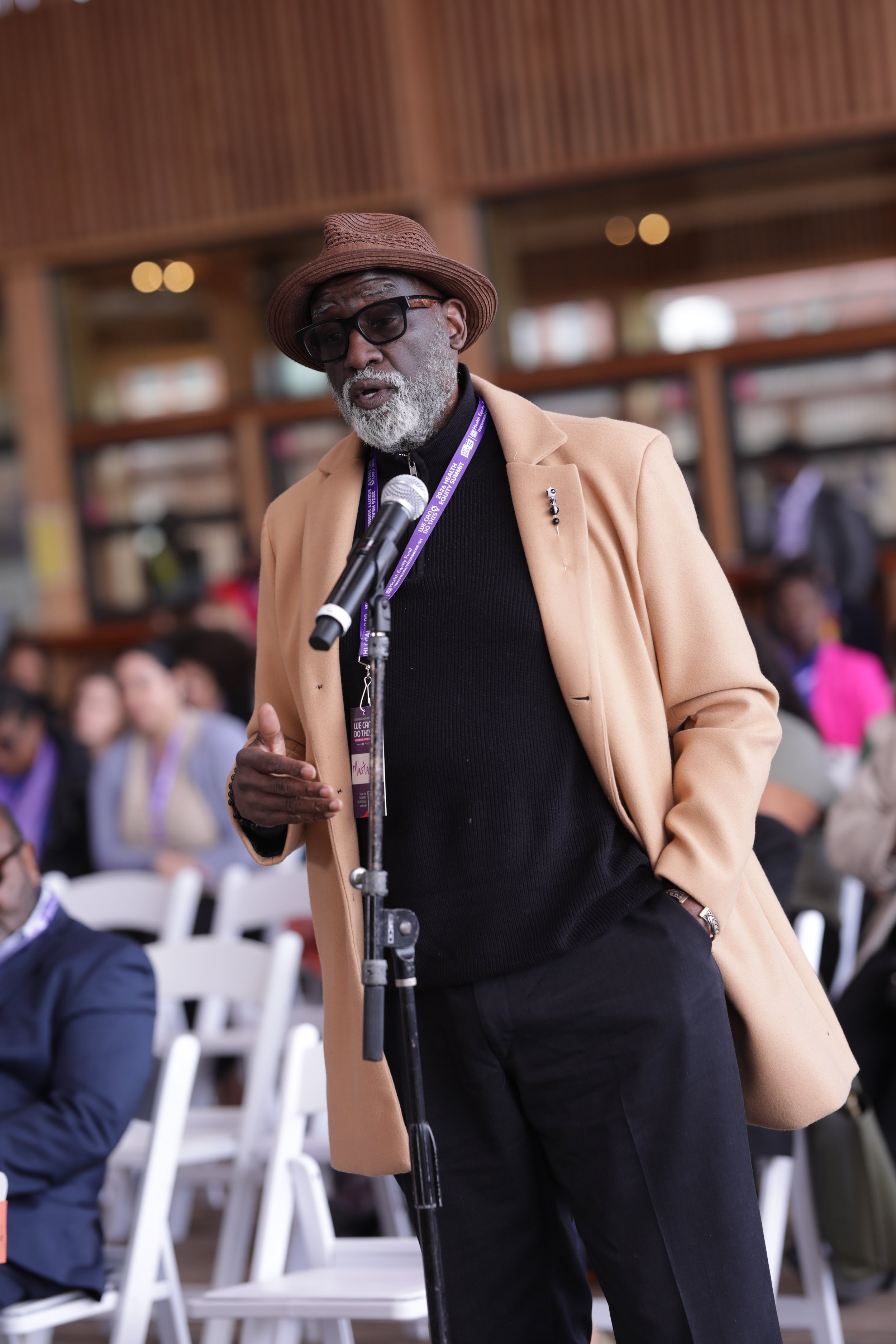
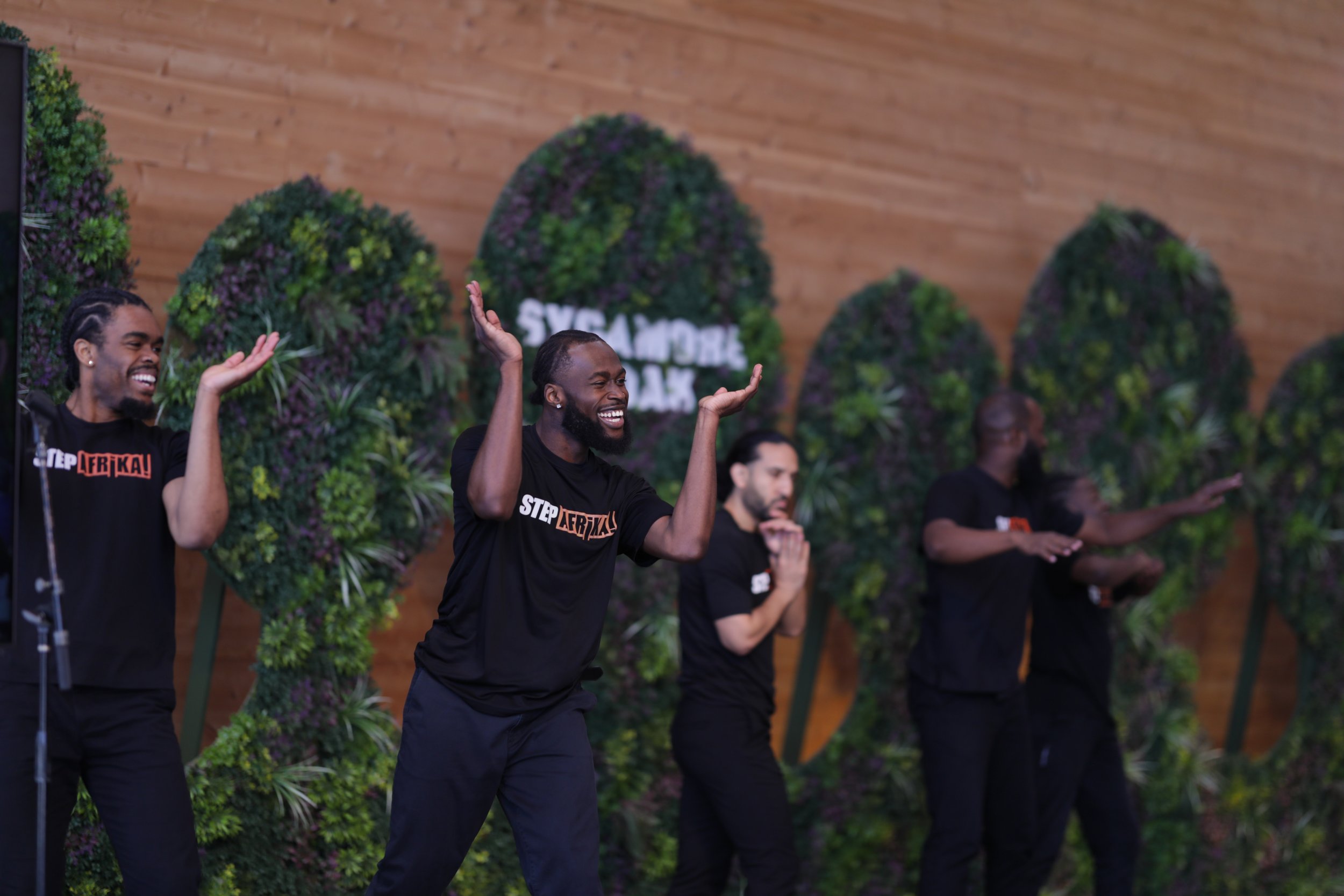

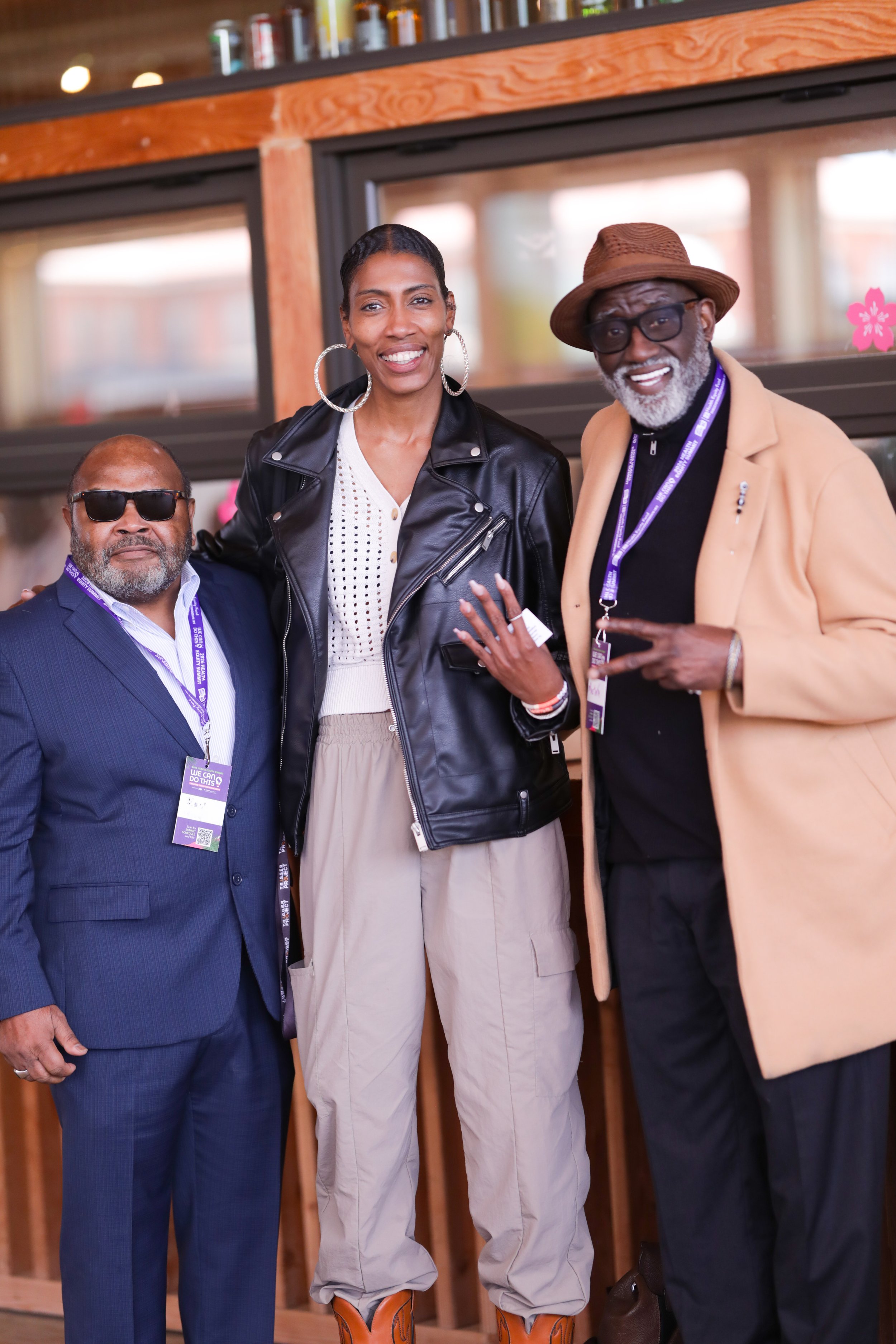
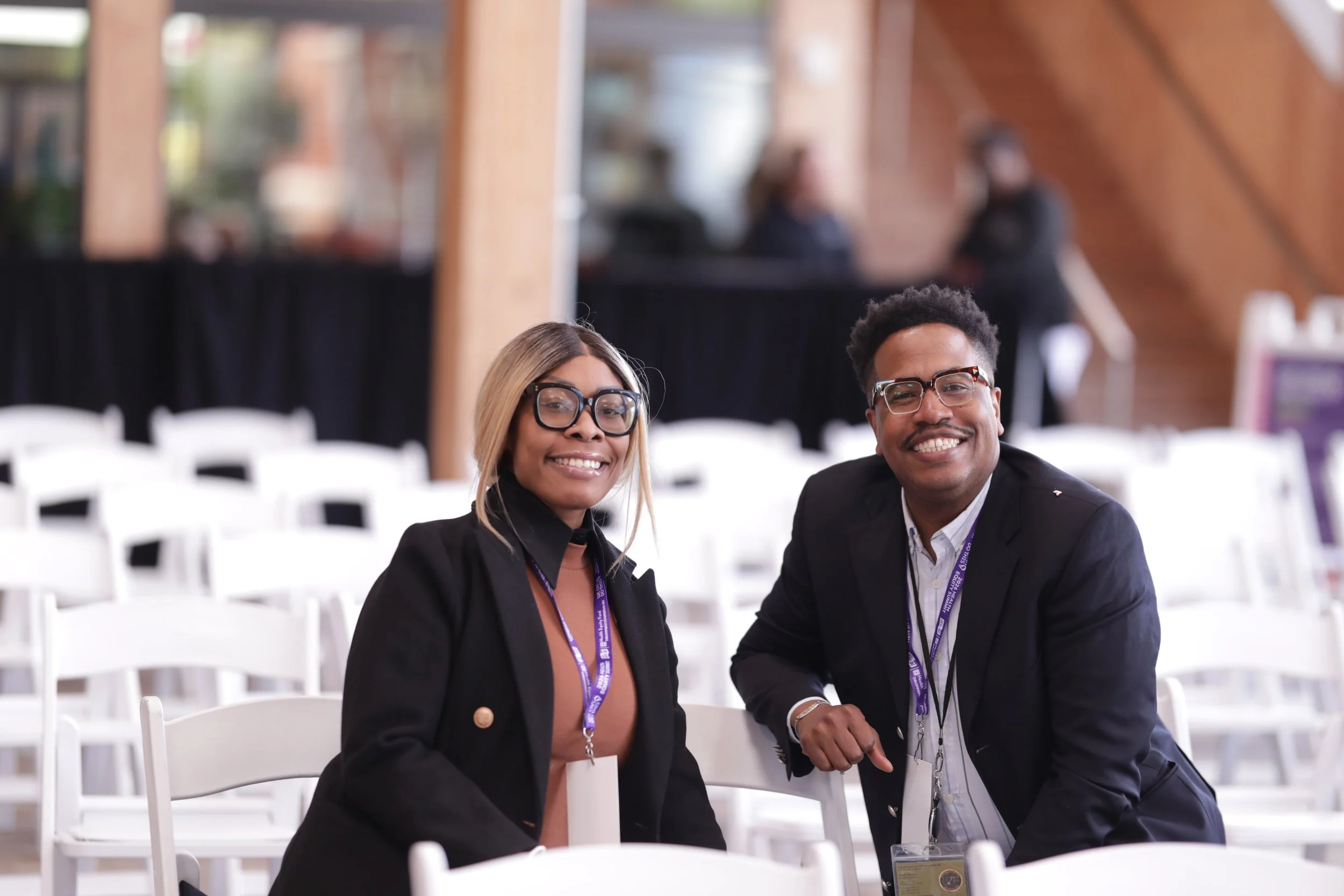


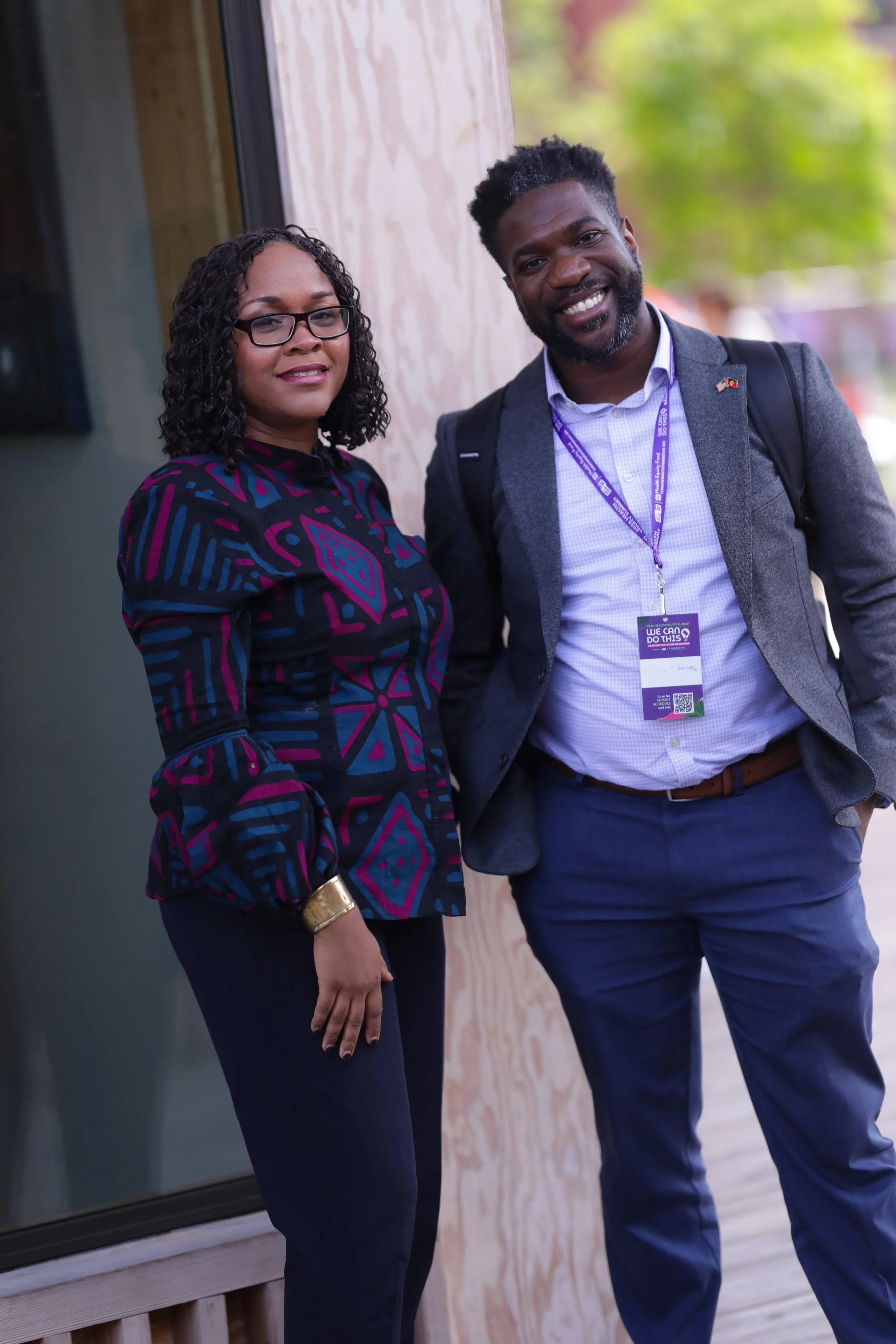

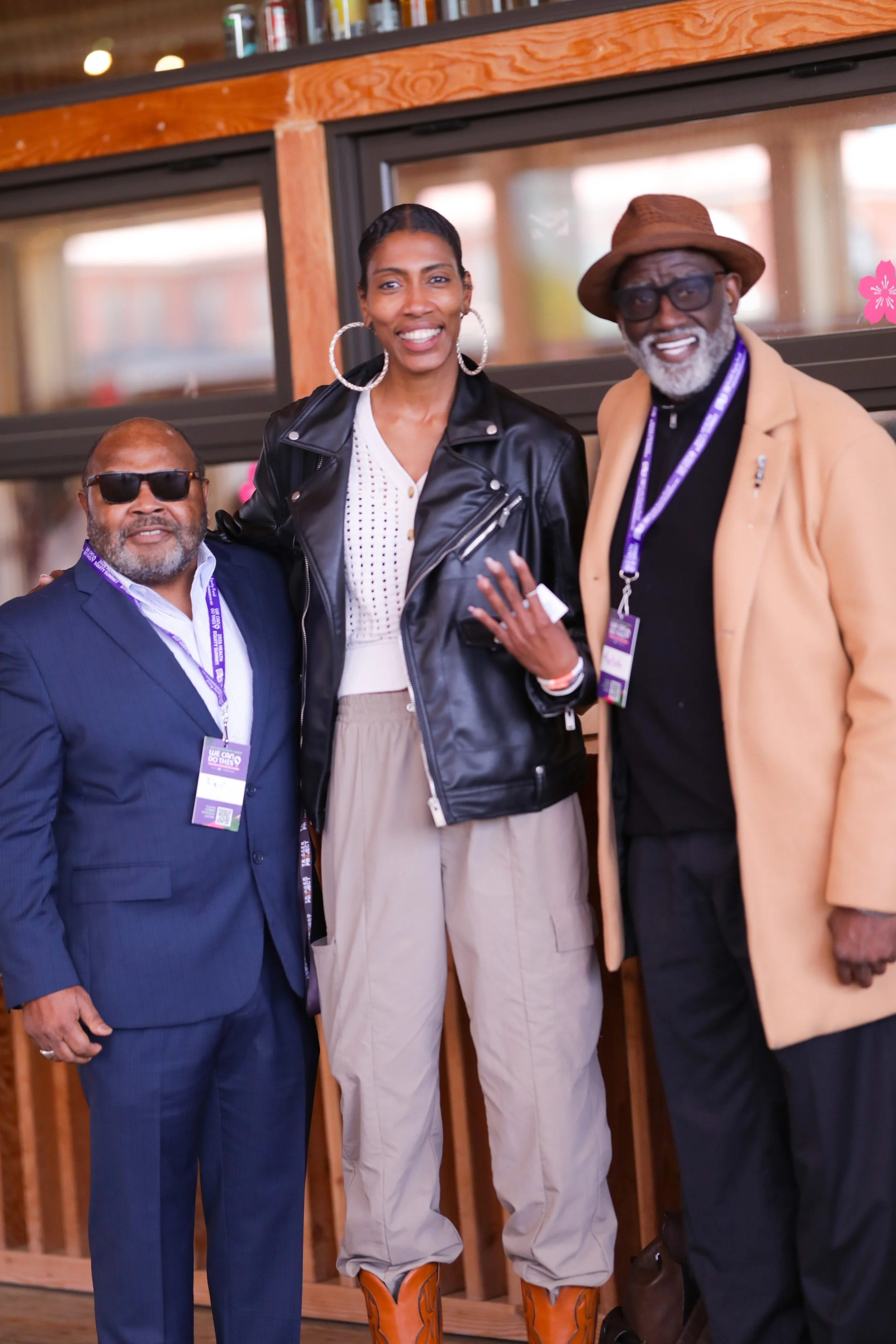
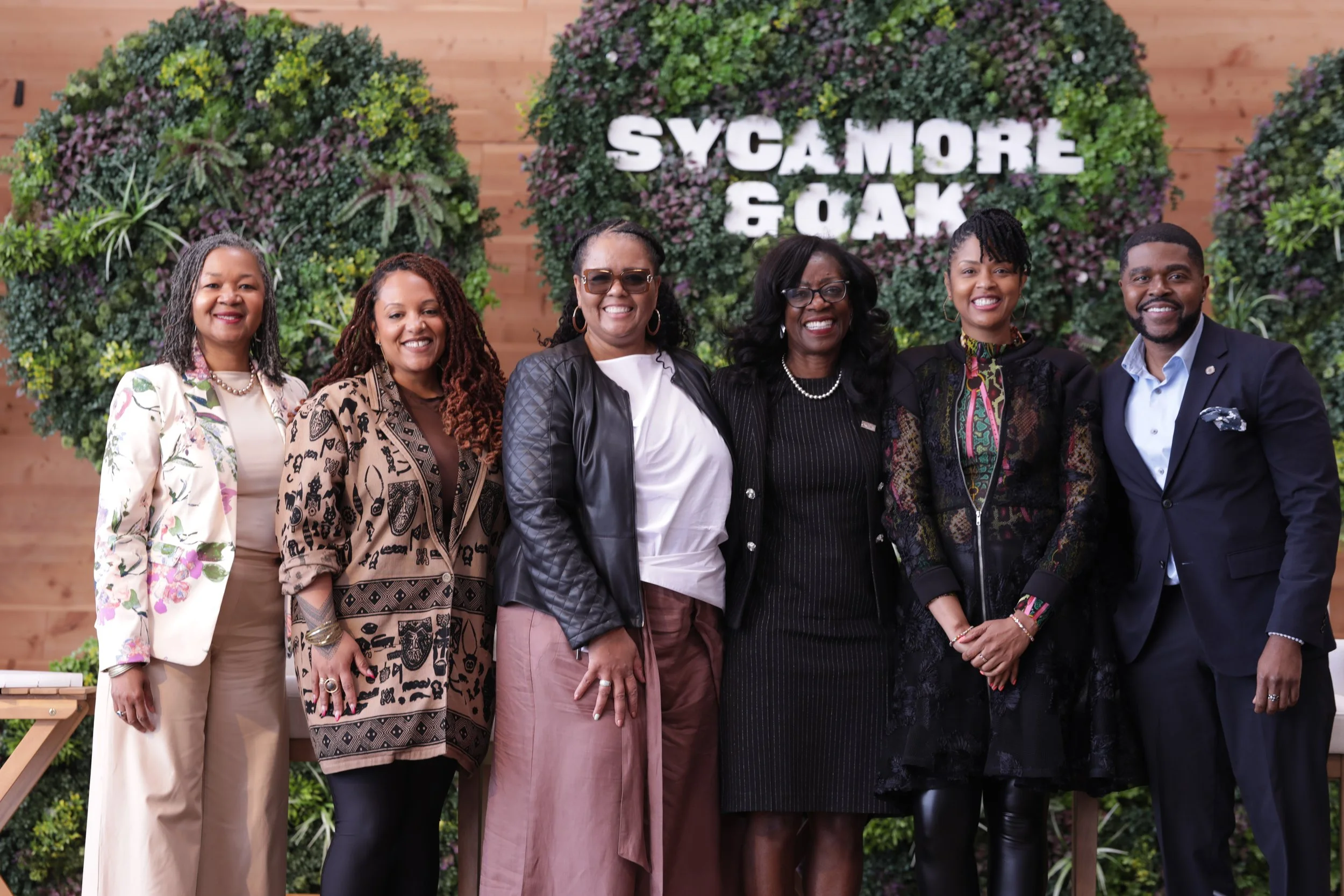
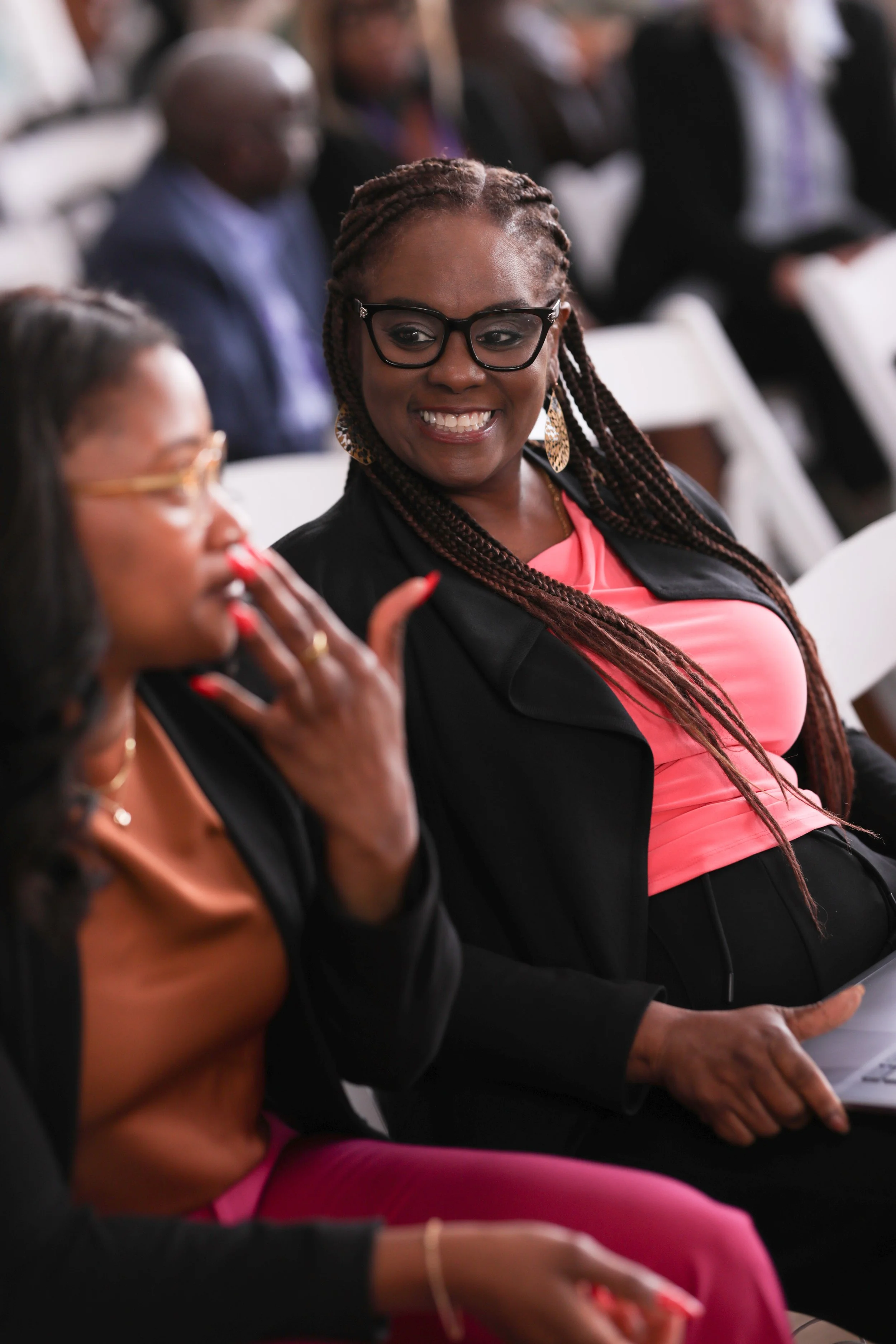
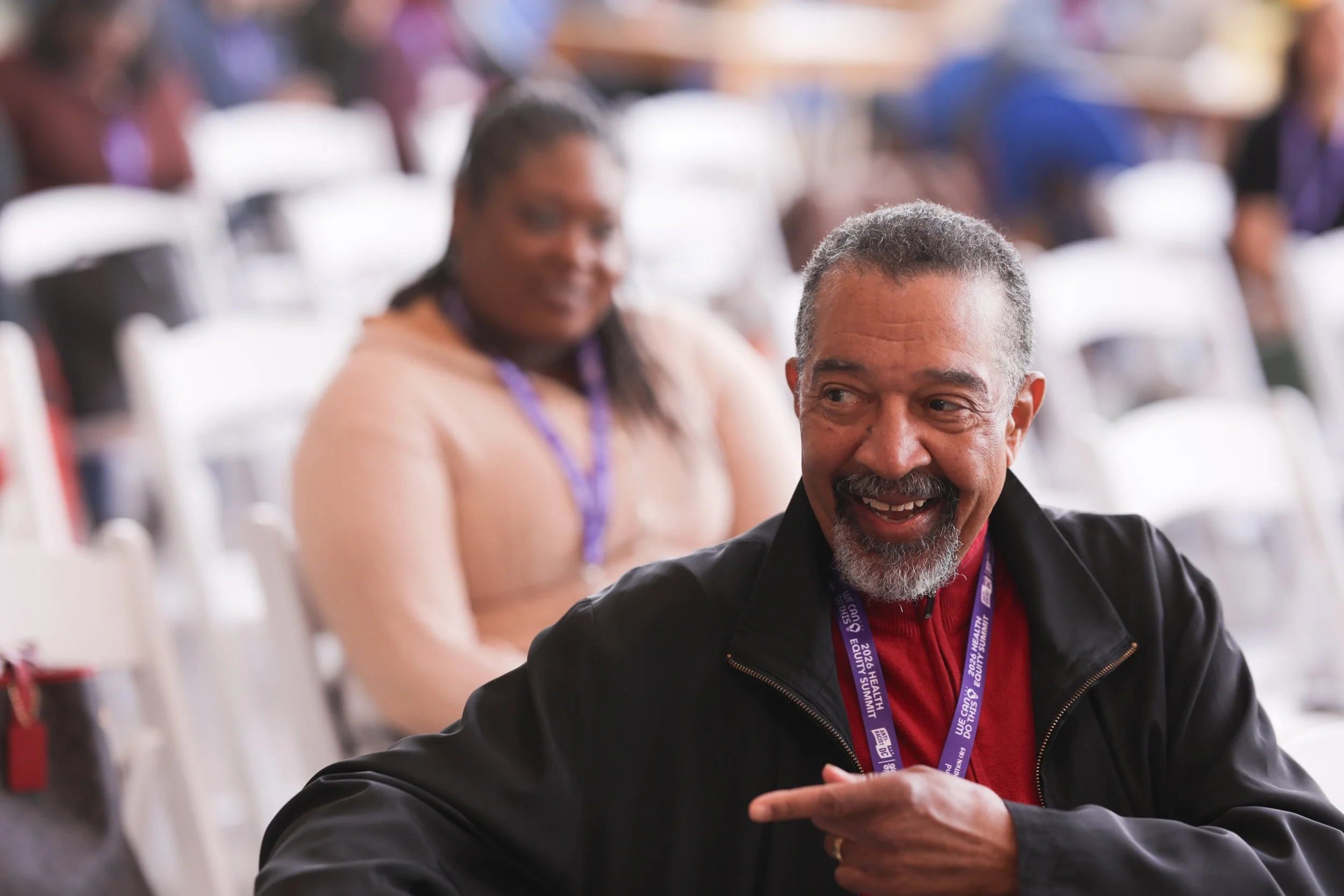

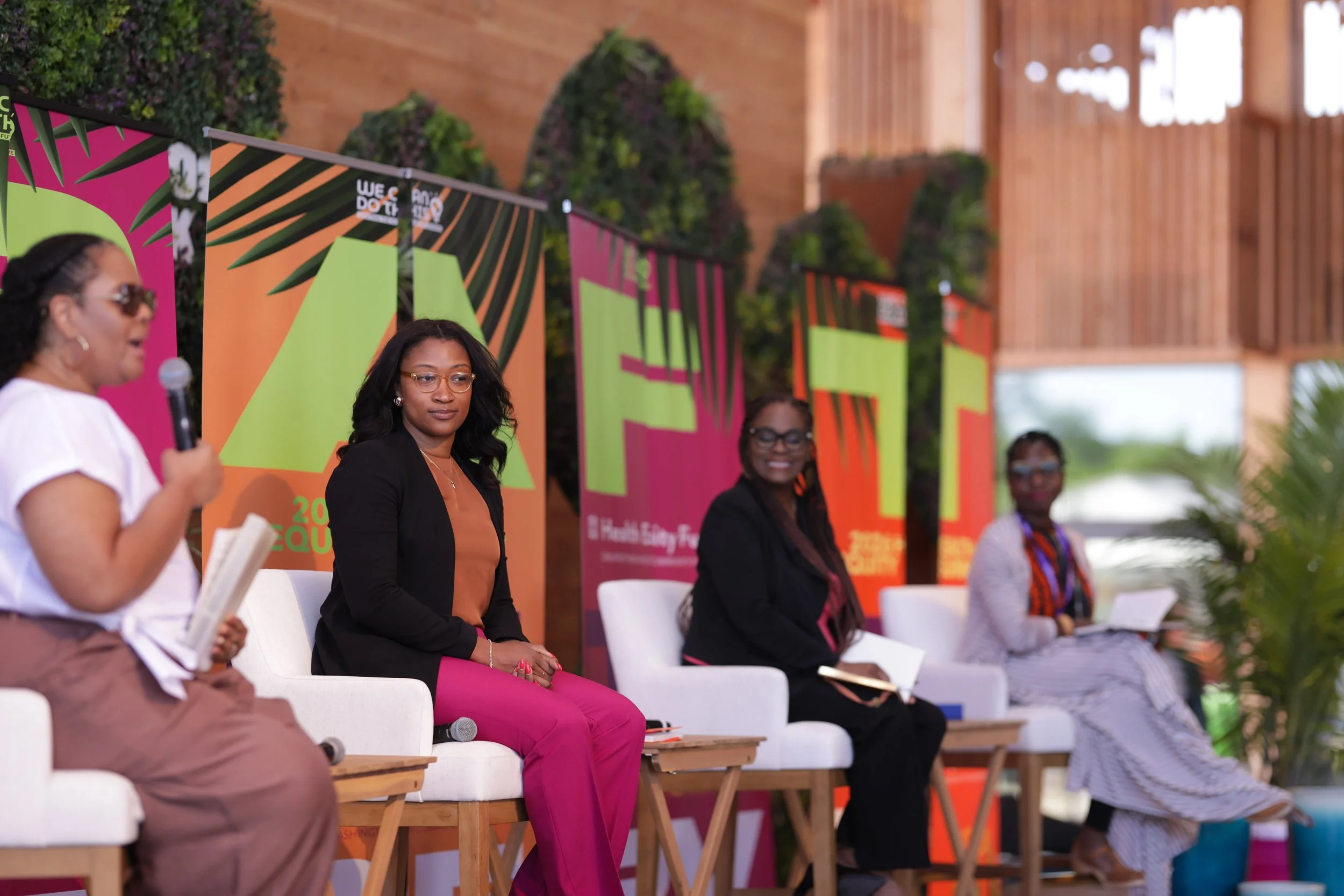
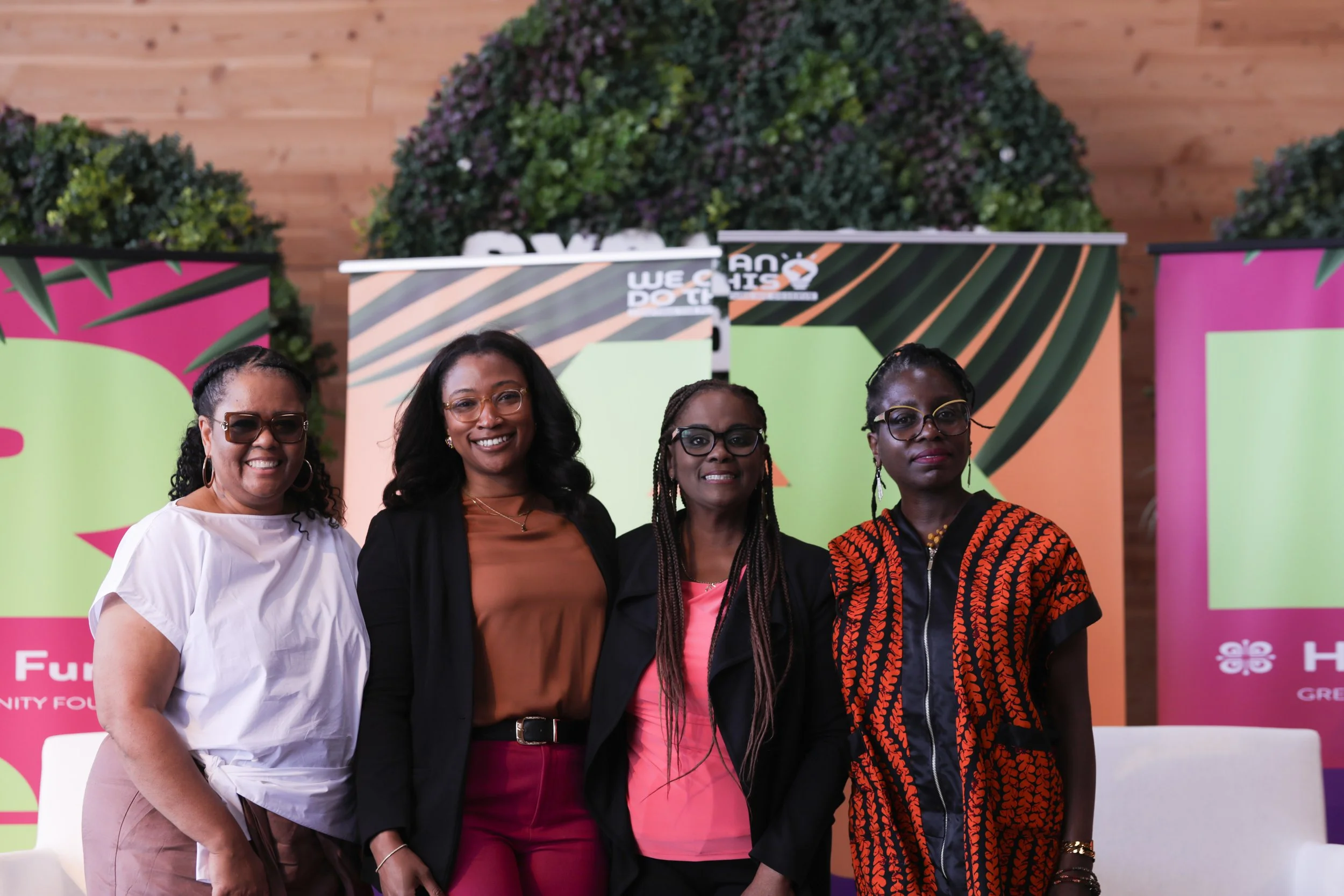




Thank you for joining the Greater Washington Community Foundation and Anti-Racist DC on Thursday, April 30 for the 2026 Health Equity & Economic Justice Summit.
This year's theme, We Can Do This: Crafting the Future We Deserve, is rooted in our desire to go beyond simply rehearsing problems and to inspire those gathered to take action that produces real change in the communities that need it most.
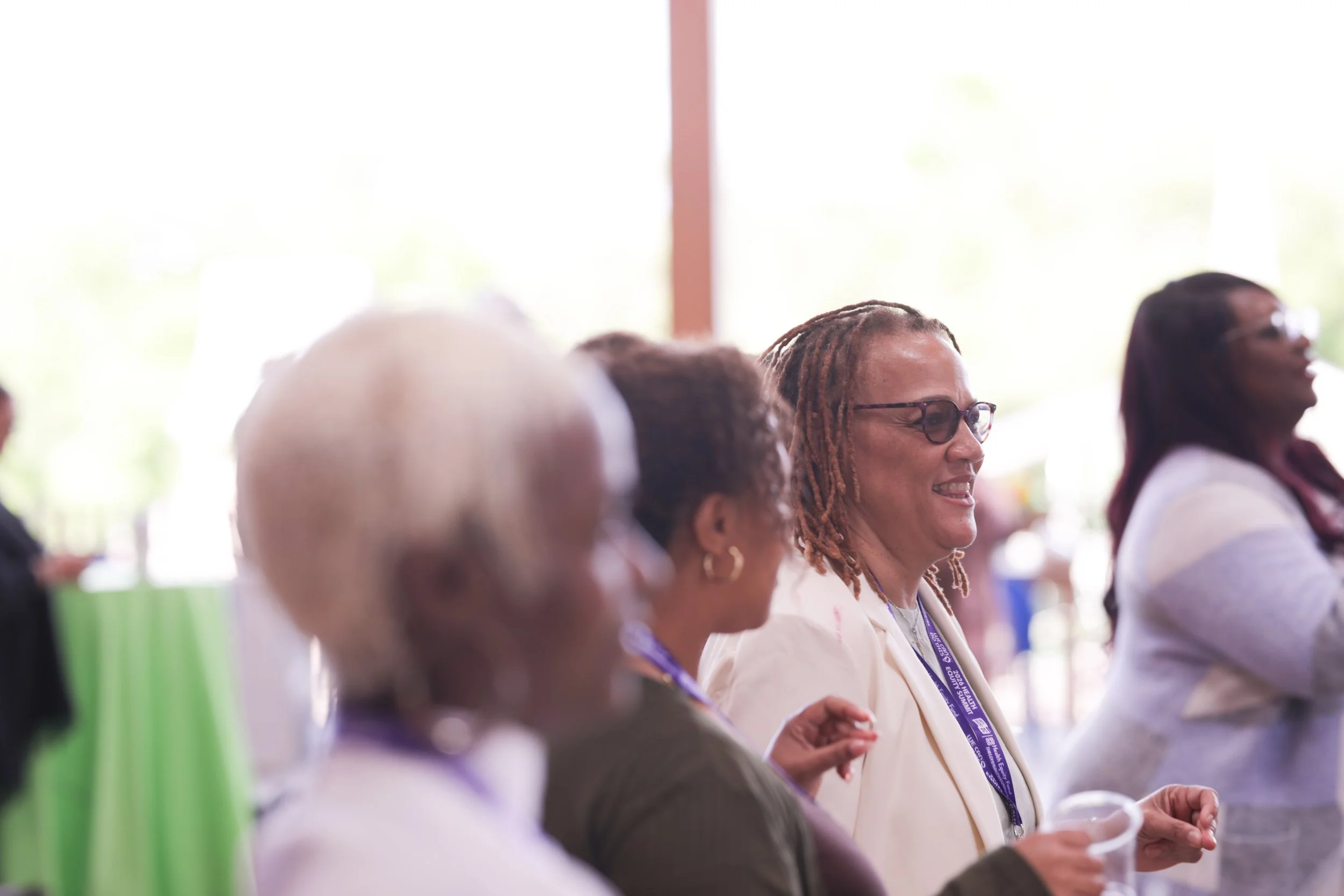
This year’s summit brought together a diverse group of thought leaders, policymakers, practitioners, activists, and advocates who share a common commitment to addressing the root causes of health and economic disparities.
Together, we engaged in robust discussions, shared innovative strategies, and forged partnerships aimed at dismantling systemic barriers and fostering inclusive economic growth that prioritizes the well-being of all District of Columbia residents and communities.
2026 Health Equity & Economic Justice Summit Vision Statement
Our time together will be guided by our vision to craft a more promising future for health equity, economic justice, and the beloved community.
-
We imagine a world where everyone can experience physical, mental, and social well-being.
Why It Matters: The U.S. spends more on healthcare than any other wealthy nation — over $13,000 per person annually, nearly double what comparable countries spend — yet Black Americans have among the shortest life expectancies of any racial group in America. These are not natural outcomes. They are the direct result of decades of discriminatory policy, disinvestment, and medical neglect. We believe that with inclusive policies, targeted investments, and intentional care, people of color will experience parity in life expectancy and quality of life with their white peers.
-
We imagine a world built on cross-sector collaboration, resource sharing, and collective action.
Why It Matters: We believe that with the ending of disinvestment in communities of color, inclusive policies, and redress and repair, everyone will experience a society based on nonviolence, justice, and love, where poverty, hunger, and hatred are replaced by inclusion and mutual care.
-
We imagine a world where everyone can thrive in an inclusive economy without exploitation.
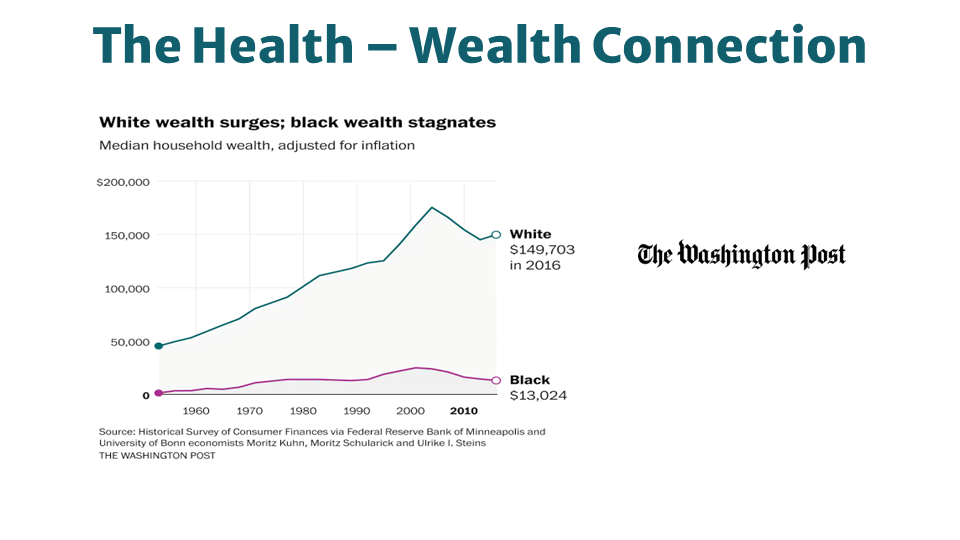
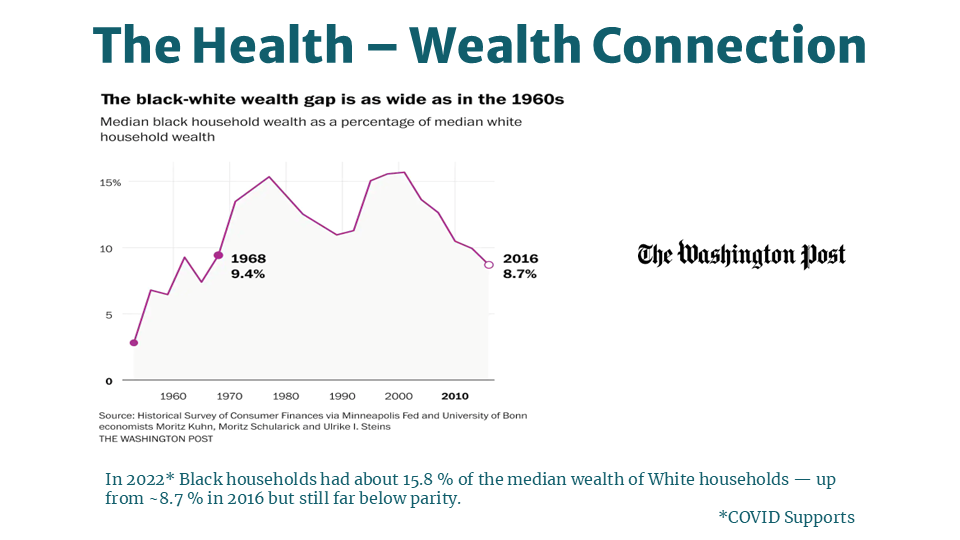
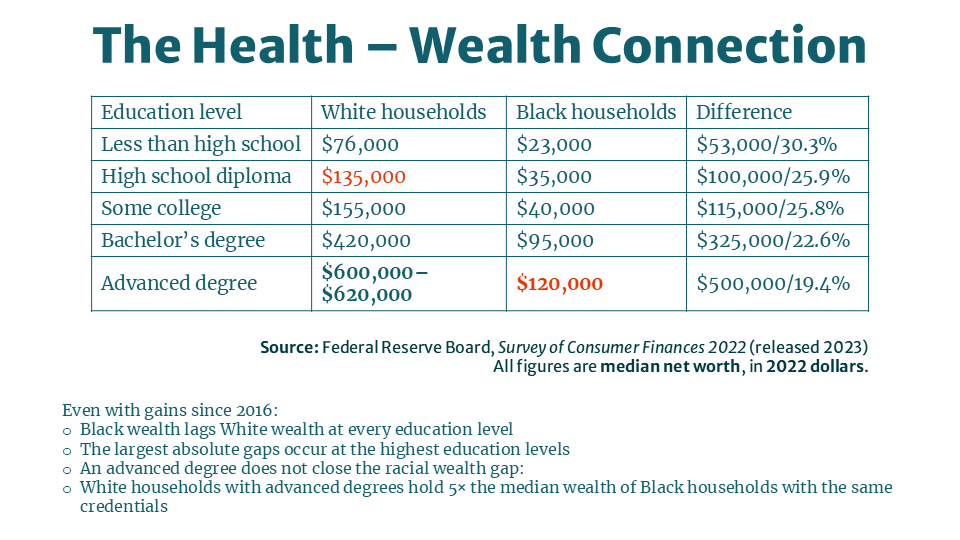
Why It Matters: In America, health outcomes mirror economic outcomes. The median white family holds eight times the wealth of the median Black family — a gap that has barely moved in 50 years. This isn't a savings problem; it's a policy problem rooted in redlining, exclusions from the social safety net — as seen in the example of the GI Bill — and ongoing discrimination in lending and homeownership. We believe that with inclusive policies, targeted investments, and the ending of predatory practices, people of color will experience parity in income and wealth with their white peers.
(Refer to Graphs Below the Drop-Down)

Watch Highlights from the 2026 Health Equity Summit!
2026 Health Equity & Economic Justice Summit
Schedule of Events
-
9 a.m. - Networking & Breakfast
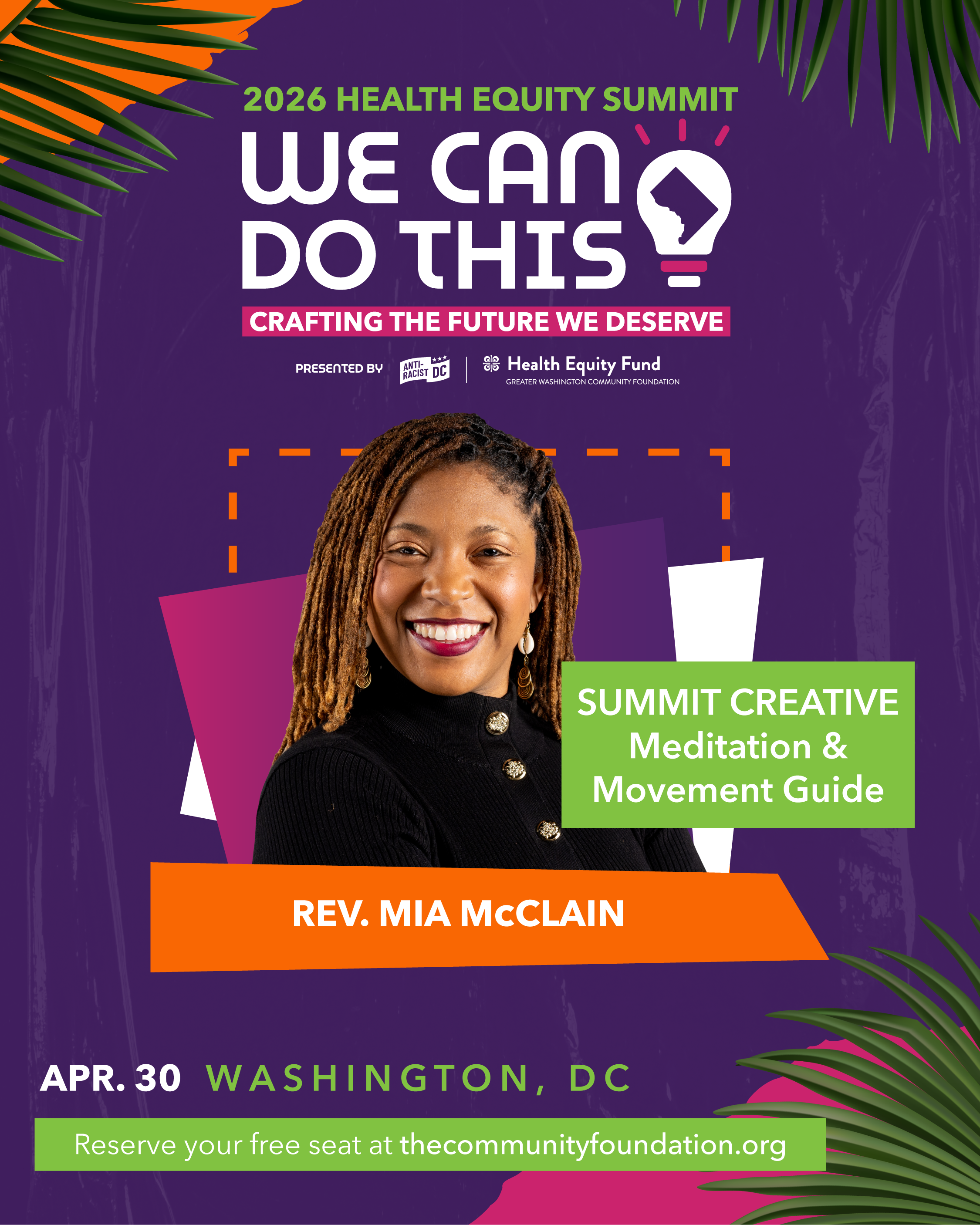
9:30 a.m. - Centering Moment with Pastor Mia McClain10 a.m. - Panel 1: Scarcity or Abundance: AI and the Future
11 a.m. - Panel 2: Health Equity: The State of Our Health
12:30 p.m. - Lunch & Creative Performances
1:30 p.m. - Panel 3: Barbershop Economics: A Conversation about Community Wealth Building
4:15 p.m. - HES Network & Chill
Our Panelists
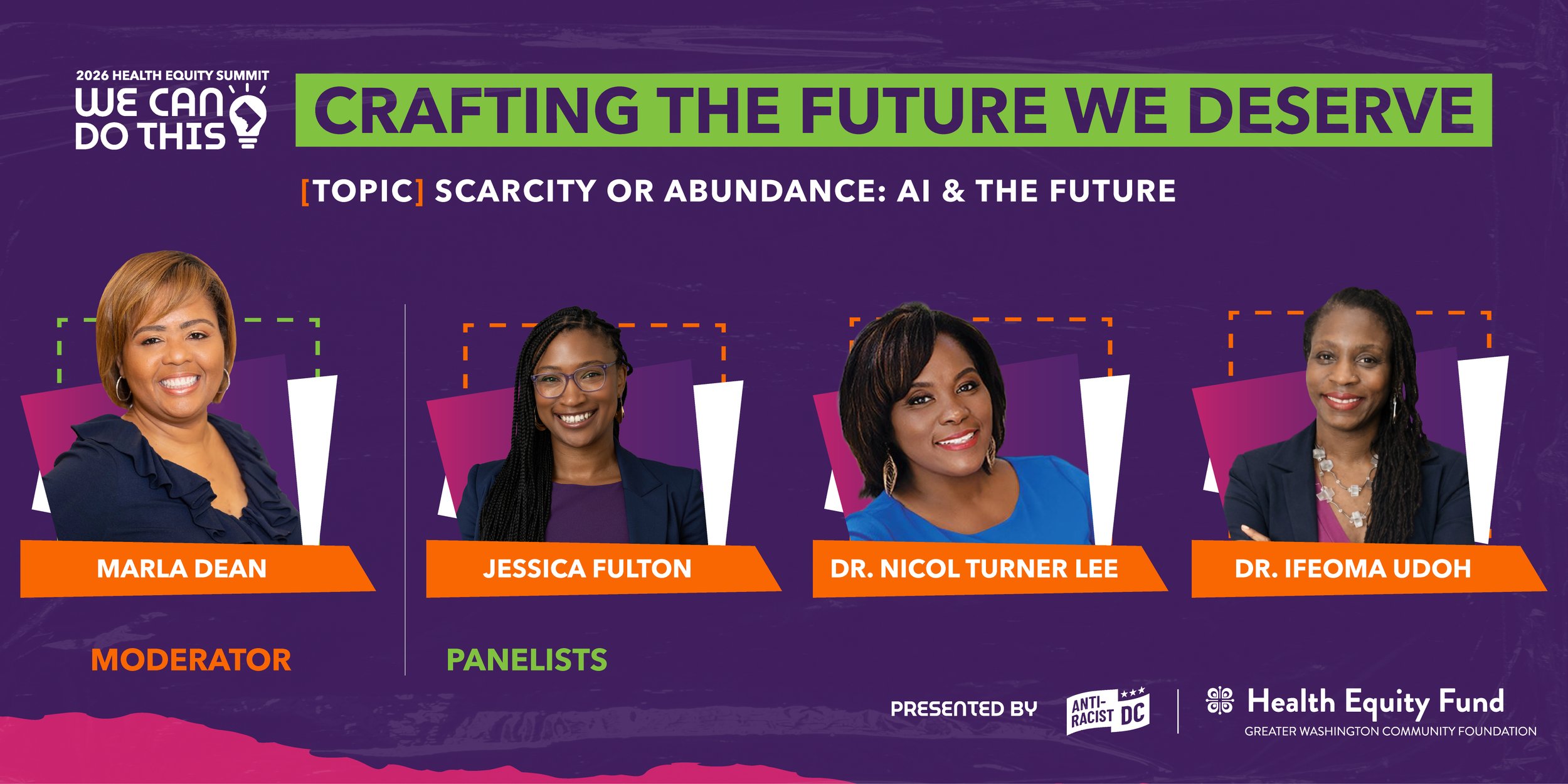
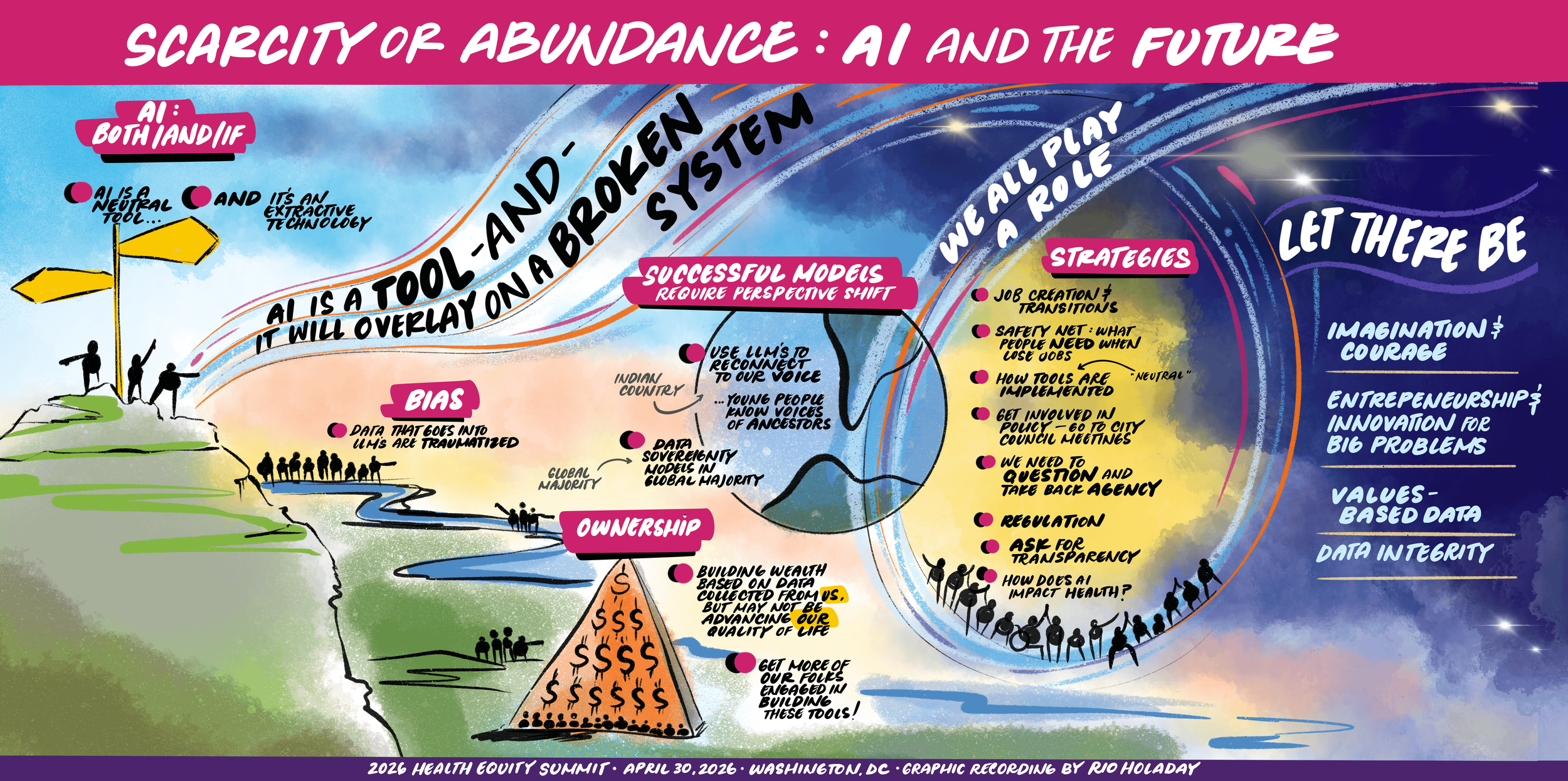
As artificial intelligence reshapes healthcare, finance, and social systems, Black and Brown communities stand at a critical crossroads
Jessica Fulton with the Joint Center for Political & Economic Studies, Dr. Nicol Turner Lee with the Brookings Insitution, and Dr. Ifeoma Udoh with the Black Women's Health Imperative join us for conversation about how AI is currently impacting communities of color
Together we'll explore pathways to ensure these technologies serve as bridges to prosperity rather than barriers, centering the voices and needs of those most affected by algorithmic decision-making.

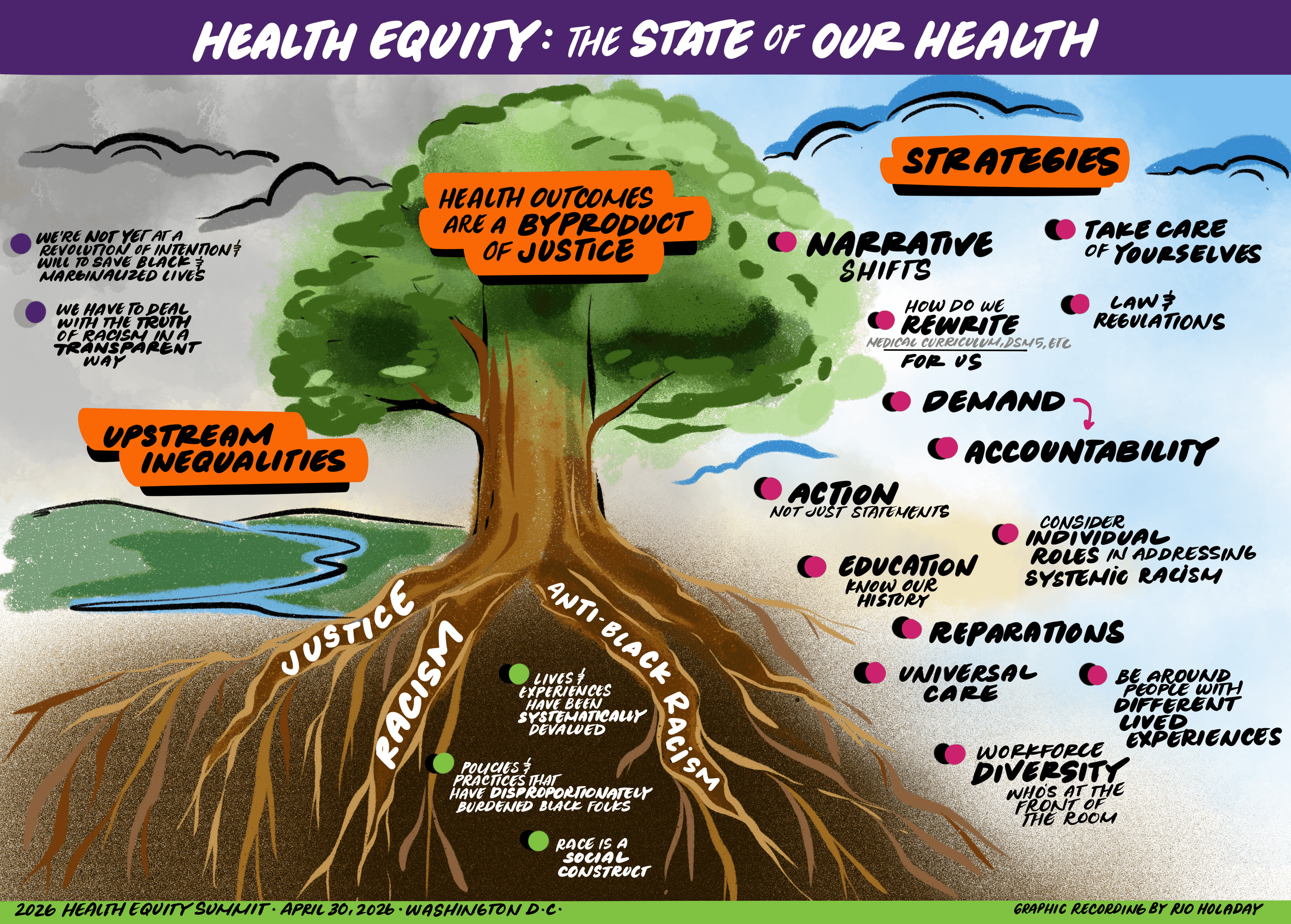
In America's capital, your zip code determines how long you'll live. Some DC residents die decades earlier than neighbors just miles away — not because of individual choices, but because of systemic design.
Dr. Christopher J. King, Dean of Georgetown University's School of Health, Dr. Chris Pernell, Director of the Center for Health Equity at the NAACP, and Dr. Dayna Bowen Matthew, Dean and Harold H. Greene Professor of Law at the George Washington University Law School join us for a conversation doesn't simply diagnose the problem — it demands transformation. We'll confront uncomfortable truths, challenge entrenched power structures, and chart bold pathways toward a city where health is a right, not a privilege determined by geography and race.

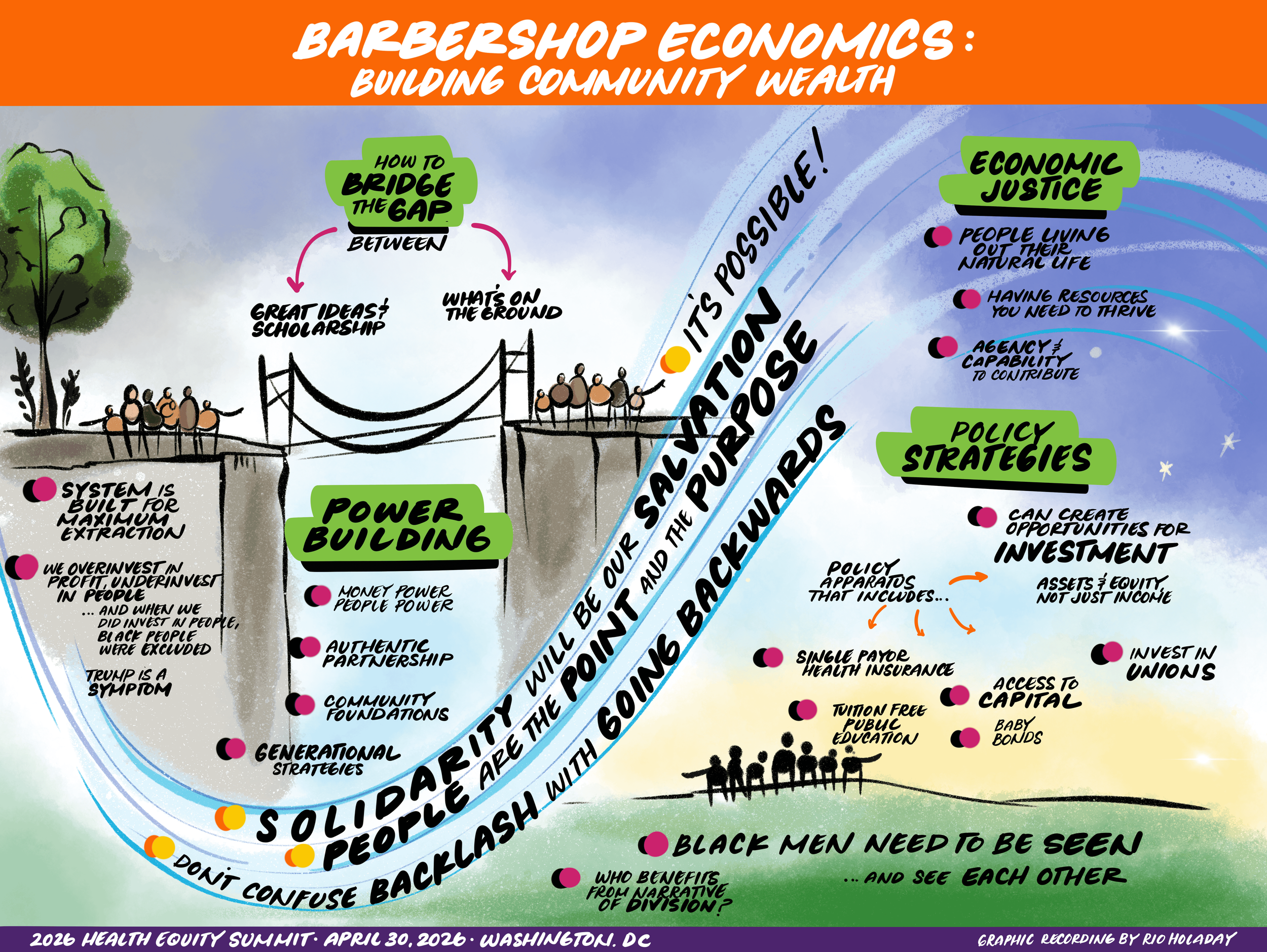
Where better to discuss real economic power than the barbershop—where Black and Brown communities have always built wealth, shared knowledge, and strategized survival?
Dedrick Asante Muhammad of the Joint Center for Political & Economic Studies, Dr. Darrick Hamilton with the New School for Social Research, and Dr. Andre Perry with the Brookings Institution join us for a conversation that cuts through economic jargon to expose hard truths: how Black and Brown assets are systematically devalued, why wealth gaps have nothing to do with behavior and everything to do with policy and inheritance, how immigration status shapes who gets exploited and what it really takes to create businesses in communities designed for extraction, not empowerment.
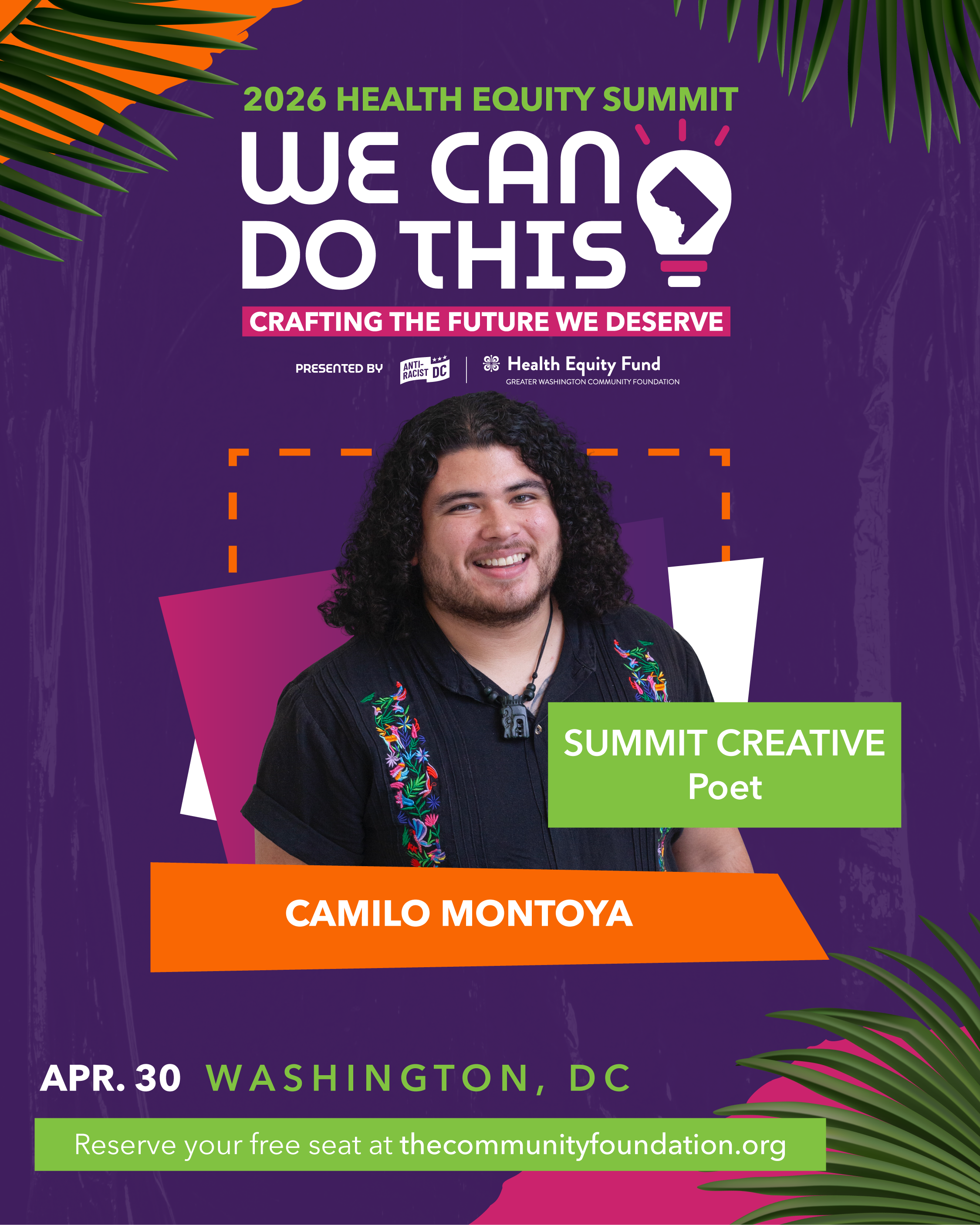
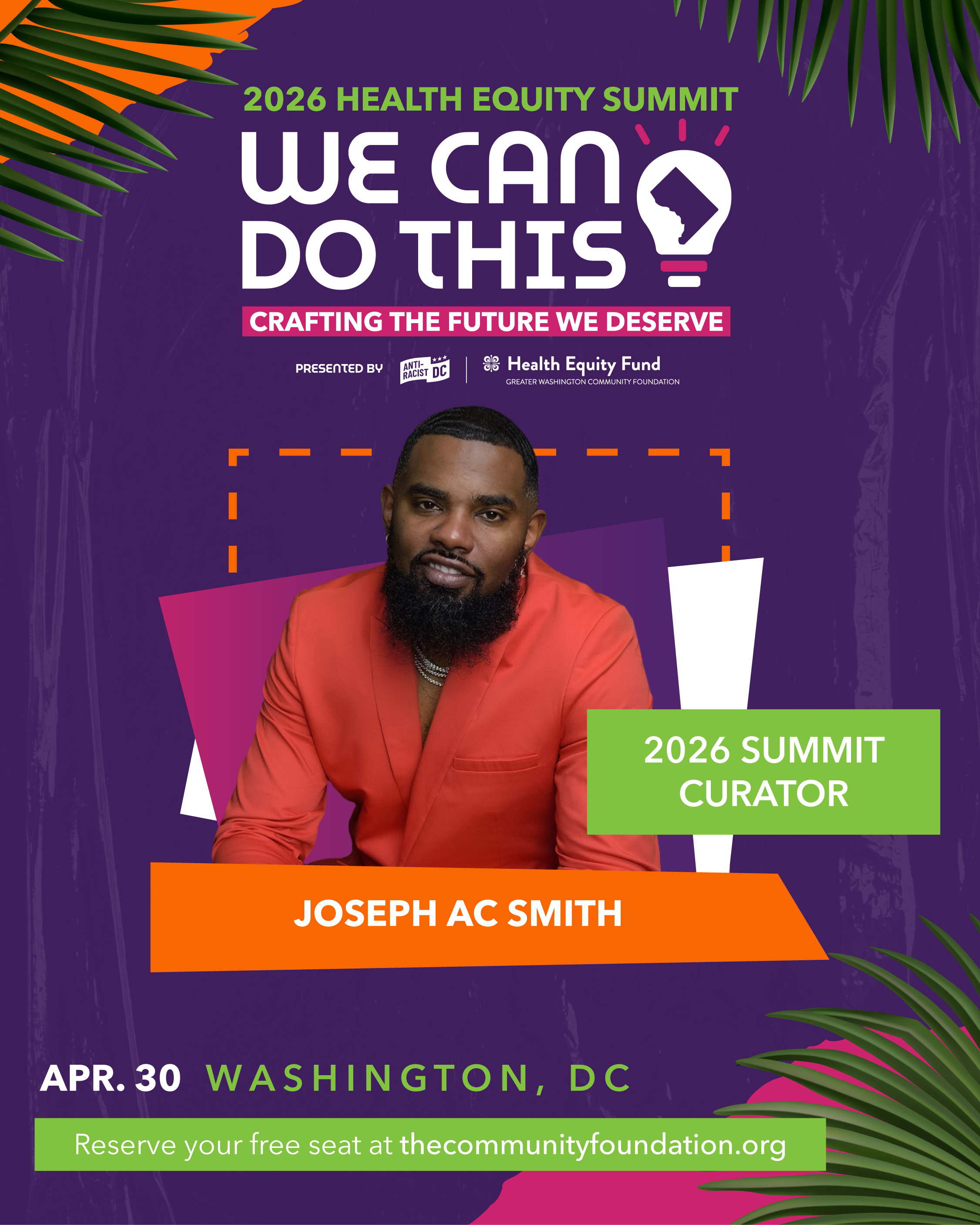
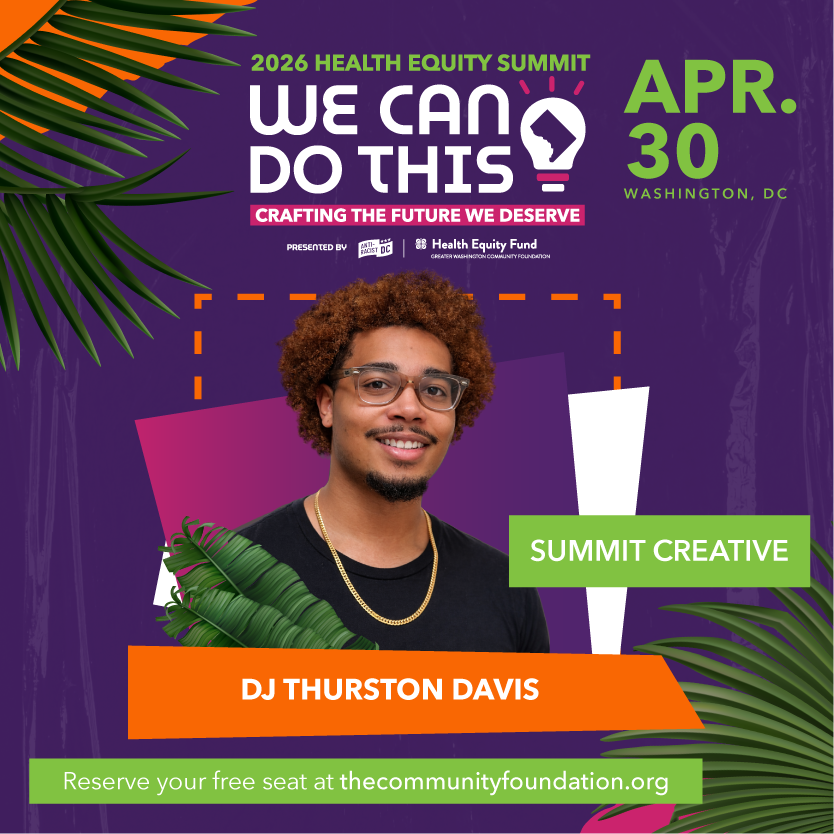
Special Thank You To Our Creatives