
Building Resilience: How Bridge Grants are Helping Nonprofits Navigate Uncertainty
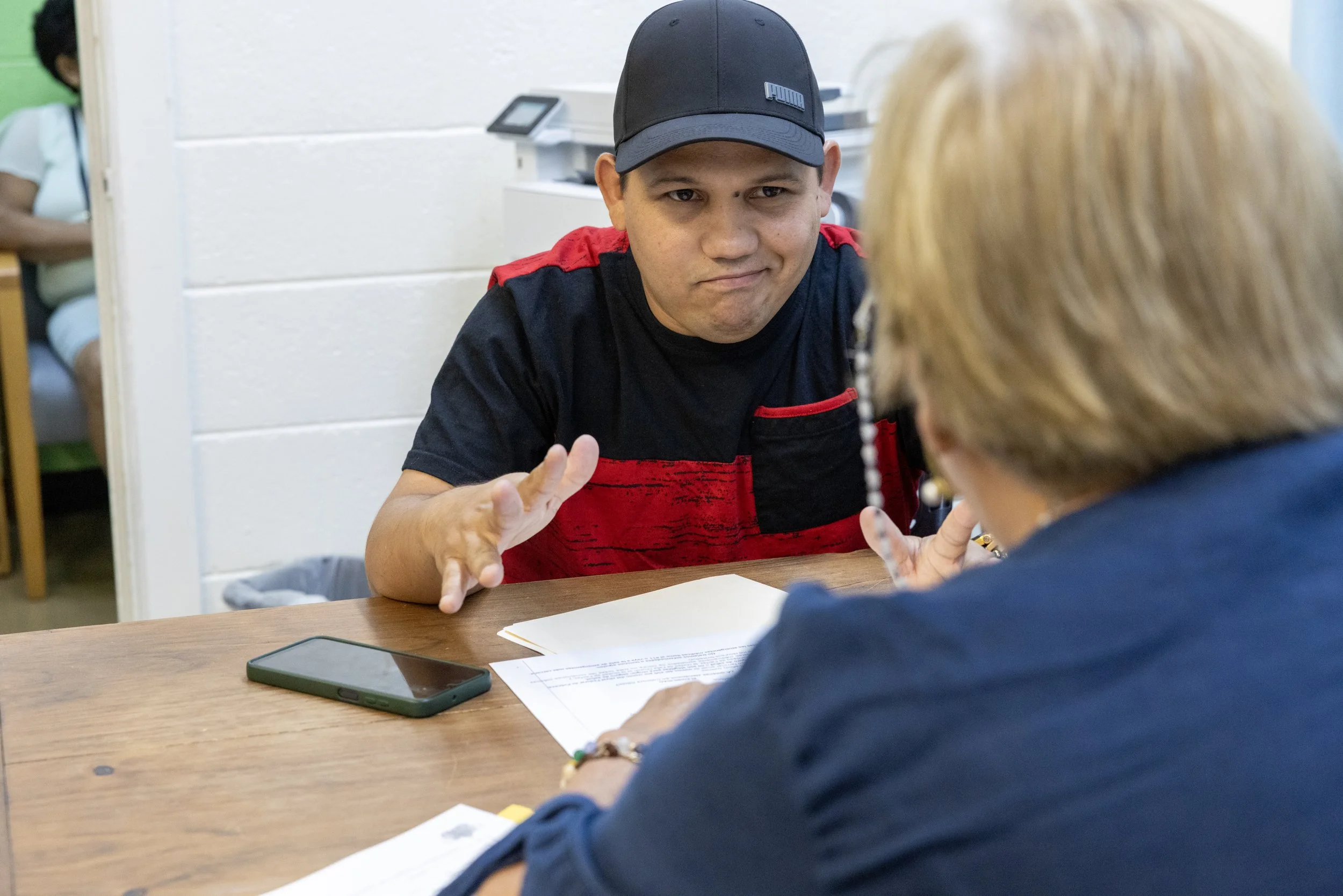
Behind every nonprofit facing budget cuts is a community counting on their services. When federal funding changes threatened programs across Greater Washington in 2025, The Community Foundation responded by providing Bridge Grants through our Community Resilience Initiative—flexible resources designed to help organizations adapt, stabilize, and continue their vital work.
These grants represent more than emergency funding. They're investments in the long-term health of our nonprofit sector, supporting organizations as they develop new strategies, rebuild capacity, and strengthen their ability to serve communities through periods of uncertainty.
Below are stories from three organizations that received Bridge Grants and used them to not just survive challenges but emerge stronger. Each demonstrates what becomes possible when timely support meets determined leadership and deep community commitment.
Aspire Afterschool Learning: Restoring Critical Student Support
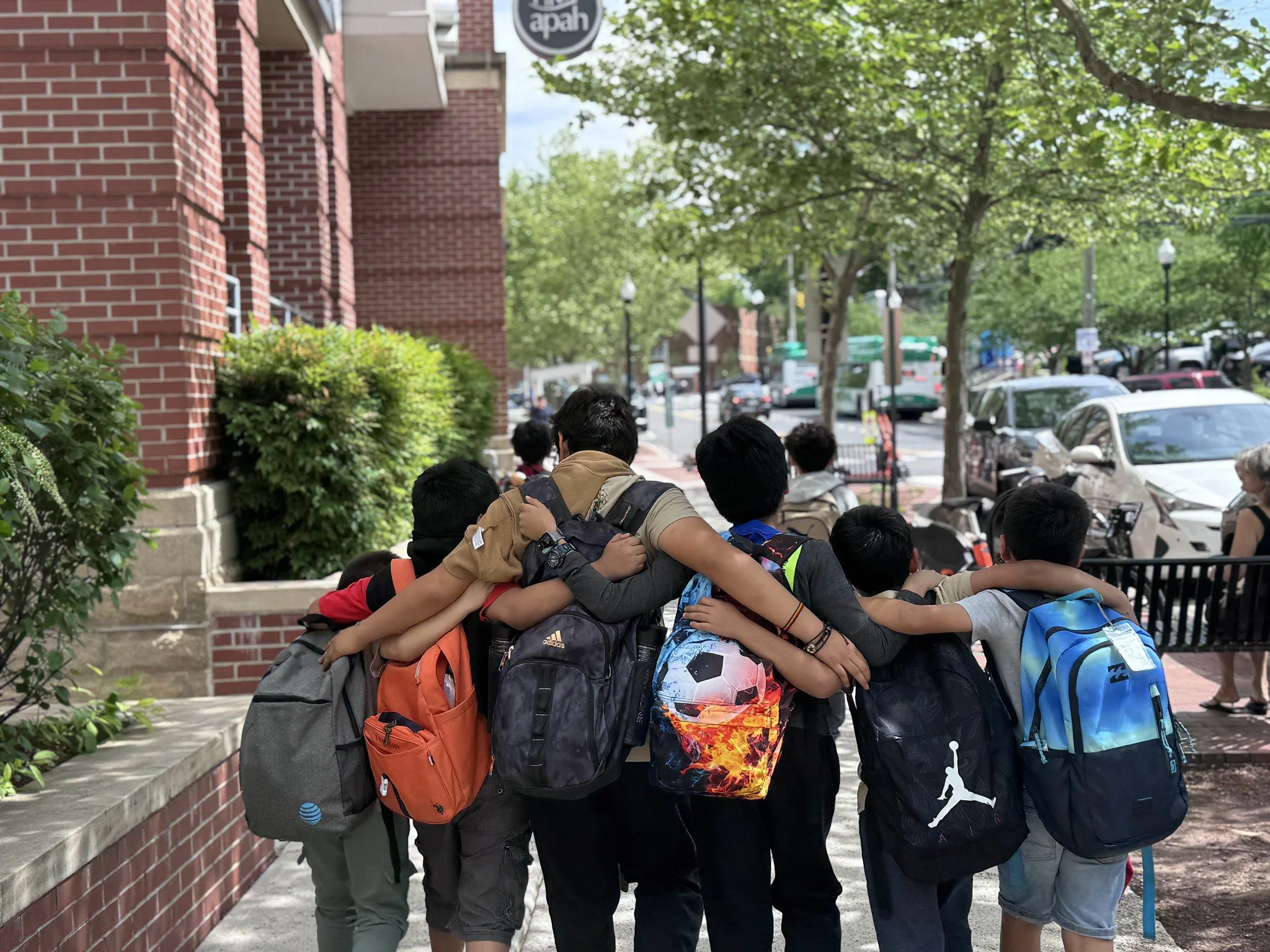
When federal funding cuts to AmeriCorps eliminated 30% of Aspire's budget, the Arlington-based nonprofit needed to find a way forward for children already entering 2+ grade levels behind in reading and math.
The answer came through a Community Resilience Initiative Bridge Grant. This much-needed funding provided by The Community Foundation allowed Aspire to revitalize their fundraising and community partnerships. With the added support, Aspire was able to restructure their staffing model to hire back former AmeriCorps members so in the end, they not only maintained their no-cost programming—they deepened it. By January 2026, the organization was back to serving 150 students, the same number as before the federal cuts. Even as they continue to recover and ensure they can sustain their work long-term, Aspire has launched enhanced STEM programming, piloted a new social-emotional curriculum, and created new resources for parents and families since receiving support from The Community Foundation.
“This work is only possible because of partners like you,” shared Aspire's leadership team, noting that returning students are showing strong results and families continue to provide positive feedback about the program's effectiveness.
Health Betterment Initiative: Meeting People Where They Are
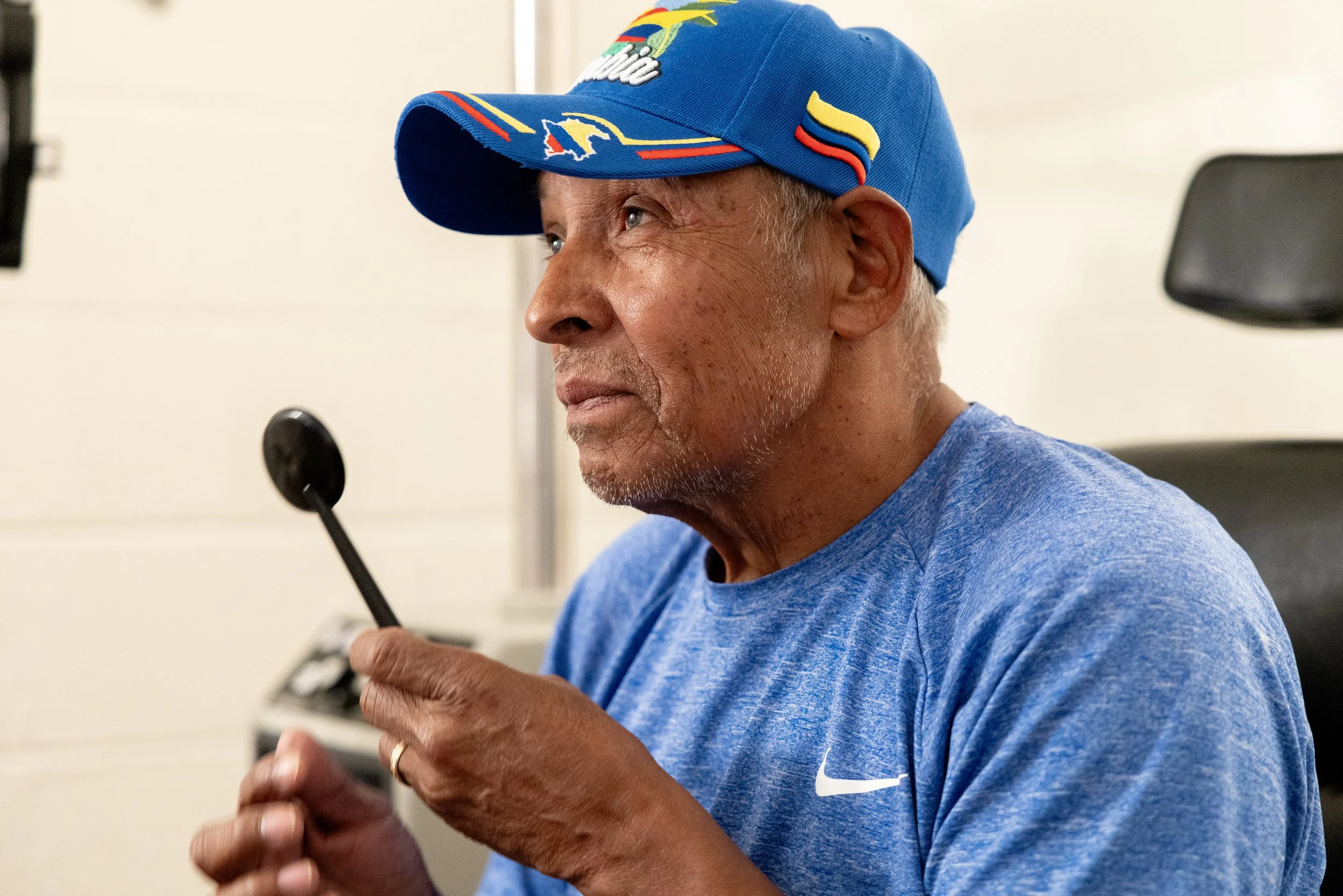
For Health Betterment Initiative (HBI), the Bridge Grant meant being able to restore critical shelter-testing services for high-risk communities in Washington, DC—services that increase access to early detection, education, and linkage to care for individuals facing barriers to healthcare.
But the impact goes beyond clinical services. It's visible in stories like that of a Spanish-speaking individual living with a lower-limb amputation, who was experiencing homelessness and living in his car. When HBI Community Health Workers met him during outreach, they responded quickly and holistically: coordinating food, securing shelter placement, connecting him to medical care, and ultimately helping him qualify for a wheelchair that would transform his mobility and independence.
“This is the power of meeting people where they are,” shared HBI’s leadership team. “Combining health services with compassionate navigation to address the conditions that shape health and recovery.”
Community Health Foundation: Strengthening Food Security Infrastructure

Community Health Foundation's Free Food Program in Lanham, Maryland, serves families experiencing food insecurity with dignity, consistency, and care. When the organization received a Bridge Grant in August 2025, they invested it strategically: commercial refrigerators that allow them to safely store larger quantities of fresh, nutritious food, and healthy food items distributed directly to families throughout the region.
“Your partnership has been instrumental in advancing health equity and improving access to nutritious food for families throughout the Greater Washington region,” the organization shared. The infrastructure improvements have strengthened their capacity to serve more households—not just feeding families today but building the foundation for sustained food security tomorrow.
These stories represent just a fraction of what's possible when strategic funding meets organizational resilience. To every donor who has contributed to the Community Resilience Initiative: thank you. Your support is helping nonprofits continue their vital work during a period of profound transition.
When we stand together—funders, nonprofits, and community members—we can ensure that the services Greater Washington depends on remain strong, accessible, and ready to meet whatever challenges lie ahead.
If you are interested in learning more about the Community Resilience Initiative data and grantmaking strategy, contact Darius Graham, Managing Director of Community Investment at [email protected].
For more information about supporting this work, contact Chris Howie, Managing Director of Development at [email protected] or make a donation on our website!