Leaders of the Future: Meet Our Sharing Community Nonprofit Partners
Across Greater Washington, the Sharing Community Initiative is more than just grantmaking — it's a network. Through Sharing DC, Sharing Montgomery, Sharing NoVA, and Sharing Prince George's, donors come together to support and learn more about a wide range of incredible nonprofits doing vital work across the Greater Washington region.
As part of our ongoing Leaders of the Future series, we're proud to introduce some of organizations at the heart of that network — diverse in focus, united in purpose, and together touching nearly every corner of our region.
-
Name and Organization
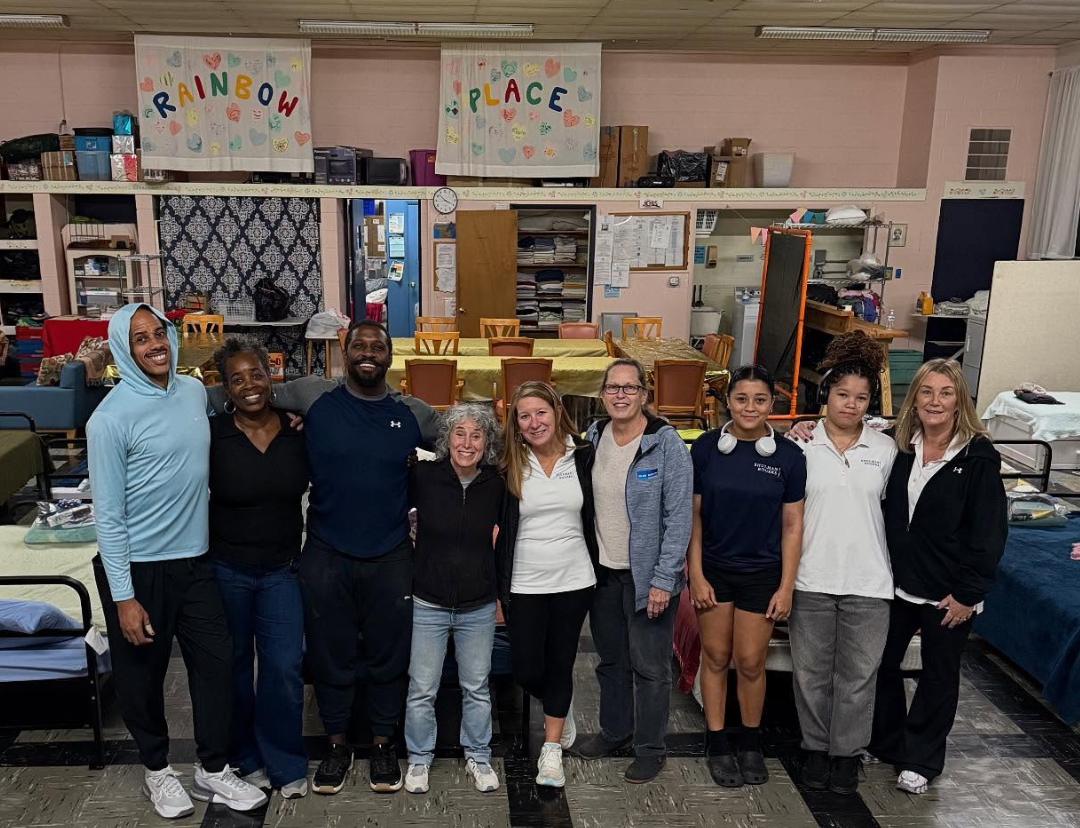
Rainbow Place Shelter
Which Communities/Neighborhoods do you serve?
Rainbow Place serves women experiencing homelessness in Montgomery County.
In 2-3 sentences, please briefly describe the mission of your organization
The mission of Rainbow Place's Women's Shelter is to provide women emergency overnight shelter during the hypothermia season and assist them as they transition to a better quality of life.
How has funding from a Sharing Community Initiative impacted the work you do? Feel free to share any brief examples of projects or outcomes you've seen over the past year. We'd love to hear about specific programs, milestones, or people whose lives have been changed.
Eugenia Robinson came to Rainbow Place at one of the most difficult moments of her life, after leaving an abusive situation, taking unpaid medical leave due to the toll on her mental health, and ultimately sleeping in her car when no shelter beds were available. Despite her resilience, she faced immense barriers to stability. After being referred to Rainbow Place, she found not only safe shelter, but also the personalized support and case management she needed to begin rebuilding her life.
Today, Eugenia is living in stable housing through a program that will soon transition her into an affordable apartment, working two jobs supporting children with autism, and continuing her education in psychology and health. She often reflects that “Rainbow was everything that I needed.” Stories like Eugenia’s are made possible through the generosity of supporters. Sharing Community's contribution directly provides the safety, stability, and support that allow individuals to move from crisis to independence.
This past year has brought no shortage of change for nonprofits and the communities they serve. What has that looked like for your organization — and what's helped you keep moving forward?" Feel free to share as much or as little as you're comfortable with.
Rainbow Place continues to face ongoing challenges in transitioning guests into permanent housing, largely driven by the limited availability of affordable units in Montgomery County and the increasing complexity of guests’ needs. Many individuals we serve are navigating barriers such as fixed or low incomes, behavioral health concerns, prior evictions, or limited rental histories, all of which make securing housing more difficult. Additionally, competition for subsidized and supportive housing programs remains high, resulting in longer wait times and extended shelter stays. While our case management team works diligently to identify opportunities and support each guest’s housing plan, these systemic constraints continue to impact the pace at which individuals can successfully exit shelter into stable, long-term placements.
What gives you hope right now — about your community, your organization, or the work ahead? What are your dreams for the future?
What gives us hope right now is the growing alignment between community partners, local leadership, and organizations like ours around the urgency of addressing homelessness in a more proactive and sustainable way. We are seeing increased willingness to collaborate, innovate, and invest in solutions that go beyond temporary relief. For Rainbow Place, the Young Adult Shelter embodies that hope. It reflects a shift toward early intervention, reaching young people at a pivotal moment and providing the structure, support, and opportunity they need to build stable, independent lives before crisis deepens. It also represents what is possible when community, faith partners, and public systems come together with a shared purpose. Our dream for the future is a Montgomery County where fewer individuals experience homelessness at all. Where prevention, not crisis response, is the norm. We envision a system where every person, regardless of their circumstances, has access to safe housing, meaningful support, and a clear pathway to stability.
-
Which Communities/Neighborhoods do you serve?
Montgomery County
In 2-3 sentences, please briefly describe the mission of your organization
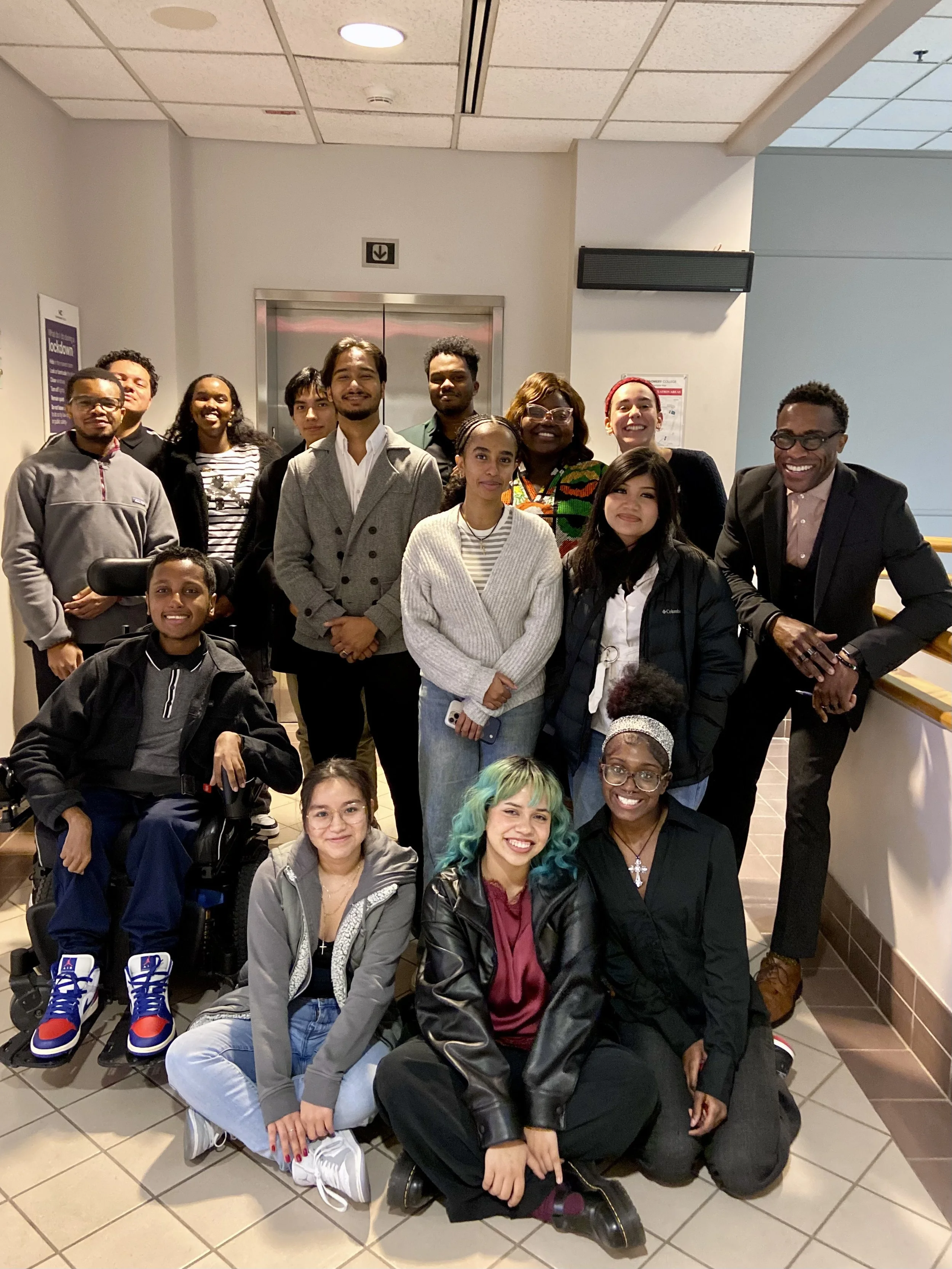
Future Link closes the opportunity divide for first-generation-to-college young adults in Montgomery County (ages 18-25) by providing the professional development, resources, and individual support needed to pursue higher education or career-based training and enter the workforce, achieving lasting self-sufficiency. Our comprehensive two-phase program providing a suite of individualized services — paid internships, career coaching, mentoring, tutoring, scholarships, academic guidance, and more — gives our students served a fair chance to succeed while reducing access barriers and a widening achievement gap. Future Link’s program yields post-secondary persistence, degree and credential attainment, and direct access to employers for internships and full-time employment.
How has funding from a Sharing Community Initiative impacted the work you do? Feel free to share any brief examples of projects or outcomes you've seen over the past year. We'd love to hear about specific programs, milestones, or people whose lives have been changed.
With the support of a two-year Sharing Montgomery Fund grant, Future Link made meaningful progress in strengthening and expanding its impact. The organization successfully scaled its Career Coaching Program, serving 130 students through the dedication of 79 career coaches, an effort that resulted in 97 internships and job placements. To further enhance program delivery, Future Link added a senior-level staff member to lead the implementation of its Career Exploration curriculum. Additionally, the organization leveraged the Sharing Montgomery Fund investment to secure a one-time Data Fund grant, that will enable us to purchase and migrate to a new CRM system as well as fund a comprehensive program evaluation and outcomes measurement review.
Future Link Program Participant Example: Before connecting with Future Link, Bryan was forging his path in the United States largely on his own, balancing the demands of full-time work while providing financial support to his family in Senegal. At the same time, he was enrolled full-time at Montgomery College, where the competing pressures of work and academics often made time management difficult and left him with an uncertain vision for his professional future. Despite his determination, Bryan lacked the industry exposure and guidance needed to confidently navigate a clear career path.
Through Future Link’s comprehensive support, Bryan gained access to mentorship, career development resources, and meaningful professional networks that proved transformative. He secured two internships in real estate development, built a strong relationship with a mentor in the field, refined his interviewing skills, and received scholarship support during his time at the Smith School of Business, where he ultimately earned his bachelor’s degree.
Today, Bryan’s journey reflects both his exceptional work ethic and the impact of sustained, holistic support. Bryan is now self-sufficient, employed at Freddie Mac (where he already received a promotion), and thriving as a young professional with a clear and promising career trajectory. He is now giving back providing guidance to younger Future Link students experiencing similar lived experiences. Bryan’s journey exemplifies the impact of Future Link’s work in supporting young adults on pathways out of poverty and into becoming engaged, contributing members of their communities.
This past year has brought no shortage of change for nonprofits and the communities they serve. What has that looked like for your organization — and what's helped you keep moving forward?" Feel free to share as much or as little as you're comfortable with.
This past year has brought significant change for Future Link, reflecting broader shifts across the nonprofit and workforce landscapes. We lost three significant funding sources due to their structural changes amid political uncertainty and evolving approaches to DEI initiatives. At the same time, rising inflation has increased financial strain on the young people we serve, while growing mental health needs have required more holistic support.
The internship and early career landscape has also become more competitive, with fewer accessible opportunities for our students. Shifting employer expectations, increased demand for advanced technology skills, and changes in the federal employment sector, are all contributing factors making it harder for students to secure meaningful work experience.
What has enabled Future Link to move forward is our adaptability and the strength of our relationships, with students, mentors, career coaches, employer partners, and supporters. By staying focused on our mission, deepening partnerships, and evolving to meet emerging needs, we have remained intentional, resilient and grounded in serving our community. Future Link is deeply committed to our population and has developed recognized expertise within our specialized niche of career development services with a proven program model. This has yielded strong outcomes for our young adults. While the need for our services is both urgent and complex, the current environment is making long-term sustainability increasingly challenging.
What gives you hope right now — about your community, your organization, or the work ahead? What are your dreams for the future?
What gives us hope is the determination of the young people we serve, alongside a generous network of partners and volunteers who continue to invest their time, expertise, and belief in equitable opportunity. Even amid a challenging external environment, we see a shared commitment to ensuring that talent should be recognized and nurtured, which reinforces the importance and possibility of this work. We are a community genuinely invested in maximizing potential and opportunity.
We are equally encouraged by our organization’s continued evolution. Navigating change has sharpened our focus, strengthened our partnerships, and positioned us to respond more intentionally and holistically to emerging needs.
Looking ahead, we envision a future where access to meaningful career pathways and experiences is not constrained by circumstance. Our aspiration is to broaden our reach, deepen employer engagement, and further integrate the supports necessary for young people to thrive both professionally and personally. Through this work, Future Link aims to contribute to a more inclusive and dynamic local workforce that fully reflects the potential of the communities we serve.
-
Which Communities/Neighborhoods do you serve?
Montgomery County
In 2-3 sentences, please briefly describe the mission of your organization
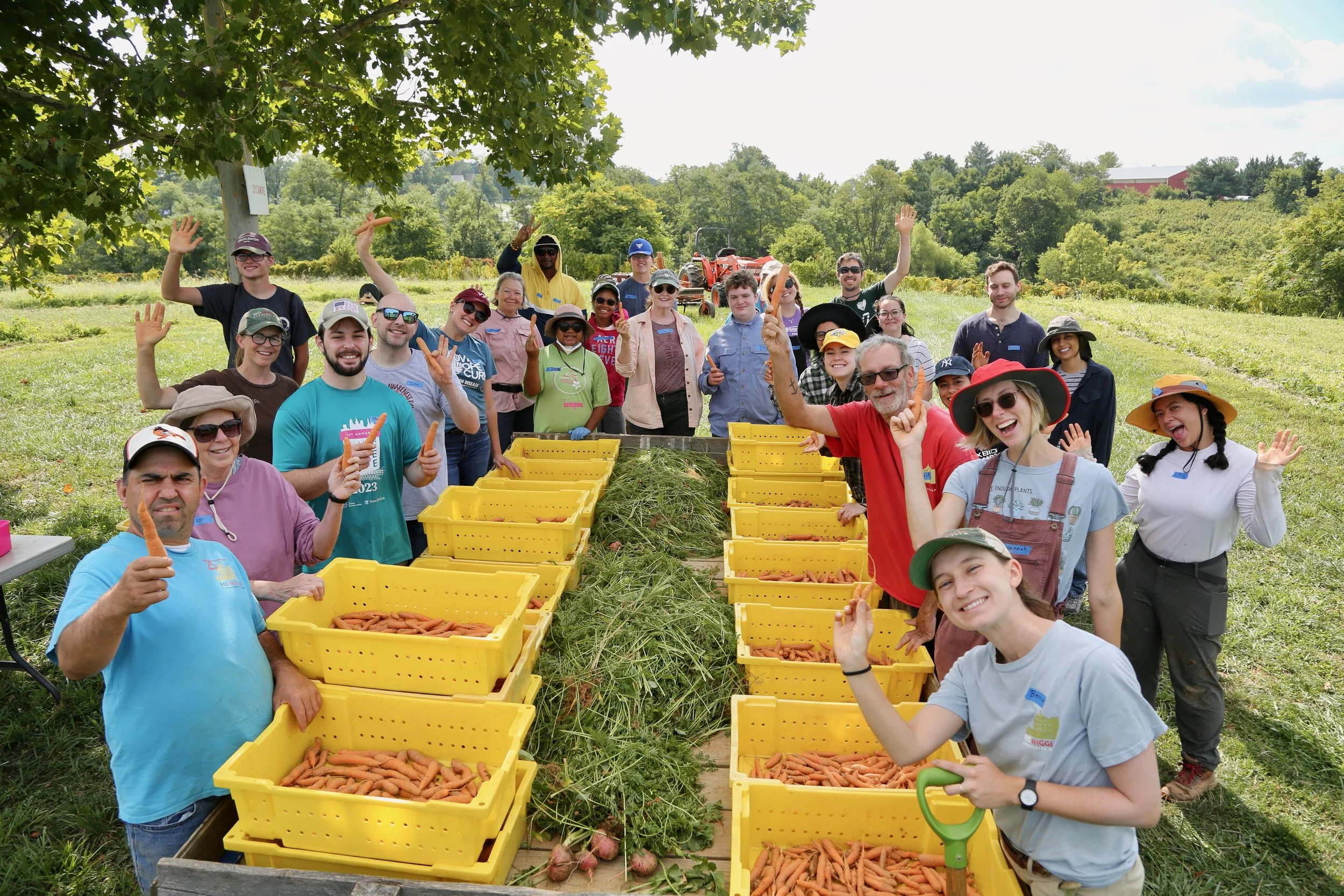
Red Wiggler cultivates belonging and well-being through care farming and community-building.
At Red Wiggler Care Farm, people with and without developmental disabilities come together to work, learn, grow, and share food.
The Care Farming Network increases capacity, builds community, and raises awareness for care farms across the country.
How has funding from a Sharing Community Initiative impacted the work you do? Feel free to share any brief examples of projects or outcomes you've seen over the past year. We'd love to hear about specific programs, milestones, or people whose lives have been changed.
Support from the Sharing Community Initiative has been transformative across our programs this past year.
Grower Program: Support allowed us to increase hours and improve wages for adults with disabilities employed as part of our Grower Program. Being able to offer more consistent, fairly compensated work has made a real difference in their lives.
Harvest Share Program. We expanded food distribution to underserved neighbors in our area. Last year, we distributed 59% of our produced to underserved communities as part of our Harvest Share Program.
Community Engagement: More than 250 youth visited the farm, 35% of whom have disabilities. They participated in hands-on experiences through sensory tours and educational activities that connected them to the source of their food and their community.
One moment that stays with us: A group of middle school students from a local Special Education classroom came to the visit the farm. At the end of the visit, their teacher told us it is the only field trip they go on that the students are both fully able to participate in an accessible and inclusive way and also see adults with disabilities that are employed and in roles of leadership. It's an example of what this funding makes possible across our programs at the farm.
This past year has brought no shortage of change for nonprofits and the communities they serve. What has that looked like for your organization — and what's helped you keep moving forward?" Feel free to share as much or as little as you're comfortable with.
Like many organizations, this past year challenged us to do more with less and to stay grounded in our mission even as the landscape around us shifted. The uncertainty of funding, especially from the federal government, has forced us to evaluate plans for growth. This is challenging because at the same time the need for our services is on the rise because of the same cuts. We have looked at our pricing structure for customers in our Community Supported Agriculture and education program to make sure we are creating sustainable earned revenue streams that then allows us to subsidize vegetables and visits for those in need.
What gives you hope right now — about your community, your organization, or the work ahead? What are your dreams for the future?
What gives us hope is the momentum behind the care farming movement. Through our national program, Care Farming Network, we are seeing a growing recognition that farms can be places of healing, well-being, and belonging — not just production. CFN has grown to nearly 400 member farms across the United States. This year, we hosted our second annual conference that brought together more than 200 aspiring and established care farmers from 29 states to learn and share resources. People are hungry for this community, and that tells us something important about where the movement is headed.
We are excited to continue the direct work here in Montgomery County at Red Wiggler Care Farm and to share 30 years of hard-won experience and knowledge through the Care Farming Network.
We dream of Red Wiggler's model continuing to serve as a catalyst for care farming nationwide, demonstrating that farms can be engines of opportunity, healing, and belonging for the communities that need it most.
-
Which Communities/Neighborhoods do you serve?
Communities/Neighborhoods throughout Montgomery County
In 2-3 sentences, please briefly describe the mission of your organization
Housing Unlimited promotes community integration and independence for individuals in mental health recovery in Montgomery County, Maryland. To this end, we provide affordable, scattered-site shared housing—mostly condos and townhomes—in neighborhoods throughout the County that are accessible to public transportation, employment, shopping, and support services. Almost half of our tenants are coming to us from County homeless shelters.
How has funding from a Sharing Community Initiative impacted the work you do? Feel free to share any brief examples of projects or outcomes you've seen over the past year. We'd love to hear about specific programs, milestones, or people whose lives have been changed.
"When I came to Housing Unlimited, I didn’t have a lot. It meant a lot to me that my new home was already fully furnished. Having an affordable, beautiful place to call home has really helped my mental health recovery journey." -- Housing Unlimited Tenants Council President Christine Golding
Our vision is that all Montgomery County residents have a place to call home-- a safe haven to return to night after night. We are excited to report that the support that we received from the Sharing Community Initiative played a critical role in enabling us to expand our affordable housing initiative in 2025. Specifically, we purchased four additional townhomes and now own a total of 96 homes and serve 263 individuals.
This past year has brought no shortage of change for nonprofits and the communities they serve. What has that looked like for your organization — and what's helped you keep moving forward?" Feel free to share as much or as little as you're comfortable with.
Our extraordinary partners provide us with the strength and the confidence to move forward and craft innovative solutions to the great challenges that we face. For example, we are actively seeking to increase the number of Housing Unlimited (HUI) homes with solar panels (via Purchase Power Agreements – PPA – with solar providers). Per the PPA Agreement, a 3rd Party entity – Re-volv – will own the panels and, in exchange, we will receive a discount on our electric bills at the respective properties. There is no cost to HUI for the installation of the panels. Re-volv ihas secured support and financing from the Montgomery County Green Bank for this initiative. To date, through this year’s partnership, solar panels have been installed at six HUI homes. Also, HUI has received approval to install panels at 16 other HUI homes. In addition, HUI is in the process of seeking approval to install panel on 18 additional HUI homes. Separately, HUI is seeking to secure electric bill discounts via participation in community solar farm initiatives.
Separately, this past year we forged a partnership with SEEC (Seeking Employment, Equality and Community for people with developmental disabilities). We are honored that SEEC named Housing Unlimited as one of its 2025 Outstanding Employer Awardees (HUI proudly employs two excellent workers that came to us from SEEC’s supported employment program).
What gives you hope right now — about your community, your organization, or the work ahead? What are your dreams for the future?
These are indeed difficult times as the federal government makes major cuts to safety- net programs that are so critical for the well-being of some of the most vulnerable in our community. Nevertheless, we remain hopeful that, by expanding our partnerships with local and state government as well as the philanthropic community, we will persevere. Moving forward, we intend to add at least four new homes (taking us to the major milestone of owning 100 homes!) and therefore will be able to serve 273 individuals.
-
Which Communities/Neighborhoods do you serve?
Our reach covers the broader DMV, but for this project, we’re focusing our efforts specifically on the Route 1 Corridor. While all of our communities have unique needs, we've identified some significant gaps in mental wellness support along this stretch. We’re really looking forward to deepening our impact here and meeting the high demand for accessible wellness resources in these neighborhoods.
In 2-3 sentences, please briefly describe the mission of your organization
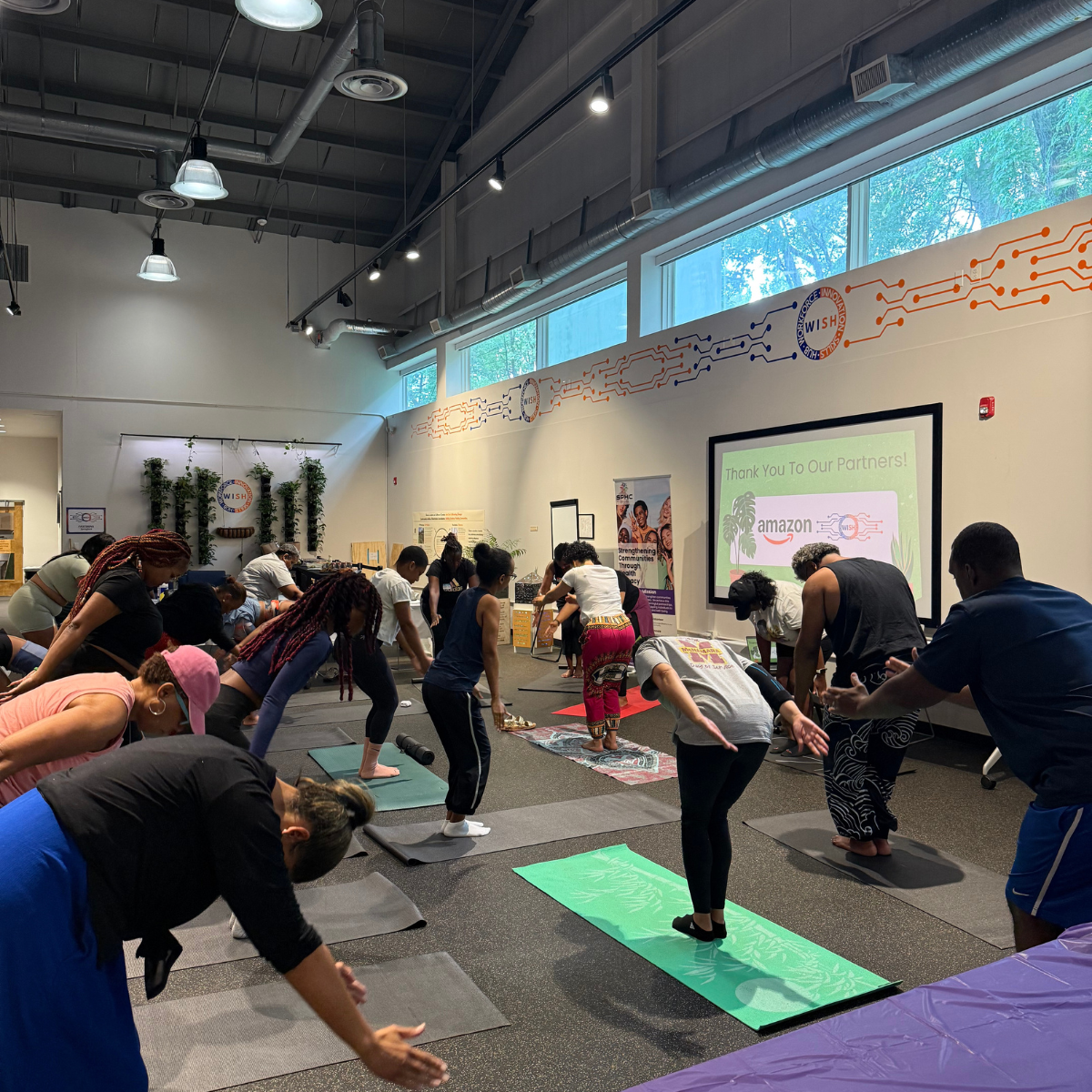
At SPHC Foundation, we provide ready-made workshops that help people manage health challenges in simple, practical ways. Our mission is to reduce the stigma around chronic disease and give our community the tools and confidence they need to navigate the healthcare system. By focusing on self-advocacy and mental wellness, we’re helping people take real action to improve their quality of life and increase their lifespan.
How has funding from a Sharing Community Initiative impacted the work you do? Feel free to share any brief examples of projects or outcomes you've seen over the past year. We'd love to hear about specific programs, milestones, or people whose lives have been changed.
Since this is our first grant from the Sharing Community Initiative, the impact is huge. It’s the 'green light' that allows us to move from a concept to a finished product. We are using these funds to finalize and print our Mental Wellness Workbook, which will serve as a tangible, take-home resource for families in the Route 1 Corridor and beyond.
A major milestone for us is the community testing phase we’re starting now. We’re hosting listening sessions along the corridor to get real feedback from the people we serve before we go to final print. This ensures the workbook is rooted in real-life needs, making it an even more effective tool for the broader community to use at home to support their wellness and increase their confidence in managing their health.
For First-Time Sharing partners, what excites you most about joining the Sharing Community network? Beyond the funding itself, what does this partnership mean to your organization?
What excites us most is being part of a group of organizations that have the heart and passion to do this work for the communities they serve. As a newer foundation, joining this network feels like finding our 'tribe.' It’s incredibly validating to be surrounded by other leaders who understand the unique challenges of grassroots work and are just as committed to moving the needle on community well-being.
Beyond the funding, this partnership means we’re no longer working in a vacuum. Being part of this community of nonprofits and donors gives us a chance to learn from others, share our own insights on mental wellness, and collaborate around a shared purpose. It feels like we are part of a larger movement where everyone is rooting for each other’s success, and that kind of collective energy is exactly what we need to make a lasting impact in the DMV.
This past year has brought no shortage of change for nonprofits and the communities they serve. What has that looked like for your organization — and what's helped you keep moving forward?" Feel free to share as much or as little as you're comfortable with.
This past year has shown us that the need is huge, but what has kept us moving forward is the community and the incredible support system of volunteers we’ve built around us. Most importantly, it’s the trust our participants have placed in us.
When we hear firsthand about the impact we’ve made, it lets us know we’re doing good work—but it also reminds us that people are now looking for us and counting on us to be there. That sense of responsibility to our community keeps us focused. We are committed to responding to the needs they share with us and staying the course. We’re hopeful that great work is rewarded over time, and because our community is waiting for us, we simply can’t stop.
What gives you hope right now — about your community, your organization, or the work ahead? What are your dreams for the future?
This past year has certainly shown us that the need for mental wellness support is huge, but what has kept us moving forward is the incredible community and the support system of volunteers we have built around us. We are surrounded by people who truly believe in our mission, and most importantly, we are fueled by the trust our participants have placed in us.
The feedback we receive from our participants is what really keeps us going. Hearing firsthand about the impact our workshops have made on their lives lets us know we are doing good work, but it also reminds us that people are now looking for us and counting on us to be there. That sense of responsibility to our community keeps us focused. We are committed to continuing this service and staying responsive to the needs they share with us. We firmly believe that great work is rewarded over time, and with that hope and the encouragement of those we serve, we simply can’t stop.
-
Which Communities/Neighborhoods do you serve?
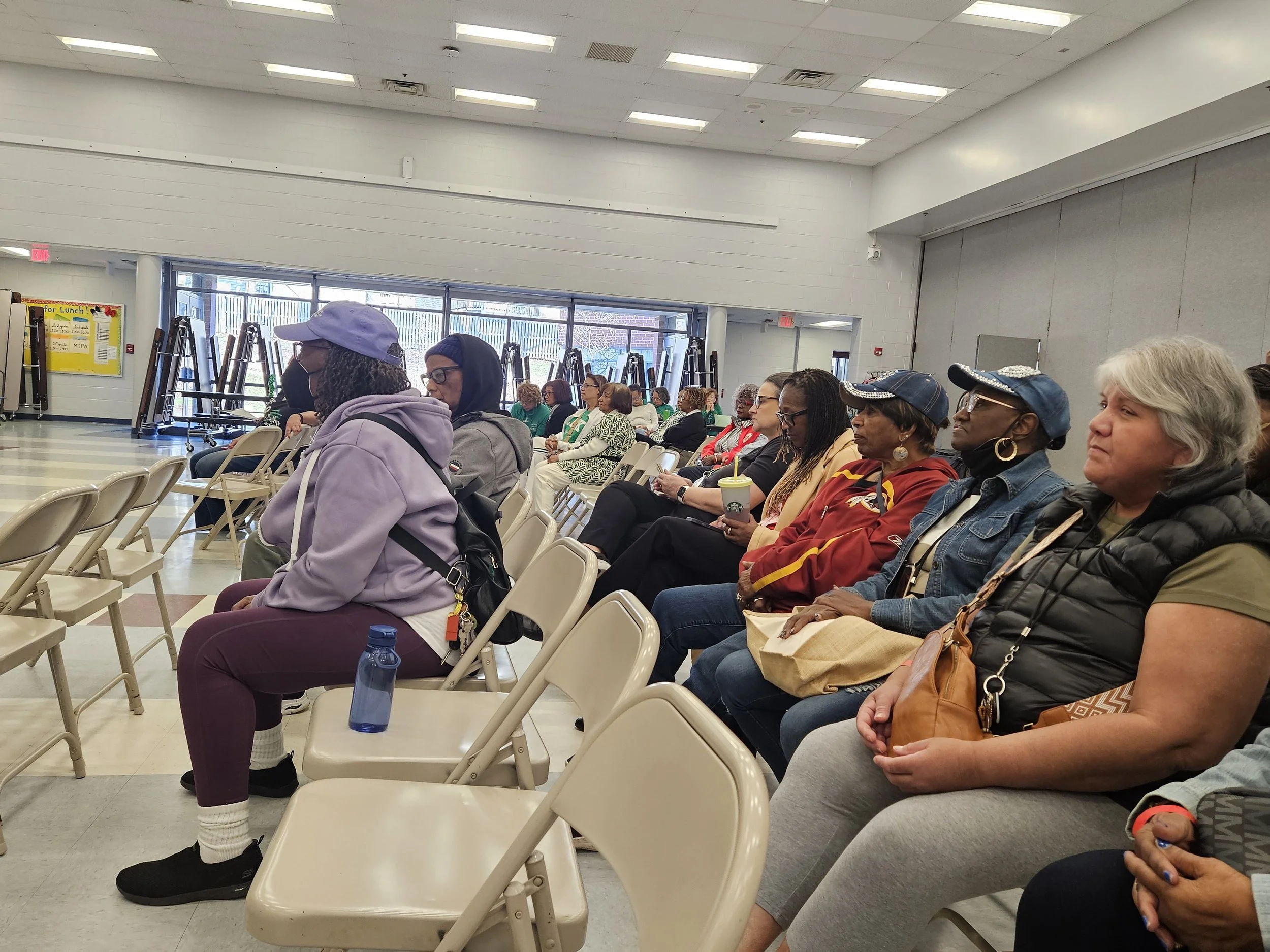
Just Neighbors has served all of Northern Virginia since 1996. In 2018 we expanded to include some areas outside of northern Virginia including the closer-in communities of the Upper Shenandoah Valley (Warrenton, Winchester, Fauquier, Culpeper, etc.)
In 2-3 sentences, please briefly describe the mission of your organization
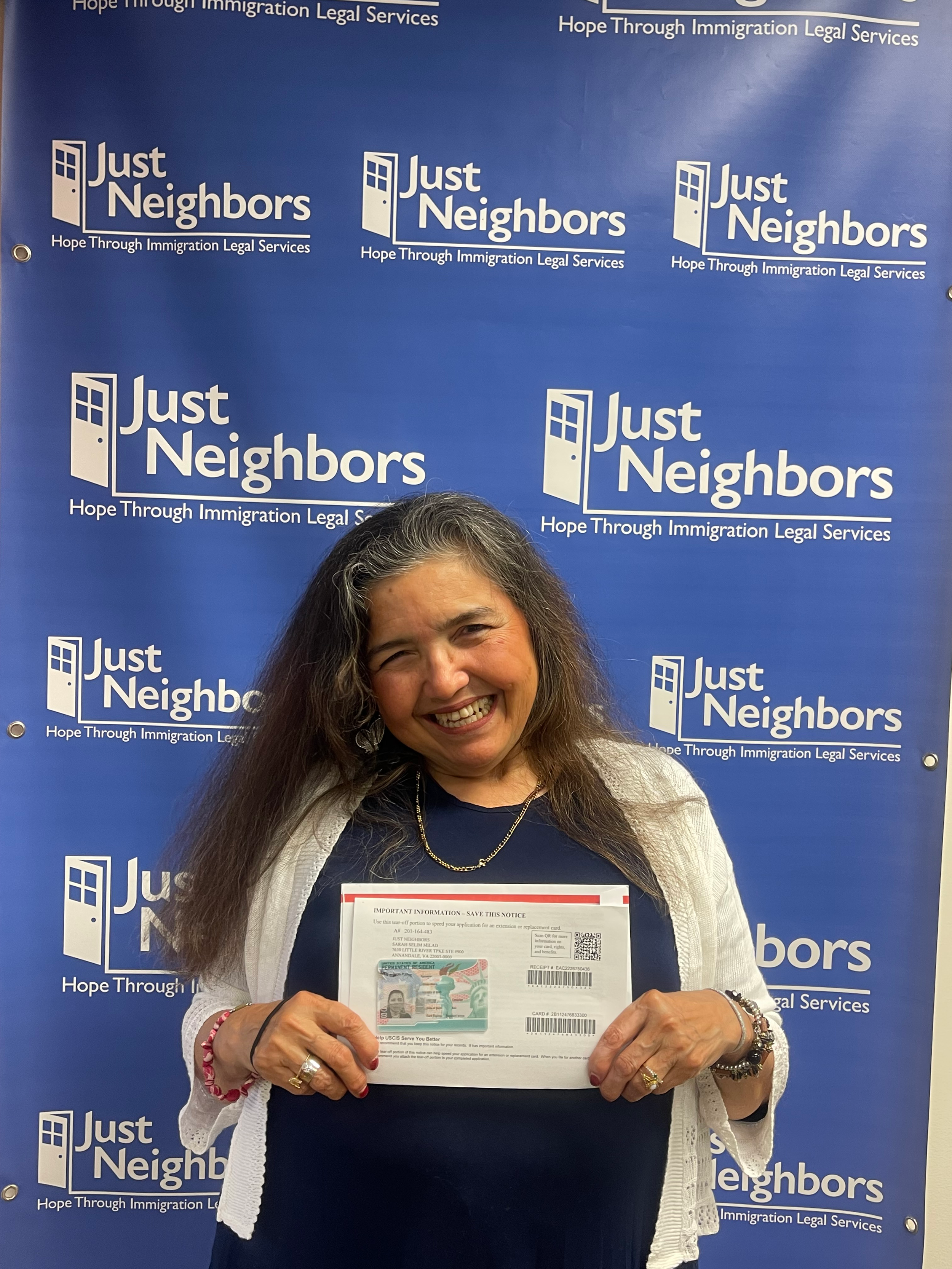
Our mission is to provide high-quality immigration legal services to low-income immigrants, asylees and refugees in Washington, DC, Maryland, and Virginia; and, to build community among clients, staff, volunteers and the larger society through education, advocacy, and volunteerism.
How has funding from a Sharing Community Initiative impacted the work you do? Feel free to share any brief examples of projects or outcomes you've seen over the past year. We'd love to hear about specific programs, milestones, or people whose lives have been changed.
Just Neighbors Managing Attorney, Katie Fourmy, had been working with two sisters from Honduras—Tania, age 13, and Teresa*, age 17—for more than a year when the federal government shut down funding which supported Just Neighbor's work with abused or abandoned children. The girls' immigration applications had just been filed after months of careful preparation when the notice came down that all work funded through the federal unaccompanied minors program had to cease immediately. As a subrecipient of that grant, Just Neighbors was suddenly barred from continuing any of the legal services these children desperately needed.
For Tania and Teresa, the timing could not have been more devastating. Abandoned by their father, they clearly qualified for immigration status under U.S. law (Special Immigrant Juvenile Status). But as Katie spent time with them, listening to their stories with patience and care, she uncovered even more painful truths: both girls had been sexually assaulted by a family member after arriving in the United States. That meant they also qualified for a U visa—and possibly even a T visa for trafficking. Like many immigrant children, they were eligible for multiple forms of protection, each one a lifeline. And yet, because of the federal Stop Work Order, Katie would have been forced to walk away from their cases entirely.
Despite this Stop Work Order, Just Neighbors scrambled to find funding to continue representing the children. Instead of quitting their cases, the Just Neighbors legal team stayed by their side, filed their immigration cases, coordinated their next steps, and ensured they remained protected. Teresa also began therapy, finally receiving the emotional support she needed to start healing and imagining a future that felt safe. With the girls' cases filed, Just Neighbors will monitor their cases until they are approved and then continue representing the girls, funding permitted, to assist them in applying for their greencards.
And through all the heaviness of their story, there was one small, bright ritual that brought joy to every appointment: Teresa’s beautifully manicured nails. Each visit, she arrived with a new color or design—tiny bursts of creativity and self expression that reminded everyone in the room that even in the hardest chapters, young people find ways to hold onto hope. Sometimes, it really is the small things that carry you through.
*names have been changed to protect their identity
For First-Time Sharing partners, what excites you most about joining the Sharing Community network? Beyond the funding itself, what does this partnership mean to your organization?
We love the idea of a group of funders coming together for a shared purpose. We see this in Baltimore City as well, and there is always a lot of energy when there is collaboration among funders which helps energize the organizations being funded as well!
This past year has brought no shortage of change for nonprofits and the communities they serve. What has that looked like for your organization — and what's helped you keep moving forward?" Feel free to share as much or as little as you're comfortable with.
This past year has been incredibly difficult for the immigrant community. Our clients are feeling the affects of increased immigration enforcement and the fear in the community is quite elevated. Just Neighbors has doubled down to continue providing high-quality immigration legal services to our clients, but we are also offering other services such as family separation planning. We are also trying to take care of ourselves as many of our staff and volunteers are part of the immigrant community.
What gives you hope right now — about your community, your organization, or the work ahead? What are your dreams for the future?
Just Neighbors finds hope in funders like Sharing NOVA which are stepping up to allow us to continue doing this vital work but also in our clients whose resilience and strength in these difficult times gives us courage.
-
Which Communities/Neighborhoods do you serve?
Bailey's Crossroads, Falls Church
In 2-3 sentences, please briefly describe the mission of your organization
CARE, Inc. mobilizes partnerships and community leadership to connect people with resources, opportunities, and support systems that strengthen families, enrich lives, and build a more inclusive and economically vibrant community. We foster trust, cultivate collaboration, and deliver impactful programs that advance education, economic empowerment, and community well-being.
How has funding from a Sharing Community Initiative impacted the work you do? Feel free to share any brief examples of projects or outcomes you've seen over the past year. We'd love to hear about specific programs, milestones, or people whose lives have been changed.
We have expanded our services to Seniors that are feeling isolated. Many are determined to age in place and often not willing to share with others when they have needs. We are currently serving in a dinner tree program that was created when one of the Seniors we serve had a need. The individual went to the hospital to have surgery. When the time came for him to be dismissed he was sent to rehab. He then realized that no one was home to take care of him. We were able to assemble a team of individuals that started with the Senior ministry of his church. Several individuals agreed to prepare and provide him with dinner by 5:00 each day. Another individual helping him went to the home to clean out the refrigerator and stocked it with items he could easily prepare for breakfast and lunch. The dinner team provided him meals for three weeks after he returned home. He now has others that will check on him regularly and are starting to engage him in outings and ensuring that he has rides to doctor's appointments or a phone call, to ask how things are going. We are proud to have been a part of getting this started for one senior and now look forward to providing this through more churches and our community of seniors that we will serve in Bailey's. Our hope is to eventually expand this with volunteers that will help seniors and identify others in need. We will start with marketing this program and what we do to other area churches and at community events.
For First-Time Sharing Partners, what excites you most about joining the Sharing Community network? Beyond the funding itself, what does this partnership mean to your organization?
Beyond the funding itself, this partnership represents something far deeper for CARE—it is affirmation. It tells us that the work we are doing in the community matters, that the lives we are touching are seen, and that we are not carrying this mission alone.
For an organization like ours, rooted in community and built on relationships, this partnership feels like an extension of family. It is a reminder that when nonprofits and donors come together around a shared purpose, real transformation becomes possible. We are no longer responding to needs in isolation—we are part of a collective movement that is aligned, compassionate, and committed to lasting change.
It also brings a sense of encouragement and momentum. Much of our work—especially with seniors, families, and underserved communities—happens quietly, one relationship at a time. To have partners who believe in this work gives us the strength to expand, innovate, and reach those who may otherwise remain unseen.
Being part of this community creates a space for shared learning, collaboration, and trust. It allows us to exchange ideas, strengthen our programs, and build bridges across organizations that ultimately serve the same people in different ways. Together, we are not duplicating efforts—we are multiplying impact.
Most importantly, this partnership reinforces the heart of CARE’s mission: that community care is a shared responsibility. It is not just about programs or services—it is about people showing up for one another.
To be part of this network is both humbling and empowering. It reminds us that when we come together with intention, compassion, and purpose, we can create a community where no one—especially our seniors—feels alone.
This past year has brought no shortage of change for nonprofits and the communities they serve. What has that looked like for your organization — and what's helped you keep moving forward?" Feel free to share as much or as little as you're comfortable with.
At CARE, we recognize that aging in place requires more than housing—it requires access, dignity, and a true sense of belonging. That is why we integrate housing stability, food access, and social connection into all aspects of our work.
Through partnerships with youth, families, faith leaders, housing advocates, and local organizations, we are building an intergenerational community where seniors are not only supported—but valued, respected, and empowered to live fully.
What gives you hope right now — about your community, your organization, or the work ahead? What are your dreams for the future?
What gives us hope right now is simple, yet powerful—people are still showing up for one another.
We see it in the volunteers who step forward without being asked. We see it in the churches opening their doors. We see it in neighbors checking on seniors, in youth eager to serve, and in families who still believe in the strength of community. Even in the face of isolation, economic challenges, and uncertainty, there is a deep, unwavering willingness to care. That gives us hope.
Within CARE, we are especially encouraged by how small acts of compassion are growing into structured, sustainable programs. What began as helping one senior after surgery has become the foundation for a broader model of care—one that restores dignity, connection, and support for those who might otherwise be overlooked.
Our hope is rooted in what we are already witnessing: when people come together with intention, lives change.
Looking ahead, our dreams are both bold and deeply grounded in community.
We envision a future where no senior feels isolated or unsupported while aging in place—where every individual has a network of care that includes meals, transportation, companionship, and consistent human connection.
We see CARE expanding this model across Bailey’s and throughout Arlington, building a network of churches, volunteers, and community partners who are equipped to identify needs early and respond with compassion.
We dream of an intergenerational community where youth are actively engaged in service, learning the value of giving back while building relationships with elders who carry the history and wisdom of our neighborhoods.
We also envision a scalable model—one that can be replicated in other communities—demonstrating that sustainable, people-centered care is possible when we invest in relationships, not just resources.
Ultimately, our dream is to help create a community where dignity is preserved, needs are met before they become crises, and everyone—especially our seniors—feels seen, valued, and connected.
Because when care becomes a shared responsibility, hope becomes something we build together.
-
Which Communities/Neighborhoods do you serve?
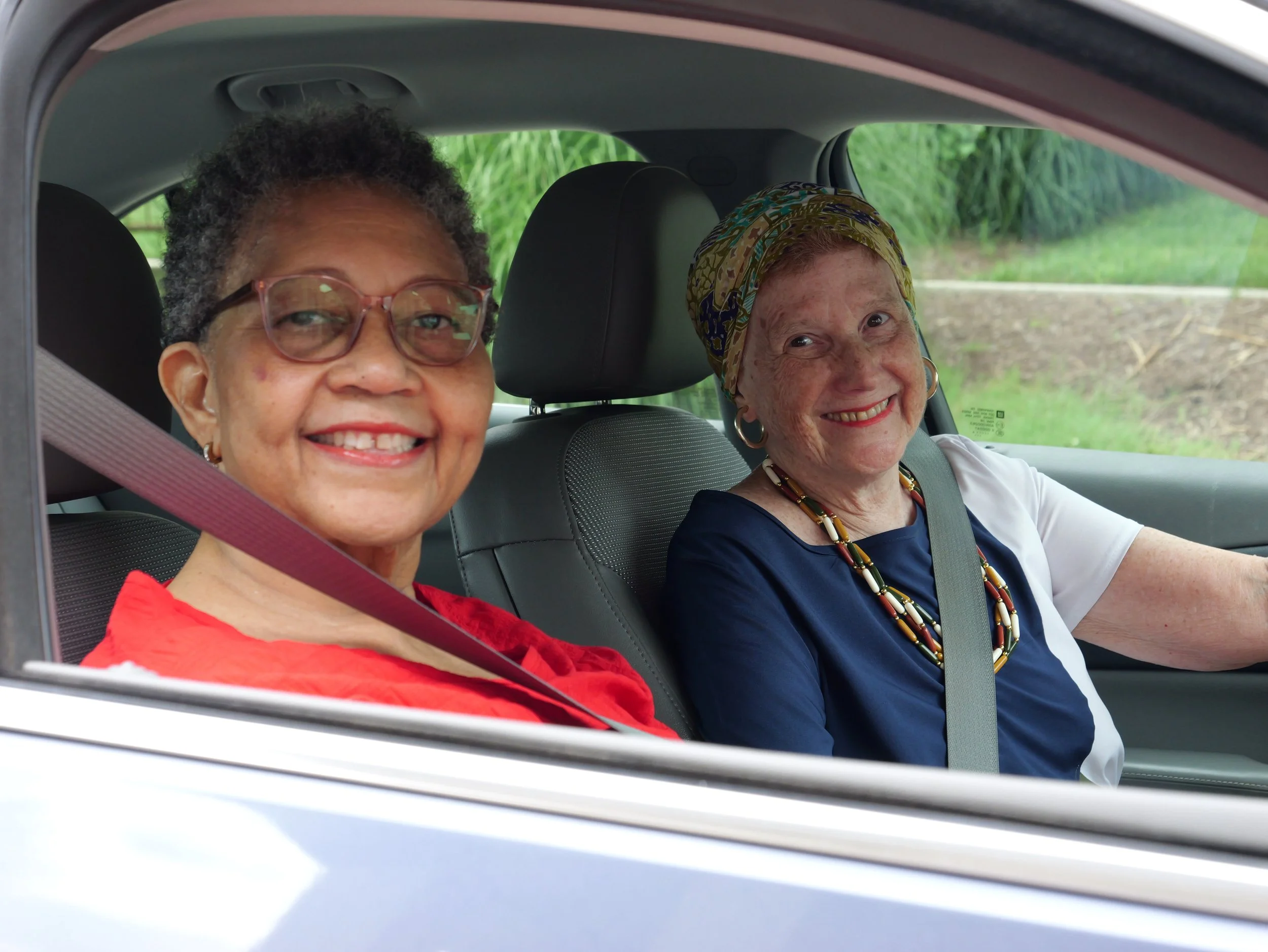
The Shepherd's Center of Fairfax-Burke & South County directly serves older adults. Our no cost transportation program to medical appointments and for necessity shopping serves the Fairfax-Burke areas which are East of Fairfax County Parkway/286, West of Prosperity Avenue, Guinea, and Rolling Rd, South of Route 50, and North of Old Keene Mill Road. In South County, we serve South of the beltway between Van Dorn and Telegraph Roads, North of Fairfax County Parkway between Telegraph and Route 1. We are able to offer our social and wellness programs outside of these areas at no cost or low cost.
In 2-3 sentences, please briefly describe the mission of your organization
The mission of The Shepherd's Center of Fairfax-Burke & south County is to provide services enabling older adults to continue to live independently, to offer opportunities for enrichment, learning, and socialization, and to enable older adults to use the skills and knowledge they have accrued over a lifetime in service to their community.
For First-Time Sharing Partners, what excites you most about joining the Sharing Community network? Beyond the funding itself, what does this partnership mean to your organization?
We are most excited about joining the Sharing Community network because of the opportunity to engage and partner with other community organizations that share our mission and program goals, and to be able to serve more older adults. It also allows us to learn more about community resources in an area where we strive to expand our programs and services. Additionally, this opportunity brings an increased feeling of "sitting at the table" for our smaller organization and that we are part of a larger initiative because it includes not only nonprofits, but also donors who come together to make a longer-lasting impact in the community.
This past year has brought no shortage of change for nonprofits and the communities they serve. What has that looked like for your organization — and what's helped you keep moving forward?" Feel free to share as much or as little as you're comfortable with.
SCFB has experienced changes not just in the past year, but since the Covid pandemic. These changes include a decrease in the number volunteers who provide our day-to-day services and programs, but a simultaneous increase in requests for our no-cost transportation services. Our current and new clients report that the changes in their already limited budgets, and a decrease in overall health, have been contributing factors in seeking our transportation program.
The organization has also experienced a decrease in financial donations and donations of resources that have been provided by our historical partners. Individual donations were more sporadic over the year, and donors reported concerns over the fluctuating economy and increased costs for necessity items. However, we have continued to move forward because of the daily positive feedback from our clients and their family members, by seeking new partnerships and reestablishing relationships with prior partners, and our current volunteers have increased their volunteer hours and services to meet increased service requests. A new client in the Route 1 Corridor recently commented, "All of the volunteer drivers have been kind and caring. I would not be able to get to my medical appointments without them because I don't have money to take Uber or Lyft and my family does not live in this area."
What gives you hope right now — about your community, your organization, or the work ahead? What are your dreams for the future?
SCFB has been excited to see organizations come together to advocate for our neighbors and for each other. The current local and national climates have affected so many and in so many ways, but having other organizations, that we would not ordinarily engage with, share information and resources has been truly humbling. Our dreams for the future include offering more programs that are equitable and inclusive for our neighbors, that are not viewed by other organizations as competitive but instead are viewed as collaborative to serve more people in need, and that organizations will continue to openly share resources, information, and talents.

-
Which Communities/Neighborhoods do you serve?
The Bailey’s Crossroads neighborhood serving youth from Justice High School and youth from West Potomac High School along the Route 1 Corridor
In 2-3 sentences, please briefly describe the mission of your organization
Liberty’s Promise believes that civic engagement is the starting point for low-income, immigrant youth on their path to success. Our programs endeavor to help young people learn about the civic life of their communities and to feel at home where they are. Once young newcomers understand how the American system works and what they need to do to succeed, our programs have shown that they will do just that.
How has funding from a Sharing Community Initiative impacted the work you do? Feel free to share any brief examples of projects or outcomes you've seen over the past year. We'd love to hear about specific programs, milestones, or people whose lives have been changed.
This would be our first time receiving funding from a Sharing Community Initiative. Although we have not previously received funding from your organization, each year we recognize the needs within the communities we serve and the impact of our programs. Through after-school programs that include hands-on activities, guest speaker visits from community members and professionals, as well as field trips, we provide immigrant youth with opportunities to explore different educational and professional paths. These experiences help them envision themselves as individuals who belong in these spaces and empower them to use their voices to advocate for change and for their communities.
For example, this past school year (Fall 2024–Spring 2025), we took students from Justice and West Potomac High Schools on a college visit to James Madison University and on a local trip to Capitol Hill, where they had the chance to meet their U.S. Representative, Congressman Don Beyer. For many youth, these occasions marked their first time visiting such sites and created unforgettable memories. All opportunities we provide to our youth are entirely free—we cover both food and transportation—and we make all events and activities easily accessible to our students. We know that with this new funding opportunity and partnership, we will be able to continue making an impact and collaborate with other nonprofits that support our students and their families.
For First-Time Sharing Partners, what excites you most about joining the Sharing Community network? Beyond the funding itself, what does this partnership mean to your organization?
What excites us most about joining the Sharing Community network is the opportunity to collaborate with other nonprofits and learn about additional resources that could help our students and their families. This partnership allows us to come together as a team with diverse focuses and strengths, all working toward advancing the well-being of every youth, their families, and our community as a whole. We hope that, through this opportunity, we will meet individuals interested in volunteering as guest speakers during our fall and spring programs. These speakers can inform students about the resources their organizations provide and share personal experiences navigating life after high school. Our youth are always inspired to achieve their goals by hearing from those who have lived—or are living—the dreams they hope to pursue. Learning about the wide range of available community resources helps equip them and their families for success.
We also see the potential for this partnership to connect us with other organizations that could offer eight-week summer internships for our upperclassmen. At Liberty’s Promise, in addition to our Civics and Citizenship programs, we offer the Opportunities Plus program during the summer. Interested students participate in a practice interview process, complete resume and cover letter workshops, and interview at locations of their interest before being placed with a host organization for eight weeks, where they can gain valuable workplace skills and experience. We provide a biweekly stipend to help cover travel and food costs.
Lastly, we look forward to collaborating with other nonprofits on community service projects for our youth, many of whom are eager to earn 40+ service hours to be eligible for advanced diplomas. There are many exciting opportunities that can arise from working together. Our main goal is to help immigrant youth feel that they belong, that no dream is too big to achieve, and that there is a community behind them, cheering them on and supporting them every step of the way.
This past year has brought no shortage of change for nonprofits and the communities they serve. What has that looked like for your organization — and what's helped you keep moving forward?" Feel free to share as much or as little as you're comfortable with.
Due to the impact of recent changes in immigration policies and the broader political climate, this past year brought several challenges to our programs and the youth we serve. For example, these factors have contributed to heightened fear and uncertainty among immigrant youth, affecting school attendance and participation in after-school programming. Across multiple program sites, teachers have reported that some students enrolled in English Language Learner classes are no longer attending school, while others have returned to their countries of origin. These circumstances have disrupted some recruitment and retention efforts, including among students who were previously active participants in Liberty’s Promise programs.
In response, we have adapted our recruitment and engagement strategies to build trust and maintain strong relationships with youth and their families. Our priority is to ensure that students feel safe, supported, and valued in all program spaces. One approach that has helped us move forward is strengthening partnerships with community organizations and trusted leaders who share lived experiences with our students. This has enabled us to expand culturally responsive outreach and connect families with relevant resources and support services. Some organizations have provided Liberty’s Promise with tools such as in-person and virtual training to help us stay informed about changes that impact those we serve.
What gives you hope right now — about your community, your organization, or the work ahead? What are your dreams for the future?
Something that gives us hope right now is meeting new faces each semester and watching them grow throughout their high school years. These youth often begin our programs as shy and quiet individuals, but over time, they become confident and resilient. Through Liberty's Promise, they experience many “firsts”—their first college visit, first museum, first internship, or first after-school club—which encourages them to explore similar opportunities independently.
We have alumni who, even after graduating high school, stay in touch and share the great things they have achieved. Many of them say that, thanks to Liberty’s Promise, they had the opportunity to learn about the different paths available to achieve success. They are grateful to have been part of a program with peers from diverse backgrounds and languages, as it helped them feel less alone while navigating their journeys and planning for their dreams.
-
Which Communities/Neighborhoods do you serve?
We are a regional organization and serve many communities in Northern Virginia, the Greater Washington DC area including Prince George's and Montgomery Counties, and Baltimore City.
In 2-3 sentences, please briefly describe the mission of your organization
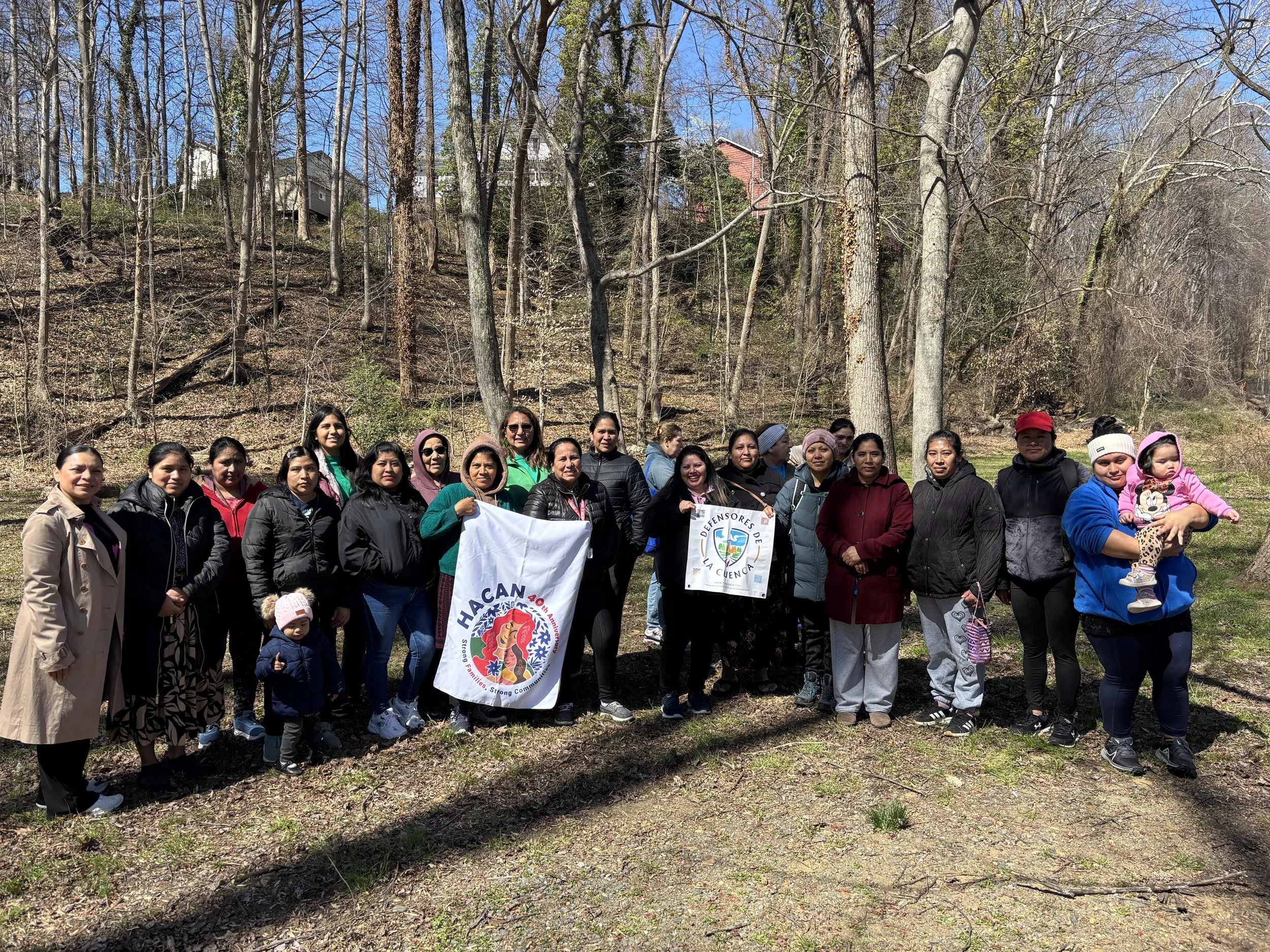
We work to engage communities in watershed related issues by creating opportunities to have fun, positive connections to nature. Our goal is community level capacity building to empower Latino and immigrant communities throughout the six states of the Chesapeake Bay Watershed. We focus experiential education, self-advocacy, and grassroots leadership to protect local watersheds while advancing social and environmental equity.
How has funding from a Sharing Community Initiative impacted the work you do? Feel free to share any brief examples of projects or outcomes you've seen over the past year. We'd love to hear about specific programs, milestones, or people whose lives have been changed.
The Sharing Communities Initiative is helping Defensores de la Cuenca expand its reach to more communities in Northern Virginia by strengthening partnerships and increasing visibility among underserved populations. At the same time, the initiative is building DDLC’s internal capacity by supporting organizational development, leadership growth, and the systems needed to sustain long-term impact. This support has allowed us to continue our Embajadores de los Árboles (Tree Ambassadors) program that empowers community members to become trusted messengers who share knowledge about the importance of trees with their friends, family, and broader networks, amplifying local impact through peer-to-peer education and action.
For First-Time Sharing Partners, what excites you most about joining the Sharing Community network? Beyond the funding itself, what does this partnership mean to your organization?
Joining the Sharing Communities network is exciting because it gives us the support to grow as an organization—building internal capacity, engaging more people, and inviting our community to connect with nature while strengthening relationships with one another. Beyond the funding, this partnership represents a deeper investment in our long-term sustainability and our ability to lead meaningful, community-driven change. It feels energizing and affirming to be part of a network of nonprofits and donors working together toward a shared purpose of equity, environmental stewardship, and collective impact.
This past year has brought no shortage of change for nonprofits and the communities they serve. What has that looked like for your organization — and what's helped you keep moving forward?" Feel free to share as much or as little as you're comfortable with.
This past year has been marked by heightened fear and uncertainty in the immigrant communities we serve, and we have had to be intentional about creating safe, welcoming spaces while continuing our work. Despite these challenges, the positive feedback from participants—who tell us our programs bring joy, connection, and a meaningful outlet—has kept us grounded and motivated to keep moving forward.
What gives you hope right now — about your community, your organization, or the work ahead? What are your dreams for the future?
What gives us hope right now is the strength and resilience of our community—the people we serve continue to show up, support one another, and find inspiration in building connections despite challenges. Our dream for the future is to create a strong, independent network that better serves our community’s needs, rooted in trust, shared leadership, and access to nature and resources for all.
-
Which Communities/Neighborhoods do you serve?
Silver Spring, Takoma Park, Wheaton, East Silver Spring, Aspen Hill, Rockville, Gaithersburg
In 2-3 sentences, please briefly describe the mission of your organization
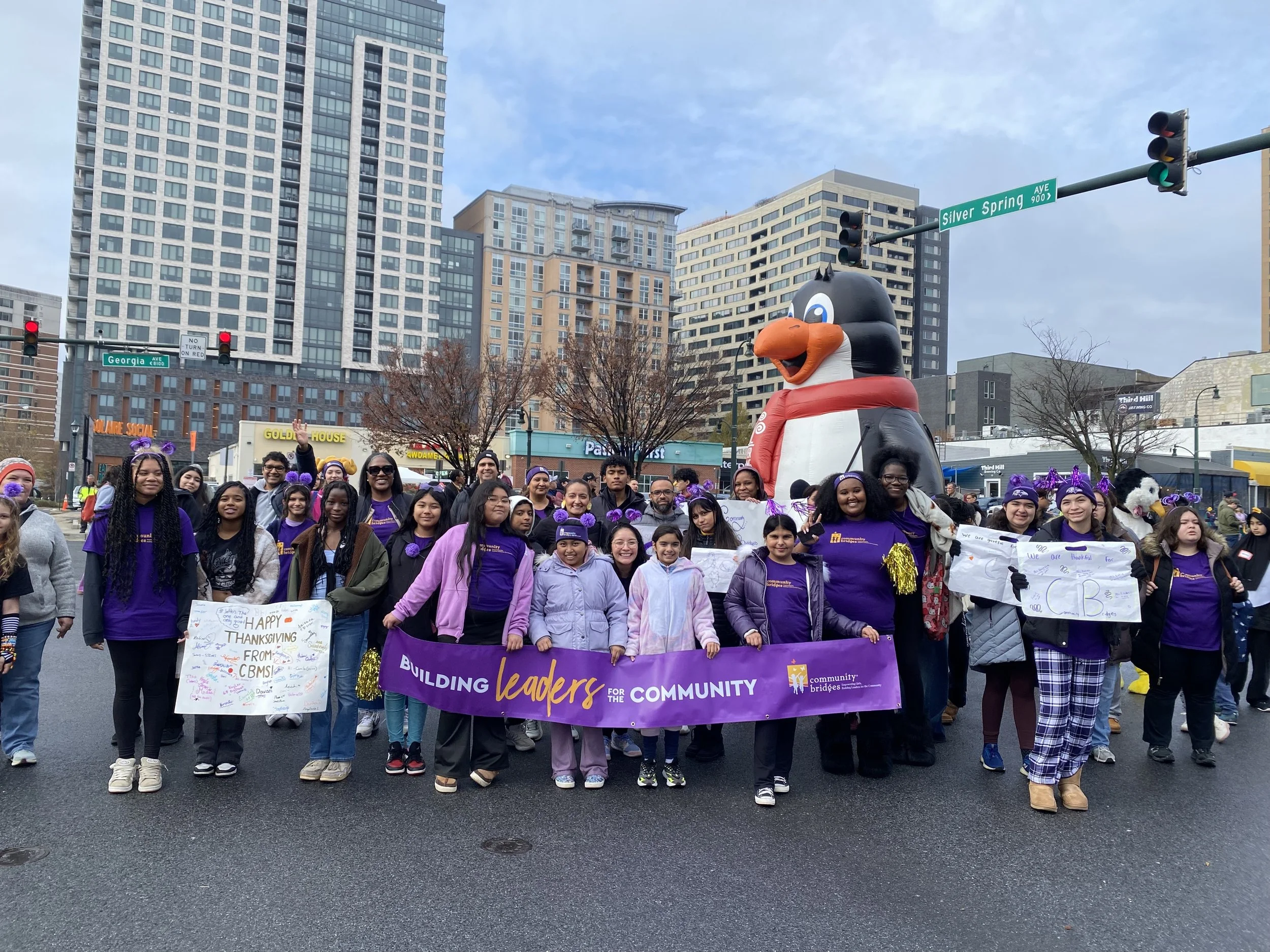
Community Bridges empowers girls from under-resourced communities to become resilient young women who thrive as students, engaged community members, and confident leaders. Through year-round programming, we provide academic support, mentoring, leadership development, and college and career readiness, while also engaging families with resources and workshops that strengthen the entire community. Our holistic approach ensures girls have the tools, confidence, and support systems they need to succeed in school and beyond.
How has funding from a Sharing Community Initiative impacted the work you do? Feel free to share any brief examples of projects or outcomes you've seen over the past year. We'd love to hear about specific programs, milestones, or people whose lives have been changed.
Funding from the Sharing Community Initiative has strengthened our ability to meet girls where they are, ensuring they have consistent access to academic support, mentoring, and critical resources that make long-term success possible. The impact of this investment is clear: since 2015, 100% of our girls have graduated high school and 100% have gone on to college, most as first-generation students, and to date, 80% have earned their college degrees.
One middle school student, Mayda, came to us struggling academically and emotionally, falling behind in reading and losing confidence. She attends our Community Bridges girls program every week with her peers, building both skills and a sense of belonging. Through consistent tutoring, family advocacy, and access to academic testing, she was diagnosed with dyslexia and ADHD, something that had previously gone unidentified. With the right supports in place, including weekly tutoring, she has made tremendous progress this year. In fact, her improvement has been so significant that she was able to exit her reading intervention class and rejoin band, something she really loves, restoring not just her academic trajectory, but her confidence and joy in school.
This past year has brought no shortage of change for nonprofits and the communities they serve. What has that looked like for your organization — and what's helped you keep moving forward?" Feel free to share as much or as little as you're comfortable with.
This past year has brought significant uncertainty for the families we serve, particularly around immigration. Many of our girls are navigating the fear and instability that comes with having loved ones detained or facing deportation, deeply impacting their mental health, school attendance, and overall well-being.
Let me share the story of Rosa and her daughter Wendy. Last December, Rosa’s husband was detained, leaving her to care for Wendy alone. Overnight, she faced impossible choices, pay rent, feed her family, and figure out how to keep Wendy in school and connected to Community Bridges. Community Bridges stepped in to provide rent assistance, connect her to food resources, and help her secure employment. Today, we continue to provide intensive case management and wraparound services for several families like Rosa’s, ensuring they not only survive, but have a path forward. Stories like theirs reflect how our work has had to evolve and how our commitment to standing alongside families in crisis has only deepened.
What gives you hope right now — about your community, your organization, or the work ahead? What are your dreams for the future?
What gives me hope right now is the resilience of the girls and families we serve, and the way our community continues to show up even in the face of uncertainty. Every day, I see young women choosing to lead, to persist, and to believe in futures that once felt out of reach. I also see staff, partners, and supporters stepping up in new and meaningful ways, reminding me that we are not doing this work alone.
My hope for the future is that Community Bridges continues to deepen our impact, expanding access to our programs so more girls can benefit from the same life-changing opportunities, while strengthening the support we provide to families. I dream of a future where every girl we serve not only graduates from college, but steps confidently into leadership roles, breaking cycles of poverty and creating lasting change in her community.
-
Which Communities/Neighborhoods do you serve?
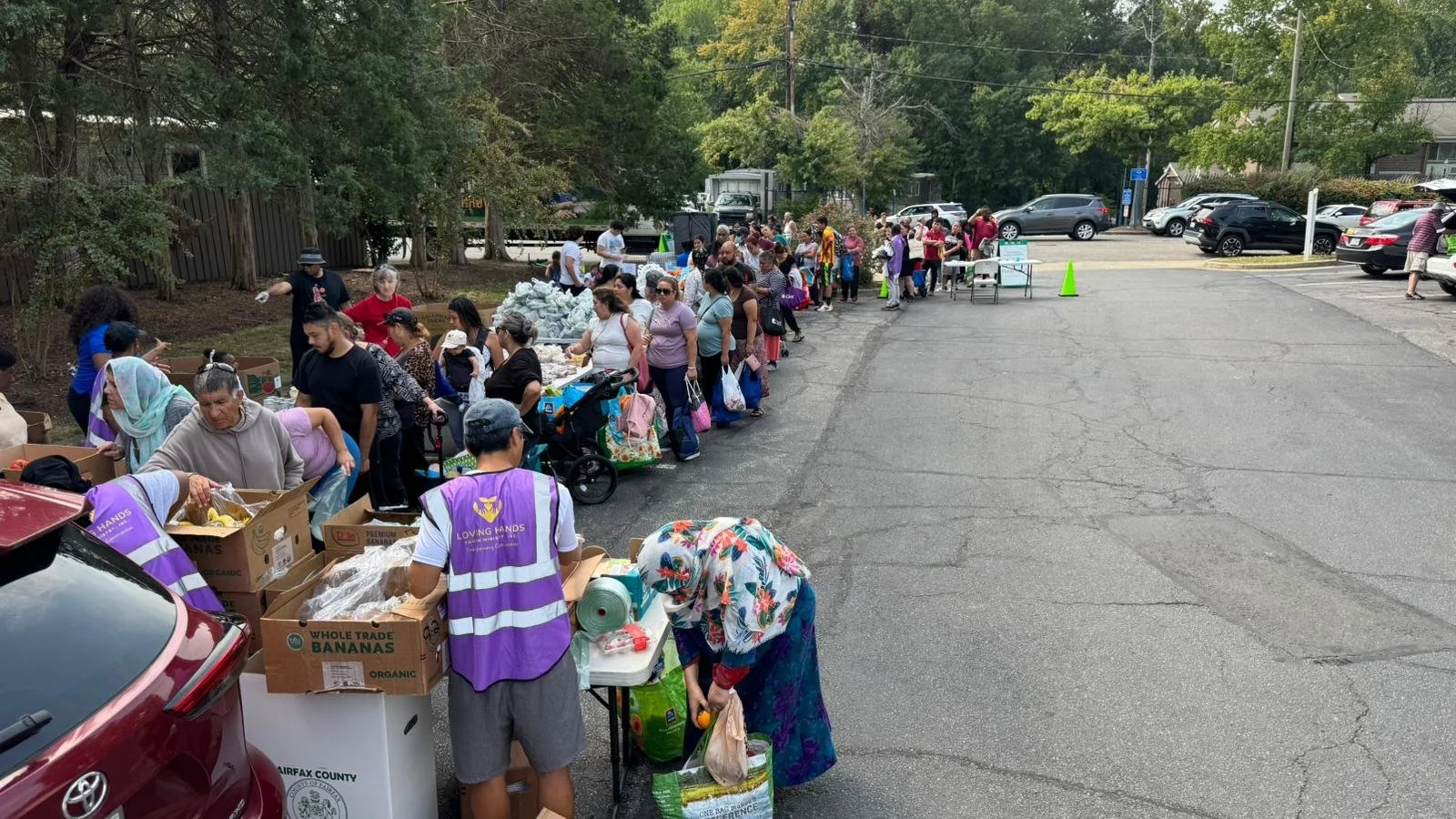
Loving Hands Touch Ministry, Inc. serves communities in Bailey’s Crossroads, the Route 1 Corridor, Culmore, Springfield, and Annandale. We work closely with underserved and low-income neighborhoods within these areas, providing food access, youth development, health and wellness support, and community outreach services.
In 2-3 sentences, please briefly describe the mission of your organization
Loving Hands Touch Ministry, Inc. is committed to touching families and transforming communities by addressing food insecurity, promoting health and wellness, and empowering youth and families through leadership development and outreach programs. We provide compassionate, community-based support that connects individuals to essential resources while fostering self-sufficiency and resilience.
How has funding from a Sharing Community Initiative impacted the work you do? Feel free to share any brief examples of projects or outcomes you've seen over the past year. We'd love to hear about specific programs, milestones, or people whose lives have been changed.
Funding from the Sharing Community Initiative has had a meaningful impact on our ability to expand services and deepen our reach in Bailey’s Crossroads and along the Route 1 Corridor. With this support, we strengthened our weekly food distribution and have seen a continued increase in the number of families seeking food assistance. During these distributions, we also provide information and guidance on available county resources, helping families access services related to housing, healthcare, and social support.
We have provided ongoing assistance to seniors, including transportation to medical appointments. One senior shared that, through our support, she has been able to consistently attend her dialysis treatments and follow her prescribed dietary plan, which has been essential to maintaining her health and stability.
We are also seeing increased youth engagement, particularly along the Route 1 Corridor, with more young people participating in our weekly leadership meetings. These sessions cover drug deterrence, healthy nutrition, family planning, and intergenerational communication between youth and older adults, fostering stronger relationships and informed decision-making.
In addition, we provide educational resource funding opportunities, public service fellowship training, and community volunteerism opportunities, helping individuals—especially youth—build skills, gain experience, and become active contributors in their communities. Notably, three of our 11th-grade students have applied to the 2026 Governor’s Fellowship Program in Public Service (June 8–July 31), reflecting growing confidence, leadership, and civic engagement among our youth.
Our minority women business development and sustainability program has also empowered several women to launch and successfully manage their own small businesses, creating income opportunities and strengthening their families.
These outcomes reflect the true impact of the funding—meeting immediate needs while building long-term resilience, leadership, and stronger community connections.
For First-Time Sharing Partners, what excites you most about joining the Sharing Community network? Beyond the funding itself, what does this partnership mean to your organization?
Joining the Sharing Community network excites us because it represents more than funding—it is an opportunity to be part of a collaborative ecosystem of organizations and donors united by a shared commitment to community impact. Being connected to others who are addressing similar challenges allows us to learn, share best practices, and strengthen our work through collective knowledge and support.
This partnership affirms that we are not working in isolation. It creates space for collaboration, visibility, and shared solutions, which are critical as we continue to expand our services across Bailey’s Crossroads, the Route 1 Corridor, and surrounding communities. It also opens doors to relationships that can enhance our sustainability, including partnerships in development, outreach, and resource sharing.
For our organization, being part of this network feels both encouraging and empowering. It reinforces that our work is seen, valued, and supported by a broader community that believes in transforming lives. As we celebrate our 10-year milestone and work toward establishing a physical “Home for Hope,” this partnership gives us confidence that we are part of something larger—a community working together to create lasting, meaningful change.
This past year has brought no shortage of change for nonprofits and the communities they serve. What has that looked like for your organization — and what's helped you keep moving forward?" Feel free to share as much or as little as you're comfortable with.
This past year has brought significant change for our organization and the communities we serve, particularly due to the ongoing economic climate and the impact of the government shutdown. We have seen a noticeable increase in demand for our services, especially among seniors, families without transportation, and low-income households facing food insecurity. At the same time, funding streams have become less predictable, and despite increased efforts in fundraising, grant writing, and donor engagement, we did not fully meet our projected revenue goals.
What has helped us keep moving forward is our strong, committed volunteer base and deep community partnerships. Because our model is largely volunteer-driven, we have been able to continue delivering essential services while directing all available resources toward program impact. We also remained adaptable—expanding outreach into new communities, strengthening our food distribution efforts, and integrating services such as health and wellness education, youth leadership development, and support for seniors.
Most importantly, the resilience of the community itself has been a driving force. We are seeing youth step into leadership roles, volunteers emerging from within the communities we serve, and families supporting one another in meaningful ways. This shared commitment has allowed us not only to sustain our work but to continue growing and responding to evolving needs with purpose and compassion.
What gives you hope right now — about your community, your organization, or the work ahead? What are your dreams for the future?
What gives us hope right now is the resilience and growing leadership within the communities we serve. We are seeing youth step forward with confidence, volunteers emerging from within the community to take on leadership roles, and families supporting one another in ways that strengthen trust and connection. These moments remind us that even in challenging times, there is a strong desire for growth, unity, and positive change.
We are especially encouraged by our youth—many of whom are not only participating in leadership programs but are also reaching their peers, raising awareness, and pursuing opportunities such as public service fellowships. This gives us hope that the next generation is prepared to lead with purpose and compassion.
As we celebrate our 10th anniversary this year, our goal is to secure and operate our own dedicated space with the support of sponsors and donors—a physical “Home for Hope.” This space will allow us to expand and sustain our services, including food access, youth development, community gardens, health and wellness programs, and small business support for women. We envision it as a central hub where families can access resources, build skills, and feel supported in a safe and welcoming environment.
Ultimately, what gives us hope is knowing that this work is not just about meeting immediate needs—it is about transforming lives, empowering communities, and creating lasting impact for generations to come.
-
Which Communities/Neighborhoods do you serve?
Emma’s Torch serves refugees, asylees, and survivors of human trafficking across the Washington, DC metropolitan area, including Montgomery County. A significant portion of our students live in East County and surrounding areas, and with our expansion to Silver Spring, we are deepening our reach among low-income residents throughout the county.
In 2-3 sentences, please briefly describe the mission of your organization
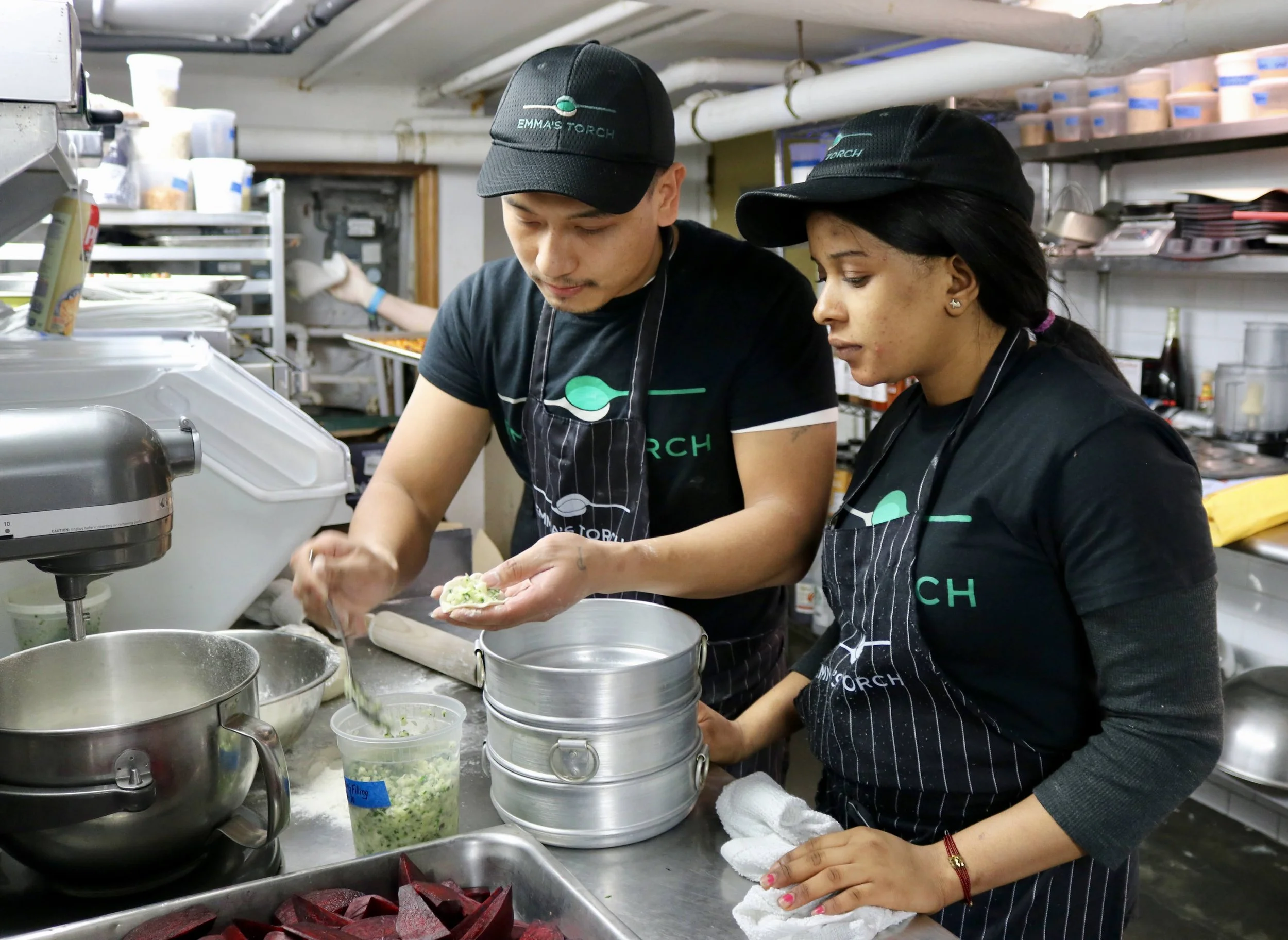
Emma’s Torch is a nonprofit social enterprise that empowers refugees, asylees, and survivors of human trafficking through culinary training and workforce development. Our full-time, paid Culinary Training Program equips students with professional skills, English language support, and job readiness training, preparing them for long-term, upwardly mobile careers in the culinary industry.
How has funding from a Sharing Community Initiative impacted the work you do? Feel free to share any brief examples of projects or outcomes you've seen over the past year. We'd love to hear about specific programs, milestones, or people whose lives have been changed.
Funding from the Sharing Community Initiative makes it possible for us to expand access to our Culinary Training Program for low-income residents in Montgomery County. This support directly contributes to student wages, hands-on training, and the infrastructure needed to deliver a high-quality, trauma-informed program.
One of our alumni, Zahra, graduated from Emma's Torch with Cohort 16 and got a barista job at the Jazz Cafe at the Smithsonian National Museum of American History. Her supervisor shared that most employees will take a shift or 2 to observe and learn, but Zahra jumped right in on day 1 to start making drinks. She loves her job, and her employer has since asked her to recommend additional Emma’s Torch graduates for open roles, an incredible testament to her success and the strength of our program. Zahra participated in our programming while we were based in D.C., but is a resident of Montgomery County.
For First-Time Sharing Partners, what excites you most about joining the Sharing Community network? Beyond the funding itself, what does this partnership mean to your organization?
Our work has always been rooted in collaboration for a simple reason: when we work together, we are more effective in making an impact. We are excited to join a network that brings together nonprofits and supporters around a shared commitment to strengthening our community. We have already been humbled by how welcoming the greater Montgomery County community has been as we prepare to launch our work in Silver Spring, and we are so grateful for Sharing Montgomery’s role in that.
Beyond funding, our partnership affirms that supporting refugees in building meaningful careers is valued and worth investing in. Being part of this community strengthens not only our program but also the broader ecosystem of support for the communities we serve. Particularly as we move into a new community and get settled in Silver Spring, it is incredibly meaningful to be connected to a network with such deep roots.
This past year has brought no shortage of change for nonprofits and the communities they serve. What has that looked like for your organization — and what's helped you keep moving forward?" Feel free to share as much or as little as you're comfortable with.
Over the last year, sweeping federal policy shifts have significantly changed the refugee resettlement landscape and destabilized many of the systems refugees, asylum seekers, and other new arrivals have historically relied on. The loss of support like SNAP, work authorization restrictions, and a strained social services landscape have all made it increasingly difficult for refugees to afford basic needs, rebuild their lives with autonomy, and enter a pathway to economic mobility.
Despite this increasingly hostile environment, what hasn’t changed – and what will never change – is our dedication to the mission. We will always provide training, career development, and a supportive community to our students and alumni and are proud to help bridge the opportunity gap and offer a path toward stability and upward mobility. By adapting our program, investing in trauma-informed care, and strengthening employer partnerships, we’ve been able to continue delivering meaningful outcomes despite a shifting landscape.
What gives you hope right now — about your community, your organization, or the work ahead? What are your dreams for the future?
What gives us hope is the resilience and determination of our students. Every day, we see individuals overcoming significant barriers and building new lives with confidence and purpose just to show up to our programming. We are also inspired by the incredible partners we work alongside. At a time when our newest neighbors are facing heightened challenges, it is powerful to be part of a community of organizations and individuals who are standing alongside them.
-
Which Communities/Neighborhoods do you serve?
Gaithersburg, Montgomery Village, Germantown.
In 2-3 sentences, please briefly describe the mission of your organization
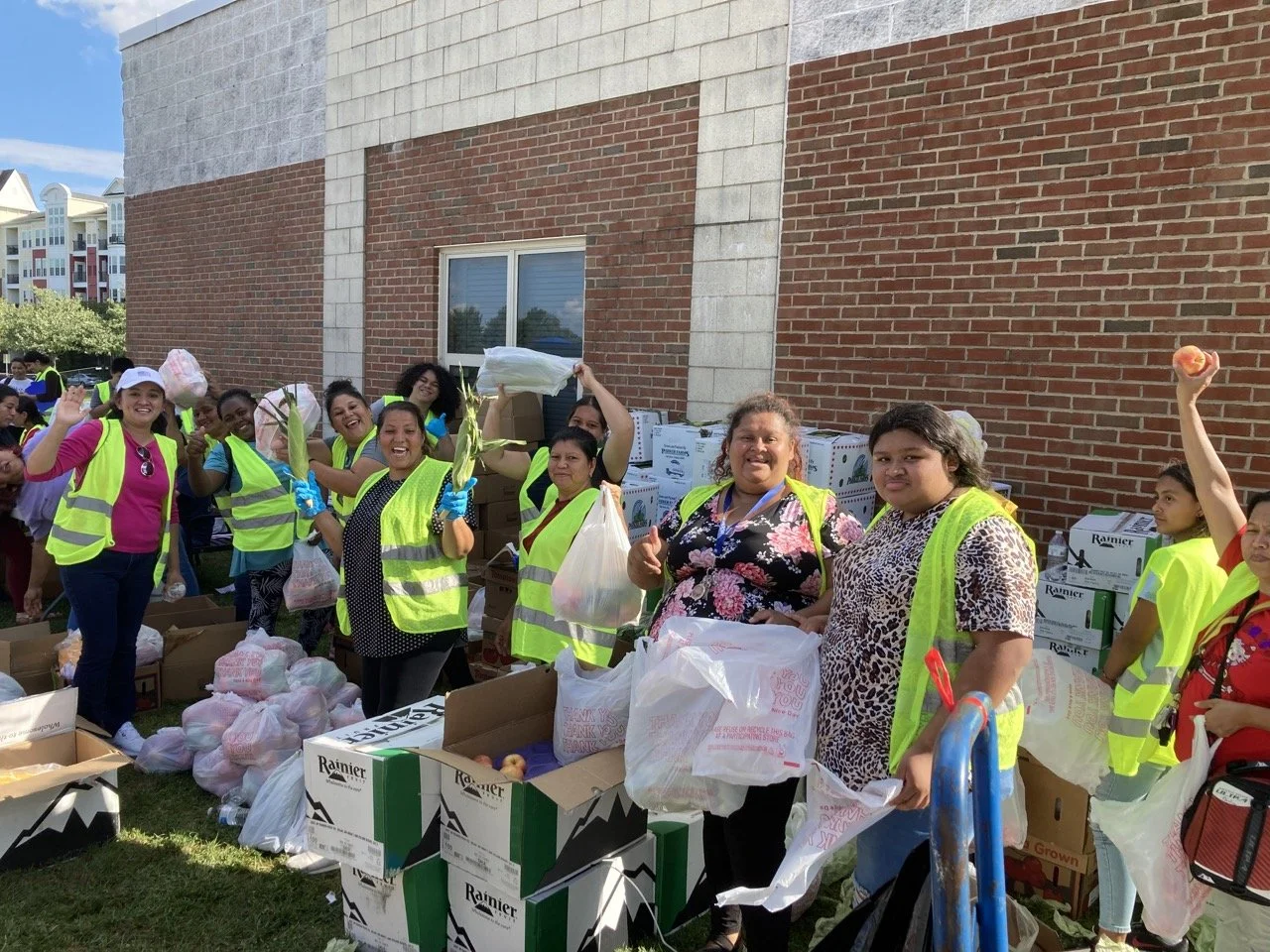
Cross Community exists to build a more connected and sustainable community that creates pathways to long-term stability and self-determination for underserved families in Montgomery County.
The Equity Center is a community service and social enterprise endeavor, formed by Cross Community Inc., serving particularly vulnerable and historically marginalized communities in Montgomery County, Maryland.
For First-Time Sharing Partners, what excites you most about joining the Sharing Community network? Beyond the funding itself, what does this partnership mean to your organization?
As an organization that highly values and integrates strategic collaboration, we are delighted to be able to join our network and learning with the broader work of the GWCF and Sharing Montgomery Network. We believe this will make us more effective and we look forward to contributing our knowledge and resources in the mutual effort to positively impact and improve the lives of the underserved community in Montgomery County.
This past year has brought no shortage of change for nonprofits and the communities they serve. What has that looked like for your organization — and what's helped you keep moving forward?" Feel free to share as much or as little as you're comfortable with.
The past year asked a hard question for organizations like ours: when the ground shifts beneath the communities you serve, how do we respond? For us, the answer has been keep going and go deeper. Our response has been to stay close, stay practical, and stick to our core values to practice and promote dignity, freedom, solidarity, and accompaniment.
Our VITA tax clinics kept helping low-income working families claim refunds and credits that make a real difference in how they get through the year. Our ESOL and workforce programs gave neighbors pathways toward greater economic security. Our breastfeeding and women's health support showed up for mothers who needed both practical help and someone in their corner. And our early childhood initiative moved us closer to meeting a critical and long-underfunded need for quality early care in Upcounty.
At Gaithersburg High School, we continued cultivating Calmer Schools through trauma-informed care and mental health support, because we know that equity in education isn't just about what's taught — it's about whether a young person feels safe and seen enough to learn.
But this year also asked us to look forward, not only to hold ground but to build new ground. The Well Center — a nearly 12,000-square-foot community facility in the heart of Upcounty is scheduled to open June of this year. The Well Center represents what is possible when you believe deeply enough in a community to invest in the infrastructure it deserves: a consolidated hub where neighbors can access early child learning, resources and services, find connection, and experience the kind of dignified welcome that changes what people believe about themselves and what's available to them.
The second is the SEED Network — our social entrepreneur network designed to cultivate place-based economic power in the communities we serve. Through SEED, we are walking alongside entrepreneurs who are building businesses rooted in their neighborhoods, creating jobs, and modeling what it looks like when economic opportunity is grown from within.
What has kept us moving forward is what has always defined us: the conviction that when we build bridges and remove barriers, people flourish. Our model builds on collaboration across nonprofits, faith communities, government, and local partners. When one door gets harder to walk through, we work together to find another.
What gives you hope right now — about your community, your organization, or the work ahead? What are your dreams for the future?
I love this question as we need to remember why we work so hard to bring about positive change in the midst of so many challenges. The thing that continues to shine brightly and gives hope are the remarkable and generous people we get to work with, the many volunteers that show up at every event, the partners that contribute time and expertise, the community members who work so hard and cooperate so well even in the midst of personal struggle and need. Our dream is to build a more just and gentle world and in the faces, the expressions of thanks, and the cooperation given, we see glimmers of progress towards that goal on a regular basis, especially when we take the time to see and reflect.
-
Which Communities/Neighborhoods do you serve?
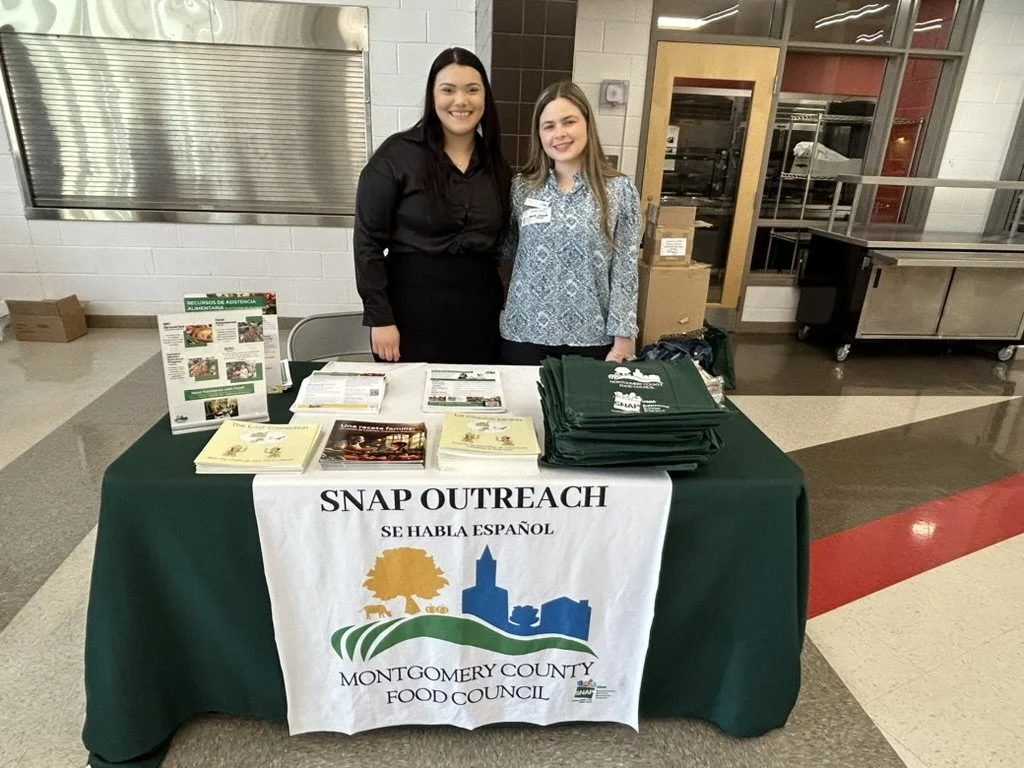
The Montgomery County Food Council serves residents across Montgomery County, working countywide to strengthen the local food system and improve food security. Our programs are designed to reach communities most impacted by food insecurity, including neighborhoods with high concentrations of low-income households, immigrant and mixed-status families, older adults, and individuals with disabilities. Our direct services, such as food resource navigation and benefits assistance, are available to residents throughout the county. We also support a broad network of over 75 food assistance providers, farms, and community organizations that collectively serve more than 100,000 residents in need each day.
In 2-3 sentences, please briefly describe the mission of your organization
The mission of the Montgomery County Food Council is to build an equitable, resilient, and sustainable food system in Montgomery County through collaboration, transformation, and cultivation. We work to improve access to healthy food, support local agriculture, reduce food waste, and strengthen the network of partners addressing food insecurity. Our vision is a food system that supports the health of our community, economy, and environment.
How has funding from a Sharing Community Initiative impacted the work you do? Feel free to share any brief examples of projects or outcomes you've seen over the past year. We'd love to hear about specific programs, milestones, or people whose lives have been changed.
Funding from the Sharing Community Initiative has helped sustain the foundation of the Montgomery County Food Council’s work across Montgomery County, allowing us to expand both direct services and system-level solutions to food insecurity. Over the past year, this support contributed to the development and growth of our online Food Assistance Resource Directory, which received more than 53,000 visits, connecting thousands of residents to nearby food and social service resources. It also helped us reach over 5,500 low-income residents through SNAP trainings and community outreach, and support more than 2,100 households with individualized assistance. Our bilingual Food Resource Specialists assist residents in applying for multiple nutrition benefit programs, navigating local food resources, and connecting to additional social services, thereby ensuring consistent access to nutritious food while reducing financial stress.
For First-Time Sharing Partners, what excites you most about joining the Sharing Community network? Beyond the funding itself, what does this partnership mean to your organization?
What excites us most about joining the Sharing Community network is the opportunity to be part of a collaborative community that shares a deep commitment to equity and ensuring all residents of Montgomery County have access to nutritious food. Beyond the funding itself, this partnership strengthens our ability to connect with other nonprofits and concerned residents, share knowledge, and align efforts to create more coordinated, community-driven solutions to food insecurity. Being part of this network means joining a group of organizations and supporters willing to collaborate and work toward lasting change. It reinforces that we are not working in isolation, but as part of a broader movement working together to build a more resilient, inclusive, and sustainable food system.
This past year has brought no shortage of change for nonprofits and the communities they serve. What has that looked like for your organization — and what's helped you keep moving forward?" Feel free to share as much or as little as you're comfortable with.
This past year has brought significant change for the Montgomery County Food Council and the communities we serve across Montgomery County. Shifts in federal policy, particularly changes to SNAP under H.R. 1, have made it more difficult for residents to access critical nutrition benefits, while also reducing the level of federal funding available to support outreach efforts. At the same time, we are seeing sustained and growing demand for food assistance, especially among immigrant and mixed-status households navigating complex eligibility requirements and heightened barriers to accessing services. What has helped us keep moving forward is the strength of our partnerships and our deep connection to the community. By working closely with food assistance providers, government partners, and residents, we are able to stay responsive to emerging needs, adapt our services, and continue connecting people to the resources they need to stay food secure.
What gives you hope right now — about your community, your organization, or the work ahead? What are your dreams for the future?
What gives us hope right now is the strength and resilience of the community across Montgomery County. From the residents we serve to the network of food assistance providers, farmers, and partners who show up every day to support one another, we continue to see growing collaboration, innovation, and a shared commitment to ensuring that everyone has access to nutritious food, even in the face of ongoing challenges. Looking ahead, our dream is a truly equitable and resilient local food system where all residents can reliably access the food they need, local farms are thriving and sustainable, and surplus food is recovered and redirected to those who need it most. We envision a future where community voices, especially those with lived experience, help shape policies and programs, leading to lasting, systemic change.
-
Which Communities/Neighborhoods do you serve?
Families, or households with minor children, experiencing homelessness in Montgomery County.
In 2-3 sentences, please briefly describe the mission of your organization
Stepping Stones Shelter exists to provide a safe haven and pathway to stability for families experiencing homelessness in Montgomery County. Founded in 1982 as the county’s first shelter for families with children, we serve as a critical safety net for those who have lost their homes and have nowhere else to turn. We offer safe shelter, nutritious meals, and intensive case management that addresses the barriers preventing families from achieving lasting housing stability.
How has funding from a Sharing Community Initiative impacted the work you do? Feel free to share any brief examples of projects or outcomes you've seen over the past year. We'd love to hear about specific programs, milestones, or people whose lives have been changed.
Over the Christmas holiday, a Vice Principal from a local private school stopped by Stepping Stones with arms full of gifts and urgent needs collected by her students for the families we serve. What began as a simple drop-off quickly became something much more powerful. After a few minutes of conversation, she shared that this visit marked a full-circle moment: 15 years ago, she was a resident at Stepping Stones, here with her six-month-old daughter. She reflected on the friendships she still holds with women she met during her stay in 2010 and how the stability, support, and compassion she received gave her the leg up she needed at a critical moment in her life. Today, she’s raising a teenager of her own and hopes to return—this time as a volunteer—so her daughter can understand both the real world and the journey that shaped her mother. Moments like these serve as a powerful reminder that support given today creates ripple effects that last for years.
This past year has brought no shortage of change for nonprofits and the communities they serve. What has that looked like for your organization — and what's helped you keep moving forward?" Feel free to share as much or as little as you're comfortable with.
Stepping Stones remains healthy and strong. We have concerns about governmental funding, but remain hopeful Montgomery County will continue to support families.
What gives you hope right now — about your community, your organization, or the work ahead? What are your dreams for the future?
Stepping Stones has shortened the average length of stay of families this fiscal year, which means families are moving on quicker and we are able to cut into the wait list more rapidly for families needing shelter. We are also excited about the prospect of serving a new population, pregnant women without children experiencing homelessness.
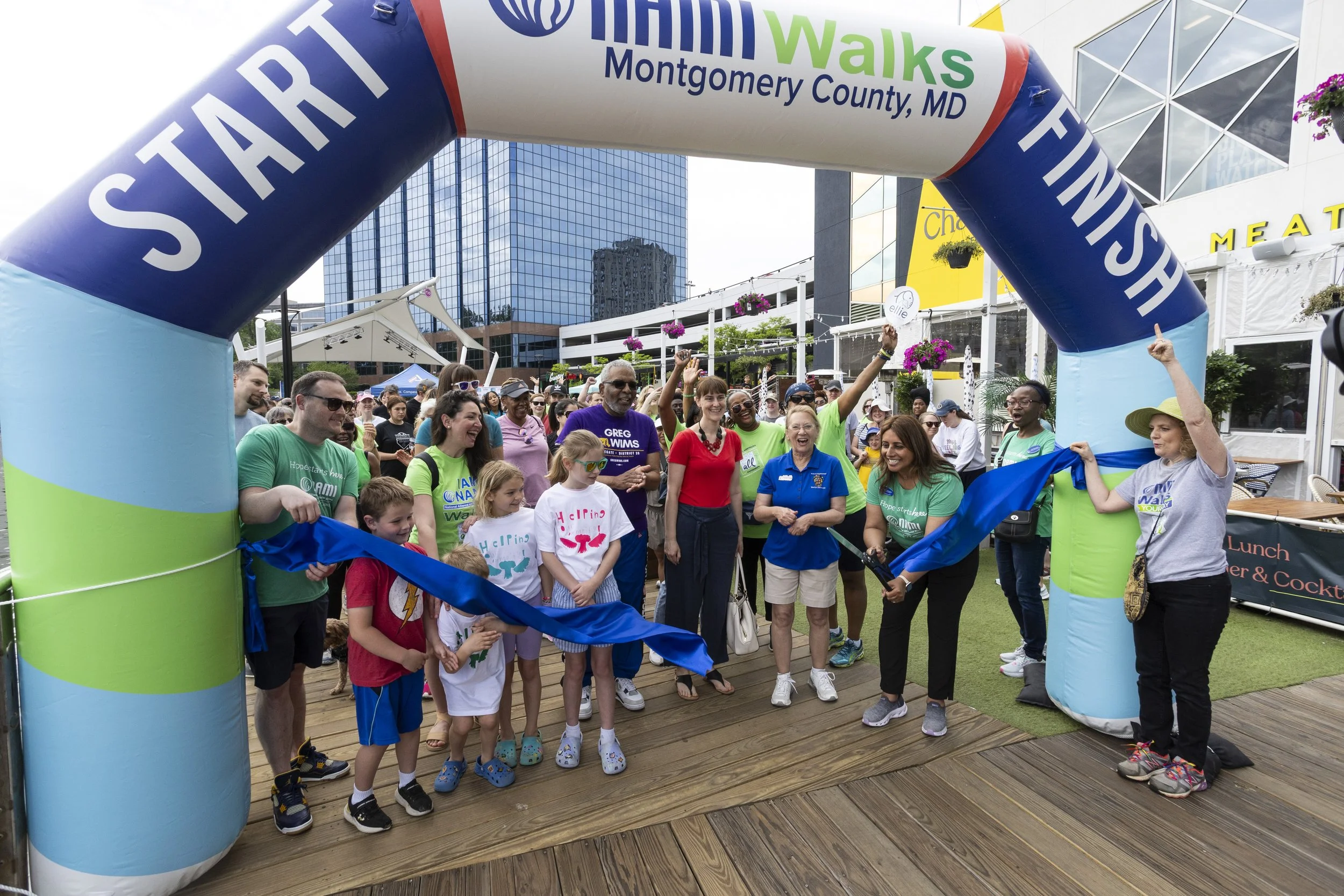
-
Which Communities/Neighborhoods do you serve?
Primary service area: Montgomery County, Maryland
In 2-3 sentences, please briefly describe the mission of your organization
NAMI Montgomery County (NAMI MC) builds communities of peers to provide support, education, and advocacy for all affected by mental illness. We envision a future where all people affected by mental illness live healthy, fulfilling lives supported by a community that cares.
How has funding from a Sharing Community Initiative impacted the work you do? Feel free to share any brief examples of projects or outcomes you've seen over the past year. We'd love to hear about specific programs, milestones, or people whose lives have been changed.
Funding from the Sharing Community Initiative has significantly strengthened our ability to expand access to our programs and serve more individuals each year. With this support, we have increased both the number of programs offered and the number of participants reached, ensuring that more individuals and families have access to free, evidence-based mental health education and support.
Over the past year, this funding has allowed us to enhance our outreach efforts, resulting in greater community awareness and higher program enrollment. For example, expanded digital outreach and participation in local events led to increased attendance in our classes and support groups, many of which reached capacity. We have also been able to recruit and train additional volunteers, enabling us to offer more programs and reduce wait times for participants.
Additionally, funding has strengthened our ability to track outcomes and respond to participant needs. Through improved data collection and follow-up, we have seen increased engagement and positive feedback from participants, many of whom report feeling more supported and better equipped to manage mental health challenges.
Overall, the Sharing Community Initiative has played a critical role in helping us grow sustainably, deepen our impact, and reach more people year over year with vital mental health resources.
“In 2014, I came to NAMI Montgomery County at one of the lowest points in my life—after hospitalization, unable to work, and unsure of my future. Through NAMI Connection Recovery Support Group and the NAMI Peer-to-Peer class, I found understanding, community, and the tools to rebuild my life. Today, I’m honored to give back as a facilitator, helping others find the same hope that NAMI gave me.” - NAMI MC Volunteer
This past year has brought no shortage of change for nonprofits and the communities they serve. What has that looked like for your organization — and what's helped you keep moving forward?" Feel free to share as much or as little as you're comfortable with.
This past year has brought increased demand and heightened competition across the nonprofit sector, and we have felt both. While changes in federal funding have not directly impacted our organization, they have significantly increased competition for the same funding sources we traditionally pursue. As a result, securing resources has become more challenging at a time when community needs continue to grow.
We have seen a notable rise in demand for our programs, with more individuals and families seeking mental health education and support. In response, we have expanded our programming—offering more classes and support groups and training additional volunteers to meet this need. Even with this growth, many of our programs continue to maintain waitlists, underscoring both the ongoing need and the value of these services.
What has helped us keep moving forward is our adaptability and strong community support. We have remained focused on strategic outreach, volunteer engagement, and efficient program delivery to maximize our impact. Our dedicated volunteers and partnerships have been essential in allowing us to scale services while maintaining program quality. Continued support from community-based funding sources, such as Greater Washington Community Foundation, has also been critical, enabling us to respond to increasing demand and ensure that individuals can access support when they need it most.
What gives you hope right now — about your community, your organization, or the work ahead? What are your dreams for the future?
What gives us hope right now is the resilience and compassion we continue to see across our community. Despite difficult and often unpredictable changes, it has been inspiring to witness individuals and organizations come together to support one another. There is a shared commitment to ensuring that no one faces challenges alone, and that sense of connection has only grown stronger over the past year.
Within our organization, we are encouraged by the increasing number of people seeking support and the willingness of volunteers to step forward and meet that need. The growth in our programs reflects both the demand and the trust the community places in our work.
Looking ahead, our dream is to continue expanding access so that anyone who needs support can receive it without delay. We hope to grow our programs to eliminate waitlists, reach more underserved populations, and further strengthen partnerships within the community. Ultimately, we envision a future where mental health support is accessible, normalized, and embraced, and where communities continue to come together to uplift and care for one another.
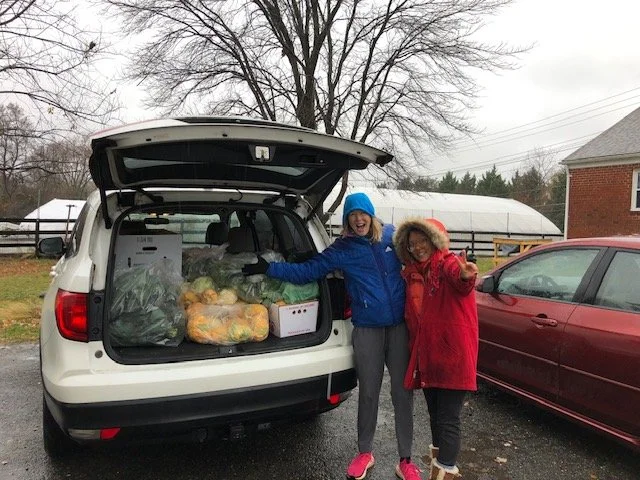
-
Which Communities/Neighborhoods do you serve?
We serve families in Montgomery County that are experiencing both food insecurity and diet-related chronic illnesses such as type 2 diabetes, obesity, hypertension, and heart disease. We partner with Montgomery County Public Schools (MCPS) and community health clinics refer identified individuals for us to serve through our Mobile Farm Markets and produce-bag home delivery. Currently we partner with 19 schools and 7 community health clinics across the county, reaching many Healthy Food Priority areas including Long Branch, White Oak, Wheaton, Aspen Hill, Rockville, Gaithersburg, Montgomery Village and Germantown.
In 2-3 sentences, please briefly describe the mission of your organization
Community FarmShare is building a connected, thriving, local food system by:
increasing equitable access to nutritious local foods,
supporting farm business sustainability,
and improving the health of our local communities.
We envision a world in which healthy communities are nourished by local farms.
How has funding from a Sharing Community Initiative impacted the work you do? Feel free to share any brief examples of projects or outcomes you've seen over the past year. We'd love to hear about specific programs, milestones, or people whose lives have been changed.
Last summer, we moved into our new Aggregation Hub in Gaithersburg! We have significantly increased in size from our single cold storage unit in a 600-square foot garage at Common Root Farm, one of our farm partners. At our new 3,000-square foot warehouse, we have two walk-in cold storage units as well as an office and meeting space.
This move has been transformative in enabling us to scale our work and impact. We were able to double the number of small-scale local farms we purchase from, which in turn enabled us to run more Mobile FARMacy Markets and reach more families in need. Increasing the number of mobile markets we run was a direct result of engagement and feedback from the community, who shared with us that the biggest barriers to eating fresh produce was physical and financial access. We answer that need by bringing markets TO the people and subsidizing the cost of the local produce. With their children, families shop at our markets after school, exposing their children to delicious farm produce that tastes great, too!
One Farm to School mom shared with us, “The help that you gave us is very important. Thanks to this program, I always have fresh vegetables at home for my family.”
In 2025, we served nearly 1,000 families through our Farm to School and Food is Medicine programs. This year, as a result of our increased storage capacity and number of school and clinic partnerships, we anticipate serving between 1,000 and 1,200 families.
This past year has brought no shortage of change for nonprofits and the communities they serve. What has that looked like for your organization — and what's helped you keep moving forward?" Feel free to share as much or as little as you're comfortable with.
Unfortunately, food insecurity and diet-related chronic illnesses – our two primary areas of focus – have only been exacerbated by recent changes across our communities. The increasing financial pressures due to job loss and higher cost of living have pushed low-income families even further into making difficult choices around food, housing, childcare, and healthcare. More people than ever are eligible for our Food is Medicine and Farm to School programs, even as available funding shrinks. When equitable access to health food shrinks, health risks – and all of the connected consequences – increase.
In these difficult times, we’ve seen people and organizations double down on their commitment to being changemakers for good. We are grateful to be part of a community in which our incredible volunteers, fellow food assistance providers, and our community health clinic and MCPS school partners respond to challenges head on with generosity and an appetite for problem-solving and collaboration. We all come together to help each other out. Our work would not be possible without our partners throughout the community, whether it’s volunteers taking on more home delivery routes when needed or adding on mobile market work shifts when staffing is stretched.
What gives you hope right now — about your community, your organization, or the work ahead? What are your dreams for the future?
We believe that small farms are the heart of healthy communities and the core of sustainable food systems and addressing food insecurity – and we’ve seen this firsthand. Our farm partners – several of whom are people of color – are seeing how recent changes are disproportionately affecting low-income communities, and they are responding by stepping up to grow more and support our work in farm-to-food assistance.
We continue to be optimistic that in difficult times, people come together to support each other, building new layers of resilience, community, and connection. We hope to support and foster that resiliency by continuing to make it easier for communities to access local produce, and to help small-scale local farmers thrive.
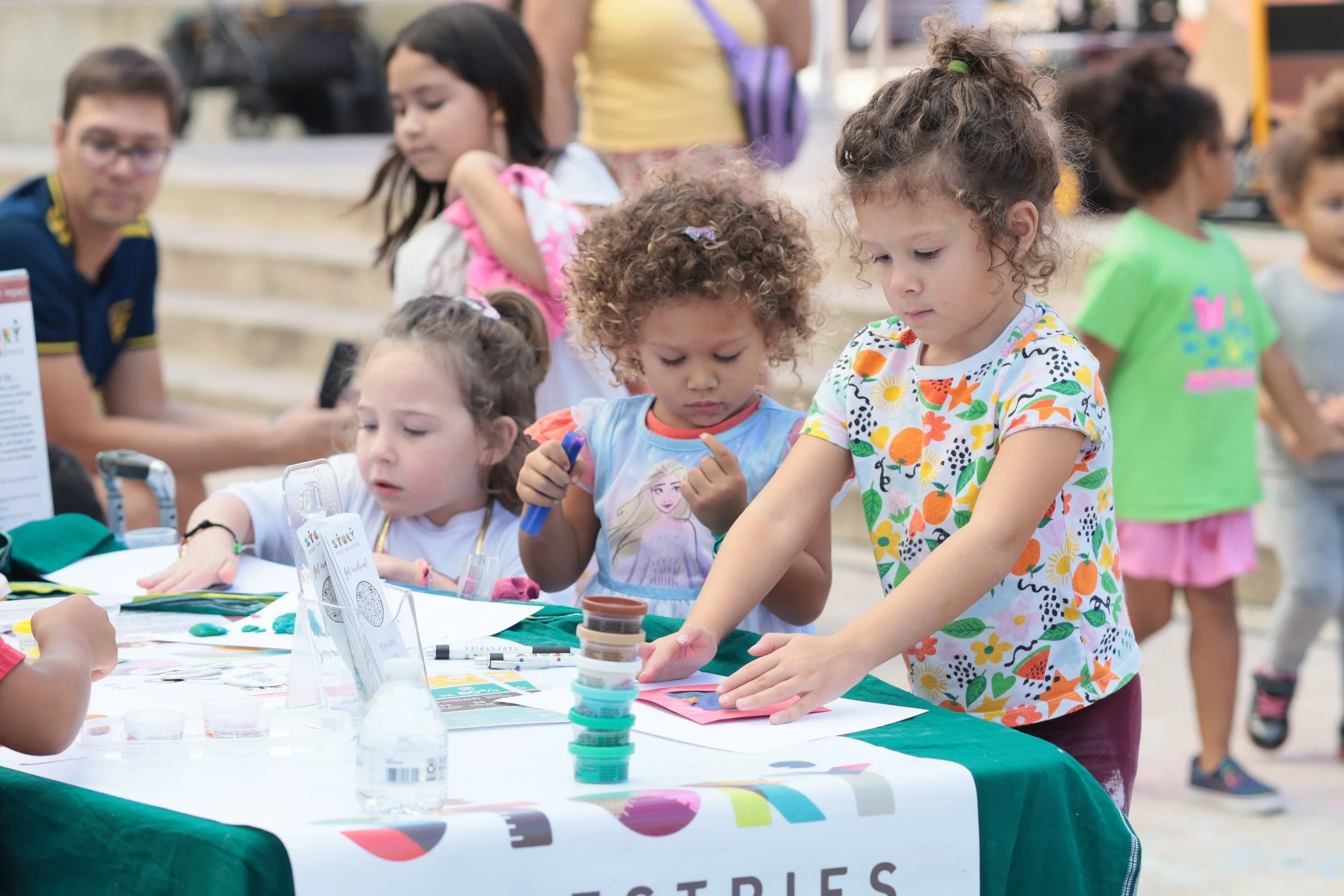
-
Which Communities/Neighborhoods do you serve?
Story Tapestries serves communities across the Greater Washington region, with a strong focus on Montgomery County’s highest-poverty areas—including Silver Spring, Germantown, Gaithersburg, Rockville, and Wheaton—guided by the County’s Zip Code Ranking Project. We also work throughout Prince George’s, Frederick, Anne Arundel, Wicomico, Baltimore City and County, and across all eight wards of Washington, DC, as well as Northern Virginia. Our programs serve all ages and prioritize communities with limited access to arts experiences, including multilingual households, low-income families, and individuals facing systemic barriers to education, wellness, and economic opportunity.
In 2-3 sentences, please briefly describe the mission of your organization
Story Tapestries ensures children, adults, seniors, and communities—especially those with the least access to arts experiences—engage with the transformative power of the arts. Through artist-led, community-designed programs, we elevate local stories, strengthen learning, and build pathways to personal and professional growth. By bringing people together through creative expression, we help build more inclusive, connected communities. Our programs develop skills, connect individuals, elevate diverse voices and celebrate youth, families, adults, and seniors, and engage and impact individuals where they live, work and thrive.
How has funding from a Sharing Community Initiative impacted the work you do? Feel free to share any brief examples of projects or outcomes you've seen over the past year. We'd love to hear about specific programs, milestones, or people whose lives have been changed.
Funding from a Sharing Community Initiative has been a critical resource in advancing CHART: a Path to Positive Mental Health, our arts-based program supporting social-emotional learning and wellness for students, educators, and families. These funds allow us to provide programming at no cost, ensuring equitable access for communities that need it most.
Basic Needs - Mental Health Access: In our most recent program year at Jackson Road ES, 98% of participating students demonstrated improved self-regulation skills, and teachers reported a reduction in behavioral incidents requiring counselor intervention. These outcomes mean students are better able to focus on learning, while families experience fewer moments of crisis and instability at home.
Economic Mobility - Educator Advancement: In 2024–25, 382 educators participated in professional development, with 55 receiving individualized coaching. Early childhood educators earned MSDE credentials, qualifying them for wage increases averaging 15–20%. This investment has a dual benefit, as it not only strengthens classroom instruction but also supports long-term financial stability for educators and their families.
Stability & Wealth Building - Family Engagement: Our Family Night programs regularly engage 150+ family members, with a spring 2025 STEAM Night at Jackson Road ES bringing together 330 participants. 100% of caregivers reported that their children increased their ability to express themselves creatively, gained access to arts-based tools to support social-emotional learning at home, and would recommend Story Tapestries’ programs to others.
Together, these outcomes demonstrate how Sharing Community support strengthens mental health, builds economic opportunity, and deepens family and community connections—creating lasting impact well beyond the classroom.
This past year has brought no shortage of change for nonprofits and the communities they serve. What has that looked like for your organization — and what's helped you keep moving forward?" Feel free to share as much or as little as you're comfortable with.
This past year has required both adaptability and deep collaboration. As funding landscapes shift and community needs grow—particularly around mental health, language access, and economic stability—we have leaned into partnerships more intentionally than ever before.
We have strengthened cross-sector collaborations with schools, workforce development partners, and community-based organizations to ensure our programs remain responsive and sustainable. At the same time, we’ve invested internally—expanding leadership, refining our strategic plan, and enhancing evaluation systems—to better measure and communicate impact.
What has helped us keep moving forward is our commitment to listening: to our partners, participants, and each other. By centering community voice and lifting up the work of others alongside our own, we continue to adapt while staying grounded in our mission.
What gives you hope right now — about your community, your organization, or the work ahead? What are your dreams for the future?
What gives us hope is the resilience and creativity we see every day in the communities we serve. When a young person finds their voice through poetry, an educator gains new tools to reach their students, or an older adult reconnects through storytelling, we see how powerful the arts can be in building connection and possibility.
Looking ahead, we envision a future where the arts are recognized not as enrichment, but as essential—to education, mental health, and workforce development. We aim to expand our reach while deepening impact, building a sustainable model that can be replicated across communities. Ultimately, our dream is a region where every person—regardless of background—has access to meaningful creative experiences and the opportunity to be heard, valued, and celebrated.
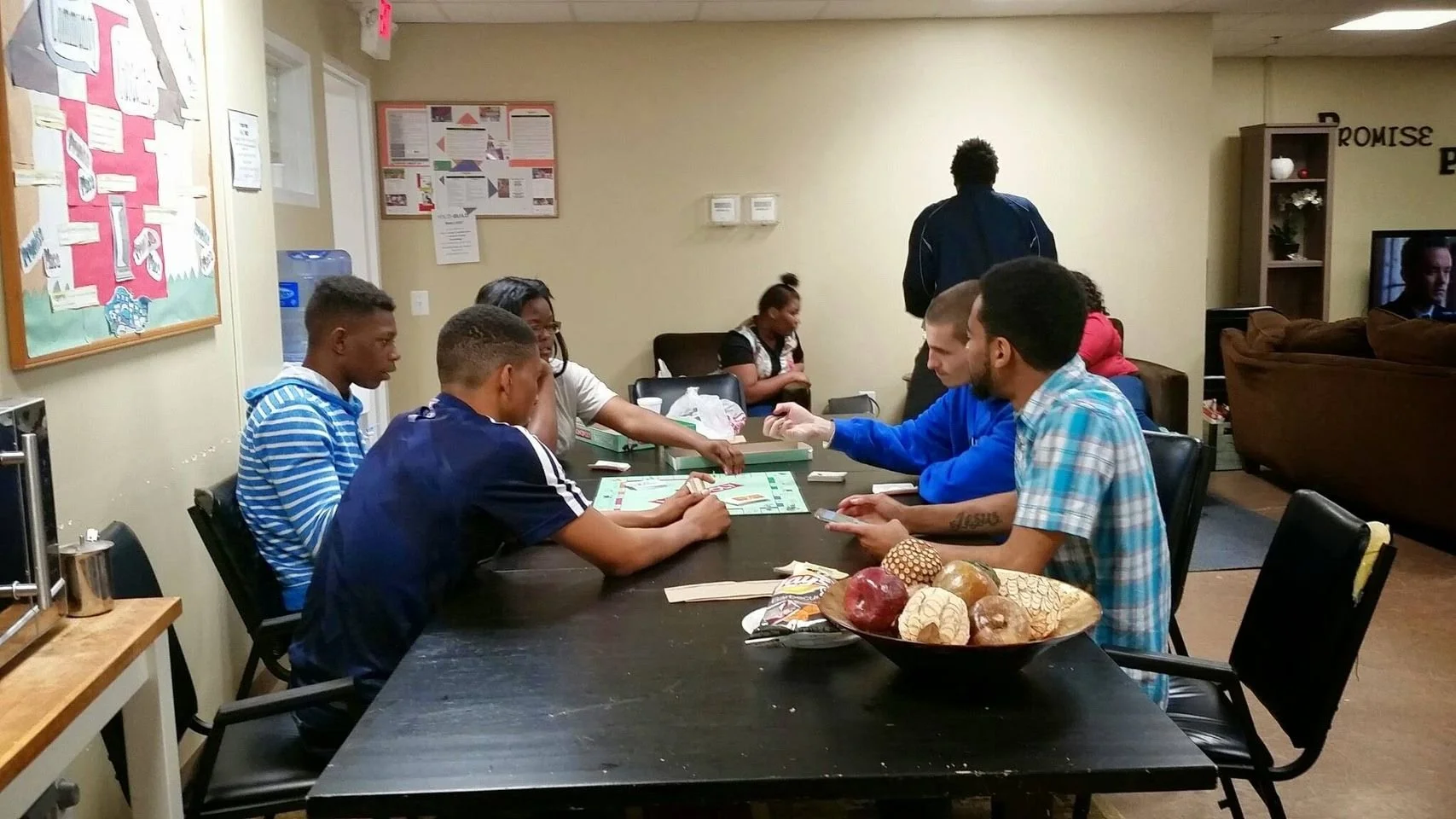
-
Which Communities/Neighborhoods do you serve?
District of Columbia, Prince George’s County, MD
In 2-3 sentences, please briefly describe the mission of your organization
Sasha Bruce Youthwork works to end youth homelessness in the District of Columbia and Prince George’s County by providing safe housing, crisis intervention, and long-term support for stability and independence. In Prince George’s County, through programs like Promise Place, the Bruce Empowerment Zone, and the Resilience Project—a nationally recognized homelessness prevention initiative using direct cash transfers and coaching—we serve over 360 youth annually. Our services prioritize youth most at risk, including Black, Latino, and LGBTQ+ youth, and are designed to promote lasting housing stability and economic mobility.
This past year has brought no shortage of change for nonprofits and the communities they serve. What has that looked like for your organization — and what's helped you keep moving forward?" Feel free to share as much or as little as you're comfortable with.
In the words of our Chief of Programs, Donnell Potts: As a proud resident of Prince George’s County, I know firsthand how deeply valued and appreciated Sasha Bruce Youthwork’s services are in our community. The impact of our work is visible every day—in the lives of youth and families who rely on us for safety, support, and stability. While we have not experienced immediate financial or operational disruptions in recent months, we are facing uncertainty. The looming threat of a funding lapse raises concerns about our ability to continue delivering critical services to the county’s most vulnerable young people.
This uncertainty weighs heavily, especially as the need continues to grow. Having worked in Prince George’s County for years—not only with Sasha Bruce but also as a mentoring leader recognized by the local school system—I’ve seen the transformative power of consistency, care, and community. I’ve been honored to help design and develop key programs such as our drop-in center, street outreach initiatives, and oversee the only youth shelter in the county. These aren’t just programs—they are lifelines.
What gives you hope right now — about your community, your organization, or the work ahead? What are your dreams for the future?
In the words of our Chief of Programs, Donnell Potts: I remain deeply committed to ensuring that youth in our community have access to the services and support they deserve, by any means necessary. Our young people are powerful, resilient, and full of promise. It is our responsibility to continue creating safe, empowering spaces where they can be seen, supported, and given every opportunity to thrive. We hope that our funding partners recognize the urgency of this work and join us in sustaining these essential services."
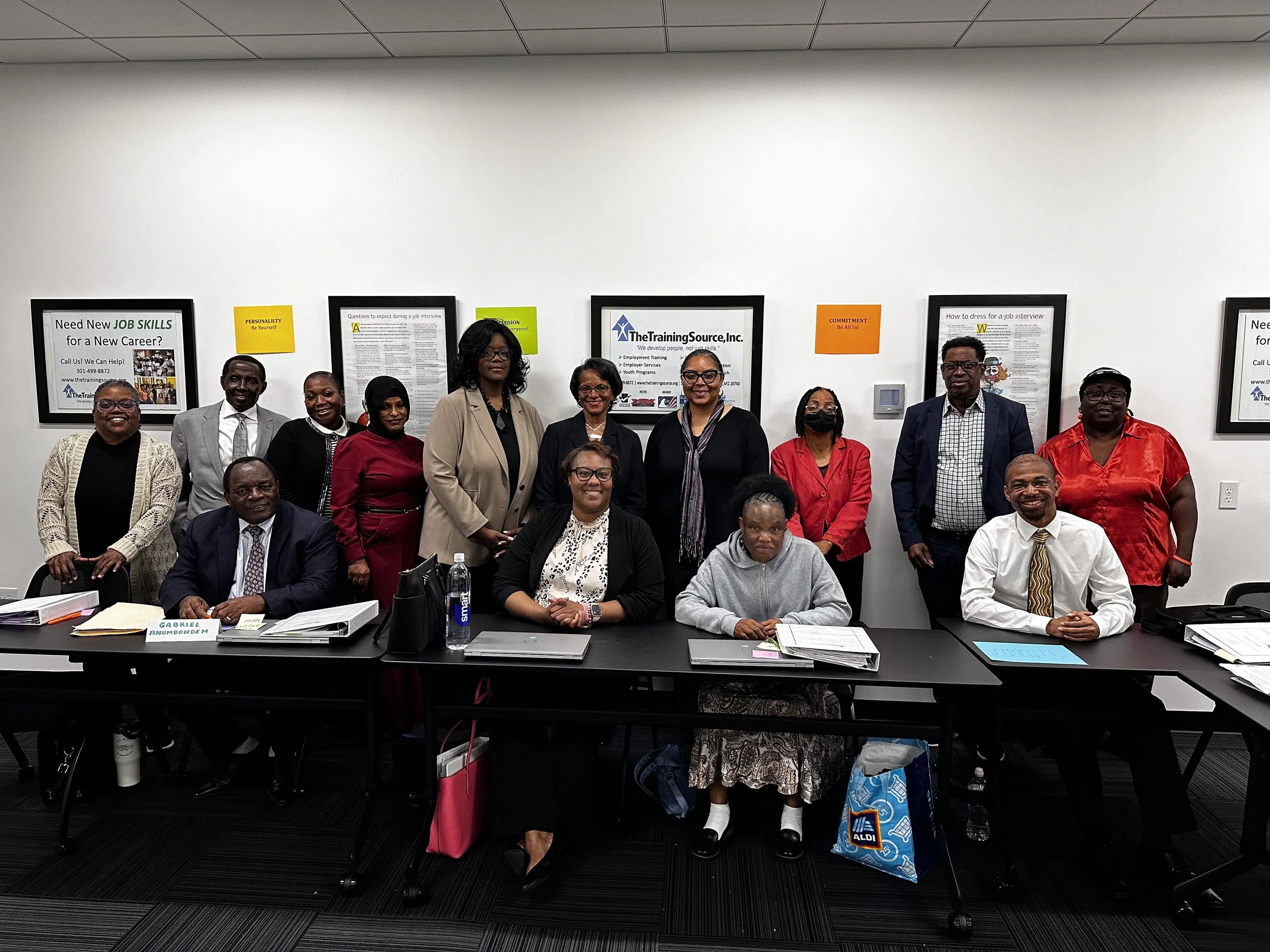
-
Which Communities/Neighborhoods do you serve?
Prince George’s County is the primary community served. We also serve people who reside in DC Ward 7 and DC Ward 8.
In 2-3 sentences, please briefly describe the mission of your organization
The Training Source’s mission is to provide education, training and services that promote positive economic mobility. Our vision is economic mobility for all! Our motto is “We develop people, not just skills.”
How has funding from a Sharing Community Initiative impacted the work you do? Feel free to share any brief examples of projects or outcomes you've seen over the past year. We'd love to hear about specific programs, milestones, or people whose lives have been changed.
The past year has been a particularly difficult one for federal employees, who have been laid off in unprecedented numbers. Because Prince George’s County is home to so many federal employees, the federal work reduction has had an outsized impact on our community. Many of the dislocated federal workers are mid-career professionals who now find themselves needing to pivot professionally. The Training Source’s leadership recognized that our then-current training model did not fit to these new demands. Therefore, this past year we focused on changing our training modules to better deliver targeted workforce development training, educational services, and wraparound supports that are helping dislocated federal workers transition into new career pathways and regain stability. We created a 7-week hybrid training program specifically for laid off federal workers that includes preparation for the American Hotel & Lodging Association’s Guest Services Professional Certification exam (which is portable across industries), self-paced professional and technical upskilling, and tips on how to translate their resumes into non-governmental language to help them thrive beyond government service.
We’d love to tell you about Chris, a 2024 Customer Service Certification graduate who has remained an active participant in The Training Source’s services after completing training and job search assistance. Last year, Chris pursued seasonal opportunities connected to his passion for photography, continuing to build experience while staying engaged with career support services. Chris recently celebrated an exciting milestone—securing a permanent position in the industry he loves as an AV Crew Attendant.
This past year has brought no shortage of change for nonprofits and the communities they serve. What has that looked like for your organization — and what's helped you keep moving forward?" Feel free to share as much or as little as you're comfortable with.
The biggest change for The Training Source over the past year has been internal, rather than external. After 30+ years, our founding Executive Director, Kim Rhim, retired. The new Executive Director, Nekeisia Booyer, has spent her first year refreshing training content, bringing in new content, greatly expanding The Training Source’s programmatic offerings, and identifying and addressing areas in the operation’s infrastructure to create a more efficient, sustainable, and scalable organization.
What gives you hope right now — about your community, your organization, or the work ahead? What are your dreams for the future?
What gives us hope right now is the strong alignment between community need and our mission. Demand for our programs continues to grow, and we are deepening partnerships with schools, employers, and community stakeholders. Despite capacity challenges, our team remains committed to expanding access, strengthening programs, and improving how we measure and communicate impact.
I’m also encouraged by the progress we’re making to strengthen our foundation—enhancing key resources like the LiftZone and Professional Clothing Closet, advancing our annex expansion, and building a more sustainable and diversified funding model.
Looking ahead, my hope is that The Training Source continues to grow into a premier, regionally recognized workforce development leader—delivering innovative, industry-aligned training, expanding our reach beyond our current footprint, and creating lasting pathways to economic mobility for the communities we serve.
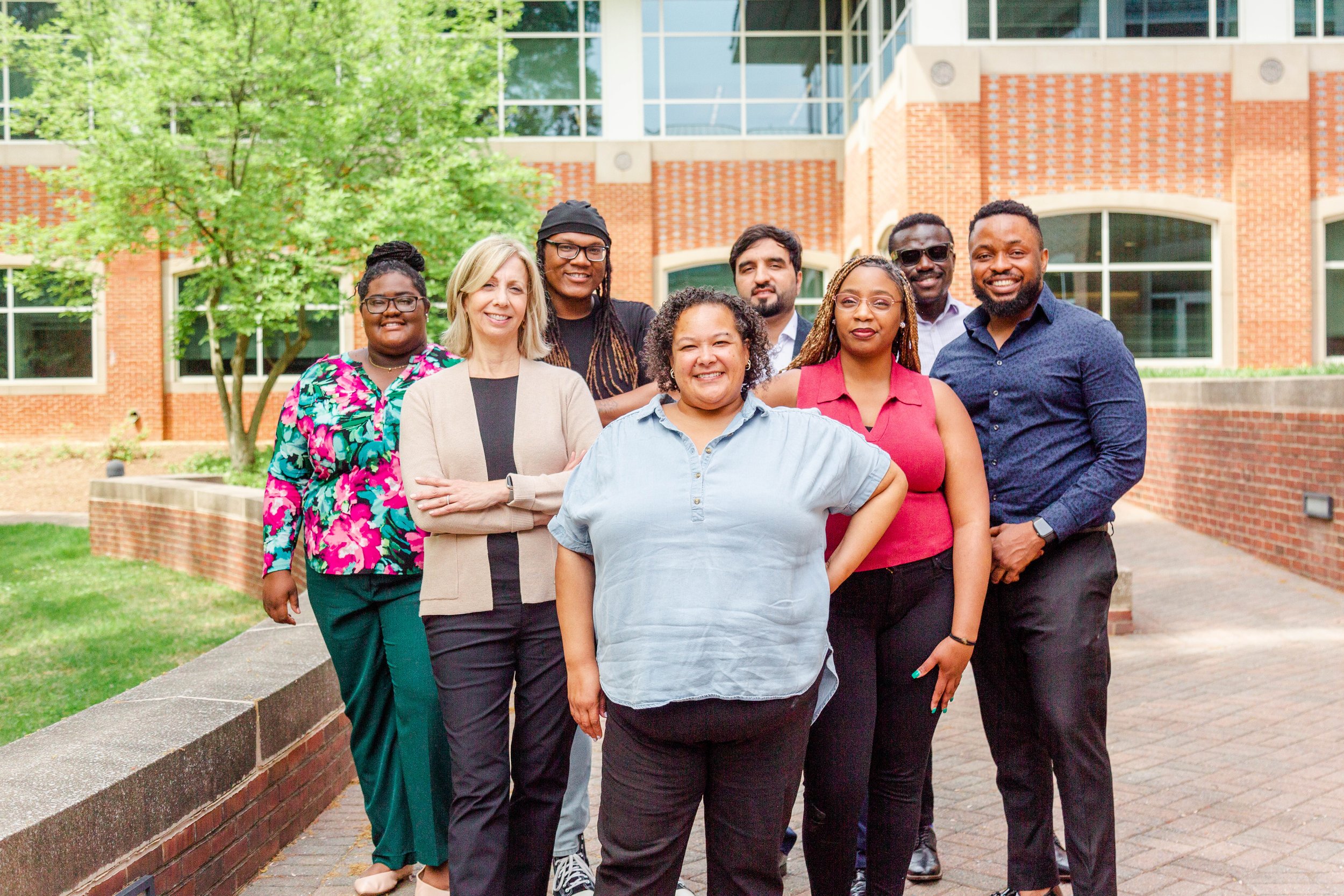
-
Which Communities/Neighborhoods do you serve?
Melwood is located in and has been serving Prince George’s County residents for over six decades. Our Maryland Community Supported Employment and Vocational Support programs serve low-income residents with disabilities from across the county, with the majority of those served residing in Fort Washington – a community with great need for the services and support we provide through these and other Melwood programs. Combined these two programs directly support 46% of the over 800 low-income residents of Prince George’s County served by Melwood each year.
In 2-3 sentences, please briefly describe the mission of your organization
Melwood is a leading advocate and preferred service provider for people with disabilities. Our mission is to advocate for and empower people with disabilities by expanding opportunities to work and thrive in the community. Melwood’s vision is a world where people with disabilities are fully included.
How has funding from a Sharing Community Initiative impacted the work you do? Feel free to share any brief examples of projects or outcomes you've seen over the past year. We'd love to hear about specific programs, milestones, or people whose lives have been changed.
Funding from the Sharing Community Initiative has been instrumental in helping us to help people with disabilities to transform their own lives. These programs provide soft skills training and follow-along supports that enable people with intellectual and developmental disabilities (IDD) to expand their skillset and gain workforce experience (especially those who are under- or unemployed).
We are grateful for this investment in our programs, and in the talented and dedicated Direct Support Professionals who deliver reliable and consistent on-on-one support. It is thanks to this intensive support that the people we serve are able to achieve personal development, career growth, community integration, and improved financial capacity.
We are proud to share the following participant story as retold by our Director of Community Impact, Reagan Chaney:
One of our Melwood employees, and a resident of Prince George’s County came to Melwood for training and career development. She was experiencing homelessness with her young children. Through our training program of custodial services, she now has a fulfilling full-time job where she is supported and encouraged each day. She has dedicated her career to ensuring her work is completed at a high level of excellence and feels confident in her work and secure in her job because of the employment support services she receives. She is a leader in her work environment and loved by our customers.
For First-Time Grantees (Answer only if this is your first year receiving Sharing Community funding) What excites you most about joining the Sharing Community network? Beyond the funding itself, what does this partnership mean to your organization? What does it feel like to be part of this community of nonprofits and donors coming together around a shared purpose?
Recognizing the many interwoven challenges and factors at play around poverty, lack of economic mobility, and systemic inequities – especially for people with disabilities, Melwood approaches the work with ‘stronger together’ mind set that views networks and community as essential. No one individual or organization can take it all on. That’s why you will very often see us out in the communities we serve and engaging meaningfully with other organizations and stakeholders.
Being a first-time grantee of the Greater Washington Community Foundation, we are thrilled to become even more engaged through the Sharing Community Network, and we are grateful for the opportunities this affords us to build our network, learn from others, share what we’ve learned, and mutually increase all of our capacity to have an impact that is more than the sum of our individual efforts.
Coming out of a period of significant growth and change, coupled with an evolving funding landscape that is shaped in large part by reduced largescale federal funding, building new and strong relationships with state, local, community, and private funders is more important than ever.
We are eager to demonstrate to the Greater Washington Community Foundation, and the many esteemed organizations and donors that comprise the Sharing Community Fund, that Melwood is an excellent and reliable partner, and that we are ready and willing to help transform the lives of low-income residents of Prince George’s County by helping create pathways to employment that is meaningful, aligned with each person’s abilities and aspirations, and that lead to economic mobility.
This past year has brought no shortage of change for nonprofits and the communities they serve. What has that looked like for your organization — and what's helped you keep moving forward?" Feel free to share as much or as little as you're comfortable with.
Rapid changes and uncertainties, especially concerning federal funding and shifting priorities and attitudes toward diversity, equity, and inclusion over the past year have reinforced our commitment to the communities we serve, while also emphasizing the need for building diverse revenue streams (including especially private and community-based funding).
Within this challenging operating environment, this year is also the first following a major organizational restructuring that began last year and saw the launch of the “Melwood Family of Companies”. This new structure enables four distinct Melwood entities to each better leverage their respective resources and expertise across our federal AbilityOne contracts and the direct programs and services now provided through Melwood Community Services, Inc. Together, these entities continue working toward our shared mission and vision, while providing the exceptional value our community has come to know and rely on.
Finally, we are also proud to share that we are in the early stages of launching an exciting new affiliation with the Baltimore-based nonprofit, “Humanim”, that brings their 50 year history of supporting and economically empowering individuals through a variety of programs in the areas of human services, youth services, workforce development, and social enterprise throughout Maryland. This partnership brings together decades of shared experience in human services and workforce development, strengthening our collective impact across the region.
What gives you hope right now — about your community, your organization, or the work ahead? What are your dreams for the future?
In addition to our programs and services for people with disabilities, Melwood is helping to inform government policies – especially those concerning fair pay and equitable standards for people with disabilities in the workforce. In Maryland, for example, our advocacy efforts have been focused on staving off budget cuts that threaten programs and services critical to for the state’s most vulnerable populations. Building on recent success with reducing the severity of proposed budget cuts, we are all the more determined to continue working for even bigger policy wins in the future.
While not directly supported by the Sharing Community Fund, other Melwood programs serving Prince George’s County, for example our Youth Enrichment Services (YES) afterschool enrichment program in Fort Washington is expanding to include an additional school – Colin Powell Academy – where we will begin implementing YES starting next year.
Melwood is a growing and dynamic organization, we are humbled by the challenges ahead, yet emboldened to build on our many years of service, our successes, and our lessons learned, and to keep ‘showing up’ for those we serve.
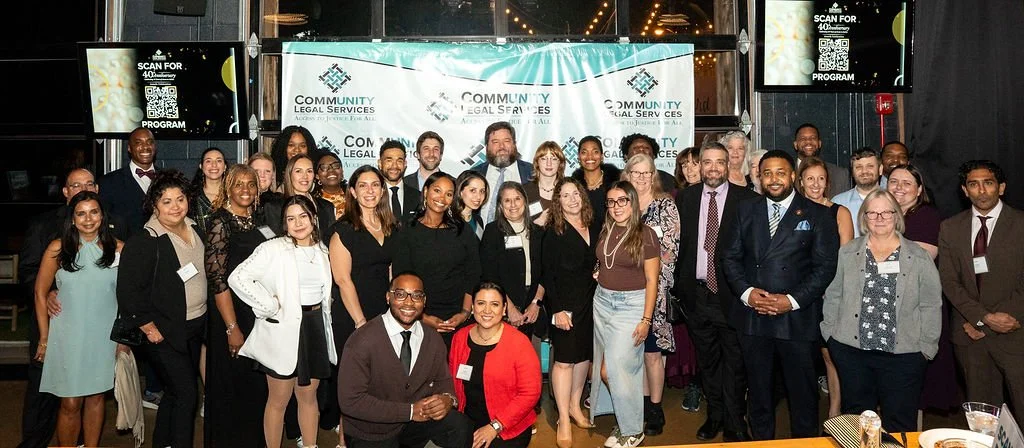
-
Which Communities/Neighborhoods do you serve?
We primarily serve Prince George’s County residents and also have limited services available in Montgomery and Anne Arundel County.
In 2-3 sentences, please briefly describe the mission of your organization
To support, educate, and advocate for individuals, families, and communities by providing free, high-quality legal services that protect fundamental rights, ensure equal access to justice, and uplift those we serve.
How has funding from a Sharing Community Initiative impacted the work you do? Feel free to share any brief examples of projects or outcomes you've seen over the past year. We'd love to hear about specific programs, milestones, or people whose lives have been changed.
This year, a woman came to the Hyattsville Courthouse in search of help with filing a Petition for a Protection Order against her live-in boyfriend and father of her infant child. During the previous week, the Client’s abuser became upset when he heard that she was speaking with her uncle on the phone. He subsequently began arguing with her and dragged her out of the home by her hair and threatened to kill her. As such, she was forced to leave her home and the infant child with her abuser. She was terrified of acting without the help of an attorney due to the years of forced isolation and manipulation, his threats and his possession and access to several firearms. Once at the Courthouse, the House of Ruth staff directed her to CLS. The Client met with our Latino Legal Access Program (LLAP) attorney, who was at the Courthouse as part of the Same Day Representation project. The LLAP attorney assessed the situation, advised the client, and assisted the client with drafting a Petition for an Extreme Risk Protection Order and a Petition for a Protection Order. The LLAP also extensively safety planned with the client. CLS was able to secure representation for the client via a Volunteer Attorney for her final hearing. Her petitions are still pending. Nonetheless, with CLS’s support, the client has become empowered and is more confident and has taken further action to safely free herself of her abusive boyfriend and hold him accountable, including applying for criminal charges.
For First-Time Grantees (Answer only if this is your first year receiving Sharing Community funding) What excites you most about joining the Sharing Community network? Beyond the funding itself, what does this partnership mean to your organization?
CLS is most excited to join a network of dreamers. The culminating breakfast with other members of the Sharing Community was incredibly impactful, as we united around a dream to improve the lives of Prince Georgians. We are honored to be in community with such a thoughtful and impactful cohort.
This past year has brought no shortage of change for nonprofits and the communities they serve. What has that looked like for your organization — and what's helped you keep moving forward?" Feel free to share as much or as little as you're comfortable with.
Like non-profits across the country, CLS has felt the impact of recent regulatory changes and is strategizing to overcome the related implications. In particular, we plan to increase fundraising to address gaps in domestic violence and in intergenerational wealth preservation to increase familial stability. We have also coordinated training on Standby Guardianship to assist parents facing adverse immigration proceedings.
What gives you hope right now — about your community, your organization, or the work ahead? What are your dreams for the future?
Like other Sharing grantees, as the challenges facing our clients increase, we remain committed to growing to answer the call.
Throughout our history, CLS has stepped up in moments of crisis, evolving to meet the changing needs of our community. CLS has never hesitated to step into the breach where legal assistance is most urgently needed.
In 2006, recognizing the growing necessity for Spanish-language legal services, we established the Latino Legal Access Clinic in Langley Park, MD. During the Great Recession, we launched a foreclosure prevention program to keep families in their homes. In 2025, in response to increasing fear over adverse immigration actions, we trained our entire staff and ten other legal service providers on standby guardianship.
This commitment to showing up is what gives us hope to continue this effort in our 40th year of service, and we are honored to do this with Sharing Prince George's by our side.
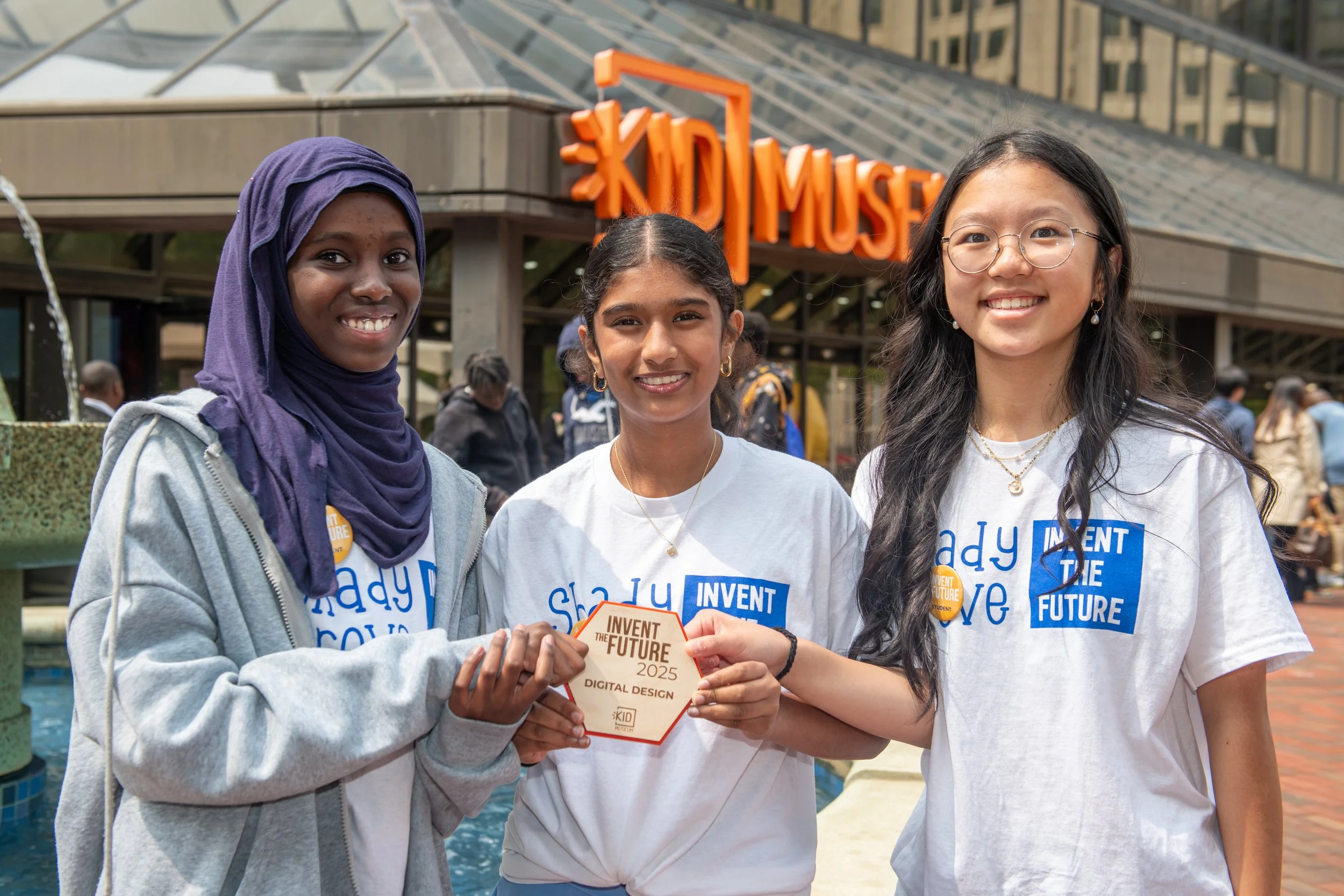
-
Which Communities/Neighborhoods do you serve?
We serve all of Montgomery County
In 2-3 sentences, please briefly describe the mission of your organization
KID Museum's mission is to revolutionize learning and foster the "Mind of a Maker" in youth by cultivating creativity, agency, and empathy. As an equity-focused educational organization, KID Museum equips youth of diverse backgrounds with the tools to invent the future through creative problem-solving and hands-on, culturally sustaining approaches that value diverse perspectives and foster inclusivity. KID Museum's innovative model equips youth of all backgrounds with the STEM skills and mindset to become creative problem-solvers and changemakers in a dynamic world.
How has funding from a Sharing Community Initiative impacted the work you do? Feel free to share any brief examples of projects or outcomes you've seen over the past year. We'd love to hear about specific programs, milestones, or people whose lives have been changed.
Funding from the Sharing Community Initiative has enabled KID to directly support low-income students in programming and visits to KID. These grants have helped cover expenses such as field trips, program fees, and transportation. This funding is especially urgent now as STEM education opportunities for underrepresented youth are shrinking while STEM literacy has become a prerequisite for economic mobility. With federal and local education budgets tightening, KID Museum (with the help partners like Sharing Montgomery) is uniquely positioned to fill this gap and strengthen our region’s future workforce.
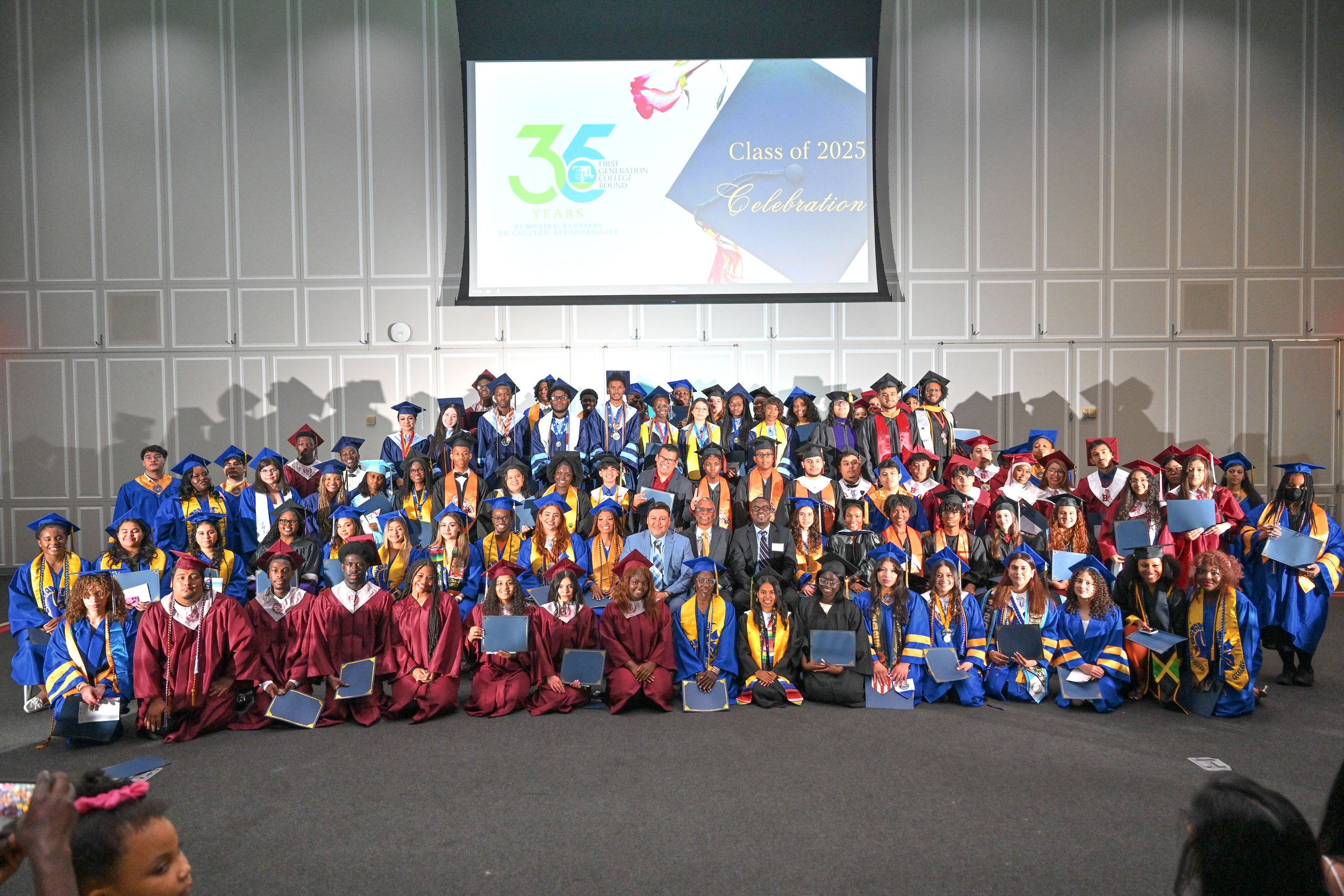
-
Which Communities/Neighborhoods do you serve?
We provide College Success Services to students at eight high schools in Prince George’s County: Bladensburg, Central, DuVal, Fairmont Heights, High Point, Laurel, Parkdale, and Potomac.
In 2-3 sentences, please briefly describe the mission of your organization
Our mission is to inspire youth from low-income and first-generation families to achieve social and economic success by providing guidance, encouragement, and support in obtaining a college degree. We envision a future where every Marylander has access to an affordable college education.
How has funding from a Sharing Community Initiative impacted the work you do? Feel free to share any brief examples of projects or outcomes you've seen over the past year. We'd love to hear about specific programs, milestones, or people whose lives have been changed.
Funding from the Sharing Community Initiative has been critical in supporting our College Success Coaches, who provide essential guidance, encouragement, and assistance to students and their families. This year, the support has been especially impactful for our immigrant students, many of whom face heightened anxiety and uncertainty due to immigration enforcement activity in their communities. Despite these challenges, our Coaches—through the trusting relationships they’ve built—successfully enrolled 245 college-bound seniors, helping them stay focused on their goals and move confidently toward higher education.
Each year, we see the measurable impact of our College Access Program as students successfully transition to and persist in postsecondary education.
One standout story is of a student from a family of fourteen who joined our program at Parkdale High School in 2020. Although he had already been accepted to college, he struggled to understand how to pay for it. Through individualized advising, our College Access Coach guided him through the entire financial aid process, including completing the FAFSA and other required applications on time. As a result, he received sufficient aid to attend Towson University and graduate debt-free.
After completing his undergraduate degree, he was accepted into Rutgers University Law School, where he now studies full-time with the support of a scholarship from a Greater Washington Community Foundation sponsor—a testament to perseverance, partnership, and the life-changing impact of educational access.
For First-Time Sharing Partners, what excites you most about joining the Sharing Community network? Beyond the funding itself, what does this partnership mean to your organization?
Being part of the Sharing Community network reinforces our belief that one organization alone is too small a number to achieve greatness. Together, as a collective of committed nonprofits and donors, we can make a far greater impact. This partnership strengthens the foundation of our nonprofit community, helping each organization sustain its mission while contributing to a shared vision of success for all.
This past year has brought no shortage of change for nonprofits and the communities they serve. What has that looked like for your organization — and what's helped you keep moving forward?" Feel free to share as much or as little as you're comfortable with.
Our students remain the driving force behind our work. They remind us daily of the urgent need for college access and affordability support. In today’s climate of economic and policy uncertainty, low-income and first-generation students face increasing barriers to higher education. This makes our advocacy and guidance more vital than ever.
Through individualized advising, we help each student understand and navigate the complex financial aid process, ensuring that they have access to the resources necessary to enroll and graduate with little to no debt. By equipping students with knowledge, tools, and ongoing support, we empower them to make informed decisions and achieve long-term success. The progress we witness each year fuels our continued dedication to FGCB’s mission and vision.
What gives you hope right now — about your community, your organization, or the work ahead? What are your dreams for the future?
Hope shines through even in challenging times. Across our community, nonprofits continue their work to serve those most in need—proof that the light of hope remains on despite adversity. At FGCB, we see this light in our students, families, and partners who refuse to give up.
History shows that even in darkness, the human spirit—and the collective work of mission-driven organizations—will prevail. We are hopeful that collaboration, resilience, and advocacy will continue to strengthen our communities and preserve opportunities for all. As nonprofits keep that light burning, we stand encouraged to keep moving forward with purpose and optimism.
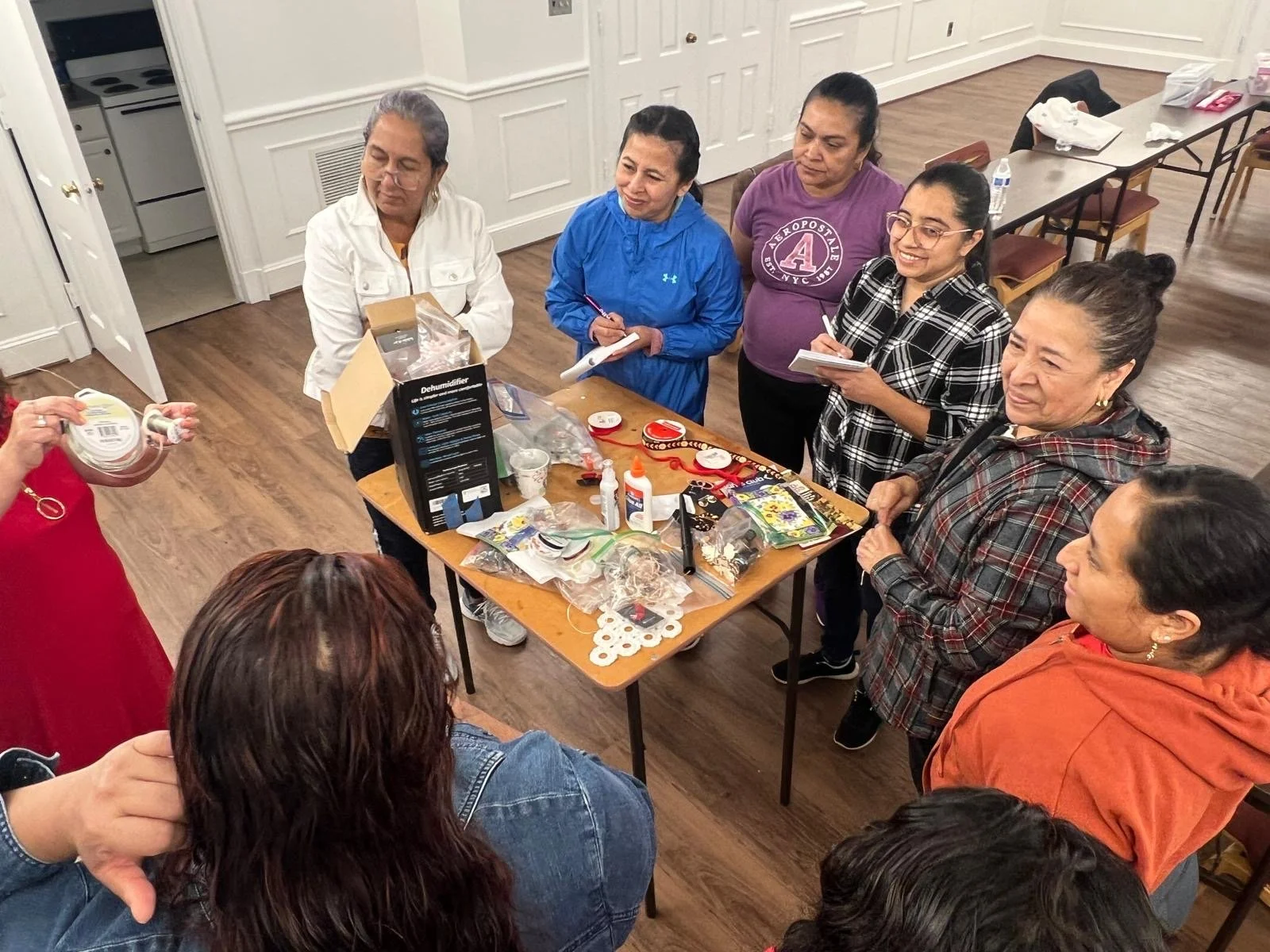
-
Which Communities/Neighborhoods do you serve?
Montgomery County, with geographic focus on East County, Gaithersburg, Wheaton and Long Branch neighborhoods.
In 2-3 sentences, please briefly describe the mission of your organization
To advance racial and economic equity, justice and liberation in Montgomery County by working for change in individuals, communities, and systems.
How has funding from a Sharing Community Initiative impacted the work you do? Feel free to share any brief examples of projects or outcomes you've seen over the past year. We'd love to hear about specific programs, milestones, or people whose lives have been changed.
Funding from the Sharing Community Initiative has made a real difference in the work we’re able to do with aspiring entrepreneurs. One example that stands out is two sisters who joined one of our business classes this past year. They came in with strong ideas but needed support understanding how to formalize and structure their businesses. Our Local Economy Developer worked with them step by step through the process of registering their businesses in Maryland, and also helped them clarify their individual directions while building confidence in what they were offering.
Today, they each run their own business but work closely together as a team. One focuses on event decoration, and the other provides catering services. Together, they’re able to offer a more complete event package, which has already opened new opportunities for them. It’s been very rewarding to see their progress—from early ideas to fully registered businesses operating with purpose. Their journey is a clear example of how targeted support and access to resources can create lasting impact.
This past year has brought no shortage of change for nonprofits and the communities they serve. What has that looked like for your organization — and what's helped you keep moving forward?" Feel free to share as much or as little as you're comfortable with.
This past year has been a difficult one to navigate in terms of changes in the nonprofit organizational landscape, and for many of the residents we work with. We have found a source of strength in our relationship-based approach. Our efforts to build trust with residents throughout the past 27 years have provided us with the foundation we need to make decisions about programming. We are able to count on continuous input about what makes the most difference in people's lives, and what we should prioritize.
What gives you hope right now — about your community, your organization, or the work ahead? What are your dreams for the future?
We work in a county that communicates a commitment to equity and human rights and we are lucky enough to be aligned with our local government on many issues. Throughout the years, we have seen local initiatives grow and produce beautiful results, often starting as the spark of an idea from a group of residents or even just one community member. Our dream is that our county will continue to grow into its ideal of a society where everyone can thrive.
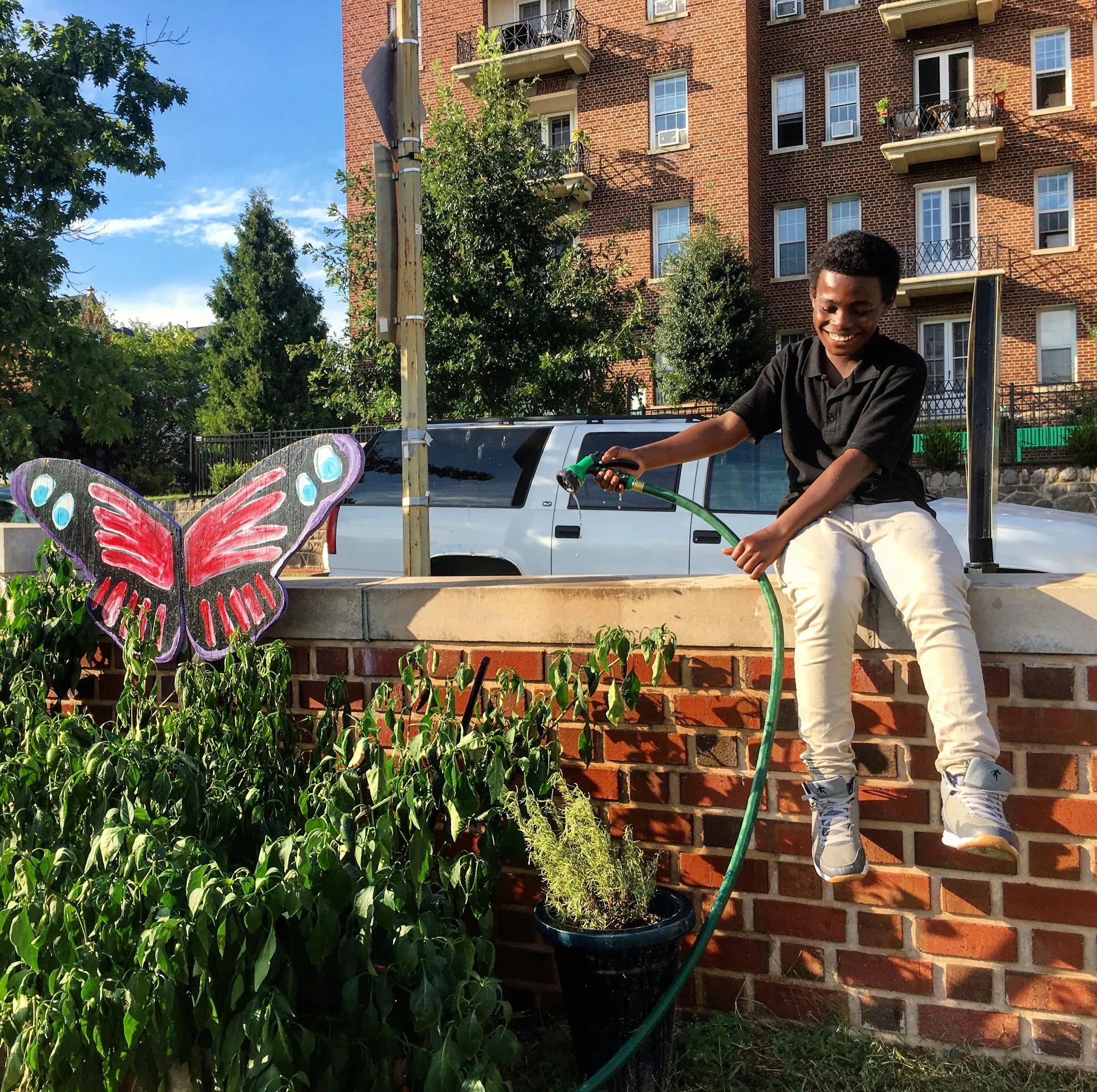
-
Which Communities/Neighborhoods do you serve?
City Blossoms has 6 age-specific programs that work together to create green space and facilitate free garden-based programming for children, youth, educators, and communities throughout DC. Our programming is centered in neighborhoods where children and youth do not otherwise have access to safe, community-led green space, typically in majority Black, Latino, and immigrant communities. We have five Community Green Spaces across the District that act as neighborhood hubs for gardening, community celebrations, and free nature-based activities. We partner closely with early childhood centers and Title 1 K-12 schools to create gardens alongside youth and educators, you can find us in 28 centers and schools around the city! Through our high school Youth Entrepreneurship Cooperative program, high school youth sell seedlings, produce, and handmade products at farmers markets across DC under their cooperative business Mighty Greens.
In 2-3 sentences, please briefly describe the mission of your organization
City Blossoms cultivates the well-being of our communities through creative programming in kid-driven gardens. We believe that every child, no matter their background, deserves safe and easy access to local green spaces where they can feel relaxed and represented, can engage in hands-on environmental learning, and can connect to their community.
How has funding from a Sharing Community Initiative impacted the work you do? Feel free to share any brief examples of projects or outcomes you've seen over the past year. We'd love to hear about specific programs, milestones, or people whose lives have been changed.
We’re still early on in our partnership with the incredible Sharing DC Community, but it is already impactful. Nature-based programming, particularly centered around education and youth, is underfunded. Having a Sharing Community committed to DC youth-focused opportunities for environmental education, entrepreneurship, and access to nature directly impacts our ability to consistently show up in the garden for youth and communities every week. This consistency is vital and makes a huge impact both day-to-day and in the long term for children and youth.
Our Youth Entrepreneurship Cooperative programming has been in full swing this year. We had incredible garden workdays at Eastern Senior High School and Cardozo Education Campus that gathered Mighty Greens youth and community members to refresh each garden. Through the care and diligence of many hands, both spaces are ready for youth to plant spring seeds and seedlings that they are currently cultivating in their greenhouses. Mighty Greens youth have hosted business meetings, created planting plans for their gardens and greenhouses, and begun to grow hundreds of seedlings that they will sell through sidewalk sales, farmers’ markets, and our upcoming Spring Fest at the Farm at Kelly Miller.
Recently, our school garden coordinator at Eastern Senior High School shared when asked about the impact of the garden on his students, “The garden provides a safe space for students to learn, grow, and thrive as future leaders in their global community. We aren’t just planting seeds but ideas in the minds of future generations.” Kyle Williams, Eastern Senior High School.
April marks the start of our free weekly programming across our neighborhood gardens, so children, youth, families, and community members are able to start sowing spring seeds and watch the gardens come back to life again after the winter. Many children and youth in these Community Green Spaces made their first connections to nature and fresh food in these gardens and continue to come back year after year as they grow. As part of our Pathways Model of programming, we aim to provide this access to nature, fresh food, and safe spaces consistently to youth of all ages.
This spring, we’ve built new sensory green spaces for our littlest gardeners through our Early Growers program. Each new garden we create with our early childhood center partners expands the opportunities for young children in DC to access nature at a critical period in their development. Through our School Garden Partners program, we extend those opportunities through elementary and middle school. We recently broke ground on a brand new school garden at Noyes Elementary, a Title I school in Ward 5 that serves 293 students. Every one of those students will have access to an active garden space where they can unwind, spend time outside, and learn hands-on about nature, which makes each new build so exciting. For the build, we activated local community stakeholders as well as youth and educators from the school, which ensures the garden is rooted in the community from day one. There's something incredibly special about starting from scratch and knowing the people who helped build the garden will be invested in watching it grow. During this build, one of the educators shared that for them, part of the significance of this garden is that it provides children and youth at their school the opportunity to grow up with a vibrant backyard. School gardens like these provide the platform to build a relationship with nature and a connection to fresh food that can deepen as youth grow into high school programming like Mighty Greens.
For First-Time Sharing partners, what excites you most about joining the Sharing Community network? Beyond the funding itself, what does this partnership mean to your organization?
City Blossoms is an organization that was founded by DC natives in 2008, and is the culmination of community-based work that began here in the District in the late 90s. Our roots run deep! We are thrilled to be joining the Sharing DC community, with DC organizations and donors who understand the unique challenges and triumphs that this city holds.
One of City Blossoms’ core values is collaboration. We know that we enhance our impact beyond what we can do alone by joining together with partners around a shared dedication to DC children, youth, and communities. We see this with every new green space we create in the city; when we combine youth vision with human-power from our team, community members, and volunteers, we create oases throughout the city that will serve children and youth throughout their lives. It’s so important for us to strengthen the tapestry of local networks here in DC that connect resources directly with DC communities in meaningful ways. For City Blossoms, we are thrilled to be able to share our garden-based work with our partners and see how it complements other organizations’ and donors’ work and passions to create a more equitable DC. Joining this amazing group of nonprofits and donors who share our roots and this purpose in the District is energizing!
This past year has brought no shortage of change for nonprofits and the communities they serve. What has that looked like for your organization — and what's helped you keep moving forward?" Feel free to share as much or as little as you're comfortable with.
This past year has been full of challenges, whether it be from changes to the funding landscape here in DC, extreme weather, or shifting feelings of safety that have disrupted community rhythms in beloved outdoor spaces. Despite these challenges, the strength and resilience of the nonprofit sector and our DC community at large keeps us moving forward.
In addition to our incredible organization and funding partners, we have over 700 volunteers who join us in our gardens every year and donate their time and their strength to keep garden spaces centered in neighborhoods, at early childhood centers, and at Title 1 K-12 schools vibrant and safe for everyone who will use them. We have seen firsthand how in just a few hours, a group of volunteers can transform a space from an empty piece of land to a space that youth envisioned spending time in. To then be able to see youth grow up and move forward through those spaces keeps us moving forward as well.
What gives you hope right now — about your community, your organization, or the work ahead? What are your dreams for the future?
The original seeds of City Blossoms were planted in the summer of 1997, in a garden outside CentroNía in Columbia Heights where our co-founder saw that when children and youth were given an opportunity to make decisions and use their voice to shape a space, magic happened. That garden became a focal point for youth, neighbors, and nearby community members for many years after. The youth and community members grew together alongside their plants as they figured out how to tend the space and created community art.
This magic is at the heart of all City Blossoms programming, and it continues to give us hope. We can picture a brighter future ahead when we see youth come together in shared spaces to nurture the garden they help shape, or witness the shifts in confidence of incredible Mighty Greens youth as they collaboratively make business decisions and problem solve. Ultimately, this magic allows us to envision and work toward a DC with abundant, accessible green spaces where communities thrive and children build lifelong connections to the natural world.
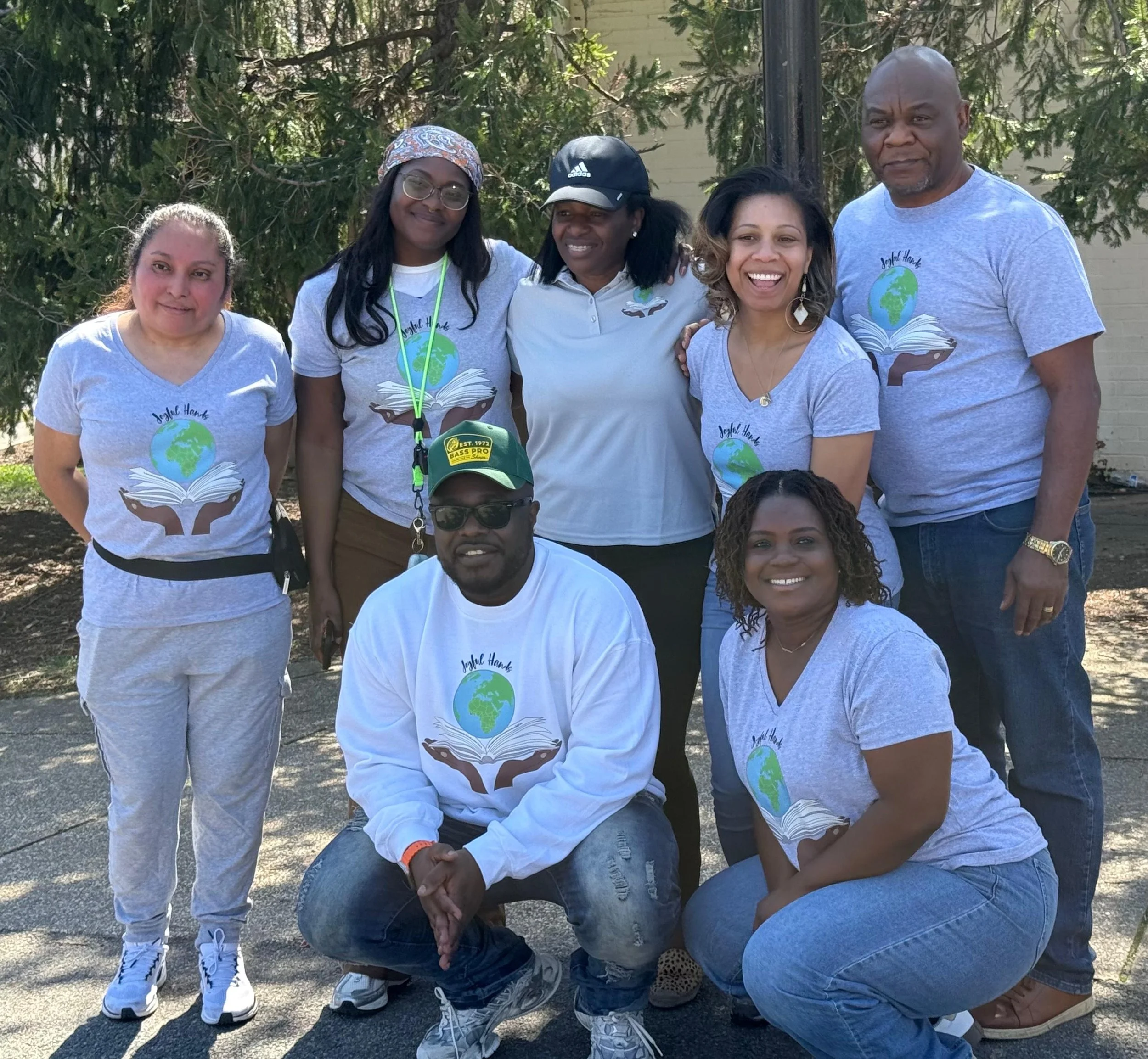
-
Which Communities/Neighborhoods do you serve?
Joyful Hands serves underserved communities across Northern Virginia, with a primary focus on the Richmond Highway corridor in Fairfax County. This includes communities such as Murraygate Village Apartments, Stony Brook Apartments, Creekside Village Apartments, and Audubon Estates in Alexandria (22306 and 22309). We also partner with local schools and community organizations throughout Fairfax County and are expanding our reach into Prince William County to serve more families in need.
In 2-3 sentences, please briefly describe the mission of your organization
Joyful Hands is dedicated to addressing health, food, and educational disparities in underserved communities by providing accessible, community-based programs and resources. Through initiatives focused on health equity, literacy, and family support, we empower individuals and families to thrive. Our mission is to meet people where they are building trust, restoring hope, and creating pathways to long-term stability and well-being.
How has funding from a Sharing Community Initiative impacted the work you do? Feel free to share any brief examples of projects or outcomes you've seen over the past year. We'd love to hear about specific programs, milestones, or people whose lives have been changed.
Funding from the Sharing Community Initiative has strengthened Joyful Hands’ ability to provide critical support and resources to underserved families in our community.
This support allowed us to successfully host our Back2School Supply Drive, ensuring students started the school year prepared and confident. We also expanded our health initiatives, providing preventive screenings, maternal health support, chronic disease education, and assistance with healthcare and insurance enrollment.
One meaningful moment was seeing the joy and relief on a parent’s face as they received school supplies for their children knowing it lifted a burden and helped set their family up for success.
This funding has not only allowed us to deliver essential services, but to build trust, strengthen partnerships, and create pathways to long-term stability and hope.
This past year has brought no shortage of change for nonprofits and the communities they serve. What has that looked like for your organization — and what's helped you keep moving forward?" Feel free to share as much or as little as you're comfortable with.
This past year has brought both increased need and meaningful growth for Joyful Hands. We’ve remained committed to serving our communities by expanding our health initiatives, successfully hosting our Back2School Supply Drive, and strengthening our ability to consistently provide resources to families in need.
What has helped us keep moving forward is the trust of the community, the dedication of our volunteers and partners, and the support of funders like the Sharing Community Initiative. Their investment has allowed us to strengthen our operations, including securing storage space to better organize and distribute supplies, ensuring we can respond more effectively and consistently throughout the year.
What gives you hope right now — about your community, your organization, or the work ahead? What are your dreams for the future?
What gives us hope is the resilience of the families we serve and the growing support from partners and the community. Despite challenges, we continue to see lives impacted whether it’s a child starting school prepared, a family accessing critical resources, or a community coming together in trust.
Our dream is to expand our reach and deepen our impact by growing our health, literacy, and youth wellness programs, while extending services into additional communities, including Prince William County. We envision a future where every family we serve has consistent access to the resources, support, and opportunities needed to thrive.
-
Which Communities/Neighborhoods do you serve?
Montgomery County, MD
In 2-3 sentences, please briefly describe the mission of your organization
Founded in 2004 and guided by the belief that every person deserves the dignity of a place to call home, the mission of Pathways to Housing DC is to bring Home, Health, and Hope to our unhoused neighbors
How has funding from a Sharing Community Initiative impacted the work you do? Feel free to share any brief examples of projects or outcomes you've seen over the past year. We'd love to hear about specific programs, milestones, or people whose lives have been changed.
Pathways to Housing DC continues to address the growing homelessness crisis in Montgomery County. Our core programs and recent service expansions to address this crisis include:
Homeless Services: Outreach teams engage unsheltered individuals, offering supports including food, clothing, access to healthcare, transportation, vital records, and housing assessments. Street Outreach is arduous, persistent work: trust must be built over time, and success is often a re-connection to care, a move indoors, or just being seen. Our approach ensures no one is left behind—especially those with the most complex barriers to housing.
When Pathways began working with Mr. P. in 2025, he was 61, recently widowed, and staying in his car. He was facing multiple health issues, including diabetes and infected wounds in his legs. This past winter his exposure to cold weather caused him to come down with pneumonia. Our Outreach staff helped him access shelter indoors, ensuring that he continued to receive adequate medical care, and helped him to pick up medication from the pharmacy. Ultimately, a coordinated effort between Progress Place and Pathways’ Outreach staff ensured that Mr. P. was properly assessed and he eventually received a housing referral. Our Outreach team successfully worked with Mr. P’s housing team to organize apartment tours that met his specific needs and by February 2026, he had signed a lease and moved into his apartment in Downtown Silver Spring. Housing stability is one important step forward for Mr. P. on his journey toward a healthier life and we will continue to support him on his journey.
Permanent Supportive Housing: Provides long-term, stable housing and case management to individuals, primarily those facing chronic homelessness. Our tailored, community-based mental health services address issues such as medication management, housing stability, and substance use. Recognizing that both housing and healthcare are human rights, we make deep investments in services that meet people where they are in their mental health and recovery journey.
Youth Services: Pathways to Housing DC expanded its scope of work with the integration of newly established programming for Transition Aged Youth in Montgomery County. While still in its early stages, we are committed to strengthening our core expertise with services and activities focused on housing stability; educational attainment; workforce readiness skills; health and harm reduction; financial literacy; and mentoring.
Pathways met N.S., a youth who was sleeping unsheltered in the Bethesda area and relying on the library as a safe place to stay during the day. Needing many services, N.S. was connected to our MoCo Reconnect Drop In Center, a resource that would be a lifeline for his many needs and a path forward. At MoCo Reconnect, N.S. could meet his basic needs—from daily meals and showers to having a safe place to rest. While at the Center, N.S. was also able to work with Pathways to obtain a birth certificate, Social Security card, Identification card, SNAP benefits and Medicaid insurance. Without any family to turn to, Pathways also stepped in to help N.S. with his legal problems by attending court proceedings with N.S. and to support him through the process. Connecting N.S. to housing was the ultimate goal and in January 2026, he moved into an apartment in Downtown Silver Spring as part of the Permanent Supportive Housing Program.
For First-Time Grantees (Answer only if this is your first year receiving Sharing Community funding) What excites you most about joining the Sharing Community network? Beyond the funding itself, what does this partnership mean to your organization?
As a first-time grantee, being vetted and selected by the Sharing Community provides a 'seal of approval' that strengthens our organizational credibility with other donors and stakeholders. Knowing that we are backed by a group of donors who aren't just funding us, but are actively rooting for our mission alongside other nonprofits and actively creating momentum. In the world of housing and homelessness, we are energized by the opportunity to break down the silos that often exist. Housing is never just about a roof; it’s about health, employment, and community. Joining this network allows us to build cross-sector relationships with other nonprofits, ensuring our clients have a seamless path to the holistic support they need to remain permanently housed. This partnership represents a validation of our model and our commitment to dignity-first housing solutions. Beyond the financial support, it gives us a seat at a larger table where we can advocate for our neighbors experiencing homelessness. Being part of the Sharing Community signals to our staff, leadership, and the people we serve that our work is part of a coordinated, community-wide effort. The challenge of homelessness can often feel overwhelming when faced alone, but being part of this community provides a sense of shared responsibility. Knowing that donors and fellow advocates are standing with us—recognizing that housing is a fundamental human need—replaces the feeling of 'fighting an uphill battle' with a powerful sense of momentum and hope.
This past year has brought no shortage of change for nonprofits and the communities they serve. What has that looked like for your organization — and what's helped you keep moving forward?" Feel free to share as much or as little as you're comfortable with.
Funding is an elevated concern and an area of hyper-focus for Pathways to Housing DC and other service providers. For the housing and homeless services sector, the stakes are high. For Pathways to Housing DC, our ability to provide housing hinges on five federally funded HUD contracts in addition to our locally funded housing subsidies. Advocacy efforts with national partners and other nonprofit service providers have helped to stave off immediate HUD changes despite ongoing threats and we have worked locally with the Continuum of Care and our Board of Directors to plan for the most challenging of scenarios to ensure that client rents can be paid and that our community can continue to receive the services they need to exit and recover from homelessness.
We have also worked to develop better financial forecasting tools to more precisely understand the areas of impact to prepare for any losses. A partnership with Compass Pro Bono is also squarely focused on fundraising efforts to help create a path forward. For now, with strong financial protocols in place, we have been able to weather this financial challenge thanks to a diverse portfolio of funding streams (including philanthropic support), a modest cash reserve, and a healthy $1 M line of credit. Private philanthropy, from grants and corporate partnerships to individual giving, coupled with local public funds, will be essential in weathering the storms ahead. We will also need to rely on the voices and leadership of the philanthropic community in key advocacy efforts—championing the successes of the Housing First model and the role of public-private partnerships in improving the safety and wellbeing of our communities.
Simultaneously, policy shifts affecting safety-net programs, Diversity, Equity, and Inclusion (DEI) initiatives, and immigration policies could have profound ripple effects across our work. As federal priorities shift, we must remain vigilant, proactive, and unwavering in our mission to protect and expand the resources that serve our community’s most vulnerable.
What gives you hope right now — about your community, your organization, or the work ahead? What are your dreams for the future?
The dedication of our frontline staff—who work tirelessly to provide dignity and to break down barriers to housing reminds us every day that even in a housing crisis, human connection remains our strongest tool for transformation. Our dream is a future where every individual in our community has a safe, stable, and affordable place to call home; a sense of community, purpose, and belonging; and where a 'Housing First' ecosystem is the gold standard for how we care for our most vulnerable neighbors.