
Staying the Course: What a Century of Black History Teaches Us About Long-Term Commitment
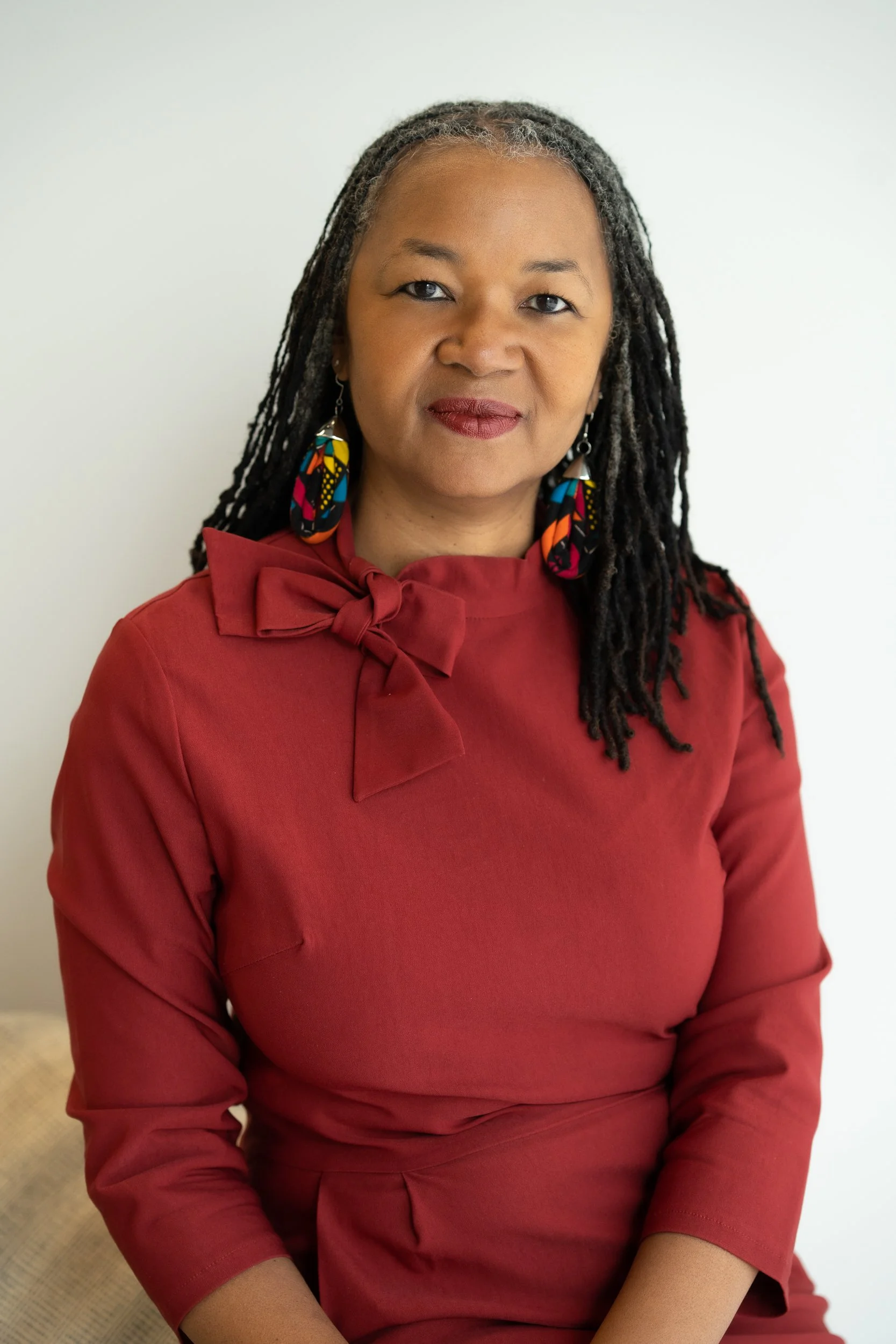
A Message from our President & CEO, Tonia Wellons
This February marks a historic milestone: the 100th anniversary of Black History Month. In 1926, Dr. Carter G. Woodson insisted that Black contributions to American history be recognized and preserved, launching 'Negro History Week.' One hundred years later, that week has become a month, that movement has become tradition, that resistance has become remembrance. And the lesson is clear: transformation takes time.
Last year, I shared my own Black History—a family lineage that traces back eight generations to Temperance Brown, born into bondage around 1805 in Ivor, Virginia. I wrote about my great-great-grandfather Hack Holloman and his brother Jim, who after the Civil War purchased the very plantation where they had been enslaved. I shared how for 71 years, our family has gathered each July to speak our lineage aloud, ensuring that each generation understands where we came from and what we overcame.
I reflect on that story not only to recount it, but to affirm what it teaches us about the work ahead. My ancestors didn't win their freedom and declare victory. They decided to stay in the fight. They bought land. They voted. They built institutions (family, church, and community). They preserved stories. They showed up, generation after generation, because they understood that transformation doesn't happen overnight—it unfolds across lifetimes.
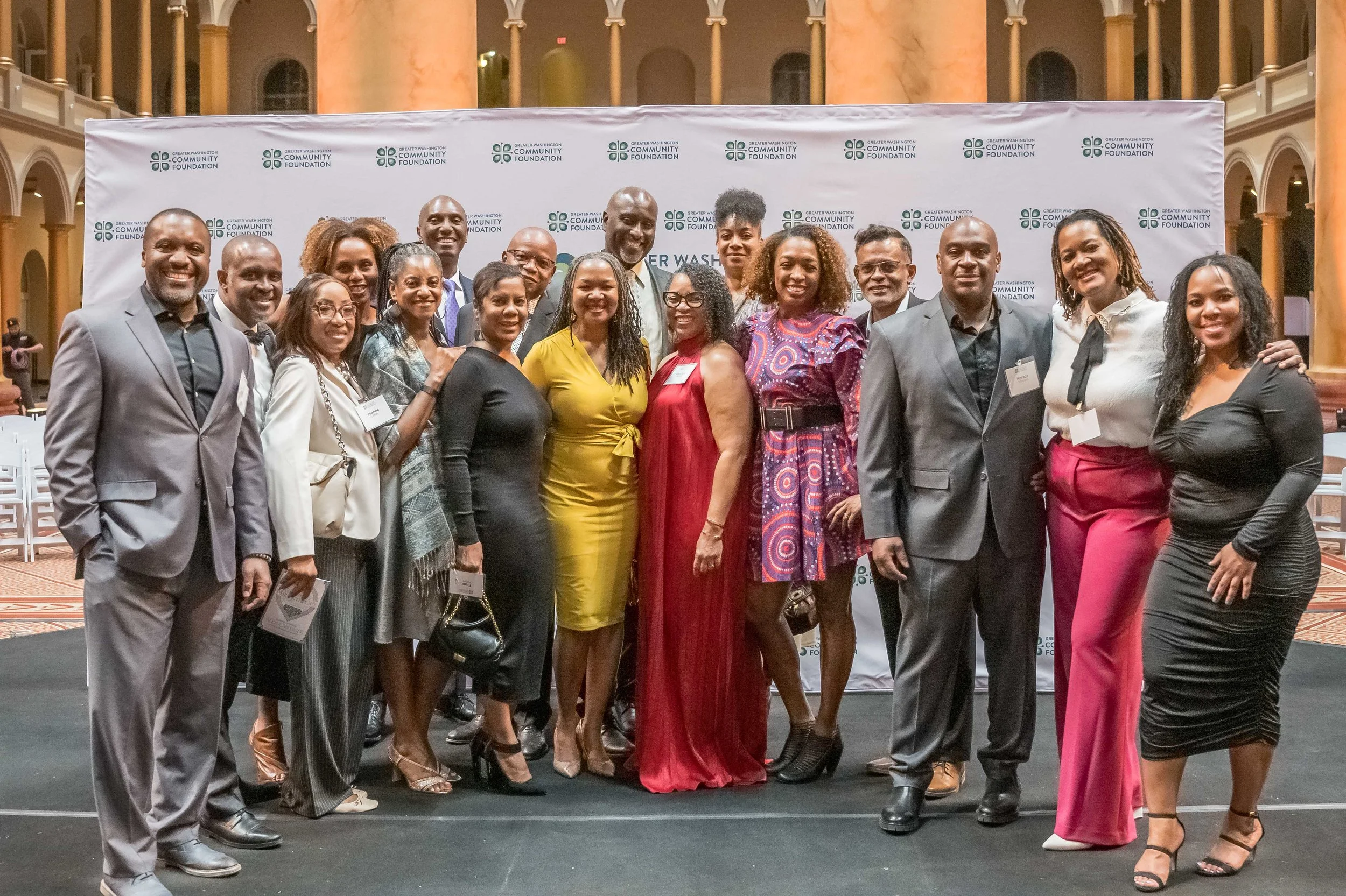
Tonia with family and friends at the 2024 Celebration of Philanthropy
This family history shapes my leadership at the Greater Washington Community Foundation. Just as my ancestors understood that freedom required sustained commitment across generations, we understand that creating lasting change in our region requires the same long view.
Five years ago, in the aftermath of a global pandemic, we launched a bold 10-year strategic vision focused on increasing economic mobility and advancing economic justice in our region. We solidified our commitment to helping close our region’s racial wealth gap so that people of all races, places, and identities can reach their full potential. We recognized the need to help the people of our region recover from the devastating financial strain of the pandemic by addressing pre-existing inequities to help more families move beyond simply surviving to saving for their future.
We believe that by improving the economic stability, mobility, and prosperity of our neighbors and communities facing the deepest disparities, we will ultimately improve the quality of life for everyone who lives, works, and raises a family in this region.
This requires us to think differently and move beyond simply helping people to meet their basic needs. It requires that we consider philanthropy beyond support to nonprofits but as a way to move more resources directly into the hands and on the balance sheet of people who need it most. We learned from evidence-based strategies working in other communities and invested in piloting innovative new initiatives like the Brilliant Futures children’s savings program and several guaranteed income programs. Ventures that offered families a chance at financial counseling and investment management services, down payment assistance for home ownership, pathways to entrepreneurship, and debt reduction investments as new ways of supporting people in communities facing the deepest disparities in homeownership, income, assets, and life expectancy.
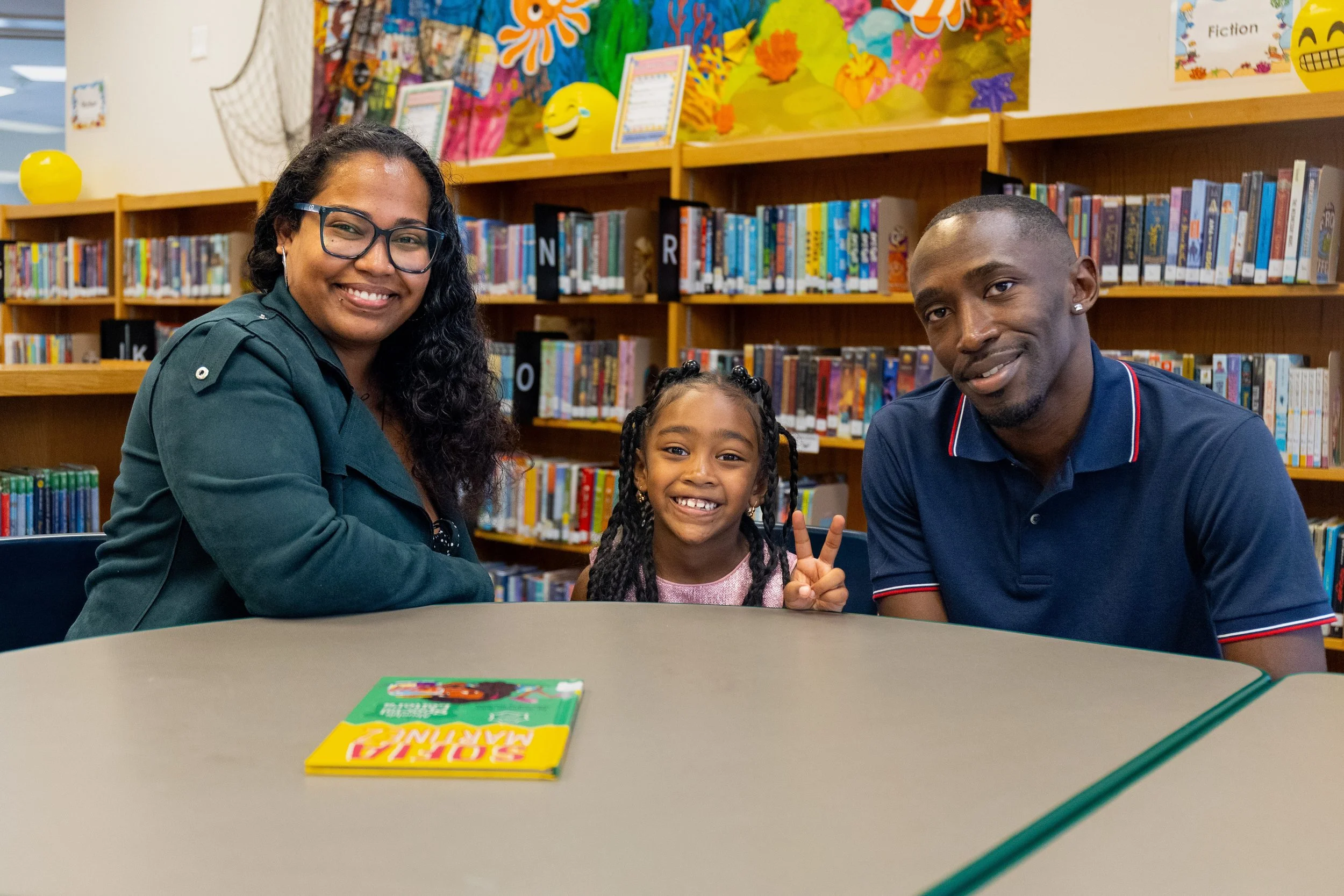
We've already seen what's possible. In five years, we've witnessed a young mother who aged out of foster care secure stable housing for her family. We've watched kindergarten families breathe easier knowing they have savings for their children's future. We've seen countless families gain the ability to dream bigger and prepare for what's ahead. These stories remind us why we do this work—they're proof that our strategy works, that patient investment pays off, and that economic justice is achievable when we commit to it and stay the course.
Yet right now, our region faces unprecedented challenges—federal policy shifts that threaten vulnerable communities, economic uncertainty, and attacks on the very institutions designed to create opportunity. In moments like these, some might question whether to continue investing in long-term solutions. But this is precisely when we must stay the course. No matter what happens in our region, or across this great country, we know that you can't address issues of inequality and injustice in a short time span. We understand that our investments are just the beginning of a transformation, not the end of it and that it will require consistent, persistent work from all of us to achieve our ultimate goal.
This is what a century of Black History Month teaches us: that the most important battles for justice are not sprints, but marathons and if we continue to run, we will win! That preserving memory and telling truth creates the foundation for future progress. That when we commit to values—as Dr. Woodson committed to education, as my ancestors committed to family and community, as we commit to justice—we must stay true to those values even when the work is hard, even when progress feels slow, even when the path forward isn't clear.
This February, as we mark 100 years of Black History Month, we honor not just the past but the persistent work of building a more just future. We honor the vision of those who planted seeds they would never see bloom. And we recommit ourselves to the long, essential work of closing wealth gaps, creating opportunities, and ensuring that prosperity reaches every corner of our region.
My ancestors taught me that transformation takes time, that justice requires commitment, and that the work of one generation becomes the foundation for the next. As we celebrate this centennial, let us carry forward their example—staying true to our values, investing in the here and now, and in long-term solutions, and trusting that the seeds we plant today will bear fruit for generations to come.