Voices of the Region: A People’s Celebration of Greater Washington
This summer, as the country marks its 250th anniversary, The Community Foundation is launching Voices of the Region — a storytelling campaign that celebrates Greater Washington through the people who live, give, and build here.
Ours is one of the most diverse and dynamic regions in the country, and its story is told not by any single institution, but by the people who show up for it every day. Rather than letting someone else define what this moment means for our community, we want to tell it on our own terms, through our own voices.
Below are just a handful of those voices from across DC, Maryland, & Northern Virginia.
-
Where do you live in the DMV, and how long have you called this region home?
I live in Alexandria, VA along the Route 1 corridor of Fairfax County, Virginia, where I've called home for more than 17 years. As a Detroit native, this community welcomed and shaped me, ultimately becoming the place where I've dedicated my life to serving others. Today, I'm proud to not only live here but to work alongside residents every day to help strengthen the communities we all call home.
What does this community mean to you — and what does it look like at its best?
To me, this community means family. Like any family, we've faced challenges, heartbreak, and barriers that have tried to divide us or hold us back. Yet time and again, I've watched our community rise together with love, joy, resilience, and an unwavering commitment to one another. That's what makes this region so special.
At its best, our community understands that our diversity isn't something to overcome, it's our greatest source of strength and innovation. It looks like neighbors becoming partners, youth leading alongside seasoned leaders, and residents, nonprofits, businesses, philanthropy, and government working shoulder to shoulder to build opportunities that are created with the community, not simply for the community. It looks like choosing humanity over division, collaboration over competition, and investing in one another's success because we recognize that our futures are interconnected. I've witnessed the extraordinary transformation that happens when we stop seeing people as recipients of change and instead embrace them as co-creators of it. That's when trust grows, leadership emerges, and communities don't just recover, they thrive. Because when we create the conditions for one person to rise, we create the possibility for all of us to rise together.
What’s the most important thing happening in your community right now that you wish more people knew about?
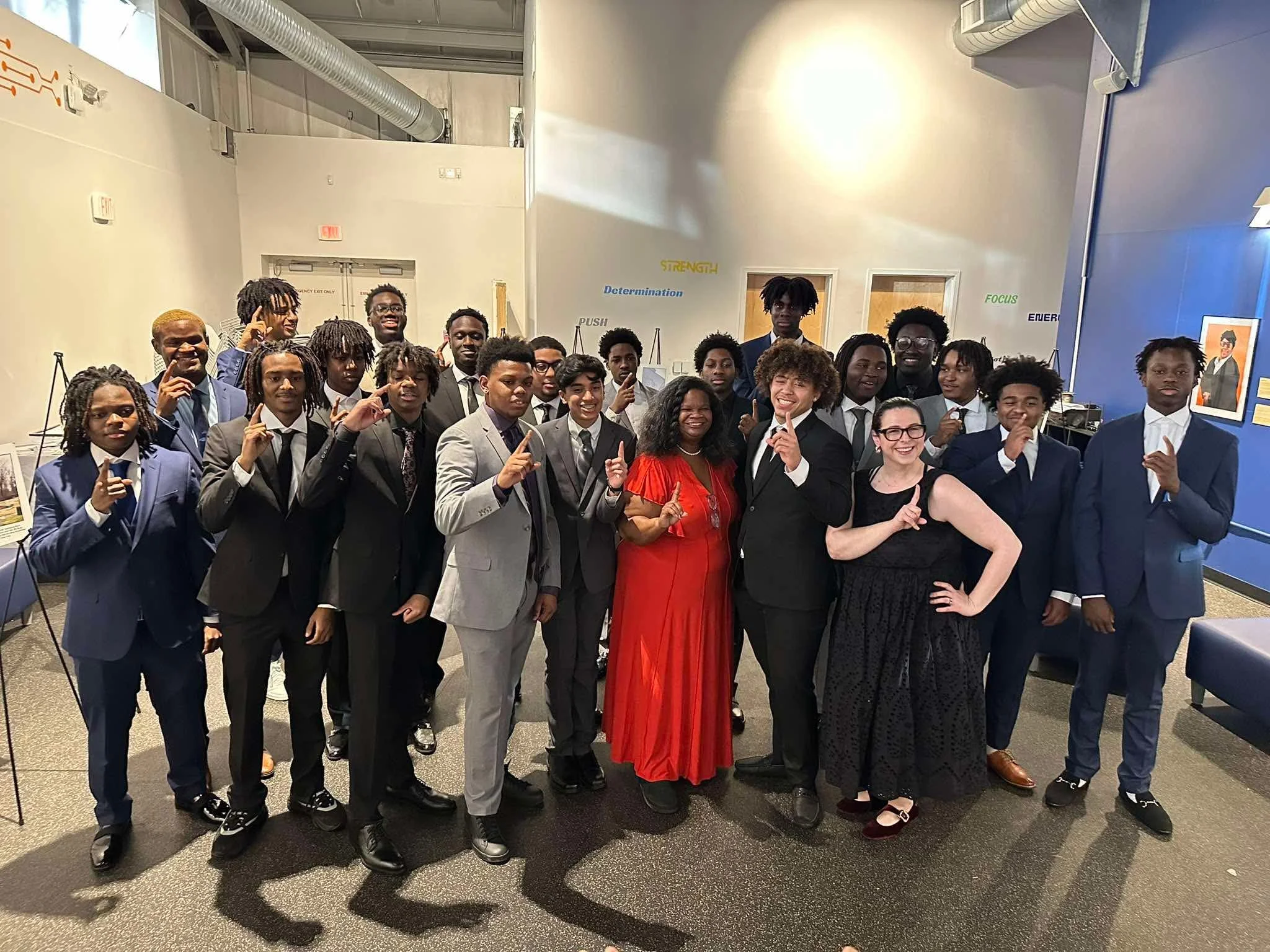
There is an incredible movement of community-led leadership happening that often goes unnoticed. Along the corridor, residents, especially young people and those with lived experience, are stepping into leadership, designing solutions, and changing systems from the ground up. Through initiatives like COMMUN1TY+ and the 1 Brotherhood Empowered Teen Leadership Program, I've watched people who were once overlooked become advocates, mentors, and changemakers. The future of our community isn't being built solely in boardrooms; it's being built in neighborhoods, community centers, schools, and around tables where every voice matters.
Finish this sentence: “When I think about what this community is capable of, I think about…”
When I think about what this community is capable of, I think about creating safe spaces where residents—especially young people—can discover their power, lead with confidence, and shape the future of their neighborhoods. I think about communities where lived experience is valued, youth are trusted as leaders today—not just tomorrow—and every generation works together to create lasting change. When we invest in people, cultivate leadership, and build from hope instead of fear, we create healthier, wealthier, and more connected communities that will thrive for generations to come.
-
Where do you live in the DMV, and how long have you called this region home?
I was born and raised in northwest DC, growing up in Mt Pleasant, I attended high school at Woodrow Wilson HS (Now Jackson Reed High).
What does this community mean to you — and what does it look like at its best?
This community means everything to me. DC at it’s best is a city that grapples with the deep racial and economic segregation that affects us all. Art and music bring people together in free gatherings and communities organize to take care of our loved ones and keep us safe.
Is there a person, place, or moment in your life here that shaped how you see your community?
The people that shape how I see my community are the dedicated grassroots community organizers that stand for truth and justice. Their dedication to facing the hard truths of our city, and building a more equitable and just society inspires me every day.
What do you hope people will say about what this community built — 50, 100 years from now?
100 years from now, God willing, we’ll look back with gratitude that we did not give up on the educational and cultural reform that must take place for us to build a better society founded on justice, compassion, and truth.
-
Where do you live / how long?
I live in Gaithersburg — twenty years now.What does this community mean to you, at its best?
It works like a beautiful tapestry — neighbors, schools, churches, and businesses interwoven and holding each other up so no family has to raise kids or build a life in isolation. For too many families here, especially immigrant and underserved ones, that village is missing or broken. At its best, this region works together to bridge the divides and stitch together a better future for everyone.Is there a person, place, or moment in your life here that shaped how you see your community?
In 2022 I ran for County Council and lost. What I gained instead were valuable connections and partnerships with members of the community, including the person who won, Dawn Luedtke. I also obtained a far wider understanding of what this community actually needs. The loss ended up being a big win for me that has opened the door for me to be more effective in my work.How would you finish this sentence: "When I think about what this community is capable of, I think about..."
...The Well Center - a dream that is now reality and open to serve hundreds of families in the Gaithersburg area. This took multiple partners, persistent community support, and broad sector alignment to build a $3.5 million space for early learning, family supports, and economic development all under one roof. This space demonstrates the capability of this community and I am eager to see the community benefit in action.
-
Where do you live in the DMV, and how long have you called this region home?
I live in Glenn Dale, Prince George’s County, Maryland, and have called it home my entire life.
What does this community mean to you — and what does it look like at its best?
In many ways, this community is a glimpse of what our nation could be. The County has a mix of agricultural and urban landscapes allowing people from all walks of life to find a place that’s comfortable; it provides public transportation that connects us and, increasingly, the transit-oriented development that anchors us to it. It contains communities founded by people of color, which today still thrive and where children grow up with the guidance of doctors, business owners, and community leaders who look like them. At its best, this is a place all can call home and belong.
What’s something about this region that you think deserves more recognition than it gets?
The sheer creativity and ambition that resides in Prince George’s County. Growing up in PGCPS, many of my classmates went on to become culinary artists or craftspeople or musicians, and I’m blown away when I’m in the kitchen or studio with them. From the food trucks that pepper my backyard of Lanham-Seabrook, to the Blue Line Corridor’s makers and citizen journalists, the deep-seated drive to do bigger things—to contribute meaningfully and build upon our history—becomes clear.
Finish this sentence: “When I think about what this community is capable of, I think about…”
…a community that has turned vacant land into third places and living space; affordable, with chef-driven food halls animated by local artists and musicians. In my time with LISC and co-convening the Blue Line Corridor Coalition, I’ve grown to see my home from a new perspective. I’ve seen a wider breadth of what and who this County has to offer, and the overlooked assets we bring to the broader DMV. I think about how our local culture can become a new hallmark for the entire DMV region.
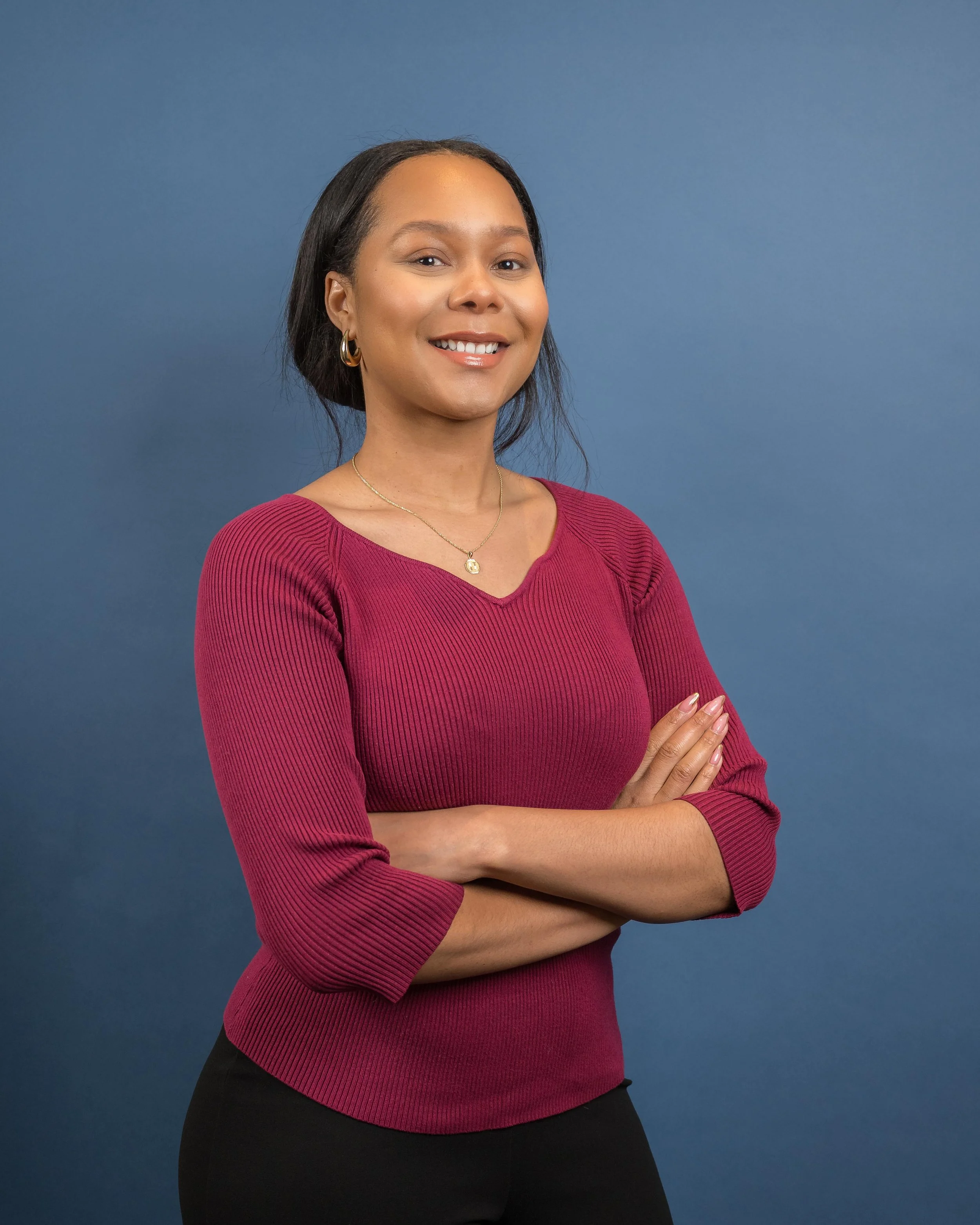
-
Where do you live in the DMV, and how long have you called this region home?
I have lived in Prince George's County for nearly 5 years.What does this community mean to you, and what does it look like at its best?
This community means opportunity for people of color, particularly Black people — a place where we can build our careers and experience the American dream.Is there a person, place, or moment here that shaped how you see your community?
Working with the youth in both DC and Prince George’s County are the moments that shape how I see the community. Through my work at my previous organization Educare DC and my work with our Brilliant Futures partner, Bradbury Heights Elementary, I had a front-row seat to the authentic DMV native experience, and a daily reminder that the youth face many barriers but also have so much promise. What gives me hope is knowing that children's savings accounts are already helping set these students up for success, giving them something tangible to look forward to when they graduate high school.I also want to highlight Go-Go music, the signature sound of the DMV which continues to shape so much of the culture here and really speaks to the creativity and the authenticity of the region — New Impressionz is a personal favorite.
What do you hope this region looks like in the years ahead?
I hope this region becomes a place where people of all economic status and social class can thrive. I've come to realize I'm having something of an expat experience here, while people who've called the DMV home for generations may be having a harder time accessing stability and mobility. So, in the years ahead, I hope the region keeps investing in the communities that have been overlooked, giving them the support and opportunities they deserve. I also hope this region can overcome systemic barriers as they arise and continue to build an even stronger community.
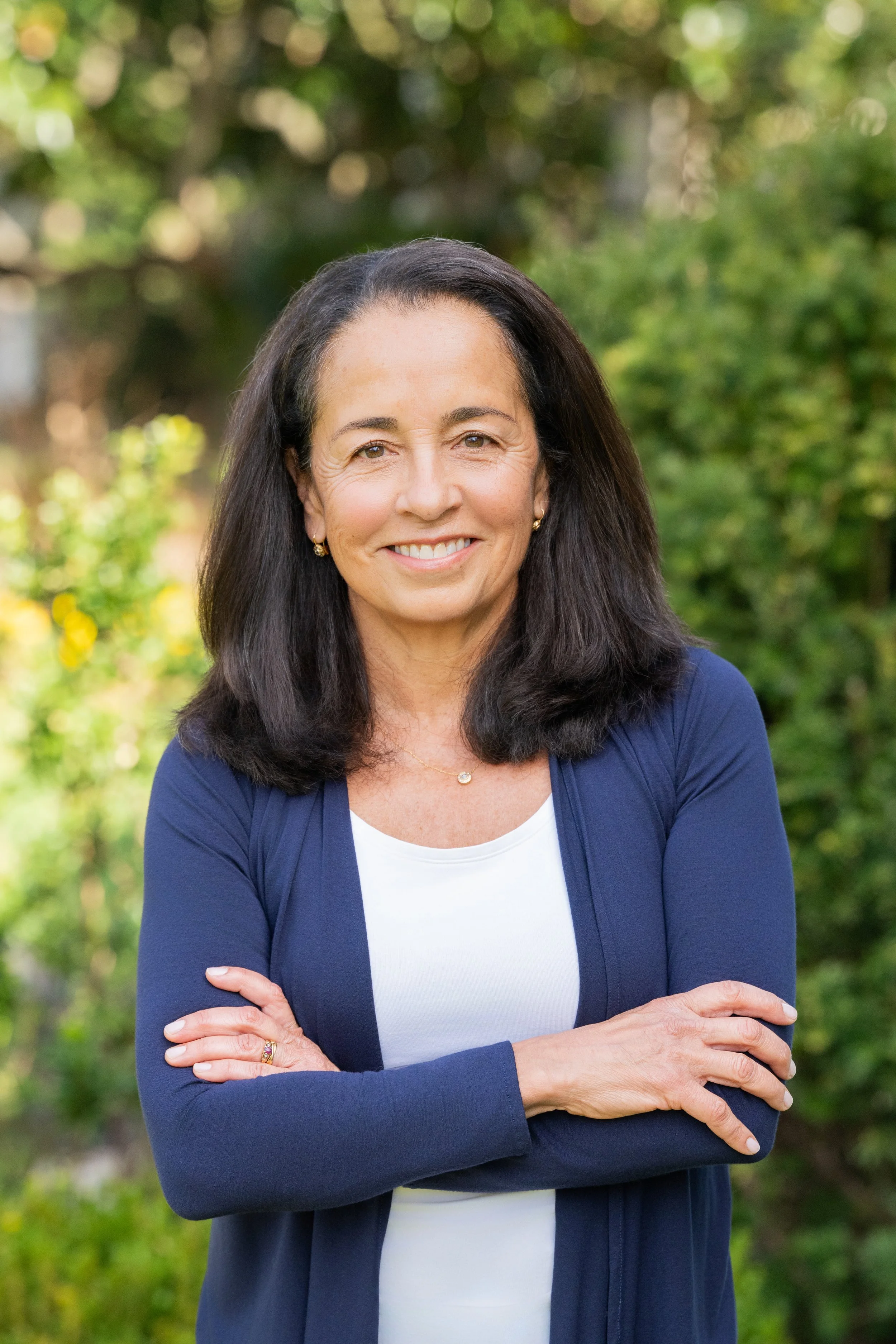
-
Where do you live in the DMV, and how long have you called this region home?
Since coming here in the 80s, I have called the District of Columbia home. I first moved to DC in 1986 and lived in the Brookland neighborhood. At that time, my oldest sister lived there with her husband, and they graciously housed me for my first few months here. I loved living in Brookland; it looked very different in many ways then from what it is now. After that, I lived (in group houses) in Woodley Park and Cleveland Park. Law school took me away from DC during the school year, though I still considered DC home base, and returned for work both during summer breaks and then permanently after I graduated. I lived in Adams Morgan briefly, then bought my first house, with my husband, in Mt. Pleasant in 1992. Since 1996, I have called the Chevy Chase neighborhood of DC home. Our three daughters were born and raised in DC.
What does this community mean to you — and what does it look like at its best?
Like many major urban areas, and as all of us residents know, DC is a city of neighborhoods both distinct and familiar. In the decades since I first moved here, I’ve observed the boundaries – both imagined and real in the sense of demographics - shift many times. Always, however, DC has seemed to me like a magnet for people from around the country and from all corners of the world.
My heart is in DC because of the communities I have become a part of; the communities who have invited and welcomed me. Following the model set by my parents, to be a part of a community meant to me becoming involved as a contributor and an advocate, especially for those in our community who were newcomers or less well-resourced.
At its best, DC celebrates and embraces the richness of our differences, supports those who need help, and provides opportunities to flourish for all members of our community.
What’s something about this region that you think deserves more recognition than it gets?
To be our best selves, which often means filling in gaps where government resources are inadequate, DC residents have created a wide and deep network of community-based organizations that do the things necessary to give hope for that version of us. From health care to education, from environmental sustainability to entrepreneurship, and for so many other things, DC is doing it! I can think of no other region or city that has, on a per-capita basis, as rich a network of organizations large and small, formal and informal, as exists in DC. The fact that so many are willing and able to engage with our communities through our many non-profits speaks to the intrepidness, generosity and love for our neighbors that characterizes the best of DC.
What do you hope this region looks like in the years ahead?
It is my fervent hope that some significant changes in national leadership create a more supportive backdrop for a successful and healthy DC. Because of DC’s unique status as a non-state, we of course are beholden to factors not within our control. With a more enlightened and compassionate national leadership, I envision a DC with Congressional voting representation, and therefore a DC that can truly chart its own course. The needs and wants of its residents will be served by leaders chosen by DC residents whose voices all deserve to be heard.
-
Where do you live in the DMV, and how long have you called this region home?
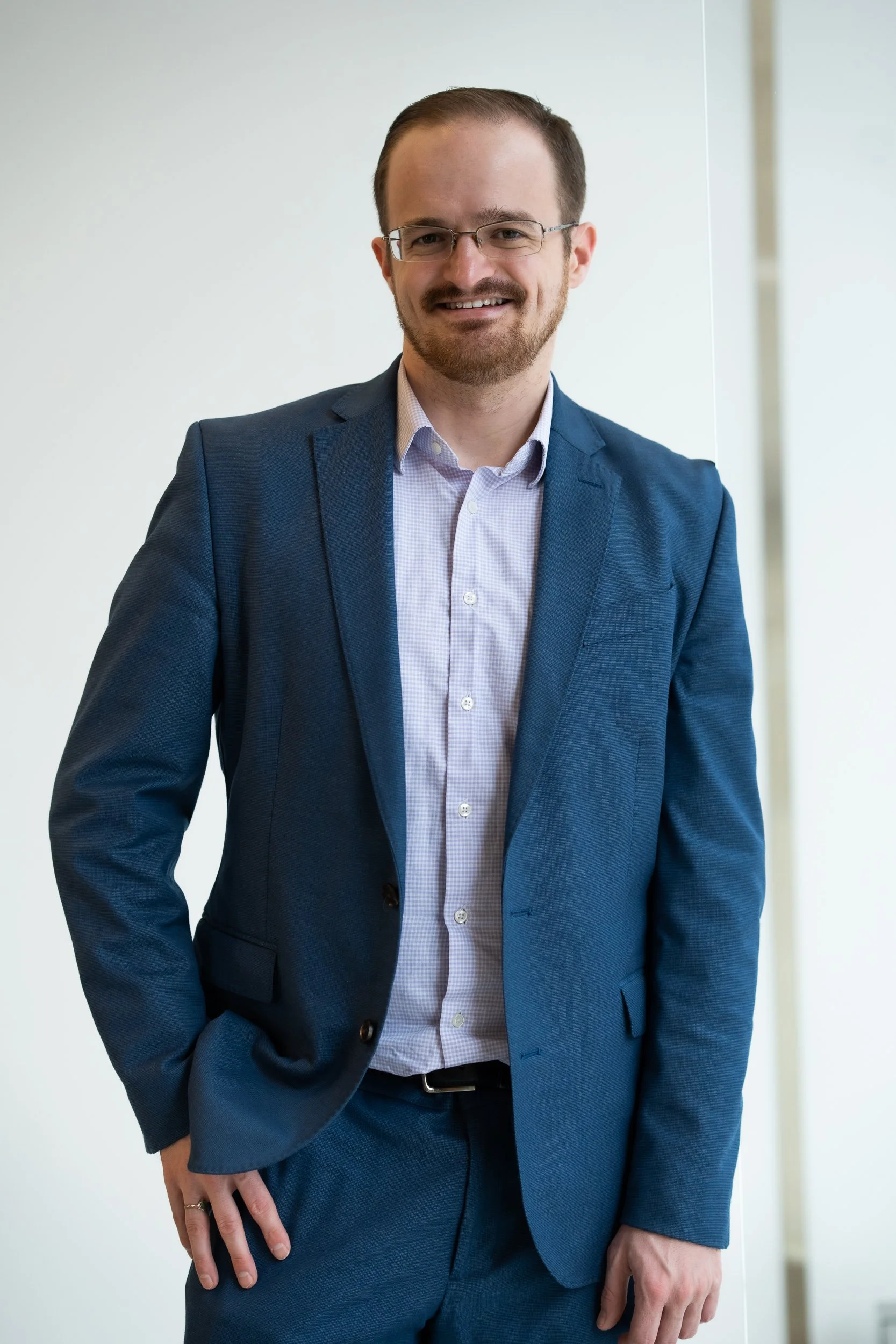
I live in Northern Virginia. The DMV has been my home for almost 30 years.
What does this community mean to you — and what does it look like at its best?
The DMV at its best is a thriving ecosystem where people from all races, places, identities, and backgrounds feel welcome, seen, and celebrated. As a region, it attracts people from all over the world – some only stick around for a year or two, some have been here for generations – but each of them have unique experiences, perspectives, and skills that have changed how I see the world and the amazing people in it.
Is there a person, place, or moment in your life here that shaped how you see your community?
When my dad first moved to the DMV, a friend invited him to an activity at a local Spanish congregation, where he was embraced by families from all over South and Central America. Despite coming from a very different cultural background, he felt a great love and sense of community while he was there - which resulted in many meaningful and lasting relationships that impacted his life and the lives of my entire family.
The experience taught me that community is more than coming from the same place, having the same beliefs, or speaking the same language; it’s about creating space so that people can feel seen, heard, loved, and valued.What do you hope people will say about what this community built — 50, 100 years from now?
I hope people say it’s a place where everyone belongs and feels like it’s their home – no matter where you come from or how long you’ve lived here.
-
Where do you live in the DMV, and how long have you called this region home?
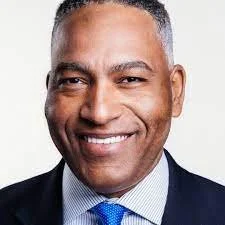
I live in Prince George’s County, Maryland, and have called the Washington metropolitan region home for more than four decades. This region has been the place where I attended University of Maryland, built my career, raised my family, developed lifelong relationships, and found countless opportunities to serve.
While my work has taken me across the country and around the world, Prince George’s County has always remained home. It has shaped who I am, provided opportunities for me to grow, and continues to inspire my commitment to giving back.
What does this community mean to you - and what does it look like at its best?
This community represents “possibility.” At its best, the Washington region is a place where people from different backgrounds, experiences, and perspectives come together to solve some of the nation’s most complex challenges.
Prince George’s County, in particular, represents the power of talent and potential. It is a community filled with innovators, entrepreneurs, educators, public servants, and young people who are capable of extraordinary things when given access, opportunity, and support.
The best version of this community is one where success is not determined by where someone starts, but by whether they have the opportunity, encouragement, and resources to reach their full potential. That success sparks pride. It is the kind of pride you feel when you hear that someone from the county has achieved something meaningful because their success feels like our success. Their accomplishments represent the potential that exists within our community reminding us of what is possible when talent, opportunity, and support come together.
Our responsibility as leaders is to help create those opportunities, remove barriers, and cultivate an environment where talent can flourish and where the success of one person inspires pride and possibility for everyone.
What’s something about this region that you think deserves more recognition than it gets?
Prince George’s County is often recognized for what it is near, but not always for what it produces. This community is home to tremendous talent, entrepreneurial energy, academic excellence, creativity, and leaders who are making an impact locally, nationally, and globally.
There is a tendency to underestimate communities that have historically been overlooked. What deserves greater recognition is the innovation, resilience, and leadership that already exists here. The challenge is not finding talent but rather ensuring that talent has the visibility, resources, mentorship, and pathways needed to succeed.
Some of the most impactful ideas and leaders of tomorrow are already here. They simply need the opportunity to be seen, supported, and empowered.
Finish this sentence: “When I think about what this community is capable of, I think about…”
When I think about what this community is capable of, I think about the next generation of leaders who are already emerging. This includes entrepreneurs, students, innovators, and community builders who possess the passion, creativity, and determination to take ideas and visions further than we can imagine today.
As current leaders, one of our greatest responsibilities is recognizing that our true measure of success is not only what we accomplish ourselves, but the opportunities we create for others. The greatest value we can find from leadership is knowing that we are helping develop a community of talented, passionate, and capable individuals who will build upon what we started and create an even stronger future.
When we invest in people, provide access to opportunity, and believe in the potential around us, we do more than strengthen a community; we help shape the leaders who will carry it forward.
-
Where do you live in the DMV, and how long have you called this region home?
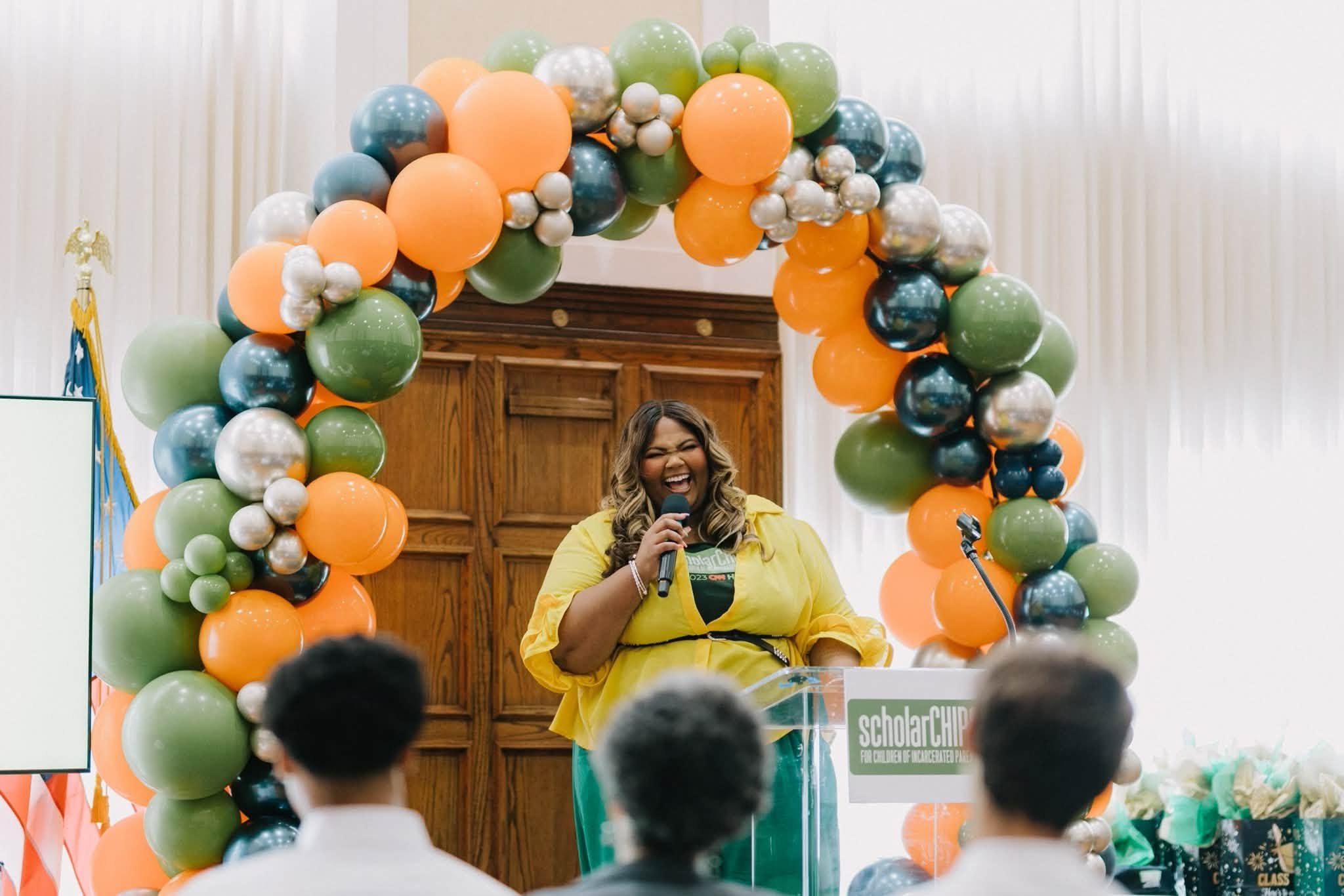
I live in the Brookland neighborhood of Washington, DC and I have called this region home all of my life, since I was born in the early 90s.
What does this community mean to you — and what does it look like at its best?
DC is a special community and for me it is home. DC at its best, looks like greeting and laughing with neighbors, collaborating with community members to amplify their businesses and positive causes and more!
What’s the most important thing happening in your community right now that you wish more people knew about?
Washington, DC is being gentrified at a massive rate, pricing our elders and many people out of the city - beyond its borders, especially further out in Maryland. I think we would be remiss if we do not address this or pretend it's not happening, and for minoirites and African Americans especially to seek education on preservation of property inherited and passed down by family, and on zoning and other topics we generally are not taught about. And for corporations and developers who are constantly developing condominiums, apartment complexes, flipping homes and expanding their chain businesses here, they should be held accountable to give back and invest in the local communities such as nonprofit organization, scholarships for college-bounds teens to go to college, offer internships, etc.
What do you hope this region looks like in the years ahead?
I hope that the DC/Greater Washington Region will preserve its diversity as a melting pot and continue opening up doors of opportunity for people from various backgrounds.
-
Where are you located, and how long have you called this region home?
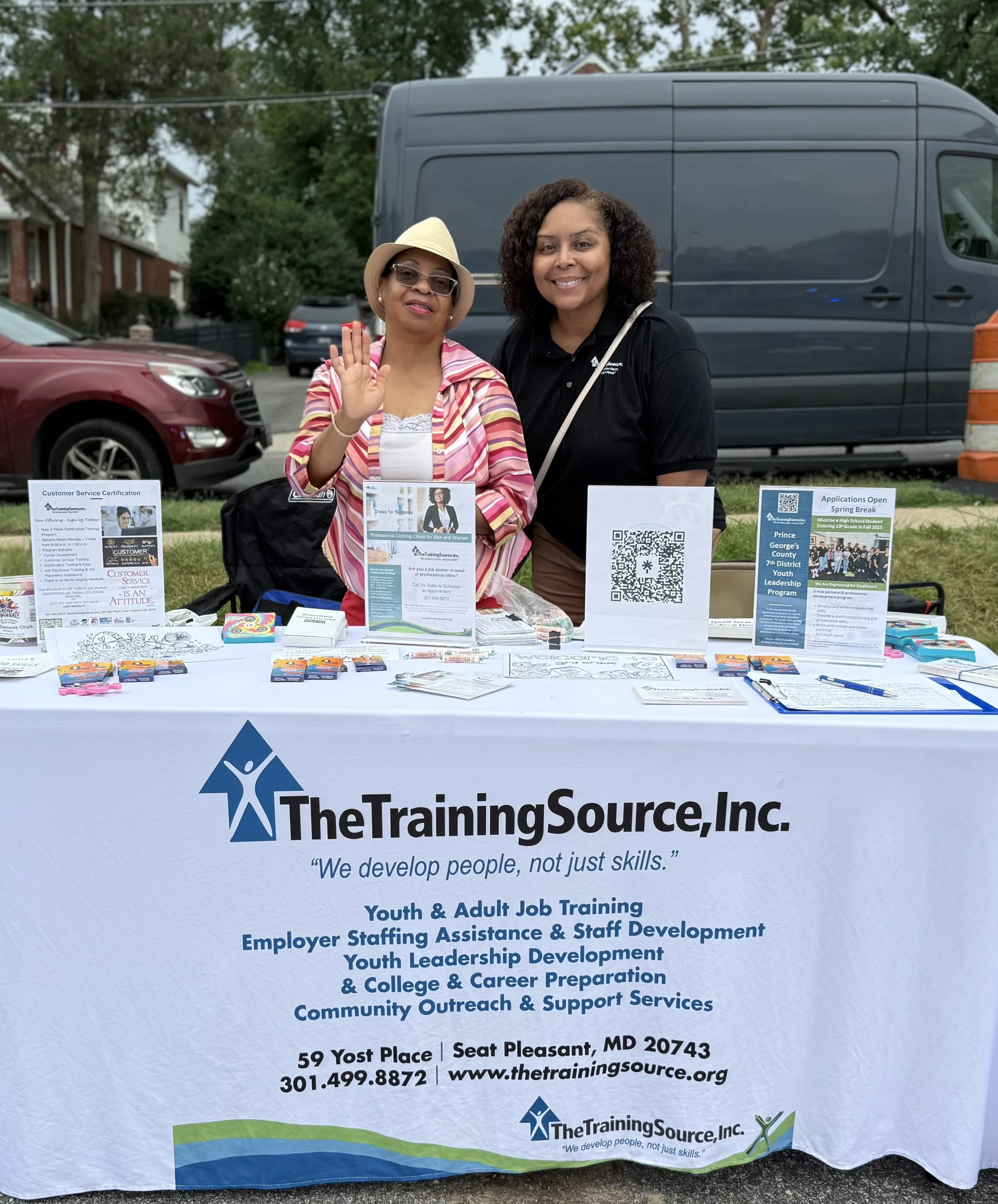
The Training Source has called Prince George's County home for more than 32 years. Located in Seat Pleasant—one of the County's historically under-resourced communities—we proudly serve residents throughout Prince George's County and the Greater Washington region by providing education, workforce development training, youth leadership development, and supportive services that promote economic mobility. Our roots are here, and so is our commitment to ensuring that every individual has the opportunity to thrive.
What does this community mean to you—and what does it look like at its best?
At its best, our community is one where everyone has access to opportunity regardless of where they live, what barriers they have faced, or where they are starting from. It is a vibrant, safe, and connected community where individuals and families can earn livable wages, businesses are thriving and investing locally, affordable housing is accessible, and residents of all ages are engaged and prospering.
We see our community's greatest strength in its people. Every day, we witness resilience, determination, and untapped potential. When communities invest in people through education, workforce development, and strategic partnerships, the ripple effects are transformational—not just for individuals, but for families, neighborhoods, and future generations.
What's the most important thing happening in your community right now that you wish more people knew about?
The workforce is changing rapidly, and our community's needs are evolving with it. More individuals are navigating unemployment, underemployment, career transitions, and the impact of workforce reductions, while employers continue to seek skilled talent. At the same time, there is tremendous collaboration across Prince George's County to strengthen communities through workforce development, economic revitalization, and partnerships. We believe workforce development is community development—when people gain the skills to secure livable wage jobs, families become more self-sufficient, businesses grow, and communities thrive.
What do you hope this region looks like in the years ahead?
We envision a region where economic mobility is accessible to everyone, regardless of their starting point. We hope to see stronger partnerships, thriving businesses, safe and vibrant communities, and more residents equipped with the skills needed for today's workforce. Our vision is a future where individuals, families, businesses, and neighborhoods all prosper together because opportunity is within reach for all.
At The Training Source, we believe economic mobility changes lives. After 32 years, our work remains rooted in a simple but powerful belief—that when we invest in people, we strengthen communities. That is how we show up every day, and that is the future we are working to build.