
Hunger and homelessness don’t take a break, and neither do the people working to end them. This Hunger and Homelessness Awareness Month, Voices of the Region shines a light on the partners across Greater Washington who show up for their neighbors every day, and shares their stories in their own words.
-
1. Who do you serve, and where?
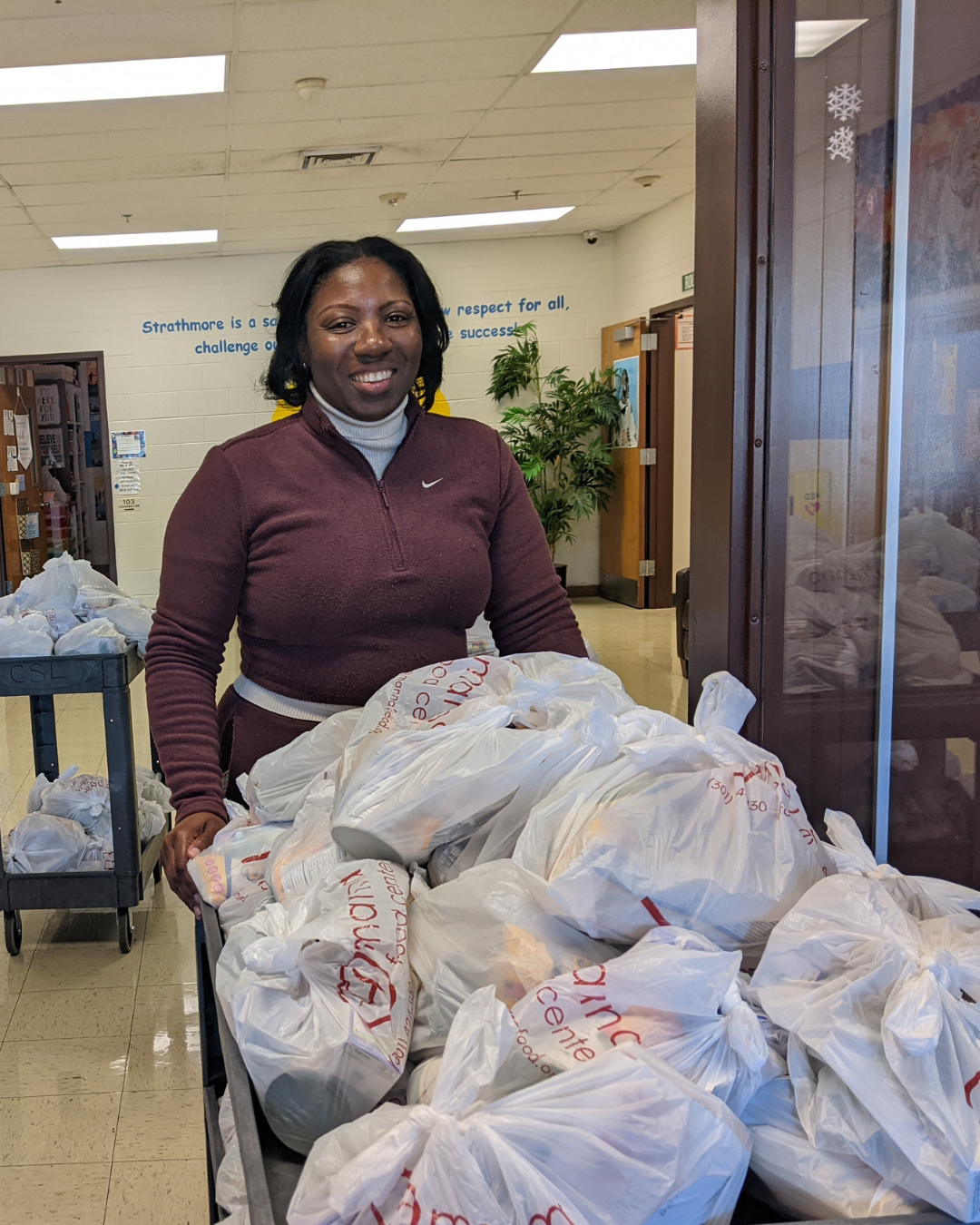
Manna Food Center serves neighbors experiencing food insecurity throughout Montgomery County, Maryland, and we are expanding our work into Prince George’s County. Our neighbors include working families, children, older adults, and people living with disabilities, people whose resources simply aren’t keeping pace with the cost of living in our region. Hunger does not stop at county lines, and our commitment is to help more families access nutritious food with dignity.
2. What services do you provide for neighbors experiencing homelessness or food insecurity?
We provide nutritious food through community markets, school-based programs, home delivery, and partnerships that bring food closer to where people live. We also connect neighbors with food benefits, offer nutrition education, and work with local farms to put fresh produce on families’ tables. Alongside that immediate support, we advocate for policies and investments that help families build lasting stability.
3. What do you think people get wrong or overlook when they think about homelessness and hunger in our region?
People often assume that living in an affluent region means families have what they need, or that having a job protects someone from hunger. Neither assumption reflects the choices too many neighbors face between groceries, rent, medication, and childcare. We also overlook how closely food security and housing stability are connected: helping a family put food on the table can help them stretch the resources they need to remain in their home.
4. What’s one thing you’d want our community to know or do during this month?
I want our community to know that hunger is closer than we think, and every one of us has a role in addressing it. It's simply your time, talent, or treasure that can make a difference. Volunteer with us, speak up for policies that help families afford food and remain stable, or make a gift if you can. Most of all, carry that commitment beyond November. Our neighbors need a community they can count on throughout the year, not just during the holidays.
-
1. Who do you serve, and where?
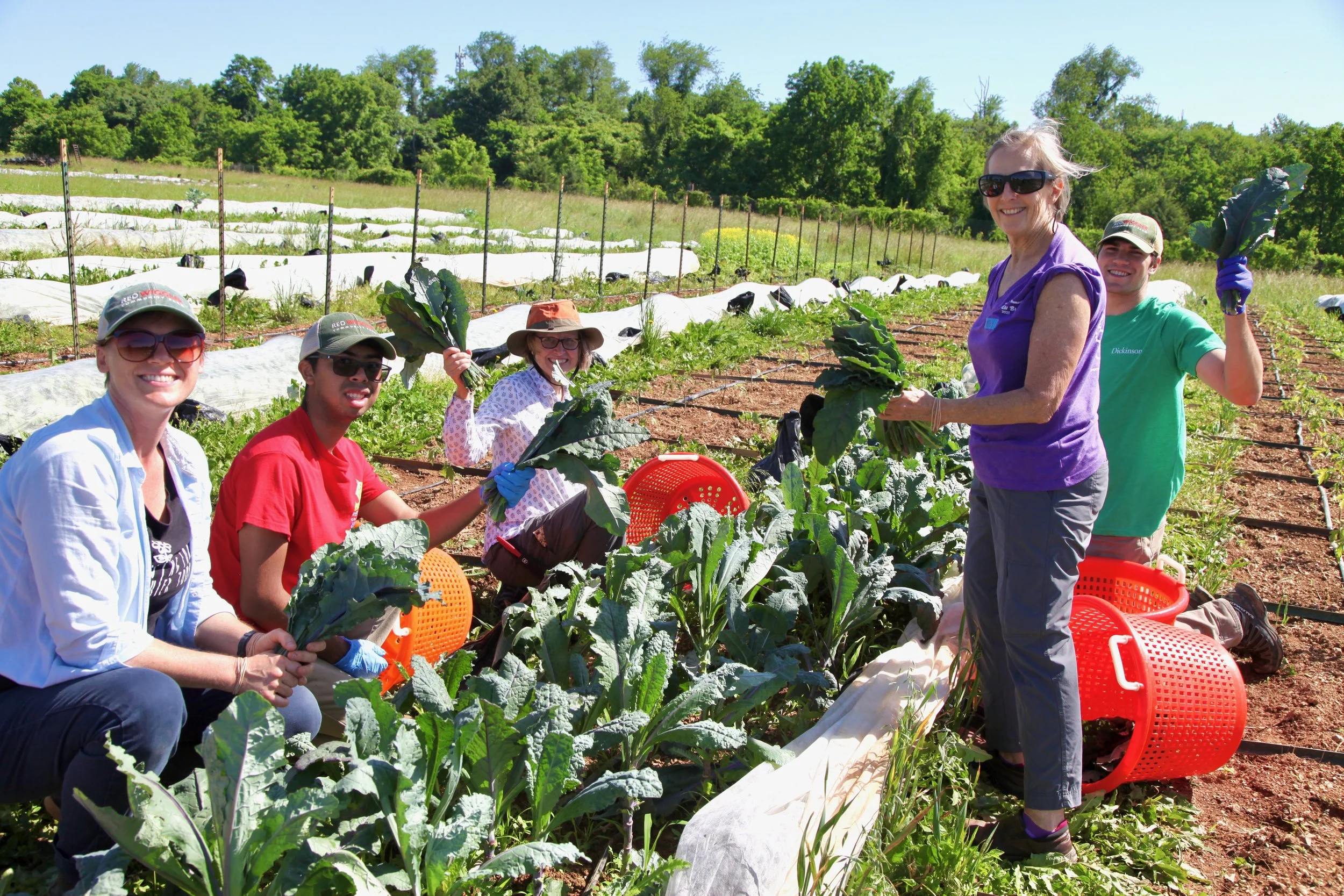
Red Wiggler serves people with and without disabilities through employment, education, and volunteering on our certified organic farm in Germantown, MD and through the distribution of the vegetables we grow throughout Montgomery County.
2. What services do you provide for neighbors experiencing homelessness or food insecurity?
Red Wiggler shares at least half of the certified organic produce we grow with neighbors facing food insecurity. Our Growers, adults with disabilities who are paid staff on our farm, raise this food. They plant, tend, harvest and pack the vegetables that are delivered through local food access organizations, to get the produce to the people who need it most. The work that builds our Growers’ skills and independence also brings fresh, healthy food to families in our community.
3. Can you share a moment or story that captures why this work matters?
Through a partnership with Manna Food Center we provide vegetables to local schools and each year the families that receive our vegetables come to the farm for a tour and a chance to see where the food comes from. We lead them in a bilingual (English and Spanish) tour and seeing up to three generations in a family experience the joy that comes from picking vegetables is always a really meaningful day. We also hear from them what they are most excited to receive and make sure we take that into account when planning for their shares.
4. What's one thing you'd want our community to know or do during this month? - Getting fresh vegetables to neighbors facing food insecurity is about more than nutrition. It’s about dignity that comes from receiving the same fresh, organic produce anyone would want on their own table.
-
1. Tell us about your organization and the community you serve.
For more than 50 years, Sasha Bruce Youthwork has worked alongside young people and families in the Washington, DC region to prevent and end youth homelessness. Our programs offer emergency shelter, transitional housing, drop-in services, counseling, education and employment support, and practical assistance to young people navigating housing instability. We also work with children and families at the Holmes Richardson Center, recognizing that stable families and strong communities are essential to preventing homelessness.
2. How do hunger and homelessness intersect in your work?
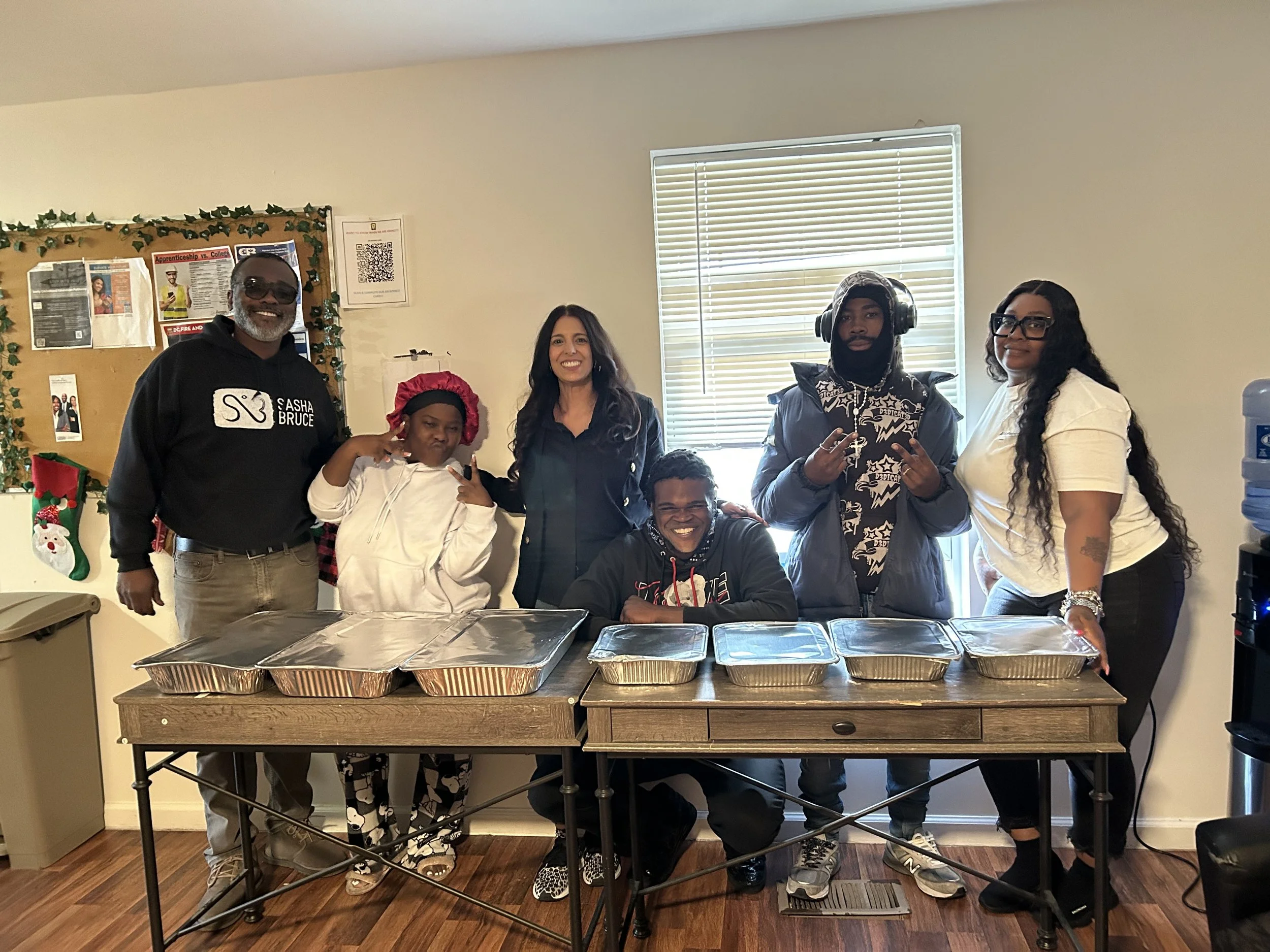
For young people experiencing homelessness, reliable access to food is about much more than nutrition. It creates an opening for connection, safety, and trust. At our Barracks Row Drop-In Center, staff prepare three home-cooked meals each weekday. Young people can sit down to eat in a welcoming environment while building relationships with staff who can help them access housing, health care, employment assistance, and other services. A meal is often the first reason someone walks through our door—and an important reason they feel comfortable returning. At our BEZ program in Prince George’s County, food assistance is similarly part of a broader commitment to helping young people and families meet immediate needs and move toward greater stability.
3. Share a story that illustrates the importance of your work.
A summer breakfast program at our Holmes Richardson Center (formerly the Clay Terrace Family Success Center), supported by Albertsons, showed how something as basic as a good breakfast can make a meaningful difference for children and families. The program served nutritious breakfasts to approximately 40 children ages 3–18, five days a week, and helped ensure that children had food available during the summer months when school meals were not an option. One child summed up the experience with characteristic enthusiasm: “Sasha Bruce be having the bomb breakfast.” The child described the difference between a simple breakfast at home and the eggs, bacon, and French toast available at the center. Beyond the food itself, the program gave children a consistent, welcoming place to begin their day and offered families one less worry. Albertsons has also supported our BEZ Thanksgiving efforts through annual turkey donations.
4. What's one thing you'd want our community to know or do during this month?
We want our community to understand that hunger and homelessness are deeply connected, and that sharing a meal can be the beginning of something much bigger. At our Barracks Row Drop-In Center, three hot meals each weekday help young people feel welcome and build trust with staff who can connect them to housing and other services. Our Thanksgiving Blessings Distribution aims to provide 750 families with turkeys, fresh vegetables, and traditional sides. During Hunger and Homelessness Awareness Month, we encourage neighbors to support local food drives, volunteer, and invest in organizations that meet immediate needs while helping people build a more stable future.
-
1. Who do you serve, and where?
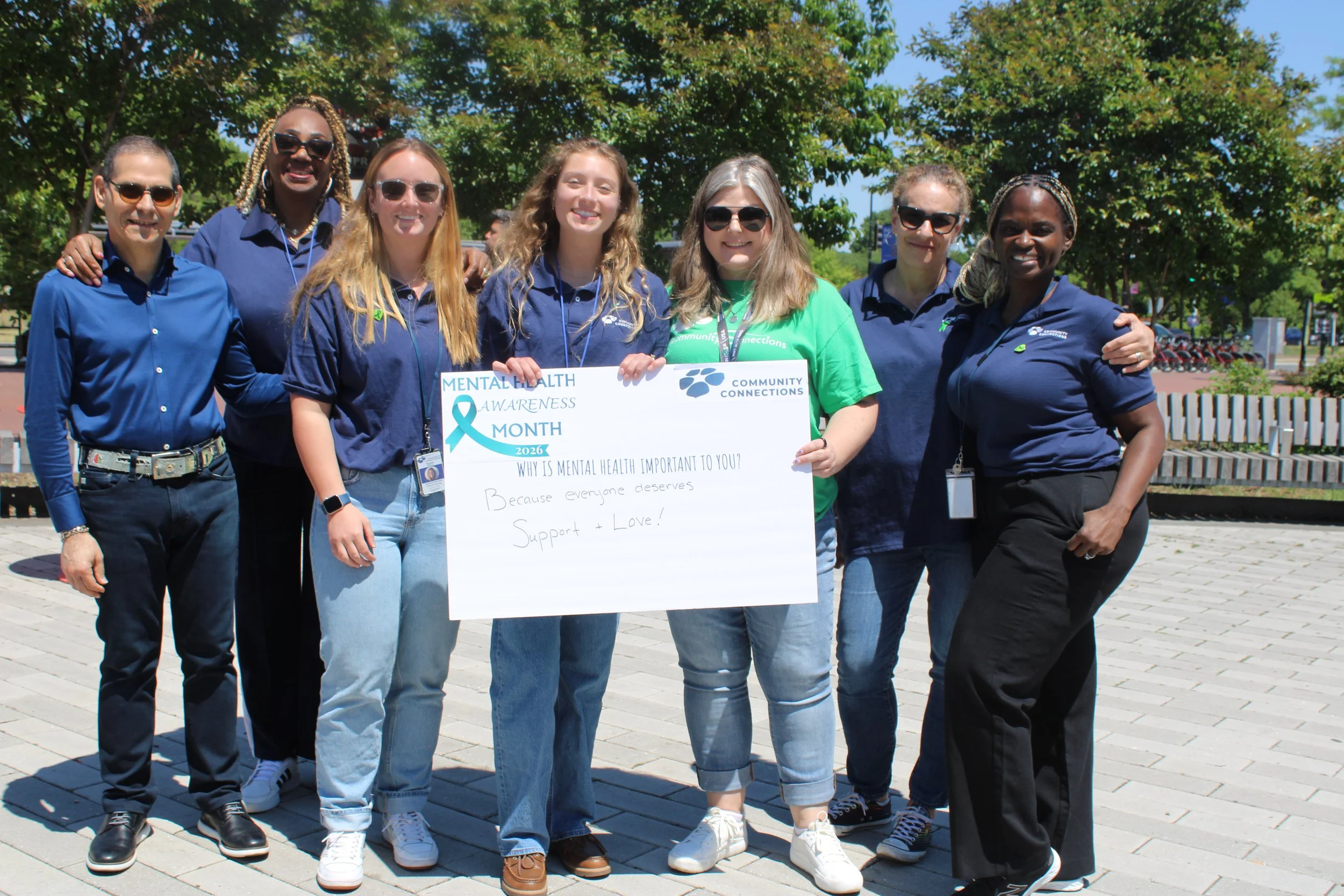
For more than 40 years, Community Connections has served individuals and families across Washington, DC, particularly those experiencing homelessness, housing instability, serious mental illness, substance use disorders, and other complex challenges. We serve approximately 5,000 individuals annually, with a significant portion of those we support experiencing homelessness or housing instability. Our mission is grounded in the belief that everyone deserves access to compassionate, high-quality care and the opportunity to live with dignity, stability, and hope.
2. What services do you provide for neighbors experiencing homelessness or food insecurity?
Community Connections provides a comprehensive continuum of behavioral health, housing, and community-based support services. Our work includes homeless outreach, permanent supportive housing, psychiatric and outpatient behavioral health care, substance use treatment, intensive case management, and community supports that are essential to inform consumers know about community resources, including food assistance, prevent evictions, obtain benefits, and keep important appointments. We support more than 1,000 individuals and families including youth through permanent supportive housing services, helping people not only obtain housing but also maintain stability, improve their health, and reconnect with their communities. We recognize that a safe place to live, access to nutritious food, and quality health care are interconnected foundations of long-term well-being.
3. What do you think people get wrong or overlook when they think about homelessness and hunger in our region?
One of the greatest misconceptions is that homelessness is simply the absence of housing or the result of individual choices. In reality, homelessness often reflects a combination of systemic challenges, including the lack of affordable housing, untreated behavioral health conditions, economic insecurity, and barriers to accessing care. We also overlook the fact that obtaining housing is only the beginning. For many individuals, maintaining housing requires ongoing behavioral health treatment, supportive relationships, and access to basic necessities. Housing provides stability, but the right services help make that stability sustainable. We must move beyond managing homelessness and invest in solutions that prevent it and create lasting pathways to recovery and independence.
4. What's one thing you'd want our community to know or do during this month?
I would encourage our community to see homelessness not as an inevitable condition, but as a challenge we have the collective ability and responsibility to address. Behind every statistic is a person with a story, strengths, aspirations, and a desire for stability and belonging. During Hunger and Homelessness Awareness Month, I hope individuals, businesses, policymakers, and community organizations will look beyond short-term solutions and advocate for sustained investments in affordable housing, behavioral health services, and economic opportunity. Ending homelessness requires more than compassion; it requires meaningful partnerships, coordinated action, and a commitment to ensuring that no one is left behind.
A quote that we just listened to from the CARF surveyors from a consumer they met with during their visit, the consumer we serve stated, "Community Connections completes me." It certainly reminded me of the importance of our work and how fortunate we are to serve such courageous and resilient consumers.
We welcome opportunities to partner with individuals and organizations committed to improving behavioral health and housing stability in Washington, DC. Readers can learn more about our services and opportunities to support our mission through our website: https://www.communityconnectionsdc.org/
-
1. Who do you serve, and where?
Community FarmShare is building a thriving, equitable, connected food system that produces food, health and well-being for people who have the least access to healthy food options, while renewing and protecting the planet by supporting local small-scale produce farmers.Community FarmShare serves over 1,000 households annually in Montgomery County through our Food is Medicine and Farm to School programs. In partnership with Montgomery County Public Schools (MCPS) and community health clinics, we run choice-based Mobile Farm Markets across the county and deliver hand-packed produce bags to schools, clinics, and program participant homes. We source the produce for our markets and produce bags from small-scale farms in Montgomery County.
We are also involved in two Food is Medicine university research projects, one with the University of Maryland (Montgomery and Prince George’s Counties) and one with Johns Hopkins University (Montgomery and Baltimore Counties).
2. What services do you provide for neighbors experiencing homelessness or food insecurity?
Patients and families are referred to us through our school and clinic partners after being screened for nutrition insecurity and/or diet-related chronic disease and determined to be a good fit for our program. Once enrolled, they receive an "MC Market card" that is preloaded with funds every month. Patients and families can use those preloaded funds to shop for produce at any of our Mobile Farm Markets.Our Mobile Farm Markets are open to the whole community, regardless of whether they are enrolled in our programs, so as to increase healthy food access in healthy food priority areas. We accept SNAP and SUN Bucks – purchases made with either form of payment are matched up to $20 by Maryland Market Money – as well as cash, credit, and debit.
For program participants who are unable to make it to our markets for a variety of reasons (transportation, schedules, immigration enforcement pressure), we hand-pack and deliver a week’s worth of produce, whether it be to their school, clinic, or home.
3. Can you share a moment or story that captures why this work matters?
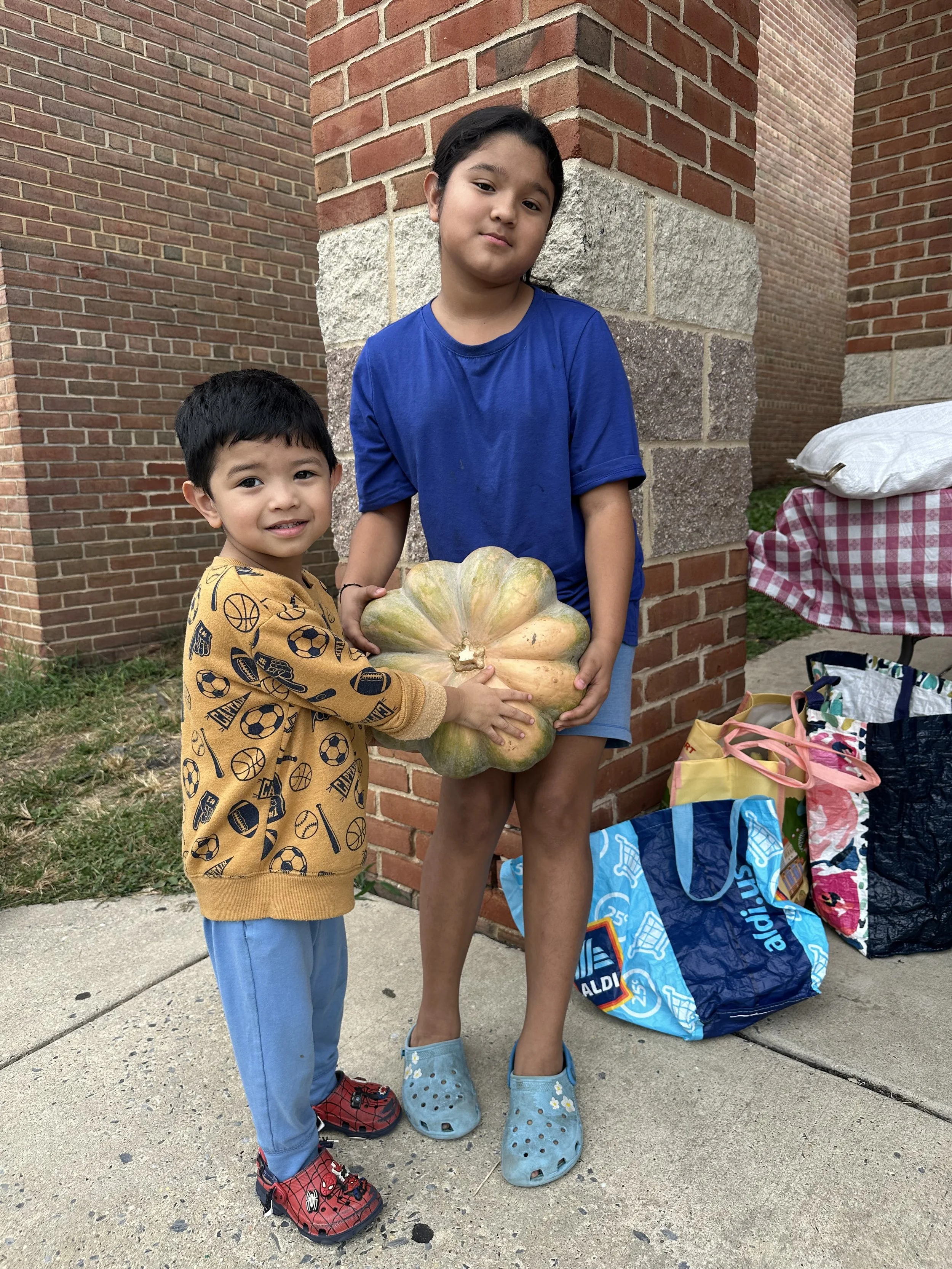
The most effective healthy food access programs are culturally appropriate and choice-based: when families are able to have agency in deciding what to select and cook for their families.We love bringing crops to our Mobile Farm Markets that aren’t easily or often available in grocery stores – things like black-eyed peas, okra, fairytale pumpkins, and a variety of peppers and squashes.
One mother shopping at our market was delighted to find that we had cranberry beans (also known as borlotti beans). She told us that she’d never seen them in the grocery stores here, but her family loves them. She bought nearly 20 lbs of them.
4. What's one thing you'd want our community to know or do during this month?
Did you know that vegetables can lose up to 50% of their nutrients within 3 days of harvesting?That’s why we focus on purchasing produce from local Montgomery County farms: to minimize nutrient loss and provide our communities with the most delicious, nutrient-dense fresh produce possible.
Check out our “Week in the Life” video to learn more - https://www.youtube.com/watch?v=rBqDYZWPCVc
-
1. Who do you serve, and where?
Christ House serves men experiencing homelessness in DC with medical needs. We are based in Adams Morgan, though our patients and residents come from across the city.
2. What services do you provide for neighbors experiencing homelessness or food insecurity?
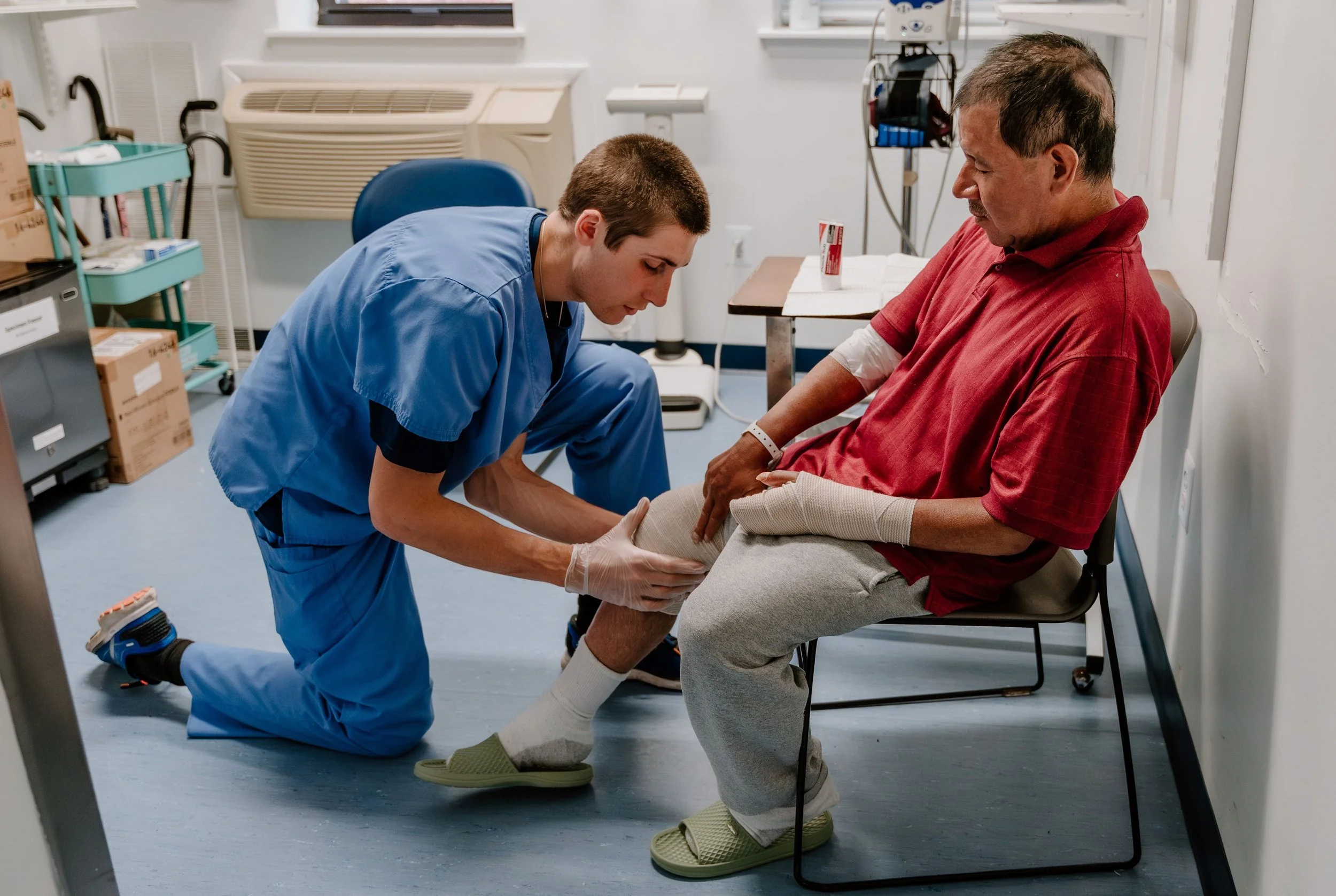
We provide medical respite for acute medical needs, ensuring that patients are able to fully recover from hospital stays or other illnesses in a clean, safe place rather than the street or a shelter. We also provide permanent supportive housing for men with chronic medical needs that would benefit from additional medical support.
5. What do you think people get wrong or overlook when they think about homelessness and hunger in our region?
I think people often underestimate how profoundly homelessness affects a person's overall health and well-being. We tend to think about the needs that are visible: food, clothing, or a place to sleep. The truth is that ending homelessness also requires healthcare, stability, and opportunity for people to experience connection, dignity, and belonging. Folks experiencing homelessness are frequently disconnected from family, friends, and consistent relationships that many of us rely on. The isolation that this causes can have truly devastating effects on mental and physical health.
7. What's one thing you'd want our community to know or do during this month?
I'd love to encourage people to remember that the holidays can be an especially difficult and isolating time for people experiencing homelessness. One of the things that I love about Christ House is that we try to create a community where people know they are not forgotten. We provide medical care, but we also share meals, celebrate milestones, build relationships, and make room for joy. I would love to invite our community to be a part of that! Consider making a donation toward Christmas gifts for our residents and patients. A gift may seem like a small thing, but it communicates something so much more: that you are valued, you matter, and you are part of a community that cares about you.
-
1. Who do you serve, and where?
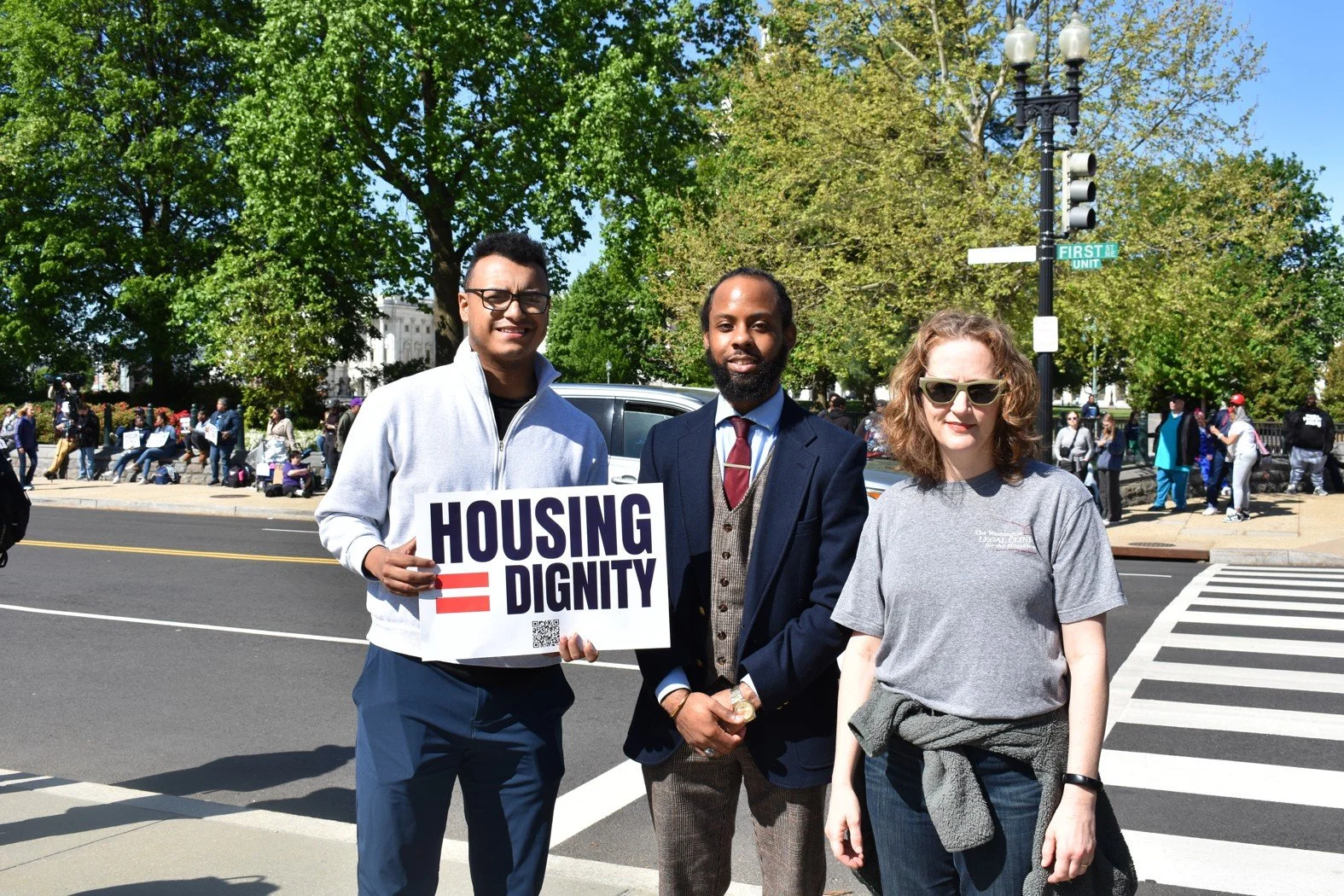
The Washington Legal Clinic for the Homeless is a legal services organization that specializes in the unique legal needs of people experiencing homelessness and poverty, and advocates for solutions to homelessness and housing insecurity in Washington, D.C.
2. What services do you provide for neighbors experiencing homelessness or food insecurity?
We provide free legal advice and representation, know-your-rights education, outreach and community engagement, and systemic advocacy.
3. What do you think people get wrong or overlook when they think about homelessness and hunger in our region?
People underestimate the impact of systemic causes of hunger and homelessness and overestimate the impact of individual choices or circumstances. The reality is that D.C. is an incredibly expensive place to live and that economic development has far too often served higher-income residents while displacing lower-income residents. We cannot end homelessness or hunger without narrowing the gap between people’s incomes and the cost of living in D.C.
4. What are you most hopeful about as you look toward the coming year?
We are hopeful that impending changes in elected leaders, both nationally and locally, will create an opening for the priorities of those impacted by hunger and homelessness to be centered in national and local policy, reducing harm to unhoused D.C. residents and increasing relief in the form of funding for permanent affordable housing and other critical programs.
-
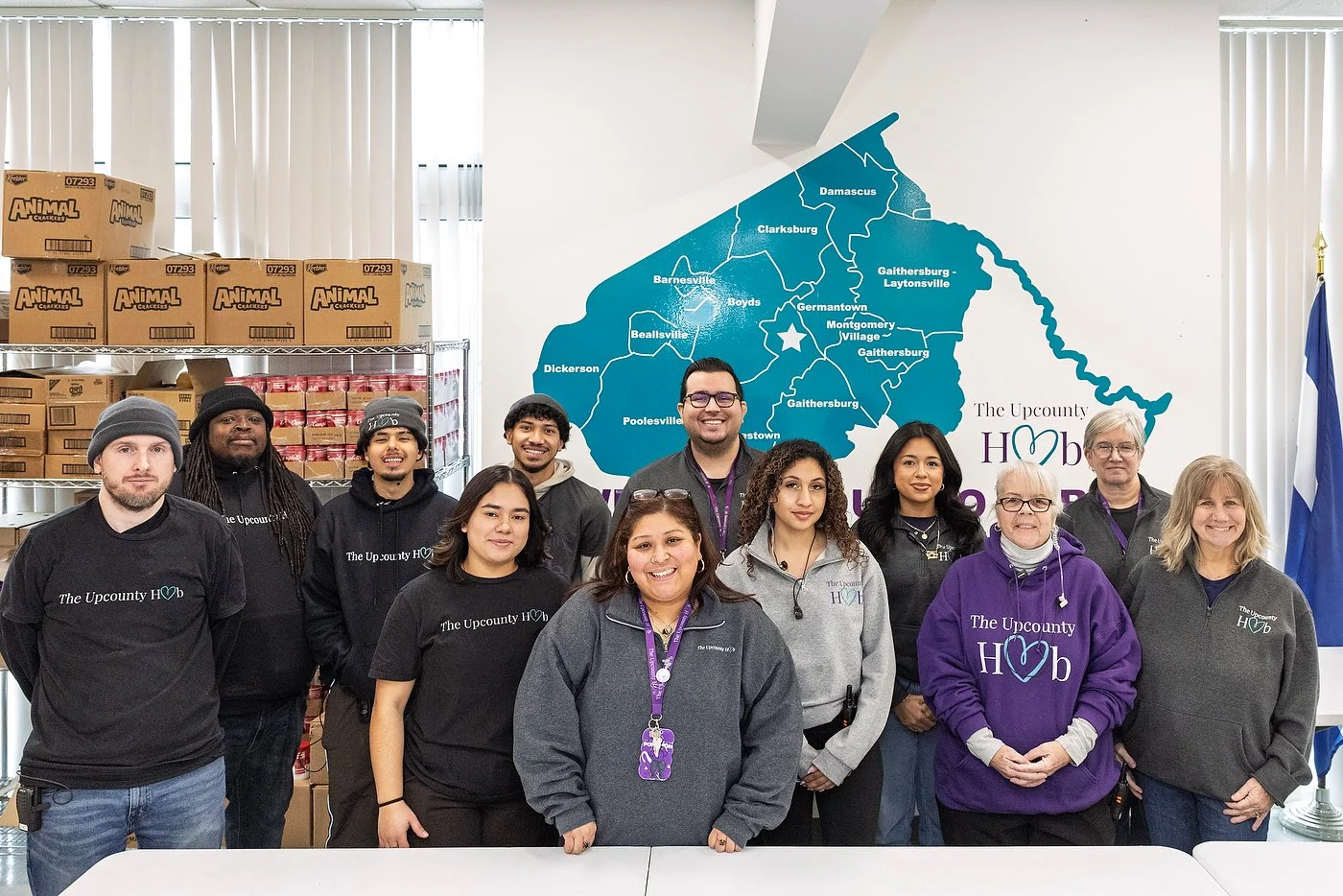
1) Who do you serve, and where?
At The Upcounty Hub we serve upper Montgomery County and surrounding areas including neighbors, schools, churches, and more.
2) What services do you provide for neighbors experiencing homelessness or food insecurity?
The Upcounty Hub offers a variety of food assistance services to support neighbors experiencing food insecurity or homelessness. Our goal is to meet neighbors where they are by providing accessible and flexible food resources that accommodate their individual needs and circumstances.
Below is food assistance The Hub offers:
Direct Food Distribution: Providing food directly to neighbors through scheduled and organized distribution events offered to the public.
Choice Pantry: Allowing neighbors to select food items based on their household needs, preferences, and dietary requirements.
Off-Site Food Distribution: Bringing food resources directly into the community through distribution events at locations outside the Upcounty Hub. Example, churches.
Grab-and-Go Distributions: Offering convenient food distributions in highly populated areas and ZIP codes experiencing greater levels of food insecurity.
Home Delivery: Our most requested food assistance service, providing direct delivery of food to neighbors' homes. This service is especially important for individuals and families who face barriers to accessing food in person or our other distros.
Disclaimer: All distros are no appointment or identification that need to be shown to receive food.
3) Can you share a moment or story that captures why this work matters? (Please leave out any details that could identify someone you serve.)
The Hub learned of a high school student who became homeless after being forced to leave her family home. She was a senior honor student and had a full scholarship to college beginning in several months. She was recommended to go to a county shelter, but that would have meant dropping out of school, something she was determined not to do. Hub staff took the lead in coordination of care with multiple county agencies to help secure temporary housing through the summer and facilitated multiple applications for rental financial assistance with required documentation. Without the Upcounty Hub, she would not have stable housing, especially at a time to complete her senior year of high school.
4) What's one thing you'd want our community to know or do during this month?
This month is a time of giving, a time of thanks, and the chance to come together as a community. In a county as diverse and generous as ours, we should also take time to recognize and support the nonprofits and essential services helping our less fortunate neighbors. As we enter the holiday season, it is important to ensure that families and individuals in need have the resources and support to enjoy the holidays.
-
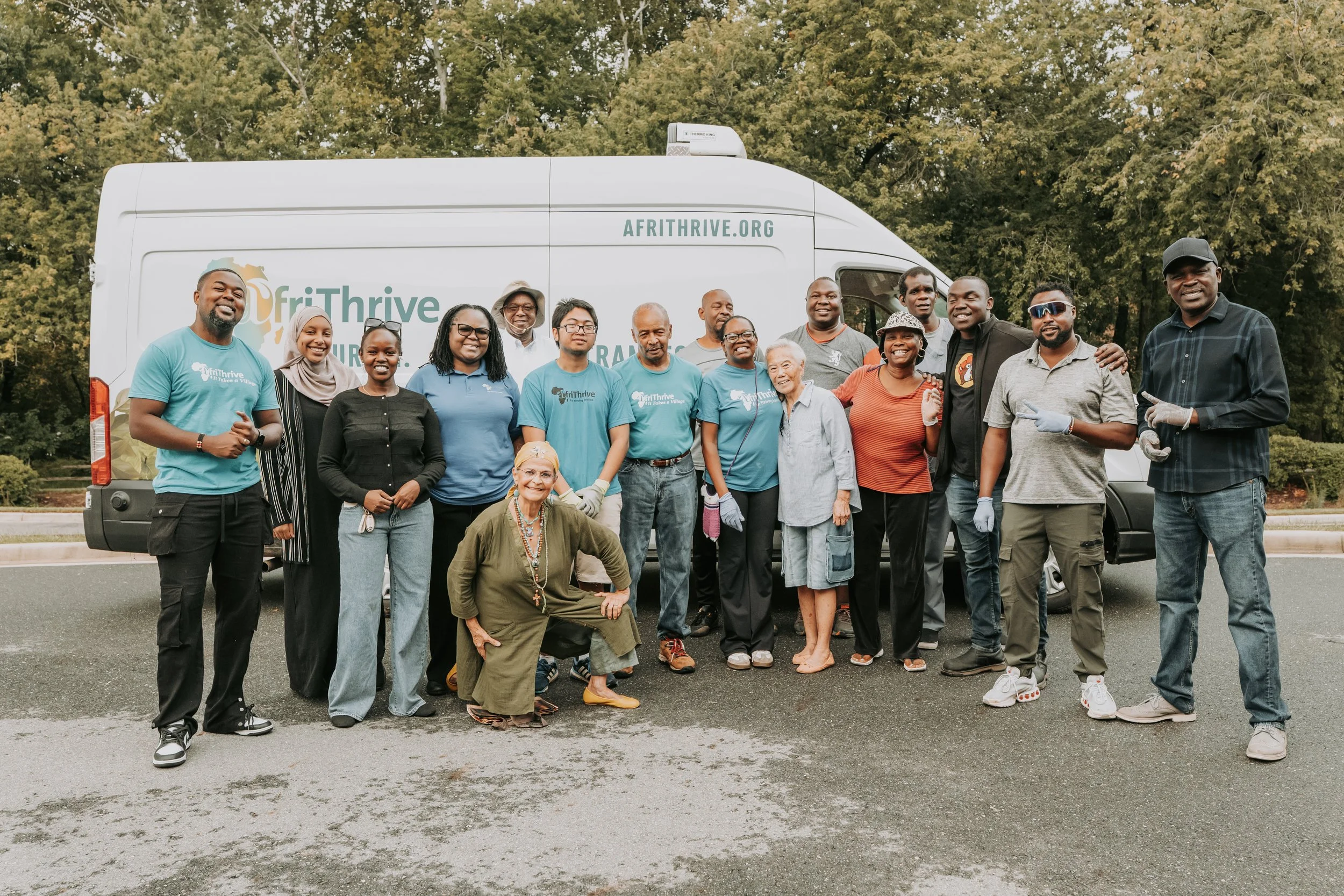
1. Who do you serve, and where?
AfriThrive serves neighbors experiencing food insecurity in Montgomery and Prince George’s counties, as well as Baltimore County and Baltimore City. Our roots are in the African immigrant community, and today we serve families from many backgrounds. We earn families’ trust by showing up consistently, listening to what they need, and offering foods that reflect their cultures and traditions.
2. What services do you provide for neighbors experiencing homelessness or food insecurity?
AfriThrive provides fresh, culturally significant foods through neighborhood distributions and school-based markets, with home delivery through select programs for neighbors who have difficulty getting to a distribution site. At our choice pantries, families can choose foods that reflect their traditions and decide what goes on their own tables. That choice is one way we honor their dignity. Through Food as Medicine, we partner with local health care providers to connect eligible patients and their families with fresh produce and nutrition education that builds on their own food traditions.
3. What do you think people get wrong or overlook when they think about homelessness and hunger in our region?
Hunger can be hard to see in Greater Washington. A parent can work full time and still have little left for groceries after paying rent, childcare, and transportation. For a family without stable housing, even storing groceries or finding a place to cook can be a challenge. I grew up on a farm in Kenya, and I know what it means to cook the greens you grew up eating and share them with your children. You are passing on a piece of home. At AfriThrive, we build trust by listening to families about the foods that matter to them and what they can realistically store and prepare. That’s part of respecting their dignity.
4. What are you most hopeful about as you look toward the coming year?
With cuts to SNAP, I am concerned that more families will lose grocery assistance in the coming year and struggle to put meals on the table. What gives me hope is the trust AfriThrive has earned by showing up week after week and listening to families about the foods that matter to them. Through our school-based markets and Food as Medicine partnerships, families already have access to fresh, culturally significant foods through schools and health care providers they know. Sustained support helps us keep that food available year-round and reach more families as the need grows.