5 Tips for Managing Multigenerational Philanthropy
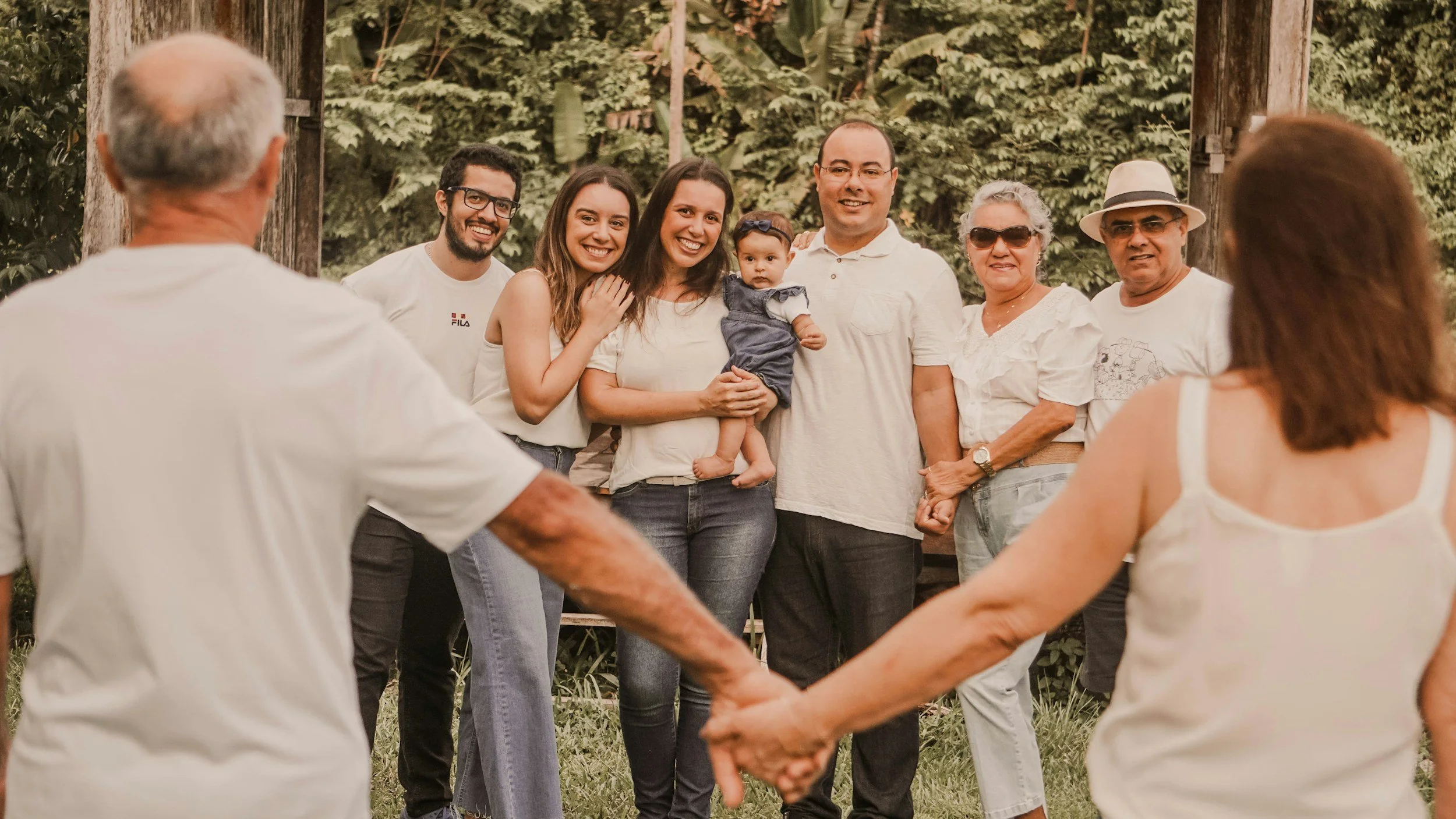
Over the next 25 years, an estimated $124 trillion is expected to transfer between generations, with roughly $18 trillion projected for philanthropic causes. That means more wealth, and more decision-making power, will be in the hands of children and grandchildren than ever before.
At the Greater Washington Community Foundation, we see this every day in our work. Many of our donors are increasingly thinking about their legacy not just in terms of what they leave to their children and grandchildren, but what they leave through them, especially in the form of lasting, values-based giving. Younger generations, in turn, are bringing fresh ideas and new tools for how to give.
Often, we see that a common challenge, however, is the difference in vision and approach within the same family. One generation may prefer traditional charitable gifts to established institutions, while another wants to focus on impact investing, climate justice, or mutual aid. So how do you turn generational differences from a source of conflict into a catalyst for greater impact?
The answer is planning, and we’ve got five tips, curated by a panel of experts who recently spoke at our fall PAC Luncheon, to help facilitate the kind of intentional planning that keeps your philanthropy strong across generations.
1. Establish Clear Structures Before Conflict Arises
The best time to create structure is before the disagreement. Rather than waiting for a tense conversation about “who decides what,” proactively create simple frameworks for how your family will make philanthropic decisions together. This might include:
Regular family meetings or assemblies focused specifically on giving
A family philanthropy or grants committee with clearly defined membership
Written rules for decision-making, such as how votes are taken, who has the final say on decisions, or which gifts must be anonymous.
When people understand the process and feel like they have a voice, they are more likely to engage constructively, even when they don’t get everything they want. Clear structures don’t eliminate differences, but they give you a healthy way to navigate them.
2. Distinguish Family Values from Personal Preferences
Many families get stuck because they confuse differences in preferences with differences in values. At a core level, your family may share the same fundamental values, like supporting education or giving back to the communities that shaped you. Conflict may arise in how those values are expressed.
One person may want to support a museum, another may prioritize scholarships, another may focus on climate or social justice. The underlying values may be very similar, even if the expressions look different.
Consider using simple exercises, such as value cards, surveys, or facilitated conversations, to surface your shared values first. Once there’s agreement on “what we stand for,” it becomes much easier to respect different expressions of that shared foundation and to build a portfolio of giving that reflects the full family.
3. Make Succession Plans, Not Assumptions
If you want your family’s philanthropy to continue over time, it’s important to spell out how leadership passes from one generation to the next. That might include:
Who is next in line to lead the family’s giving decisions?
At what age (or life stage) do younger family members join the board or committee?
What roles can spouses or partners play?
How often will you revisit the structure? (e.g., every 3–5 years)
Putting this in writing through bylaws, a charter, or a simple family philanthropy “constitution,” helps manage expectations and reduces the risk of hurt later. It also sends a powerful message: We take this work seriously enough to plan for it.
4. Start Early and Practice Generosity Together
Multigenerational philanthropy works best when younger generations are invited in early, not just when it’s time to “hand things over.” This can look like, giving each child or grandchild a modest annual amount to direct to a cause of their choice, then discuss their decision together, or visiting nonprofits as a family, volunteering together, and attending community events to see your impact firsthand. These practices turn philanthropy from an abstract concept into a lived experience. They also help younger generations build confidence and competence, so when the time comes for them to take on more responsibility, they are ready. To see this tip in practice, check out our latest blog and see how the Ruppert family engaged the younger generations in their giving.
5. Use the Right Tools, and the Right Partners
There is no one-size-fits-all vehicle for family philanthropy. In fact, many of our donors find that using a mix of tools can help different generations participate in ways that feel meaningful to them.
At the Greater Washington Community Foundation, we can help you think through a structure that fits your family, which might include:
Donor-advised funds (DAFs) – Flexible, easy-to-use accounts that allow families to recommend grants to nonprofits over time.
Supporting organizations – Separate charitable entities that operate under The Community Foundation’s umbrella, leveraging our public charity status, professional management, and tax benefits, while allowing donors (individuals, families, businesses) to have an active role in grantmaking and legacy building.
Field-of-interest funds – Ideal for families who are united around a cause, such as education, housing, or the environment, but want flexibility in how and where grants are made over time, even as priorities evolve across generations.
Values workshops with a philanthropic advisor – Sometimes the most important work comes before choosing a vehicle. Facilitated conversations help families clarify shared values, surface different perspectives, and build a common language for giving.
These tools are often most powerful when used together. For example, a family might establish a field-of-interest fund to anchor its long-term commitment to a cause, while engaging younger generations through a donor-advised fund or a facilitated values workshop that empowers them to explore new approaches within clear guardrails.
Managing family philanthropy isn’t always easy. As your partner, The Community Foundation is here to guide you through these options, help you navigate complexity, and ensure your family stays focused on what matters most: deepening your impact and strengthening your legacy together.
If you’re interested in starting or strengthening your family’s philanthropic plan, our team would be honored to partner with you. Contact us today!