
A Safe Place to Heal: Strengthening DC’s Medical Respite System
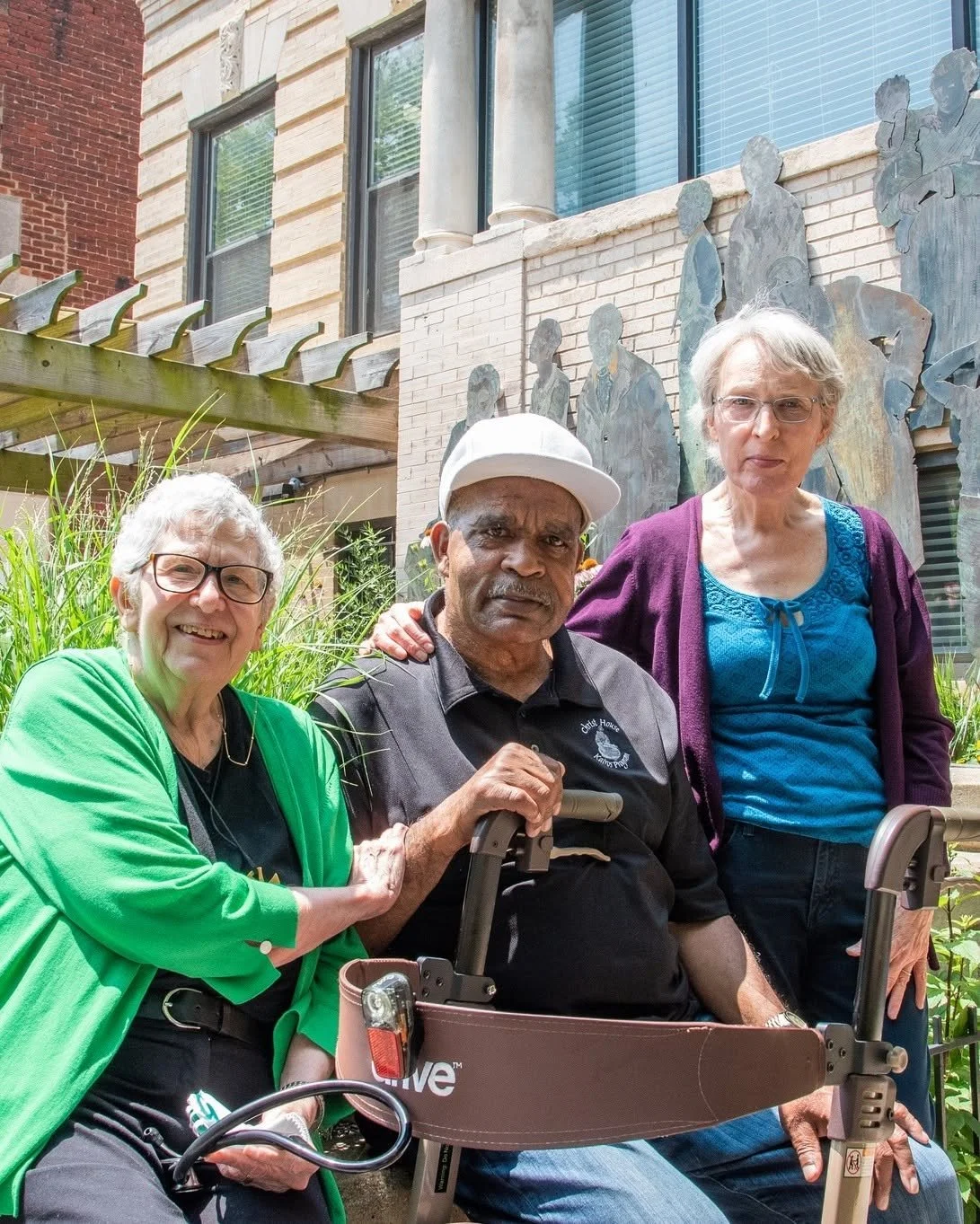
When someone is discharged from the hospital, recovery typically happens at home. But for people experiencing homelessness, there often is no safe place to heal.
Medical respite care fills this critical gap by providing short-term residential care for people experiencing homelessness who are too ill or medically vulnerable to recover on the street or in a shelter but no longer require hospitalization. Medical respite programs offer a safe environment where individuals can recover while accessing medical care, case management, behavioral health services, and connections to housing and other supports. It’s an evidence-based strategy that improves health outcomes, reduces avoidable hospital readmissions, and helps people transition to more stable housing.
Why This Work Matters
According to the National Institute for Medical Respite Care, there are only about 145 medical respite programs nationwide. In the Washington region, only a small number of programs serve the District, Maryland, and Virginia, leaving many people experiencing homelessness without an appropriate place to recover after hospitalization. Without access to medical respite, patients are more likely to return to emergency departments or require costly hospital readmissions because they lack a safe environment in which to heal.
Expanding medical respite capacity requires more than creating additional beds -- it also requires sustainable financing. The District hasn’t yet established clear Medicaid reimbursement pathways for medical respite services. As a result, providers rely heavily on philanthropy, hospital partnerships, grants, and other funding sources to sustain operations. Building a more coordinated financing model will be essential to expanding access and ensuring that medical respite becomes a lasting part of the region's healthcare and homelessness response systems.
Convening Partners Around a Shared Vision
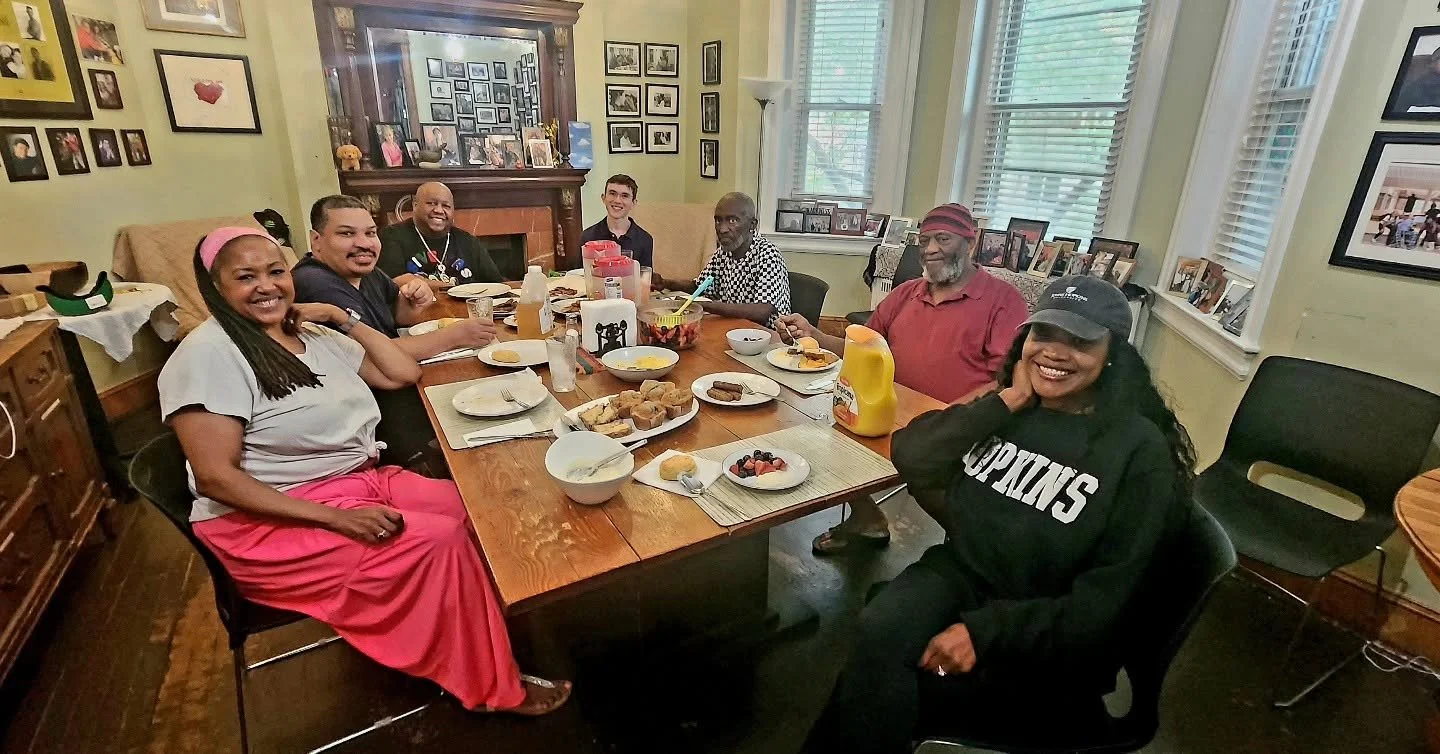
Recognizing both the need and the opportunity to strengthen the District's medical respite system, the Partnership to End Homelessness, in collaboration with Kaiser Permanente and The Morris & Gwendolyn Cafritz Foundation, has been convening a cross-sector group of medical respite providers, hospitals, funders, advocates, and government partners to discuss a shared path forward.
Together, the group has articulated a preliminary vision:
Everyone experiencing homelessness in the District of Columbia who needs medical respite receives it for the time they need, at the appropriate level of service, with clear pathways to sustainable discharge.
The group also identified four key opportunities to strengthen the District's medical respite system:
Strengthen hospital engagement and partnerships
Develop a more formal and coordinated referral infrastructure
Use shared data to support advocacy, planning, and continuous improvement
Explore a more coordinated continuum of medical respite care
Learning from National Leaders
Across the country, states have been rethinking how medical respite is financed and integrated into healthcare systems. Rather than relying primarily on short-term grants, some states have developed blended financing models that combine Medicaid reimbursement, hospital investments, state and local funding, housing resources, and philanthropy.
These states share several common strategies:
Treating medical respite as part of the healthcare continuum rather than a standalone homelessness program.
Partnering closely with hospitals and managed care organizations to reduce avoidable hospital stays and readmissions.
Medicaid and value-based payment models that support eligible healthcare services.
Leveraging Philanthropic investments to launch new programs, build capacity, evaluate outcomes, and support innovation.
Integrating Healthcare with housing navigation, behavioral health, and case management to improve long-term outcomes.
These approaches demonstrate that sustainable medical respite systems require braided funding from both public and private partners, with healthcare organizations playing an active role alongside government and philanthropy.
For example, California has integrated medical respite into CalAIM, its Medicaid transformation initiative. Rather than relying solely on grants, the state allows Medi-Cal managed care plans to cover recuperative care as a Community Support—connecting patients experiencing homelessness with short-term residential care after hospitalization while linking them to housing, behavioral health, and other services. In its first year, 2,400 people received medical respite care from 170 providers. This braided financing model—combining Medicaid, hospital partnerships, and public investment—offers valuable lessons for communities looking to expand medical respite capacity.
Building a Sustainable Network in Greater Washington
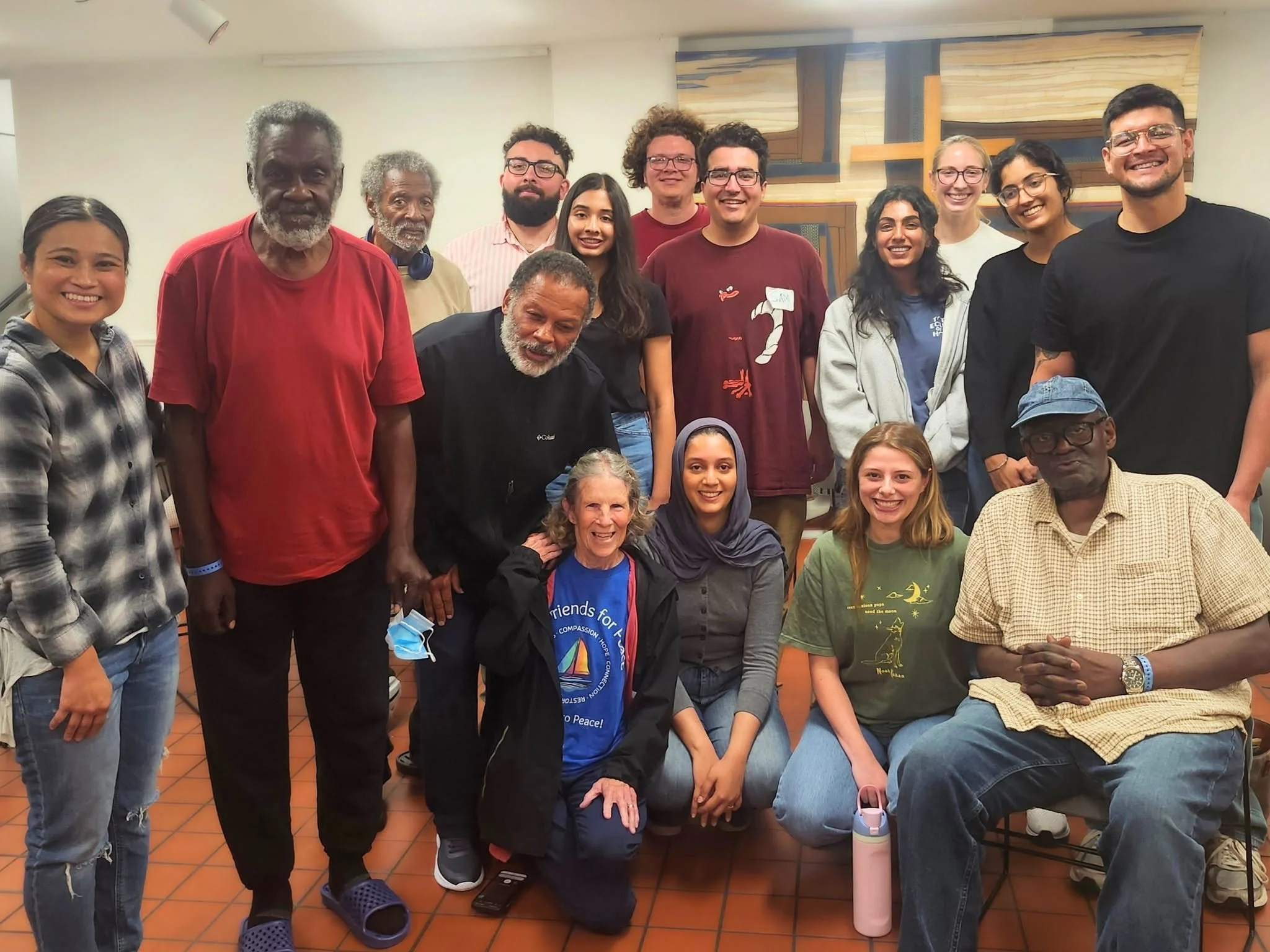
As discussions have progressed, participants have identified several core functions that a medical respite network in the Greater Washington area could provide:
Improve patient outcomes while expanding medical respite capacity
Create streamlined referral pathways that connect patients to the appropriate level of care
Develop shared tools, resources, and data to support high-quality services
Increase awareness among healthcare providers, policymakers, and funders about the value of medical respite
Use shared data and storytelling to strengthen advocacy, quality improvement, planning, and funding efforts
Advance sustainable financing strategies that support both existing programs and future expansion
To move this work forward, the group has committed to a one-year planning process that will help establish a sustainable network, prioritize collaborative initiatives, and develop a strategic roadmap for the future. This work will be funded by the Partnership with critical support from Kaiser Permanente and the Cafritz Foundation.
Looking Ahead
Strengthening the District's medical respite system will require collaboration across healthcare, homelessness services, philanthropy, and government.
By bringing together providers, hospitals, public agencies, and funders, the Partnership is helping build the relationships, shared infrastructure, and long-term strategy needed to ensure that every person experiencing homelessness who needs medical respite has access to high-quality care—and a clear pathway to recovery and housing stability.
This work represents an important opportunity to create a more coordinated, equitable, and sustainable system that improves health outcomes while making better use of healthcare resources across the District.
Interested in learning more about Medical Respite Providers? The following organizations currently offer medical respite services in DC
Christ House - Christ House is one of the nation's oldest medical respite programs, founded in 1985. It provides short-term residential medical respite for adults experiencing homelessness who have been discharged from the hospital but still need nursing care and support during recovery. Clinical services are provided in partnership with Unity Health Care.
Joseph's House - Joseph's House provides medical respite for people experiencing homelessness who are living with HIV/AIDS, individuals transitioning from incarceration who need recuperative care, and people with terminal illnesses such as cancer. The program combines nursing care, case management, housing support, and long-term supportive services.
Hope Has A Home - Opened in 2024, Hope Has A Home is the District's first medical respite program designed specifically for women experiencing homelessness. The program is operated through a partnership that includes Volunteers of America Chesapeake & Carolinas, Pathways to Housing DC, Unity Health Care, and AmeriHealth Caritas DC. It provides medical care, case management, and supportive services for women recovering after hospitalization.
801 East Medical Respite Program - The 801 East Medical Respite Program provides shelter-based recuperative care for people experiencing homelessness who need a safe place to recover after a hospitalization, surgery, or medical emergency but no longer require inpatient care. The program includes 24 medical respite beds and offers clinical monitoring, care coordination, and connections to ongoing healthcare and supportive services. The program serves adults of all genders and helps bridge the gap between hospital discharge and longer-term recovery.
Miriam's Kitchen E Street Medical Respite Initiative - Miriam's Kitchen is working with healthcare providers, nonprofit partners, and community organizations to expand medical respite capacity in the District. The initiative aims to develop new medical respite beds that combine short-term residential recovery with intensive case management, helping individuals stabilize after hospitalization while connecting them to permanent housing, healthcare, and other supportive services. By integrating medical care with housing navigation, the initiative reflects national best practices that recognize housing stability as an essential component of long-term health and recovery.