
Stable Steps Supporting Progress Beyond Housing

What does it mean to make progress when you already have a home?
For Edgewood/Brookland Family Support Collaborative (E/BFSC) – a trusted community service provider with 30 years of service in Northeast DC – that question comes up frequently in the work that they do to support individuals and families in DC’s Ward 5 & 6.
“The families we work with are going through so much right now,” shared Tamitha Davis-Rama, Co-CEO of E/BFSC. “Oftentimes, housing is just the tip of the iceberg, in terms of the challenges they face.”
For people living in permanent supportive housing (PSH), having a stable place to live is an important foundation. But housing stability is not the only measure of how someone is doing. People may also be working toward better health, finding employment, addressing legal needs, strengthening relationships, or building connections to their communities.
So what would happen if a program could recognize and reward those steps to help people make progress toward long-term housing stability and well-being?
Encouraging Stable Steps
That was the concept behind Stable Steps – a project designed to encourage and empower PSH clients who are taking the next steps towards housing and economic stability. The pilot was supported through the DC PSH Innovation Lab, an initiative of the Partnership to End Homelessness launched with support from The Morris & Gwendolyn Cafritz Foundation and expertise from the Corporation for Supportive Housing (CSH).
Stable Steps was built around a simple idea: Participants could identify goals that mattered to them and receive financial incentives for completing steps toward those goals.
Working with case managers, participants developed achievable tasks related to areas such as health and medical care, mental health and substance use, employment and income, social and community relationships, and legal needs.
In total, Stable Steps enrolled 40 participants—21 individuals and 19 families—who joined the pilot on a rolling basis. Participants received financial incentives for completing monthly well-being tasks.
Individuals received $100 for one completed task and $150 for two or more; families received $150 for one task and $200 for two or more. $23,000 in incentives were distributed during the pilot.
“Our approach was intentionally focused on progress rather than requiring participants to achieve a large outcome before their efforts were recognized,” Davis-Rama added. “A participant might submit a job application without getting the job or make a medical appointment without immediately resolving a health concern. In Stable Steps, taking that step still counted as meaningful progress.”
Even when an effort did not produce the hoped-for outcome, participants and case managers could talk about what happened, identify barriers, problem-solve, and try again.
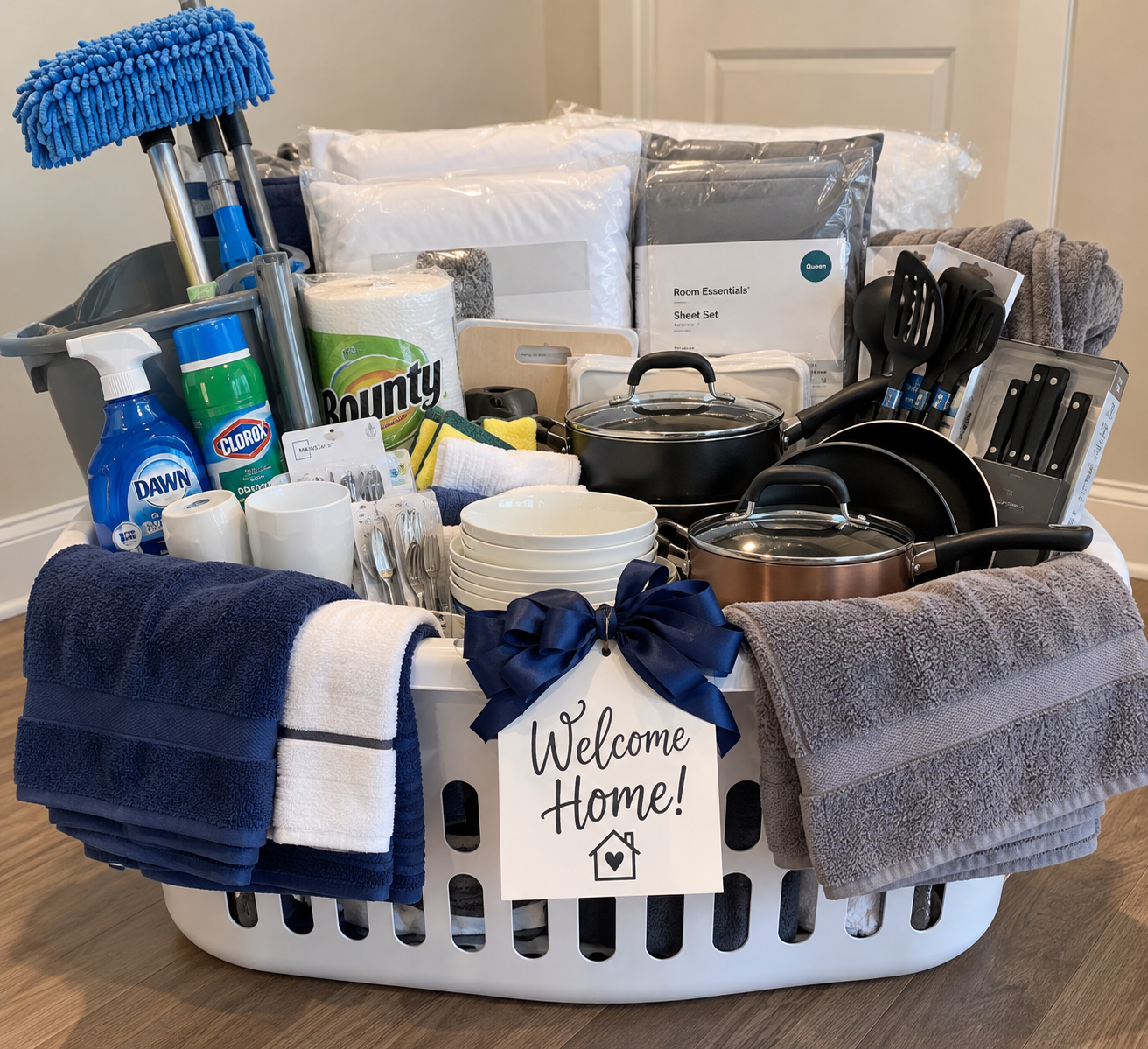
The pilot also included Welcome Home Baskets with essential household items for newly housed participants. The baskets were designed not only to meet practical needs, but also to communicate that participants were welcomed, valued, and supported as they moved into their new homes.
Participant feedback informed the design and implementation of the program. A Participant Council was launched to provide direct feedback to E/BFSC leadership about program implementation and participant experiences throughout the pilot. E/BFSC also developed The Community Stability Champions initiative, which was intended to engage participants with lived experience in supporting Stable Steps onboarding and peer-support activities.
Outcomes and Lessons Learned
By the end of the pilot, the E/BFSC team could see that many participants were making meaningful progress across several areas of their lives.
All 40 participants remained stably housed throughout the pilot, and 87% completed at least one identified well-being task. Eighty-five percent consistently paid their portion of rent on time.
Employment was the most common area of focus: 75% of participants engaged in employment-related tasks, ranging from vocational training and certification programs to job applications and employment retention. Among participants who completed employment tasks, half newly obtained employment during the pilot.
Health was another important area of progress. Forty-seven percent of participants completed physical health-related tasks, while 55% completed mental health-related tasks. Among those working on physical health goals, 42% newly obtained a healthcare provider and 89% were regularly attending medical appointments. Among those working on mental health goals, 64% newly connected with a mental health provider and 77% reported regularly attending mental health sessions.
Participants also reported positive experiences with the program. Ninety-one percent said they felt hopeful about their future. Several participants described the incentives as motivation to get out of their comfort zone and prioritize goals related to health, employment, and personal well-being.
Case managers reported increased participant responsiveness and engagement with case management, as well as greater completion of case plan goals, attendance at health-related appointments, and adoption of healthy habits.
Along the way, the E/BFSC team also learned some valuable lessons that changed how envisioned and operated the Stable Steps program.
For example, the Community Stability Champions initiative was designed to bring people with lived experience into onboarding and peer support roles with the pilot. But many said they did not have enough time for structured activities, while others preferred not to participate in in-person groups. As a result, the initiative did not gain as much traction as anticipated. Rather than continuing with a format that wasn't working, E/BFSC adapted to offering participants individualized peer support on an ad hoc basis.
These experiences were a reminder that innovation in human services happens in the context of people's real lives. Programs need plans and goals, but they also need room to respond to changing circumstances and the unexpected.
Stable Steps also revealed how much infrastructure it takes to run an incentive-based program well.
Tracking participant progress, verifying completed tasks, distributing incentives, and collecting and analyzing evaluation data required significantly more staff time than E/BFSC initially anticipated. In response, the organization strengthened its quality assurance processes, conducted regular case manager check-ins, improved data tracking, and used dashboards to monitor outcomes and participant satisfaction. E/BFSC also increased internal staff capacity and brought in external evaluation and consulting support.
These investments improved the consistency and quality of data collection and reporting while allowing case managers to spend more time working directly with participants.
Lessons learned
Several lessons emerged from the pilot:
Small incentives can support meaningful progress. Participants reported that incentives encouraged them to pursue tasks they had previously delayed or avoided. For people with limited financial resources, the incentives could also help meet practical needs while reinforcing progress toward personal goals.
Flexibility matters. The pilot changed as the team learned more. Some participation structures did not work as expected, and the team adjusted rather than treating the original design as fixed.
Innovation requires infrastructure. Administrative support, quality assurance, data systems, evaluation capacity, and staff time were essential to implementing the pilot effectively.
What comes next?
The experience of Stable Steps suggests that innovation in PSH doesn't always mean finding a dramatic new solution. Sometimes it means looking differently at what progress looks like—and creating the flexibility to support people as they work toward it.
“A job application, a doctor's appointment, a new connection to a provider, or a step toward employment may not seem like a major milestone on its own. But for someone working to build stability, those steps matter,” shared Davis-Rama. “And when those efforts are recognized, they can create momentum for what comes next.”
Learn more about the services provided by Edgewood Brookland Family Support Collaborative at www.ebfsc.org.