Less Paperwork, More People: What Two Supportive Housing Teams Learned from Testing AI
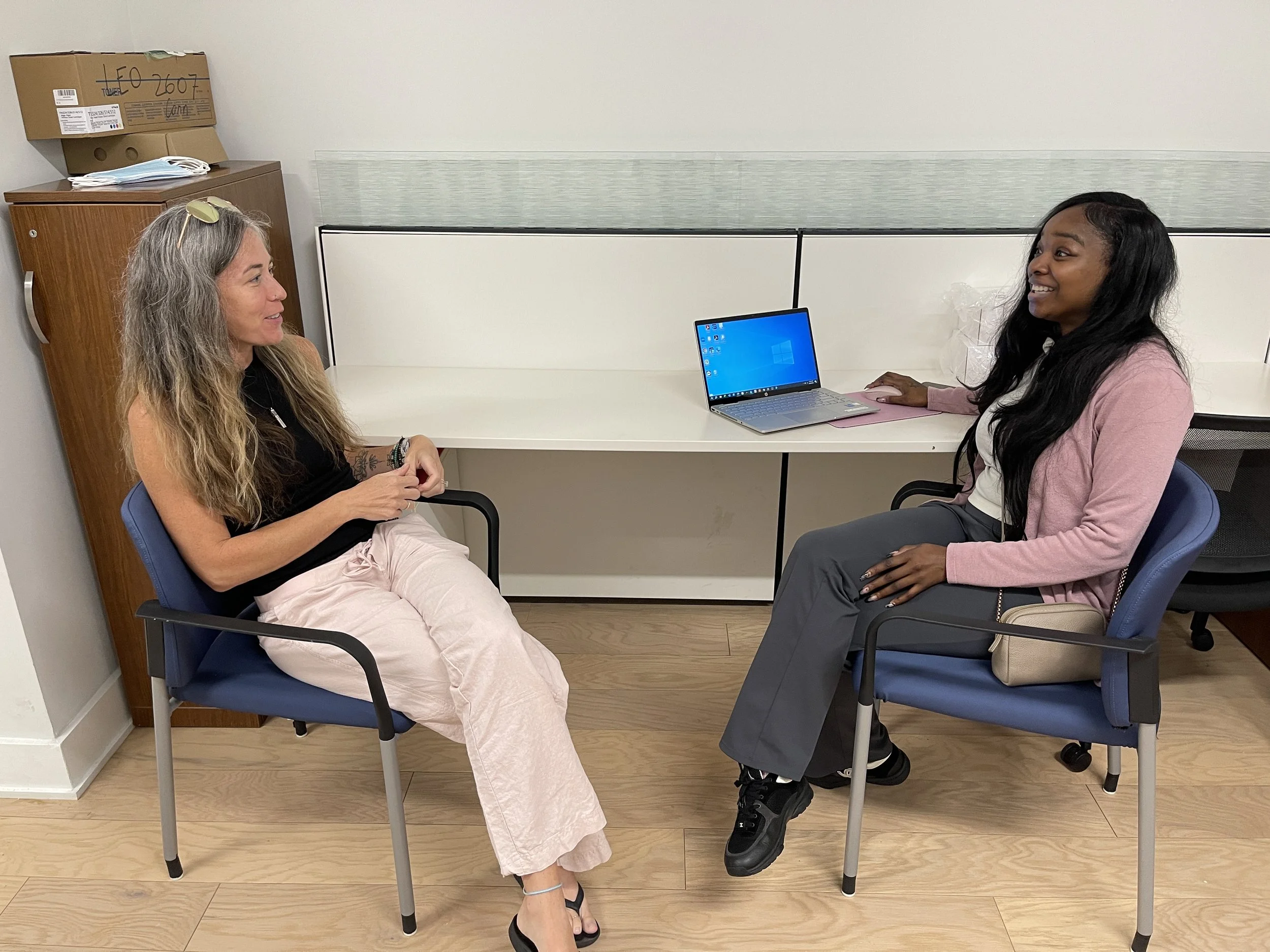
On any given day, Kenyatte, a Case Manager Supervisor with Woodley House, met with as many as six individuals experiencing housing instability in DC each day. A seasoned veteran in case management, Kenyatte enjoyed spending time with her clients, working one-on-one with them to hear their concerns, talking through solutions, and helping them set goals.
But if there’s one thing she didn’t enjoy as much, it was paperwork.
For PSH case managers like Kenyatte, documentation is essential—but it can also take away from direct work with clients. For every individual entering the PSH system, case workers are required to spend countless hours documenting, notetaking, and coordinating across systems and organizations, just so that those they serve can get the resources they need.
The mountain of administrative burden combined with the challenges that clients face on a daily basis can quickly lead to burnout and in some cases organizational turnover, which can cause serious delays for those trying to navigate the PSH system.
But what if a new technology tool could help relieve some of the administrative burden for PSH providers? Could Eleos - an AI-powered documentation platform - reduce the burden of notetaking while maintaining the quality of clinical documentation,and give staff more time for client care?
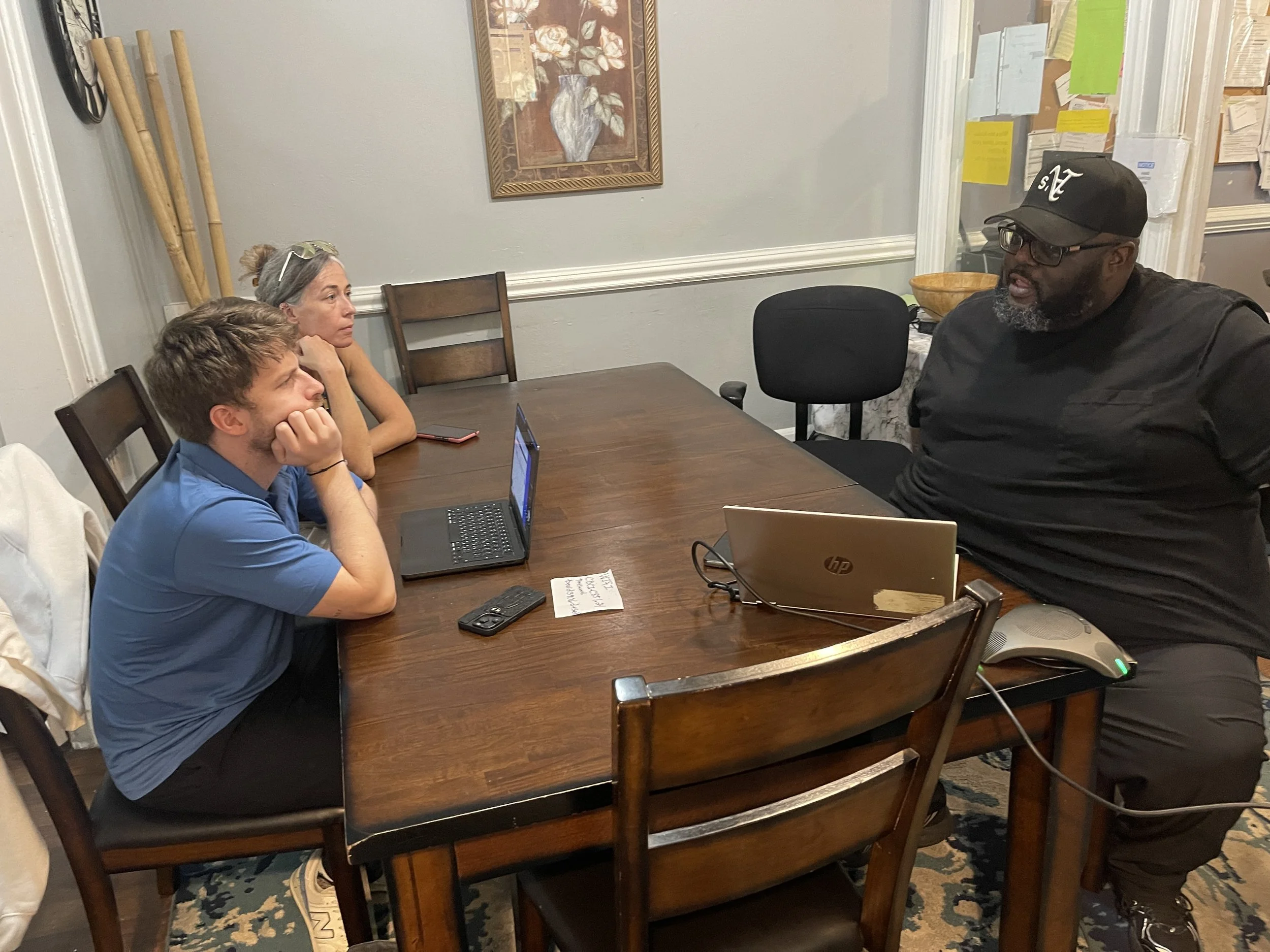
Putting AI to the test
Eleos is a HIPAA-compliant platform that uses artificial intelligence and machine learning to help generate documentation from client interactions. Behavioral health care organizations that have adopted Eleos have positive things to say about how it integrates with their teams’ existing workflows. However, due to the operating costs, the tool has not yet been widely adopted in the nonprofit sector.
In April 2025, Woodley House and Pathways to Housing DC (Pathways) launched the Eleos AI pilot to see how artificial intelligence could help transform their case management experience. The pilot was funded through the DC PSH Innovation Lab - an initiative of the Partnership to End Homelessness with support from The Morris & Gwendolyn Cafritz Foundation and expertise from the Corporation for Supportive Housing (CSH).
“Homelessness is a long-standing issue for our region,” shared Jennifer Olney, Program Director of the Partnership to End Homelessness. “Part of our responsibility as funders is to find new ways to support innovative and creative partnerships that can make a difference in the space.”
While Pathways and Woodley House are both well-established service providers in DC’s housing space, each brings a unique set of experiences to the pilot. Pathways is a large organization with a broad clinical infrastructure, while Woodley House is a small community-based organization, primarily providing housing.. This diversity of experience not only helped build new partnerships between organizations; it also created the ideal test case for how AI could be used in different organizational settings.
What happened?
Getting Eleos up and running took more than purchasing new software. Both organizations worked through implementation delays and technical hurdles, along with the human side of change: some staff adopted the technology quickly, while others preferred to move more gradually or already had documentation routines that worked well for them. Training, ongoing support, and time to adjust proved essential.
Once things were up and running though, the results were encouraging—and, for some staff, tangible in their everyday work.
At Pathways, case managers used Eleos during and after visits with clients in the Assertive Community Treatment program, an intensive, team-based model that brings medical, clinical, and daily living support directly to a person's home or community. At Woodley House, staff began with the platform as a note-summarization tool before adding its listening tool, which generates notes based on meetings.
Across both organizations, staff saved more than 1,500 hours. Woodley House staff generated more than 4,300 notes through Eleos, saving more than 10 minutes per note on average; at Pathways, the Eleos dashboard recorded more than 785 hours saved, or about 9.4 minutes per note. Daijah, a Pathways case manager, describes the difference this way:
"The tool has helped me create clearer, more thorough, and better organized documentation while maintaining accuracy. In addition, Eleos has greatly improved my efficiency. I am now able to complete my notes in approximately 10 minutes each, which has streamlined my workflow and allowed me to spend more time focusing on client care."
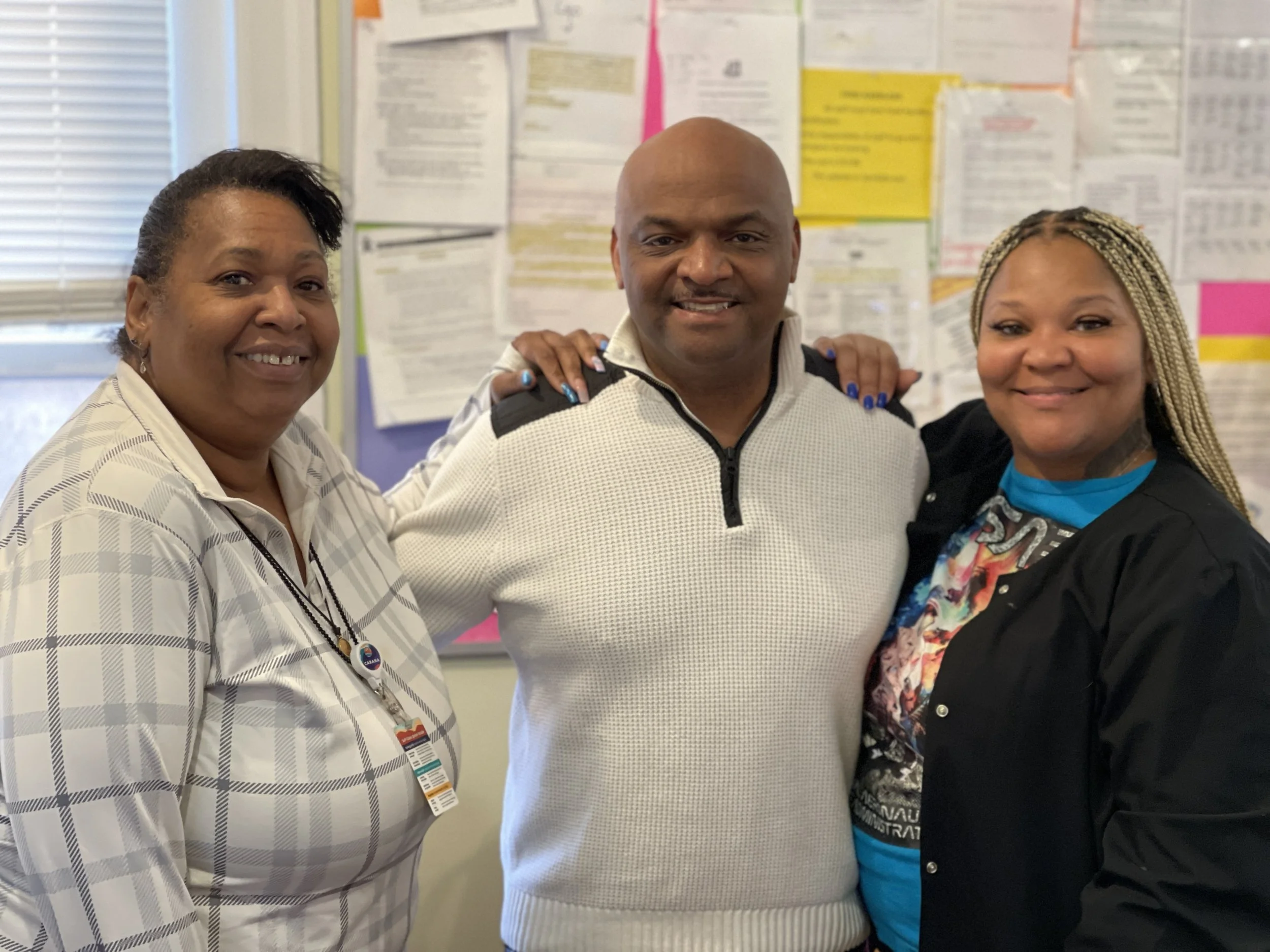
Staff also reported less stress around documentation. At Pathways, the share of staff who felt very or extremely stressed about submitting case notes on time fell by 62.5%, and the share who said they spent too much time writing notes fell by 75%. At Woodley House, the share describing documentation as somewhat or overly demanding fell from 41% to 21%, and satisfaction with the time spent on case notes rose from 62% to 83%.
These changes mattered not just for staff, but potentially for the organizations' ability to bill for—and sustain—their services. At Pathways, the percentage of client services billed rose from 27% at the start of the pilot to 56% by May 2026, while service engagement increased 13.6% over the prior year. At Woodley House, 83% of maximum expected PSH revenue was billed in May, its strongest month of the pilot. The teams are careful not to credit Eleos alone, since other factors could have contributed, but the findings suggest that reducing the time and stress of documentation can make a meaningful difference.
There were signs of impact beyond speed, too. Some Woodley House staff said Eleos helped them think differently about their clinical practice, prompting them to ask clients questions they might not have asked before. At Pathways, the share of staff who felt they had built high or very high trust and rapport with clients rose 21% compared with baseline.
What the pilot taught the teams
Several lessons emerged from the first year of testing:
Bring staff into the process early. Case managers, supervisors, clinical staff, IT, quality improvement, finance, billing, and other teams can help identify workflow challenges before implementation begins.
Make sure the technology fits the infrastructure. Compatibility with electronic health records, existing equipment, and other systems should be assessed before implementation.
Give change time to take hold. Training, troubleshooting, communication, and ongoing support are part of implementation—not extras.
Plan for the full cost of innovation. New technology can require equipment upgrades, staff time, training, workflow changes, and other investments beyond the cost of the software itself.
What comes next?
The first year of the Eleos pilot suggests that AI can help reduce some of the administrative burden facing PSH and behavioral health staff. It also showed that realizing those benefits requires thoughtful implementation, staff engagement, ongoing refinement, and the infrastructure to support change.
For Woodley House and Pathways, the work continues. The Partnership, with support from The Diane and Norman Bernstein Foundation, is supporting a second year of the Eleos AI pilot at both organizations.
That means there is more to learn: about how AI can best support PSH staff, how organizations can integrate new technology into the realities of their work, and—most importantly—what happens when staff have more time to spend where it matters most: with the people they serve.
For more information about these organizations visit https://woodleyhouse.org/ or https://pathwaystohousingdc.org/