Good Ideas Need Room to Grow: Lessons from the DC PSH Innovation Lab
What happens when people working in permanent supportive housing (PSH) have the space to try something new? The Partnership to End Homelessness decided to find out.
With generous support from The Morris & Gwendolyn Cafritz Foundation and expertise from the Corporation for Supportive Housing (CSH), the Partnership launched the DC PSH Innovation Lab to give PSH providers the resources and support to test new approaches to challenges they face every day.
Two pilot teams put very different ideas to the test: one focused on incentivizing participants to make progress toward their goals, and the other on using AI to give staff more time to focus on the people they serve.
The pilots produced encouraging results—and, just as importantly, offered lessons about what it takes to make innovation work in the real world.
Two pilots. Two approaches. Shared learning.
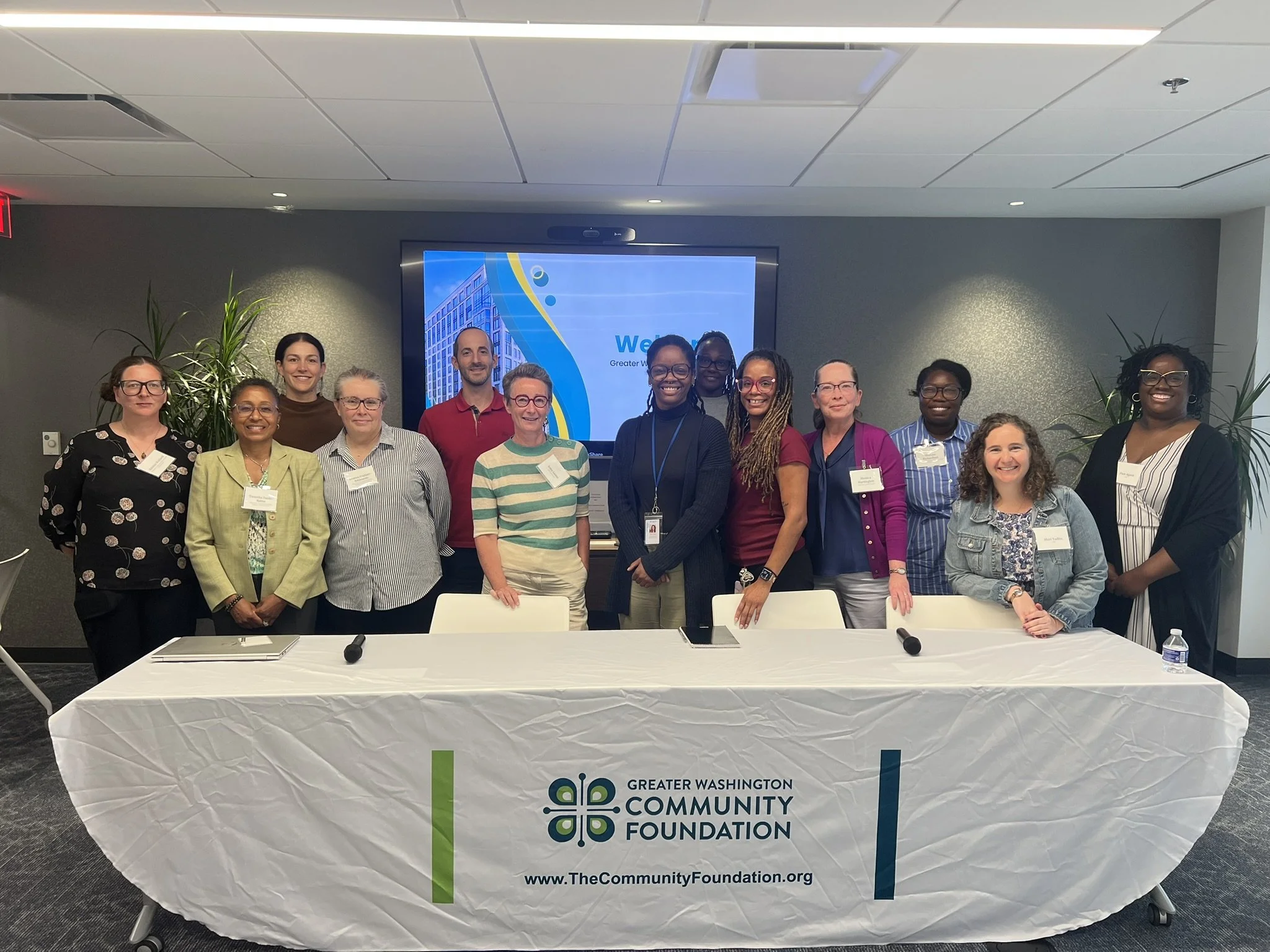
In late September, PSH providers, funders, advocates, and community partners came together to hear directly from the two pilot teams and reflect on what they learned. Here are the highlights.
Stable Steps | Edgewood/Brookland Family Support Collaborative
Recognizing progress beyond housing
What they did: Stable Steps began with a straightforward question: Can incentives help people engage more deeply in activities that contribute to long-term housing stability?
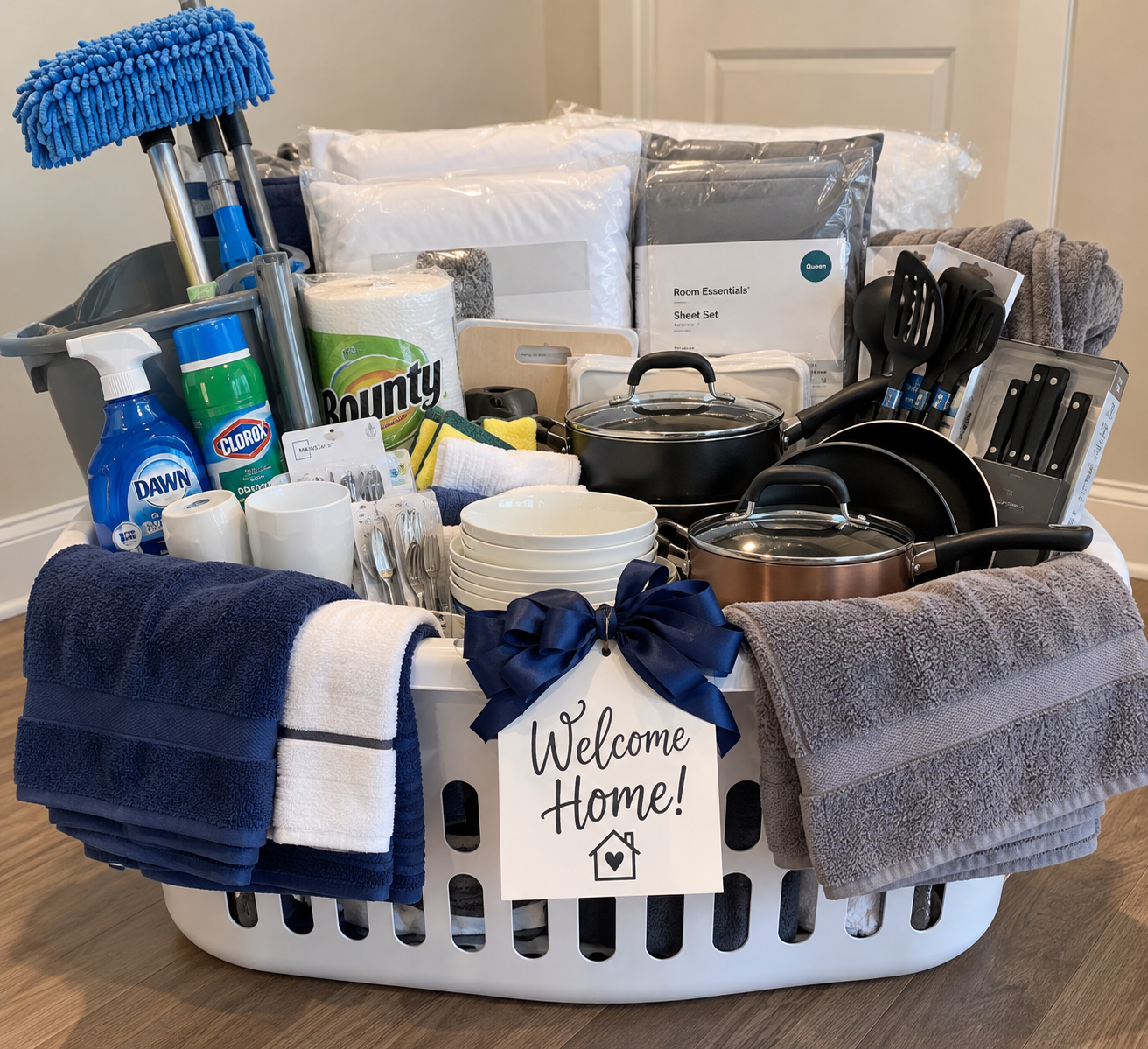
PSH provides the foundation of a stable home, but long-term stability involves much more than maintaining a lease. Participants in Stable Steps could set goals related to physical health, mental health, employment and income, legal needs, and social and community relationships—all critical elements of well-being. Along the way, they received incentives for completing steps toward achieving their goals.
40 PSH households participated.
$23,000 in incentives supported progress toward participant-identified goals.
87% completed at least one well-being task.
75% selected employment-related goals; participants also focused on physical and mental health.
100% of participating households remained housed during the pilot.
Case managers reported stronger participant engagement and responsiveness.
What they learned: Small steps matter. Recognizing progress—not just outcomes—created opportunities for deeper conversations, problem-solving, and engagement. The team also learned the importance of adapting the model based on participant feedback rather than forcing an approach that wasn’t working.
Eleos AI | Woodley House + Pathways to Housing DC
Giving staff more time for people
What they did: The second pilot tested Eleos, an AI-enabled documentation platform. Providers hoped it would reduce the time staff spend writing clinical notes, improve job satisfaction and retention, and increase revenue associated with client service documentation.
1,564 hours of staff time saved across the two organizations.
At Pathways, the percentage of staff reporting high stress about completing notes on time fell 62.5%.
The percentage of staff reporting that they spent too much time writing notes fell 75%.
Staff satisfaction with time spent on documentation increased from 62% to 83%.
At Pathways, service engagement increased 13.6% compared with the prior year.
What they learned: Technology can reduce administrative burden—but implementation matters. Successful adoption required staff engagement, workflow changes, training, troubleshooting, and ongoing support. Testing across two organizations also created opportunities for shared problem-solving and learning.
What we learned
Innovation needs room to learn. Flexible funding made it possible to test ideas that might otherwise have remained out of reach—and to learn when an idea needed to change.
Listen. Adapt. Try again. Neither pilot unfolded exactly as planned. Participant and staff feedback helped teams adjust their approaches in real time.
Innovation requires infrastructure. Technology, staffing, training, data systems, quality assurance, and change management are essential to making new approaches work.
Keep relationships at the center. Whether the goal was helping participants make progress or giving staff more time, both pilots ultimately sought to strengthen the relationships that make PSH work.
What’s next?
The Innovation Lab is using these lessons to inform what comes next—including continued testing, new partnerships, and opportunities to bring more PSH providers into the work.