

New Greater Washington Community Foundation-Gallup Survey Finds Federal Disruption and Housing Affordability Straining DMV Communities Unevenly
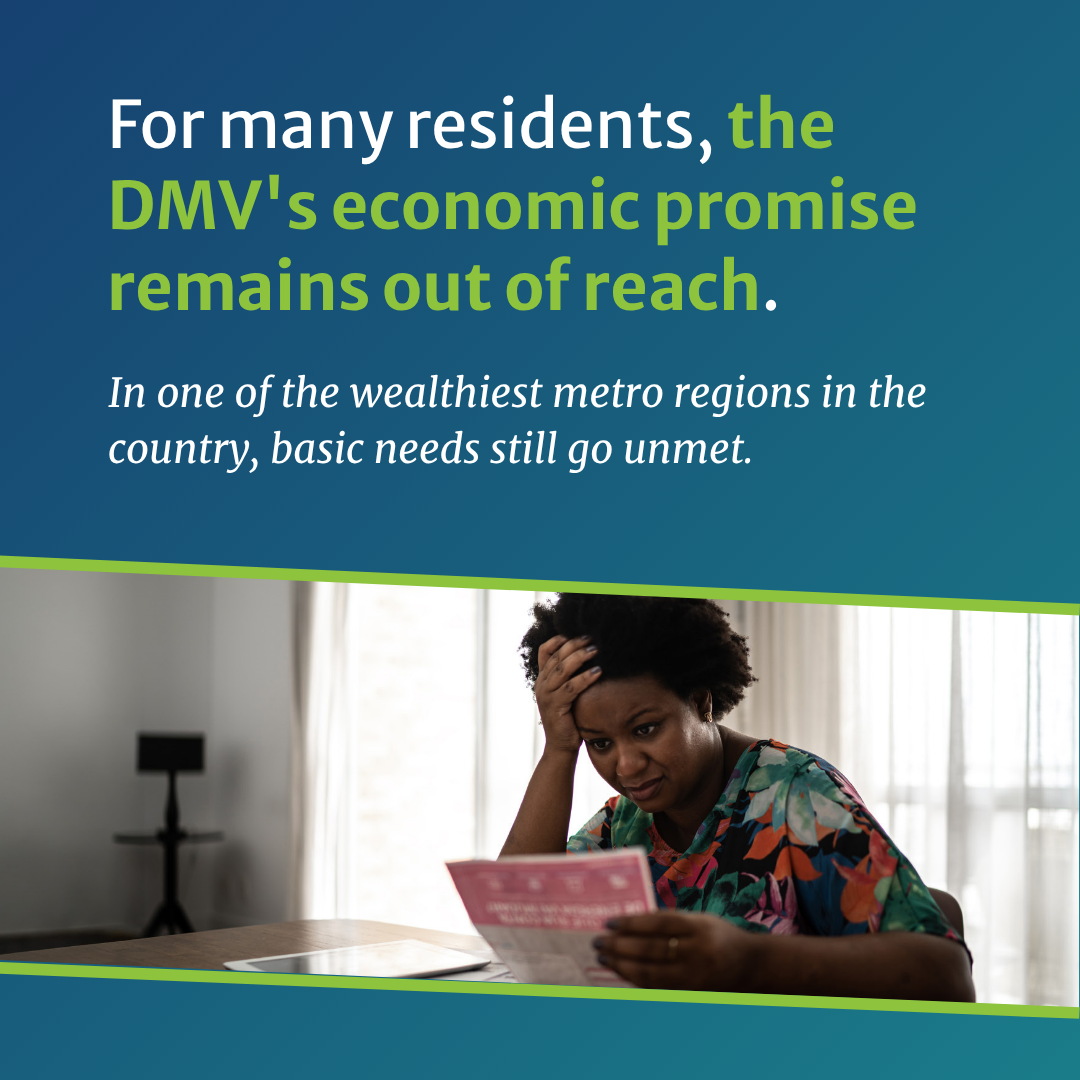
A new report from the Greater Washington Community Foundation (The Community Foundation) and Gallup finds that residents across the Washington metropolitan region are facing a uniquely turbulent chapter, with the effects varying from one community to the next. The latest VoicesDMV Community Insights Report, which has tracked resident wellbeing over the past decade, finds a region confronting new sources of strain: collapsing job confidence, job cuts and furloughs, and the toll of increased immigration enforcement and military activity. Housing affordability and the cost of living in the region adds to the pressure, remaining the lowest-rated area of life the survey tracks and one of the region's most persistent challenges.
Resilience Remains Despite Growing Uncertainty
The report, which tracks wellbeing and quality of life across the District of Columbia, suburban Maryland, and Northern Virginia, finds that 52% of residents are classified as thriving, unchanged from 2023, while 43% are struggling and 5% are suffering. This split highlights the uneven impact of recent economic and policy changes throughout the region.
While the DMV remains slightly above the national average for overall wellbeing, residents are increasingly concerned about the future. One-third (34%) of residents expect conditions to worsen over the next five years instead of improve, reflecting growing uncertainty about the region's economic trajectory. Despite this, 69% continue to view the DMV as a good place to raise a family.
“This region has real strength, and real strain, and both are true at the same time,” said Tonia Wellons, President and CEO of the Greater Washington Community Foundation. “Residents told us exactly where they need help: housing, jobs, and real investment in their communities. Now it's on all of us in government, philanthropy, business, and community organizations to respond.”
Confidence in Job Availability Drops Sharply
The labor market stands out as one of the region's most pressing concerns.
Confidence that jobs are readily available has fallen dramatically over the past three years. In 2023, nearly two-thirds of residents (65%) rated job availability in the region as excellent or good. Today, that figure stands at just 51%, representing a 14-point decline.
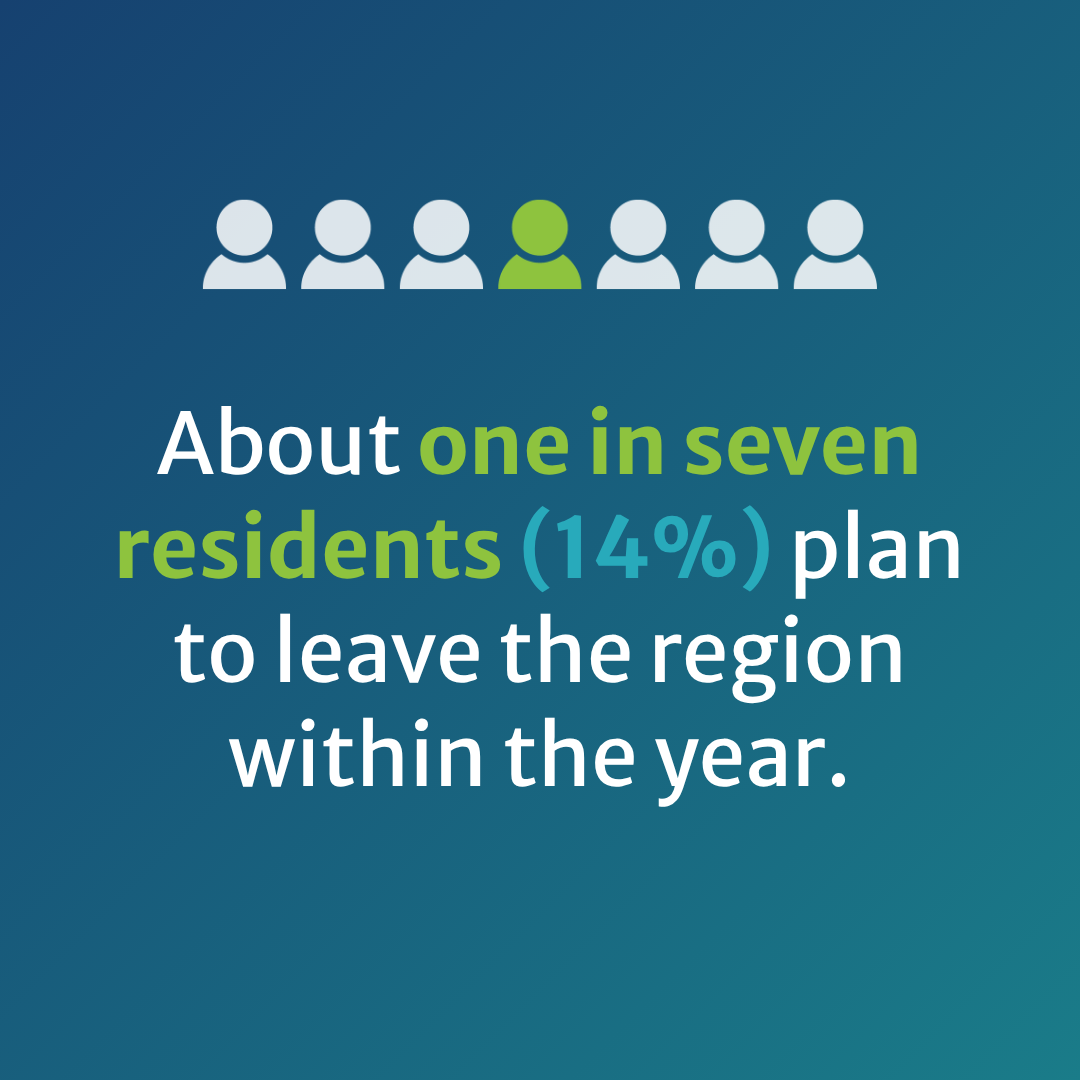
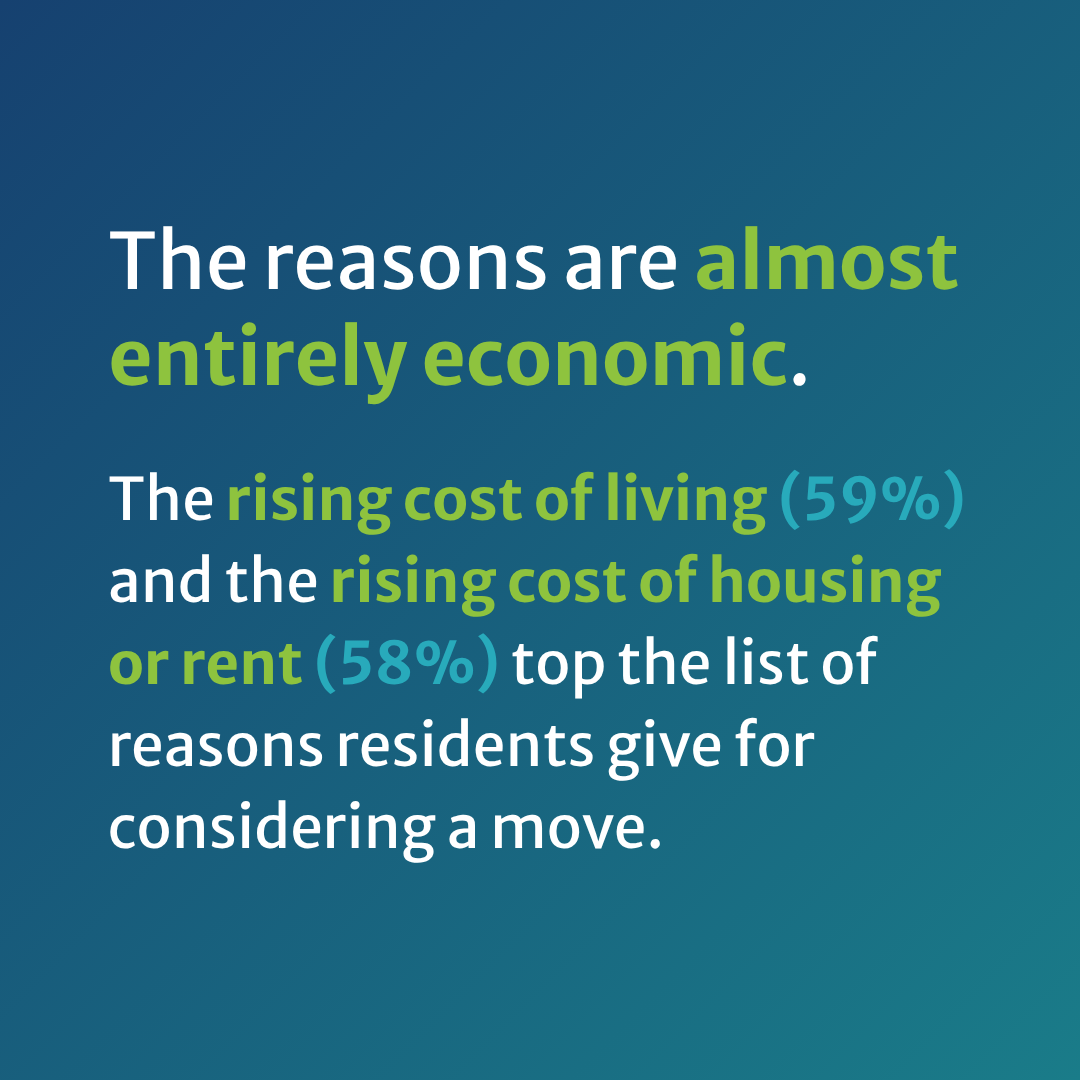
Residents also increasingly cite disappearing job opportunities as a factor influencing major life decisions, including whether to remain in the region. About one in seven residents say they plan to leave the DMV within the next year, with the rising cost of living, housing costs, and job concerns among the primary drivers.
“The region remains resilient, but confidence in economic opportunity is clearly declining,” said Camille Lloyd, Gallup Portfolio Director and Director of the Gallup Center on Black Voices. “When residents become less confident that good jobs are available, the effects extend beyond the labor market. They influence decisions about housing, family finances, and whether people see a future for themselves in the communities they call home.”
Federal Job Cuts Affect More Than Half of Households
Recent federal workforce reductions and furloughs have had a widespread impact throughout the region. More than half of DMV residents report that they or someone in their household has been negatively affected by federal job cuts or furloughs. The effects are especially concentrated in the District of Columbia, where approximately two-thirds of households (66%) report being affected. Impacts are similarly widespread in Arlington and Alexandria (62%), Montgomery County (57%), and Prince George's County (51%).
Amid the major disruption to the local job market, about one in seven DMV residents (14%) report that they or someone in their household accessed social services for the first time in the past year, including food banks or pantries, job placement support, or other support services provided by the government or nonprofit organizations.
Economic Hardship Persists for Many Families
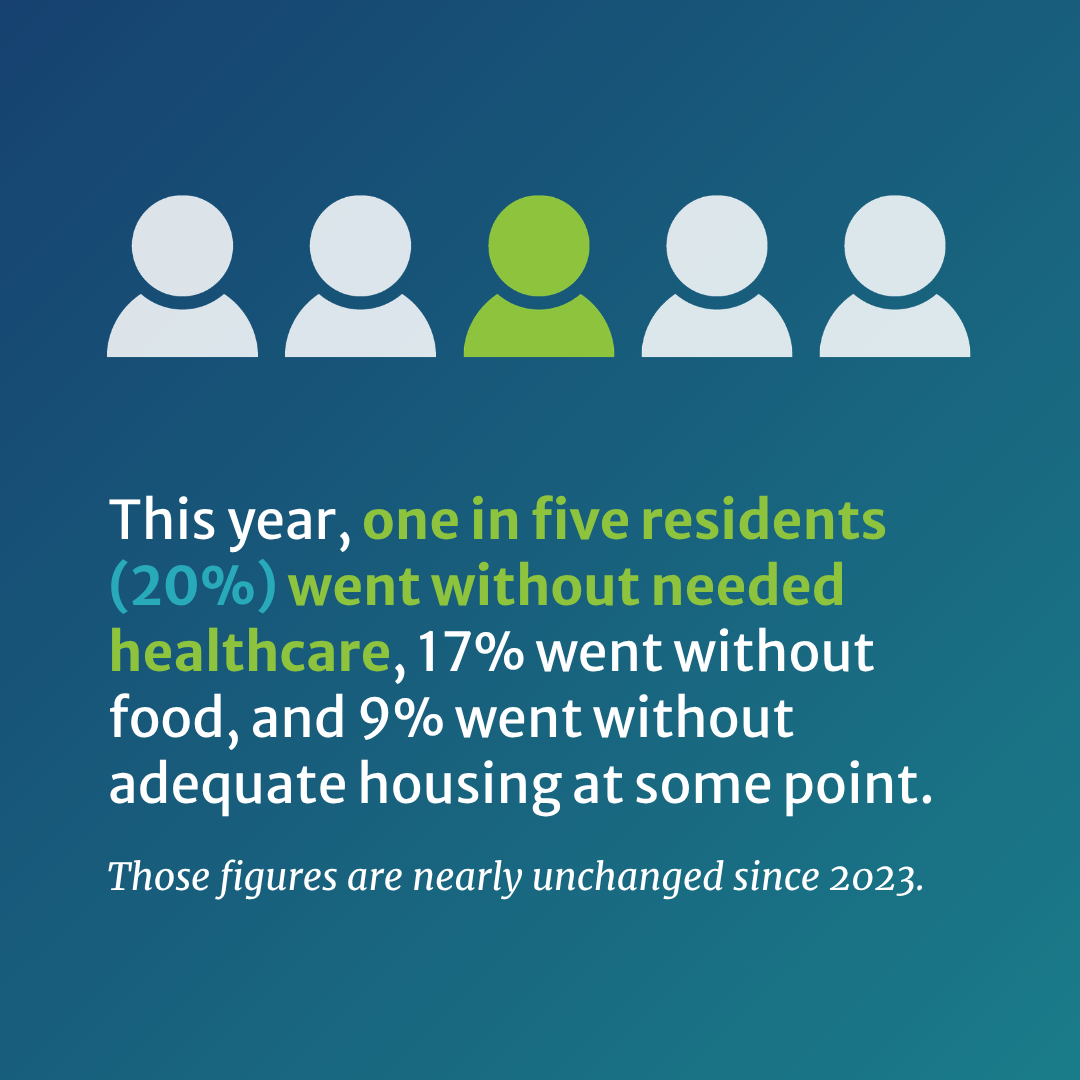
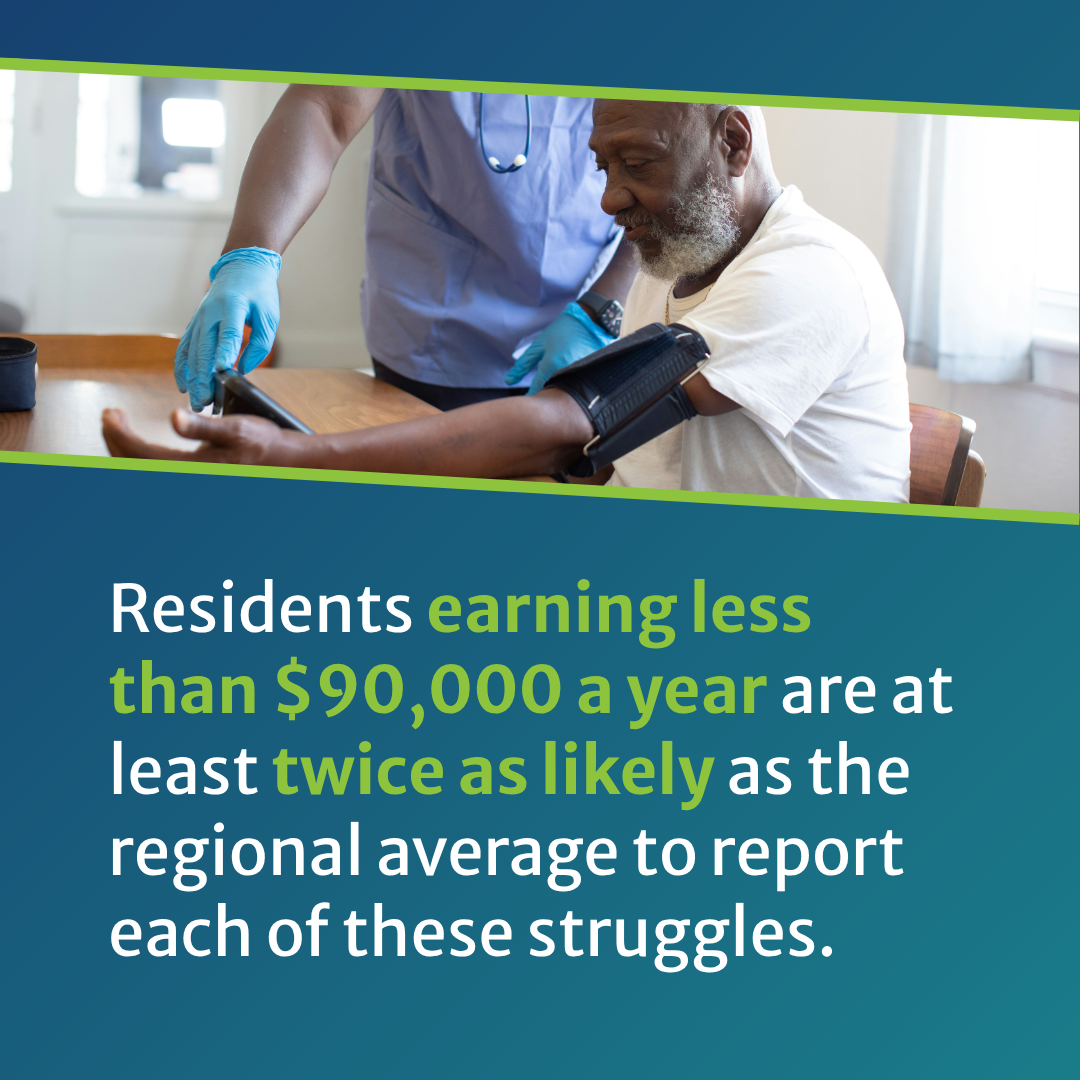
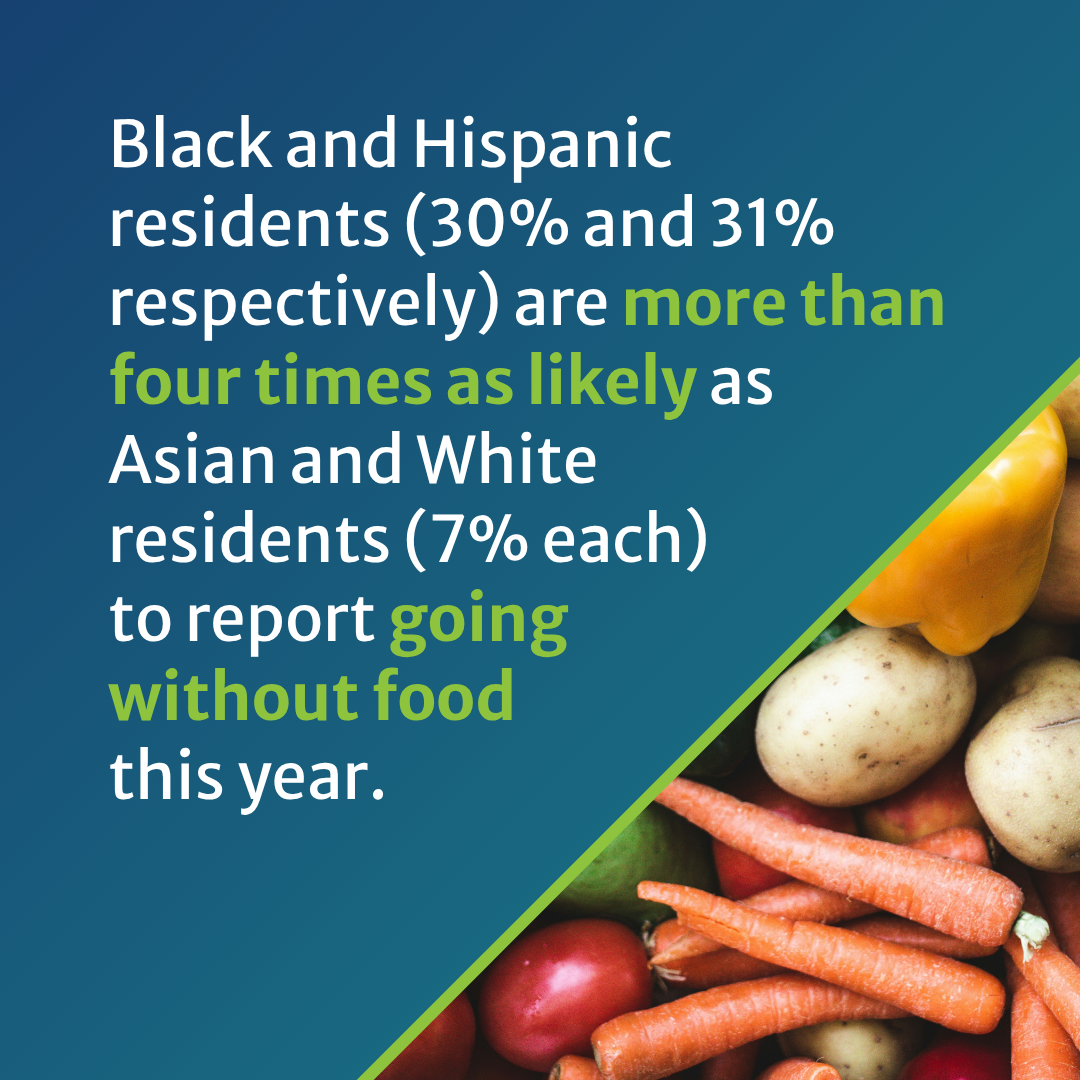
The survey finds that significant numbers of residents continue to face difficulty meeting basic needs. One in five residents (20%) went without needed healthcare during the past year. 17% experienced food insecurity, and 9% lacked adequate housing at some point. These measures remain largely unchanged from 2023.
Residents also remain united in their assessment that housing affordability is a notable concern, with only 11% of respondents rating affordable housing availability as excellent or good. Renters and homeowners, lower-income and higher-income residents, and communities throughout the region largely agree that affordable housing remains out of reach.
Residents Identify Clear Priorities for the Region's Future
As leaders across the District, Maryland, and Virginia prepare for the next chapter of regional growth, residents express strong agreement on the need to strengthen economic opportunity, address housing affordability, and expand investments that support long-term community wellbeing.
Despite their concerns, residents continue to believe progress is possible. A majority (51%) now believe homelessness can be solved, and residents overwhelmingly favor addressing the root causes of crime, including mental health and economic challenges, over expanding enforcement alone.