
Reflections on a Career in Giving: A Conversation with Rebecca Rothey
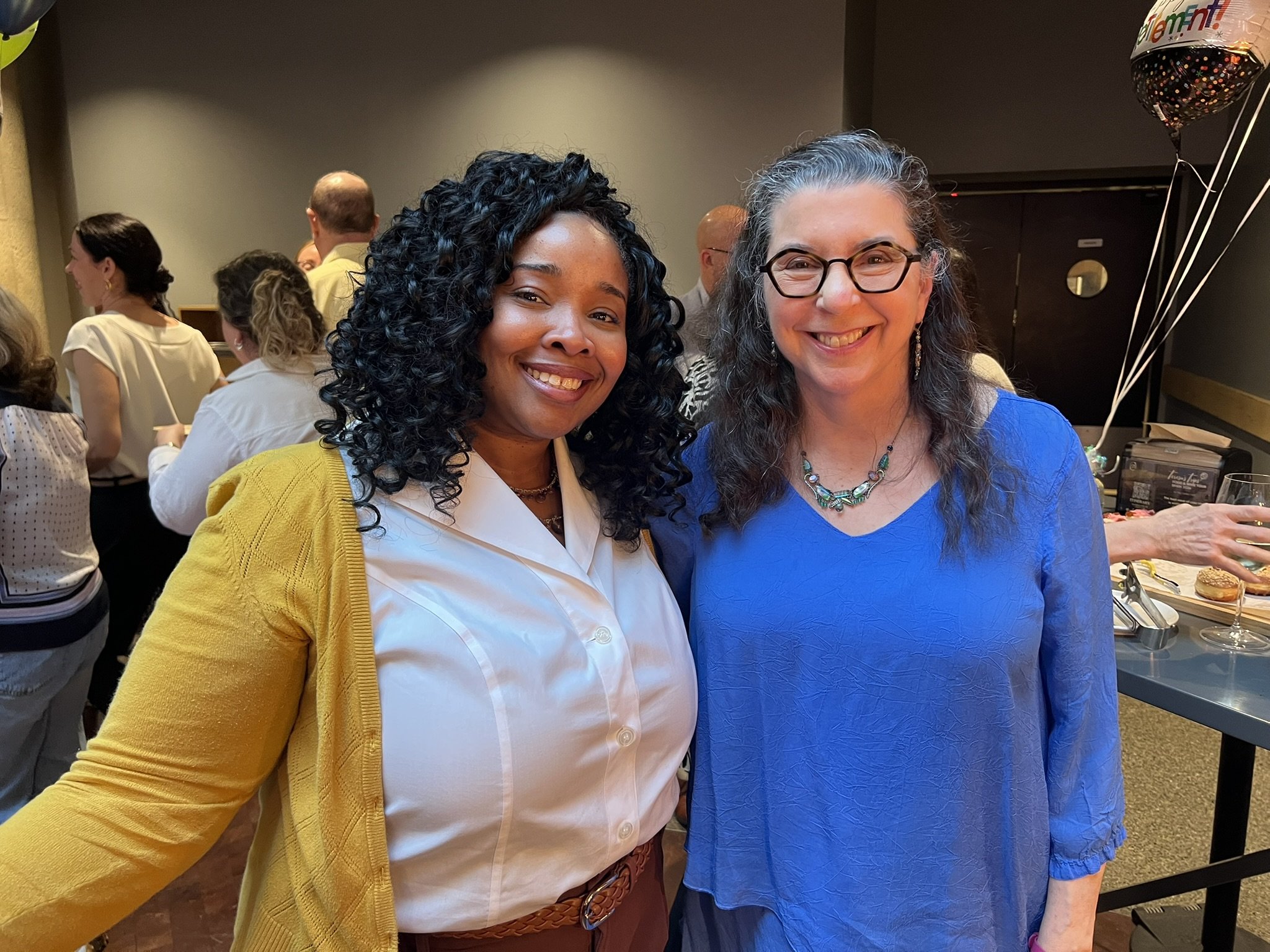
With nearly a decade at the Greater Washington Community Foundation and a distinguished career spanning community foundations, national nonprofits, and philanthropic leadership, Rebecca Rothey has helped shape how donors think about generosity, legacy, and impact. Known for her deep expertise, thoughtful counsel, and unmistakable wit, Rebecca has guided countless individuals and families through some of life’s most meaningful philanthropic decisions.
As she prepares for retirement, we sat down with Rebecca to reflect on her career, the evolving landscape of charitable gift planning, and the enduring power of philanthropy to create lasting change.
What first drew you to a career in charitable gift planning, and what has kept you inspired over the years?
I came to charitable gift planning somewhat by accident. I had spent many years fundraising outside the nonprofit sector, and during a life transition I began exploring what might come next.
Around that time, I met a woman who was then the Director of Planned Giving at the American Red Cross of Central Maryland. She helped me land my first role and became my mentor as I built my new career in the nonprofit sector. When a major gifts position opened at the Red Cross, she encouraged me to apply, and later, when she retired, I stepped into her role.
Although I didn’t set out to build a career in planned giving, the opportunity really fit my strengths. I’ve always enjoyed working with older donors, and I was drawn to the technical and strategic challenges of gift planning.
You’ve worked with both the Baltimore Community Foundation and the Greater Washington Community Foundation. What makes community foundations uniquely positioned to serve donors and communities?
Community foundations are uniquely donor-centered in a way that’s hard to replicate elsewhere. In most fundraising roles, even with the best intentions, fundraisers are ultimately raising money for a specific institution. At a community foundation, our mission is broader—we’re building charitable assets for the community itself.
That allows us to truly focus on helping donors achieve their philanthropic goals in the way that works best for them, whether that means supporting long-standing traditions or pursuing creative, even unconventional ideas. Donors come to us because they want to give back, and we help them do that thoughtfully and effectively.
At the same time, community foundations also lead with a clear point of view. We were created to serve our communities, often tackling complex or uncomfortable issues that others may shy away from. As Tonia often says, we sit at the intersection of donor interests and community needs—supporting individual philanthropic visions while also convening, leading, and advocating around the most critical challenges facing our region.
Why is legacy planning such an important conversation for donors—especially right now?
As tax laws have evolved and estate taxes affect fewer people, legacy planning has become less about tax avoidance and more about values, impact, and purpose—both during one’s lifetime and beyond.
This shift is especially important as wealth changes hands across generations. Baby boomers, millennials, women, and more diverse families are increasingly focused on making a difference and engaging future generations in philanthropy. Legacy planning today is as much about family conversations and shared impact as it is about financial tools. That’s where advisors and community foundations can play a powerful role in helping donors align their resources with what matters most to them.
The simple reality is that we all die, and whether or not someone makes a plan, their assets will be distributed somehow. Thoughtful planning allows donors to decide what they want their resources to do and what impact they want to leave behind.
From your vantage point, what are some of the most thoughtful or effective approaches you’re seeing among today’s philanthropic donors and advisors?
For advisors, I’d point to the growing focus on impact-driven philanthropy. As wealth ownership shifts and becomes more diverse, and younger generations place greater emphasis on impact, advisors need to expand their skill sets. Philanthropy today isn’t only about tax-deductible gifts or technical tools—it also includes impact investing, advocacy, and alternative structures like charitable LLCs, B corporations, and purpose trusts.
The most effective donors and advisors are those who embrace this broader view of impact and remain open to new approaches that help align resources with the social and community outcomes donors care most about.
Looking back, what professional moment or accomplishment are you most proud of?
I’m most proud of the cumulative impact of the gifts I’ve had the privilege of helping donors create—both legacy commitments and current gifts. I love working with donors to help them achieve their objectives. Over the course of my career, that work has resulted in hundreds of millions of dollars in legacy commitments, including helping grow The Community Foundation’s legacy pipeline from $16 million to more than $200 million and opening millions of dollars in new charitable funds.
I’ve always viewed this work as an honor. Donors trust you with some of the most personal decisions they’ll ever make, tied to what they care about most. I’ve learned something from every donor I’ve worked with, from individuals of great wealth to people of very modest means whose generosity made a meaningful difference.
What motivates me most is helping donors transform what can be a difficult conversation about mortality into something hopeful and life-giving. A charitable legacy, especially an endowment, allows people to create something that lives beyond them and reflects their values. Helping donors experience that sense of lasting impact is what I find most meaningful about this work.
Your colleagues know you for your expertise, clarity, wit, and iconic eyeglasses. What do you hope people remember most about working with you?
I hope people remember how deeply I care about others, and that I brought empathy to everything we did together.
As Rebecca enters this next chapter, her influence will continue to be felt through the donors she guided, the colleagues she mentored, and the philanthropic legacies she helped bring to life. We are deeply grateful for her years of leadership, wisdom, and care, and we wish her every joy in retirement.