
Built to Last: How Sustainable DC is Helping Small Businesses Grow Green and Stay Strong
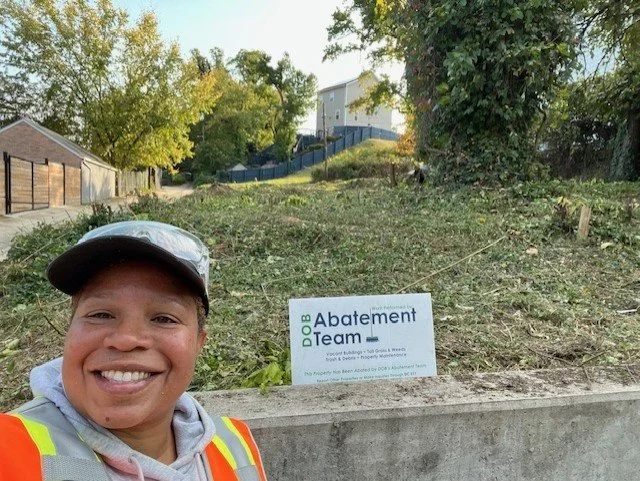
Aida Massie, founder of Discovery Construction LLC, is building more than a business. She is using sustainability training and strategic support to position her company for growth in DC’s emerging green economy - thanks to the Sustainable DC initiative.
“Thanks to Sustainable DC, I’ve been able to connect my interest in sustainability with practical business expansion,” Aida shared. “It’s allowed to turn this new knowledge into stronger operations, sharper positioning, and access to new opportunities.”
Aida’s interest in construction and sustainability started long before she launched her company. Aida grew up watching her father, a carpenter and dedicated craftsman, which sparked her interest in the construction industry. “I knew for years that I wanted to be in construction. It just took the right support and resources to help me move forward.”
Aida is not the only one. Data shows that the number of women entering construction nationwide has grown dramatically since the pandemic.
In DC specifically, the surge has coincided with the city’s push to reach carbon neutrality by 2045, a movement that is expected to generate an $8–10 billion green economy fueled by energy retrofits, sustainable construction, and building maintenance.
Learning About the Green Economy
Early in her journey as a construction entrepreneur, Aida began pursuing certifications and cohort programs that would help her build expertise in sustainability and prepare her business for emerging opportunities.
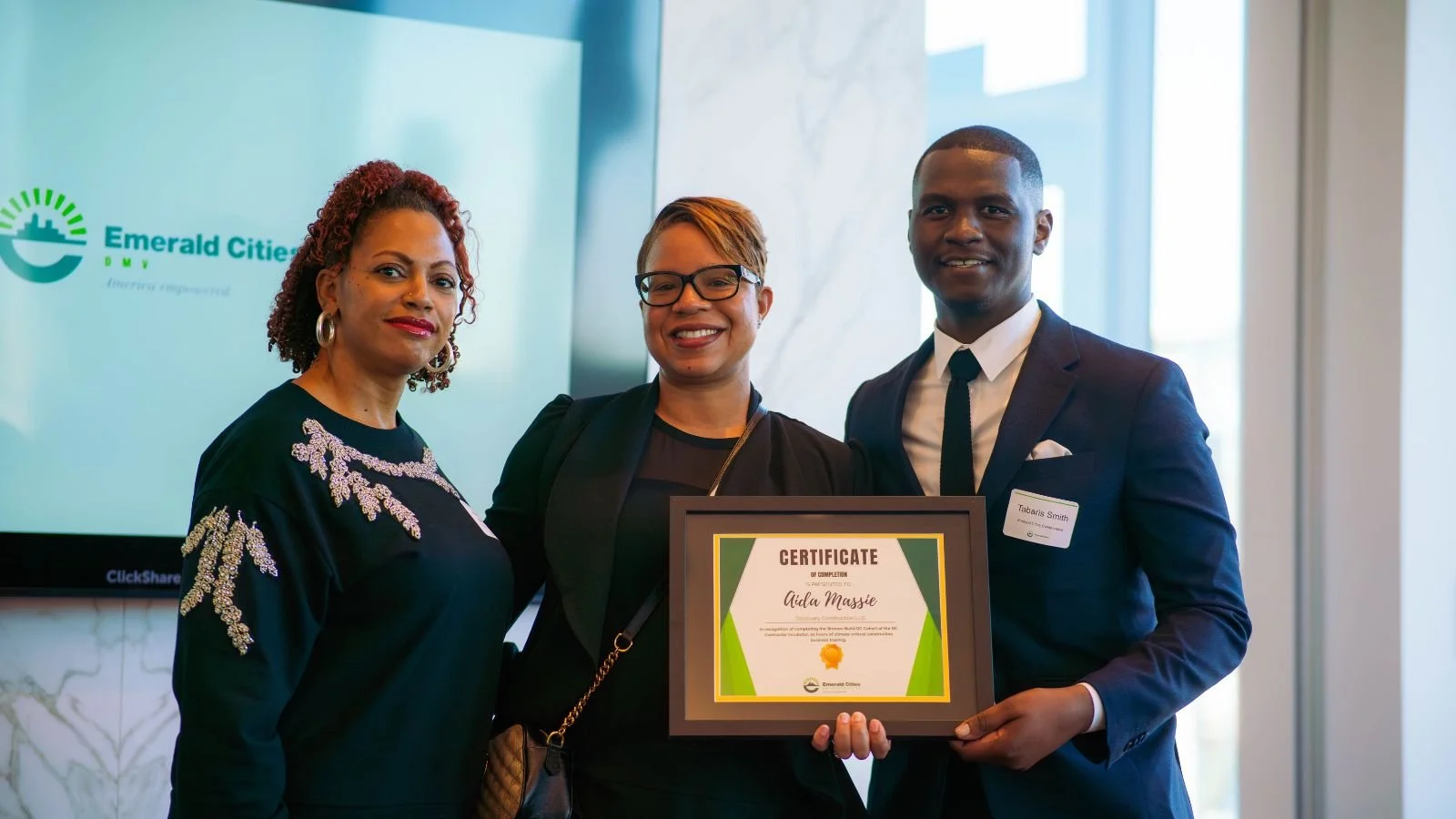
Over time, Aida connected with the Emerald Cities Collaborative’s E-Contractor Academy, a seven-week training program that helps entrepreneurs build expertise in energy efficiency and renewable energy retrofit projects.
Emerald Cities Collaborative is a nonprofit partner of The Community Foundation’s Health Equity Fund.
“The E-Contractor Academy really transformed how I run my business,” Aida said. “It opened my eyes to a whole new line of business opportunities that I hadn’t realized were out there.”
While the program expanded Aida’s understanding of the green economy, she still needed the right support to turn that knowledge into real business growth.
“I had gained so much knowledge, but I still needed help figuring out how to apply it in a way that worked for my business,” Aida said.
That’s where Sustainable DC came in.
Bridging the Gap Between Knowledge and Opportunity
Launched in 2024, Sustainable DC is a partnership between the Washington Area Community Investment Fund (WACIF) and The Coalition (formerly CNHED), supported by the Greater Washington Community Foundation's Health Equity Fund.
The program was built on a specific hypothesis: that small business owners have real interest in the green economy but face a significant gap in the knowledge, capital, and networks needed to compete.
“We know there's opportunity in this space,” says Megan Carras, WACIF's Chief Development & Communications Officer. “But we also know that the businesses we serve are not at the front of the line. We wanted to design something that actually gave them a leg up.”
That meant creating something new: a flexible capital product pairing low-interest loans with a grant component — so that once businesses complete repayment, there's a meaningful chunk of capital waiting for them.
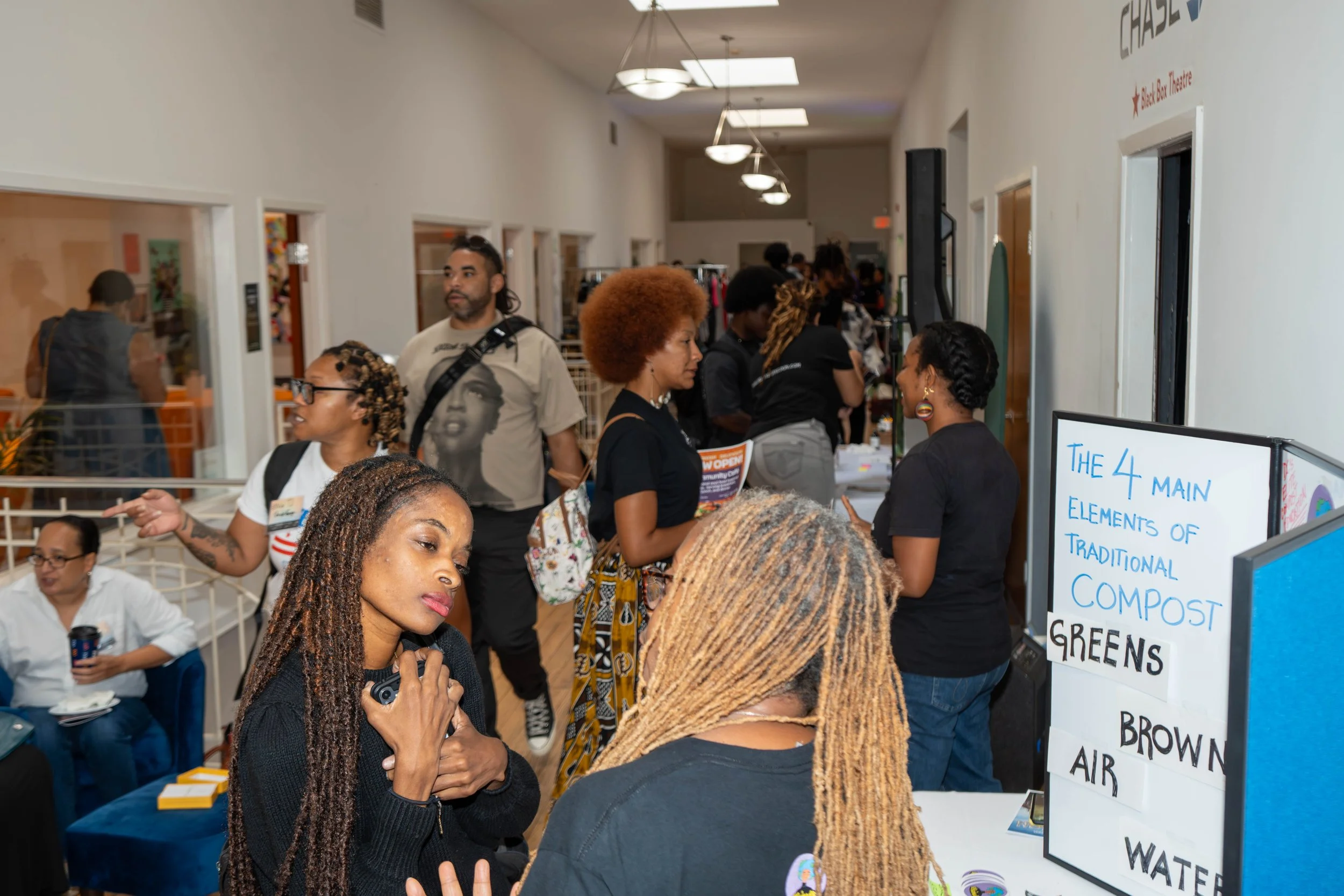
WACIF hosts a Sustainability Showcase in Southeast DC
To date, WACIF has deployed over $1 million to businesses across the DC region, spanning a wide range of industries — from construction and remediation to plant-based food, EV charging, sustainable beauty, and composting education.
WACIF has also provided businesses with one-on-one business coaching, workshops, and access to entrepreneurs in residence who specialize in green economy sectors and sustainability marketing.
For Aida, that support created real momentum. It allowed her to hire an assistant to manage back-office operations and contract searches, giving her more capacity to focus on growth and position her business for new opportunities.
“As a business owner, I was missing so many opportunities that I was qualified for and capable of pursuing,” Aida said.
As her business has grown, Aida’s sustainability certification has become one of her most valuable differentiators in strengthening her outreach and helping her stand out when bidding for contracts.
“I stand a bit taller knowing that I’m sustainability certified,” Aida said.
Opening New Doors
While WACIF has focused on providing businesses with knowledge and capital, The Coalition has been laying the groundwork for a green energy network with major institutions across DC, many of which have been seeking local, sustainable vendors but don't know where to find them.
“It took a long time for procurement leaders to think about small and local businesses when it came to sustainability,” says Phil Berkaw, The Coalition's Senior Director of Strategic Initiatives. “We're seeing the same thing that happened with general procurement — institutions just weren't thinking about small businesses when it came to upgrading their HVAC systems or greening their supply chains. This program is changing that.”
Through the DC Green Small Businesses Working Group — which includes the DC Department of Energy and Environment and sustainability directors from institutions like American University and Georgetown University — the Coalition has been building a pipeline of contract opportunities and preparing businesses to compete for them.
“This pipeline has catalyzed new partnership opportunities we never would have considered before,” Berkaw says. “It's opened up an entirely new lane for us — and for the businesses we serve.”
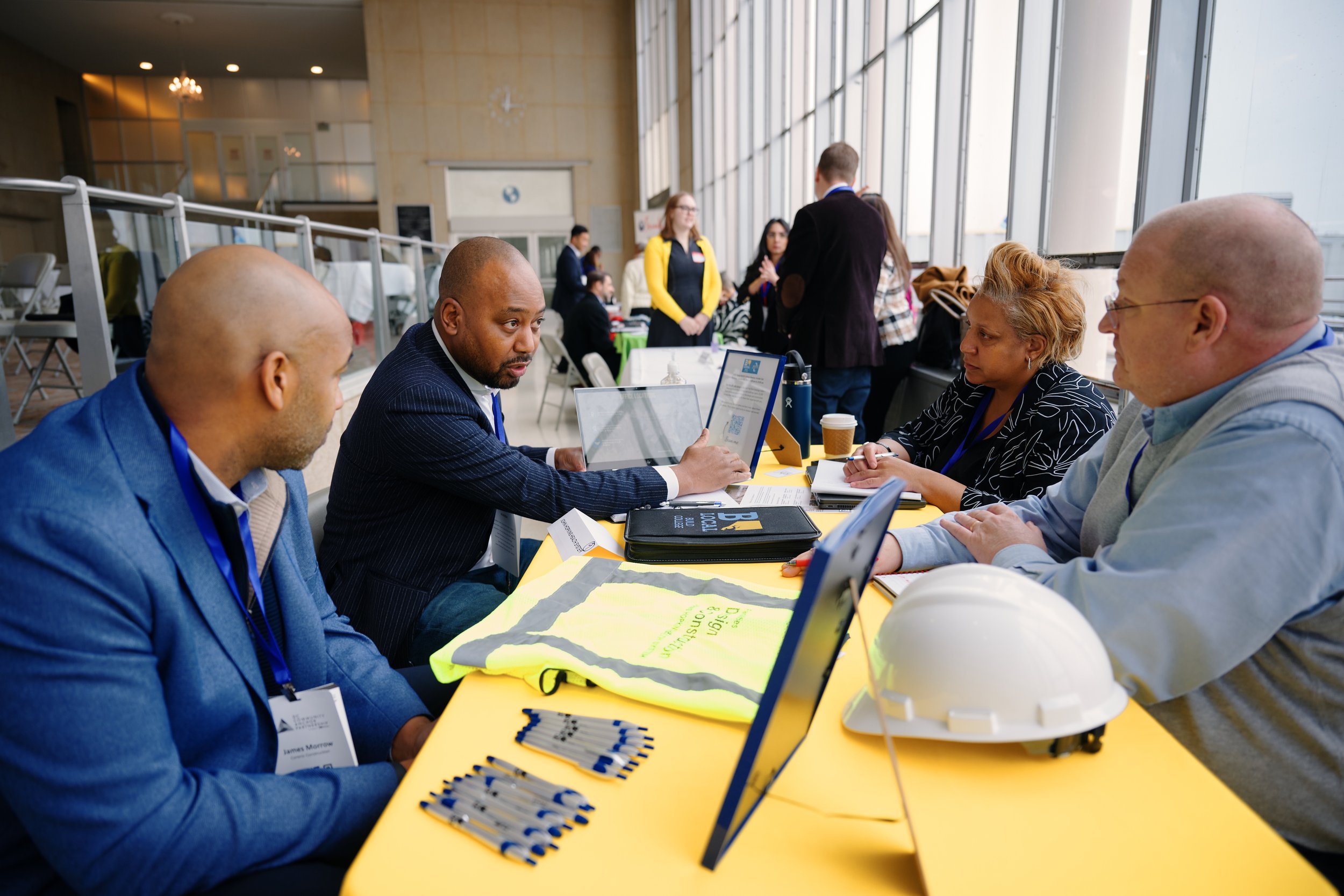
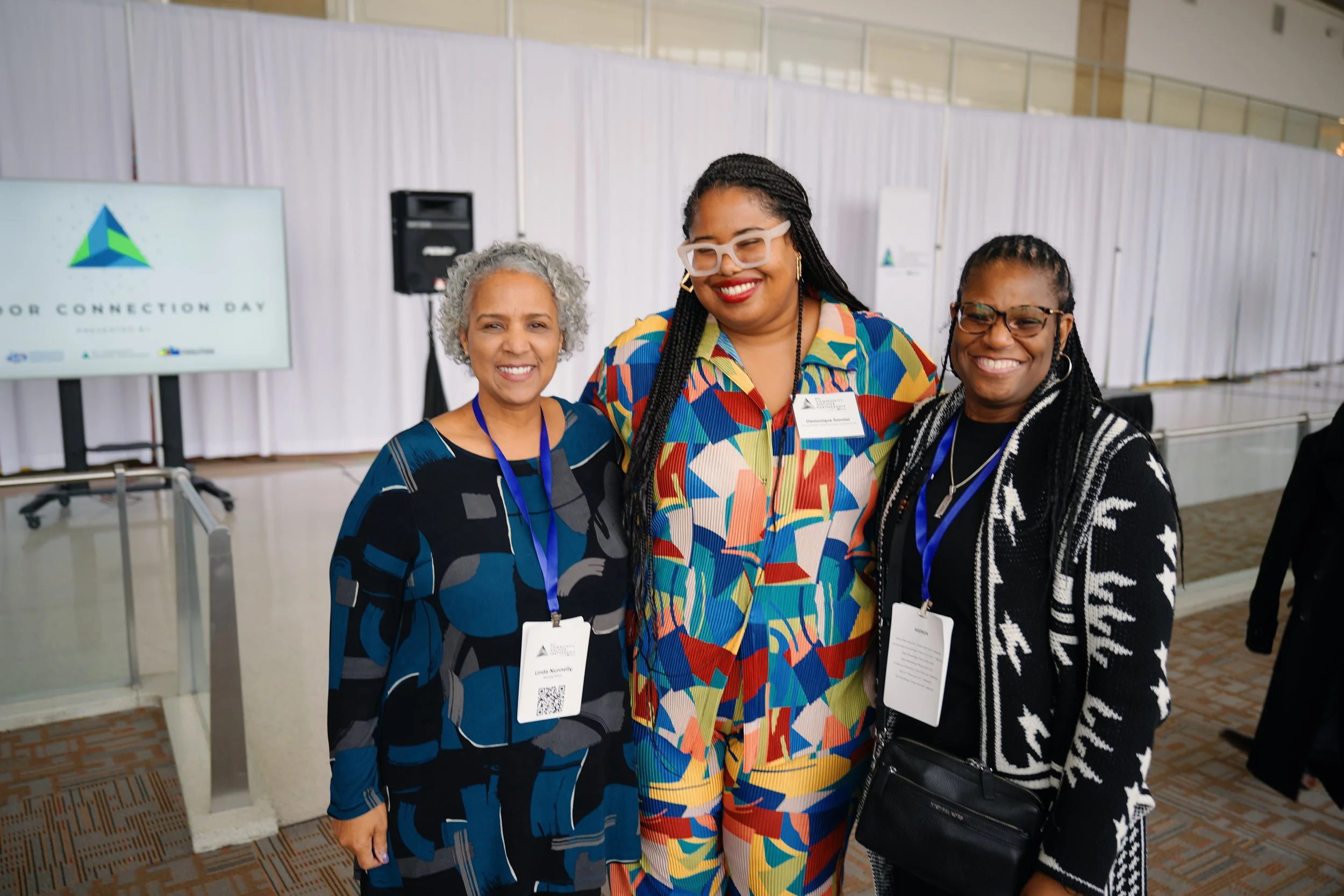
Sustainable businesses and institutional partners meet at the inaugural Sustainable DC Vendor Connection Day Event in 2025.
Later this month, WACIF and the Coalition will host the Sustainable DC Vendor Connection Day — a matchmaking event designed to bring sustainable businesses and institutional partners together face-to-face. The event will feature structured one-on-one “matchmaking” meetings between institutions and small businesses. The goal isn't just connections for a single day. It's building a durable pipeline of opportunity — ensuring that DC's green economy investments circulate within the communities that need them most.
“We want to make sure that as new revenue opportunities come up, the businesses we serve have the information and the capital to access them,” Carras said. “That commitment isn’t going anywhere.”
For Aida, the path to leading a sustainability-certified construction firm has taken persistence, vision, and a willingness to keep learning. Inspired early on by watching her father, a carpenter and dedicated craftsman, she has continued to build a business rooted in growth, purpose, and opportunity.
She hopes her journey encourages other small business owners to stay ready, keep learning, and remain open to what is possible.
“Don’t miss the wave,” Aida said. “There are so many opportunities out here.”
“Sustainability is where it’s at — not just for the planet, but for your business too!
The Community Foundation is proud to support Sustainable DC through the Health Equity Fund. Click here to learn more about the amazing businesses participating in Sustainable DC.
The Sustainable DC Vendor Connection Day takes place later this month. For more information, visit https://thecoalitiondc.org/dcap/