
Sustainability Spotlight: Meet Our Sustainable DC Small Business Partners
Earth Day is a yearly reminder to take care of our planet, but for some small business owners in the District, sustainable practice isn't a once-a-year conversation — it's the foundation of how they work.
Through the Sustainable DC Project - an initiative piloted by the Washington Area Community Investment Fund (WACIF) and The Coalition, a cohort of DC-based entrepreneurs is proving that building a greener business and building a thriving one aren't competing goals.
The Community Foundation is proud to support Sustainable DC through the Health Equity Fund and is excited to celebrate and highlight some of these incredible businesses from across DC.
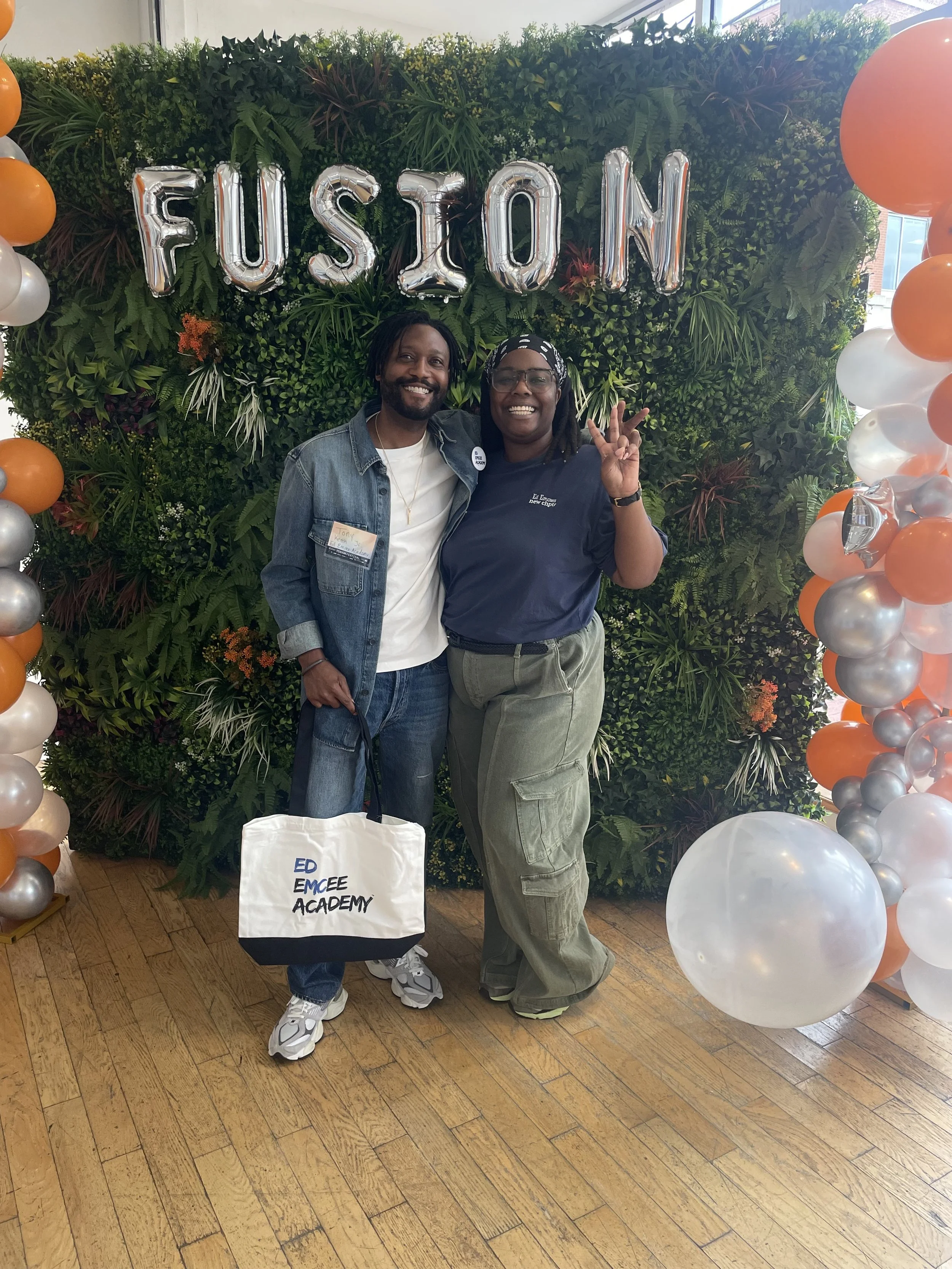
Tony Keith Jr., PhD, Founder of Ed Emcee Academy
-
Tell us about your business. What do you do, how long have you been in operation, and who do you serve?
Ed Emcee Academy is a Washington, DC-based creative education company that uses poetry, spoken word, and Hip-Hop as tools for learning, leadership development, and social impact. Founded in 2019, we design and deliver workshops, performances, curriculum, and consulting services that help young people, educators, and organizations explore identity, build confidence, and transform learning environments. We serve schools, libraries, museums, and community-based organizations, with a focus on youth and the adults who support them, especially in historically underserved communities.
What's your origin story? What inspired you to start your business — and at what point did sustainability or the green economy become part of the picture for you?
Ed Emcee Academy was born from my journey as a poet, educator, and Hip-Hop practitioner who saw firsthand how young people come alive when they are given space to explore their voice and identity. In 2019, while completing my doctoral research, I was laid off from my full-time role, an unexpected turning point that pushed me to build what had been “side work” into a full-time business. My research on Hip-Hop educational leadership became the foundation of our philosophy, rooted in “Knowledge of Self,” a core element of Hip-Hop that centers awareness, purpose, and connection.
My connection to sustainability grew directly from that foundation. Through a Hip-Hop and poetry lens, I began to understand “Knowledge of Self” as not only knowing who we are, but also how we are connected to each other and to the planet. That awareness deepened when I participated in the Green Pitch Competition, which we won first place. Before that experience, I hadn’t fully realized that sustainability could be an intentional part of my business model. It helped me see that I wasn’t alone as a self-taught entrepreneur, and that there is a growing community of small businesses using creativity, culture, and education to advance environmental awareness and the green economy.
What obstacles did you face before joining the Sustainable DC Project? Were there specific barriers — financial, informational, or otherwise — that made it harder to grow or go green as a small business owner?
Before joining the Sustainable DC Project, I faced a number of barriers that are common for self-taught entrepreneurs. Financially, I was building a business while also needing to contribute equitably to my household, which meant navigating uncertainty without a large cushion. At the same time, I was learning how to run a business in real time, figuring out accounting, operations, administration, and business planning through books, videos, and online resources.
There were also informational and mindset barriers. Because Ed Emcee Academy is a service-based business, I initially did not see how sustainability or green practices connected to our work. I did not have the technical language around emissions or environmental systems, even though I had a strong sense of our shared humanity and connection to the planet.
Finally, there were relational challenges. As an entrepreneur, I was building something that few people in my immediate circle could fully relate to, since many of my friends and family work in traditional employment. Finding community with other small business owners, especially those thinking about sustainability, took time. The Sustainable DC Project helped bridge those gaps by providing both language and community to support this next phase of growth.
How did you get involved with Sustainable DC, and what has your experience been like? What types of support have you received, and has there been a moment or resource that made a real difference?
I first became connected to Sustainable DC through the broader small business ecosystem in DC. After placing as a first runner-up in the FY23 DC Dream Pitch Competition, I was introduced to resources through WACIF and the Department of Small and Local Business Development (DSLBD). That connection led to opportunities like presenting at the Fusion Festival at the Anacostia Arts Center in 2024 and hosting a table there again in 2025.
Since then, I have stayed engaged by following newsletters and participating in programs, including enrolling in WACIF’s Growth Acceleration and Performance Program. Through this experience, I have received technical assistance with accounting, as well as coaching and guidance as a Sustainability Ambassador from WACIF’s Entrepreneurs in Residence.
One of the most impactful aspects has been the combination of practical business support and values alignment. The technical assistance helped strengthen my operations, while the mentorship and sustainability focus helped me more clearly define how my work as a poet, educator, and entrepreneur fits into the green economy.
What has changed for your business since participating in the program? Think about new certifications, hires, clients, contracts, or operational improvements — and what you're most proud of.
Since participating in the program, one of the biggest shifts has been how I think about both growth and impact. I am actively learning how to productize our services so they can be more scalable and sustainable over time. Operationally, we are making more intentional choices by prioritizing eco-friendly materials and supplies for our workshops and moving toward digital platforms instead of paper whenever possible.
There have also been important shifts in how we work as a team. I am in conversation with team members about their own sustainable practices and how we can support their growth in that area, which is helping to build a shared culture of sustainability within the organization. We have also expanded our capacity by bringing on a Green Energy Specialist to guide this work.
Programmatically, we have begun integrating sustainability more directly into our offerings, including workshops like Poems for Planetary Purpose that connect poetry, Hip-Hop, and environmental awareness. At the same time, we remain focused on building our Washington, DC-based headquarters by hiring local talent from marginalized and underserved communities, creating opportunities for earned income to circulate back into the community and contribute to long-term economic sustainability.
What I am most proud of is that sustainability is no longer an add-on, but is becoming embedded in how we think, create, and serve.
How has the Sustainable DC Project changed the way you think about your business and its place in the green economy? Has it shifted your vision for what's possible — for your company, your employees, or your community?
Participating in the Sustainable DC Project has shifted how I see my business and its role in the green economy. Before, I understood our work as creative and educational, but I did not fully see it as part of a larger sustainability ecosystem. Now, I recognize that culture, storytelling, and “Knowledge of Self” are essential to how people understand their relationship to the planet and to each other.
It has expanded my vision of what is possible. I now see Ed Emcee Academy not only as a service-based business, but as a cultural driver of environmental awareness, community economic sustainability, and workforce development. This shift has influenced how I think about our team, the communities we serve, and the long-term impact of our work in Washington, DC.
More than anything, it helped me understand that sustainability is not separate from what we do. It is already embedded in our purpose, and now we are building the language, partnerships, and infrastructure to fully realize that vision.
What's next for you and your business? How does the green economy factor into where you're headed — and what would you say to another small business owner from your community who's considering this path?
What’s next for Ed Emcee Academy is growth with intention. We are building toward becoming a workforce development and leadership training institution rooted in poetry, Hip-Hop, and sustainability. This includes launching our OST Leadership Certification program, expanding youth and adult career pathways, and working toward a permanent headquarters in Washington, DC that will serve as a community hub for training, creativity, and economic opportunity .
The green economy is not a side initiative for us. It is shaping how we design our programs, train leaders, and think about long-term impact. From integrating environmental literacy into our curriculum to exploring sustainable operations and community-based economic models, we are aligning our growth with both cultural and environmental responsibility.
To another small business owner from my community, I would say this: you do not have to have all the technical language to begin. Start with what you already know and what you care about. For me, it started with “Knowledge of Self” and grew into a deeper understanding of our connection to the planet. There are resources, communities, and people who will support you along the way. The green economy is not just about technology or products. It is about people, culture, and the choices we make every day to build a more sustainable future.
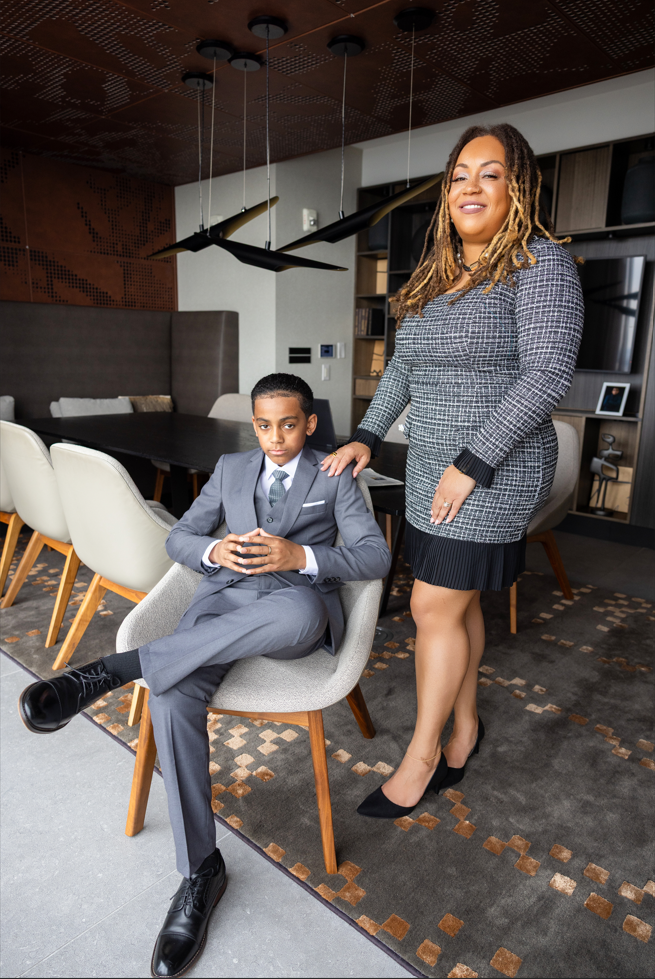
Bron & Patrice Chappelle, Founders of MelanBrand Skin
-
Tell us about your business. What do you do, how long have you been in operation, and who do you serve?
MelanBrand Skin is a youth-focused, plant-powered skincare brand I co-founded with my son, Bron when he was just 12 years old. We create dermatologist-approved, cruelty-free, and non-toxic skincare products specifically designed for melanated and sensitive skin, a group that has historically been overlooked in the market.
We have been in operation for several years, growing from a personal solution into a purpose-driven brand that now serves children, pre-teens, teens, and families looking for safe and effective skincare routines. Our core offerings include our three-step Fresh Face System, our eczema-focused MelanMoisture line, and our Discovery Kits that help kids build healthy skincare habits early.
At our core, we serve families who want their children to feel confident in their skin while using products that are clean, safe, and culturally intentional.
What's your origin story? What inspired you to start your business — and at what point did sustainability or the green economy become part of the picture for you?
MelanBrand Skin was born out of necessity. My son Bron struggled with sensitive skin, and I could not find products in stores that were gentle, effective, and made with him in mind. Everything was either too harsh, not formulated for melanated skin, or filled with ingredients I did not feel comfortable using on a child.
As a mother, I started researching solutions myself. What began as a way to care for my son evolved into a larger mission to create a brand that helps children feel seen, supported, and confident in their skin.
Sustainability became a natural extension of that mission. If we are caring for our children’s skin, we should also be mindful of what we are putting into their bodies and into the environment. That led us to prioritize clean ingredients, cruelty-free practices, and more conscious packaging decisions as we have grown.
What obstacles did you face before joining the Sustainable DC Project? Were there specific barriers — financial, informational, or otherwise — that made it harder to grow or go green as a small business owner?
Before joining the Sustainable DC Project, one of the biggest challenges was access to the right information, funding, and trusted resources to scale responsibly.
As a small Black woman-owned business, navigating sustainability felt overwhelming at times. There were gaps in understanding how to source more eco-friendly materials, how to align with green certifications, and how to balance sustainability with affordability, especially in a product category where margins are already tight.
Financially, investing in sustainable packaging and processes can be costly upfront, and without guidance, it can feel like you are making decisions in isolation. Finding partners and suppliers who align with both your values and your budget was also a challenge.
How did you get involved with Sustainable DC, and what has your experience been like? What types of support have you received, and has there been a moment or resource that made a real difference?
I got involved with the Sustainable DC Project through my continued search for resources and community that support small businesses in building more sustainable operations.
The experience has been incredibly valuable. The program provides access to experts, tools, and a network of like-minded entrepreneurs who are committed to doing business differently.
The most impactful part has been the practical support, including guidance on sustainable practices, opportunities to explore certifications, and real conversations about how to implement changes in a way that makes sense for a growing business.
What has changed for your business since participating in the program? Think about new certifications, hires, clients, contracts, or operational improvements — and what you're most proud of.
Since participating, we have become much more intentional and informed in how we operate.
We have started exploring more sustainable packaging options, strengthening our commitment to clean and non-toxic ingredients, and thinking more strategically about our supply chain. We are also better positioned to pursue certifications and partnerships that align with our values.
Operationally, it has helped us refine our processes and think long-term about both growth and impact. What I am most proud of is that we are building a brand that serves our community while doing so responsibly.
How has the Sustainable DC Project changed the way you think about your business and its place in the green economy? Has it shifted your vision for what's possible — for your company, your employees, or your community?
The program has expanded my vision. Before, sustainability felt like something we wanted to do but were not fully sure how to execute at scale. Now, I see it as a core part of our business model and our responsibility as a brand serving the next generation.
It has reinforced that small businesses rooted in community have a powerful role to play in the green economy. We are not just selling products. We are shaping habits, educating families, and contributing to a healthier future.
What's next for you and your business? How does the green economy factor into where you're headed — and what would you say to another small business owner from your community who's considering this path?
We are entering an exciting phase of growth, including expanding our retail presence with our upcoming launch at Reagan National Airport and continuing to build out our product lines and community experiences like the MelanBrand Skin Lab.
Sustainability will continue to be a key part of that journey. From packaging to partnerships, we are committed to making choices that support both our customers and the environment.
Looking ahead, I see us scaling as a brand while becoming a leader in youth skincare within the green economy. We are showing that it is possible to build a culturally relevant, community-driven business that is also conscious and sustainable.
To other small business owners, I would say start where you are, use the resources available to you, and stay committed to progress.
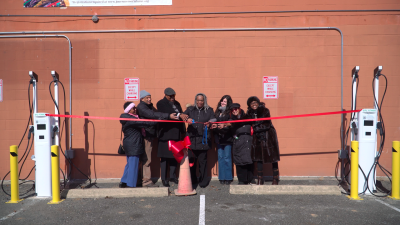
Citizens Energy celebrates the opening of a new EV Charging Station at Jones Memorial Church in Southeast DC
-
Tell us about your business. What do you do, how long have you been in operation, and who do you serve?
Citizen Energy is a clean energy company headquartered in Washington, DC. We deliver energy-saving building upgrades, EV charging infrastructure, and clean energy solutions. Through our Avanza EV initiative, we are working to accelerate electric vehicle adoption in underserved communities by bringing together charging infrastructure deployment, bilingual outreach and education, innovative financing, and a mobile web platform that manages the entire EV adoption journey for residents. Over the last 13 years, we have grown from a small consulting firm into a social enterprise that has secured millions in federal and state grants for projects serving underserved communities across the DC metro area, Maryland, Virginia. Our customers and beneficiaries include multifamily property owners, small businesses, and — most importantly — the thousands of families who stand to benefit from cleaner air, lower energy and transportation costs, and access to the green economy.
What's your origin story? What inspired you to start your business — and at what point did sustainability or the green economy become part of the picture for you?
I'm the son of Mexican immigrants, and I grew up splitting time between the California Central Valley and Guadalajara, Mexico — two communities with rich cultural heritage but significant environmental and economic challenges. In Guadalajara in the 1990s, I witnessed extreme air pollution firsthand; enforcement of vehicle emission controls was essentially nonexistent. That early exposure to environmental injustice pushed me to ask bigger questions and pursue studies in politics, business, and the environment.
In college, I landed an internship at the U.S. Department of Energy — and honestly, at the time I didn't even know the DOE existed. I cared about social justice and immigration issues, not energy. But that summer in 2003 changed everything. I quickly saw how energy and environmental issues directly affect the communities I come from. After graduating, I returned to DOE as a federal employee, and during the Obama administration I had the opportunity to support outreach strategies for over $75 billion in clean energy investments under the Recovery Act. That's when I saw the transformative potential of combining public dollars and private capital to deploy clean energy infrastructure at scale.
Not long after, a good friend started a clean energy consulting firm and invited me to join. That was the beginning of Citizen Energy. In the early years, we focused on commercial clients — real estate owners who could afford energy efficiency retrofits and solar. But I missed the community work. That's what drew me into this field in the first place. When the Biden administration made equity and access central to clean energy policy, it changed everything. Suddenly there was an opening to serve the communities I care about most — low-income and underserved communities. That brought everything full circle. Sustainability and the green economy were always the vehicle — but serving my community has always been the destination.
What obstacles did you face before joining the Sustainable DC Project? Were there specific barriers — financial, informational, or otherwise — that made it harder to grow or go green as a small business owner?
Before joining the Sustainable DC Project, we faced several barriers. The most immediate was financial: as a small, minority-owned business working in the clean energy space, accessing capital is a constant challenge. Traditional lenders often didn't understand our business model, and the green economy financing ecosystem — tax credits, utility rebates, incentive stacking — is complex and not designed with small businesses in mind. We often had to bridge-finance projects ourselves while waiting for incentive disbursements, which strained our cash flow.
There are also informational barriers. The landscape of regulations, incentives, certifications, and buyer expectations in the green economy is constantly evolving. Keeping up with changes — from federal funding opportunities to local permitting requirements to new clean energy programs — requires resources that a small team simply doesn't always have. Navigating the federal grant process, for example, is enormously time-intensive; it took years of learning and relationship-building before we could compete effectively for large awards.
On top of that, the current political environment has created new obstacles. The federal funding freeze and termination of clean energy grants — including grants my organization had been awarded — disrupted our project pipeline and forced us to lay off team members. As a DC-based small business serving disadvantaged communities, losing that federal support underscored how vulnerable small green businesses are to political shifts, and how important it is to have local support networks and alternative pathways to grow.
How did you get involved with Sustainable DC, and what has your experience been like? What types of support have you received, and has there been a moment or resource that made a real difference?
I got involved with the Sustainable DC Project through WACIF relatively recently, and the impact has already been significant. WACIF provided us with a $250,000 loan through their Green Growth Fund, which has been a game-changer. That capital, combined with the grant that comes along with it, is making it possible for us to deploy EV charging infrastructure in underserved communities right here in DC — work that would not have happened otherwise, especially given the federal funding disruptions we've been navigating. Our most recent installation, made possible through this support, was at Jones Memorial Church in Southeast DC. That project is a perfect example of what Sustainable DC is about: bringing clean energy infrastructure directly to communities that have historically been left out of the green economy. Southeast DC is exactly the kind of neighborhood where residents need access to affordable, reliable EV charging but where the private market alone won't deliver it.
Beyond the capital, the Entrepreneurs in Residence (EIR) program has been incredibly valuable. WACIF's EIRs have provided us with critical guidance on strategy, growth, and developing new value-add partnerships. For a small business like ours, having access to advisors with deep experience in infrastructure finance, clean energy, and operational strategy — at no cost — is the kind of support that levels the playing field. It's one thing to have a strong mission and a solid model; it's another to have experienced advisors helping you sharpen your approach, identify new opportunities, and navigate a rapidly changing landscape.
What has changed for your business since participating in the program? Think about new certifications, hires, clients, contracts, or operational improvements — and what you're most proud of.
The most tangible change is that Sustainable DC has enabled us to deploy charging infrastructure in DC communities that we otherwise may not have been able to serve — at least not on this timeline. The $250,000 from WACIF's Green Growth Fund directly funded our work at Jones Memorial Church in Southeast DC, bringing EV charging access to an underserved community in a part of the city that has historically been overlooked by clean energy investment. That's a real, physical piece of infrastructure that didn't exist before Sustainable DC, and it's now serving residents.
How has the Sustainable DC Project changed the way you think about your business and its place in the green economy? Has it shifted your vision for what's possible — for your company, your employees, or your community?
What Sustainable DC has reinforced — and in some ways expanded — is my understanding of what it takes to build a green economy that actually includes the communities it's supposed to serve. I've always believed that small businesses like mine aren't just participants in the green economy; we are essential to making it equitable. But working with WACIF and the Sustainable DC ecosystem has given me a clearer view of how capital, advisory support, and community networks can come together to make that belief operational.
Much of our growth has depended on federal grants and large-scale government programs. When those were disrupted, it exposed a vulnerability. Through this program, I've come to see that building local capital relationships and tapping into community-based support systems is not just a backup plan; it's a more sustainable foundation for the work. The Entrepreneurs in Residence have helped me think about our business not just in terms of projects, but in terms of building a platform and a model that others can adopt and replicate.
For my team, being part of Sustainable DC has been energizing. It's a reminder that even when the federal landscape is hostile, there are local institutions investing in our success. And for the communities we serve it means that clean energy infrastructure is arriving not through a top-down government mandate, but through a community-driven investment that was designed with equity at its core. That shift in how the work gets done, not just what gets done, has changed how I think about what's possible for Citizen Energy and Avanza EV going forward.
What's next for you and your business? How does the green economy factor into where you're headed — and what would you say to another small business owner from your community who's considering this path?
We are at an inflection point. Despite the challenges posed by the federal funding freeze, we are pressing forward. We are continuing our work with property owners in low-income and disadvantaged communities, bringing clean energy infrastructure, implementing bilingual EV education campaigns, and helping families save. Our model is becoming a case study for deploying multiple clean energy solutions — community solar, energy efficiency, building electrification, virtual power plants, etc — in underserved communities. We are working with community and green banks, to structure innovative financing that reduces dependence on grants and builds long-term financial viability through operational cash flows and traditional capital markets.
To another small business owner from my community considering this path, I would say: the green economy is not just for big corporations. It is one of the greatest economic opportunities of our generation, and it needs people who understand and are rooted in our communities. The work is complex and the road is not easy — you will face barriers that larger companies don't. But the demand is growing, the technology is ready, and programs like Sustainable DC exist to help you get in the door. Don't wait for permission. Start where you are, serve your community, and build from there. If I can go from a college intern who didn't know the Department of Energy existed to leading a company has secured financing and deployed infrastructure, so can you. The green economy needs your voice, your perspective, and your leadership.
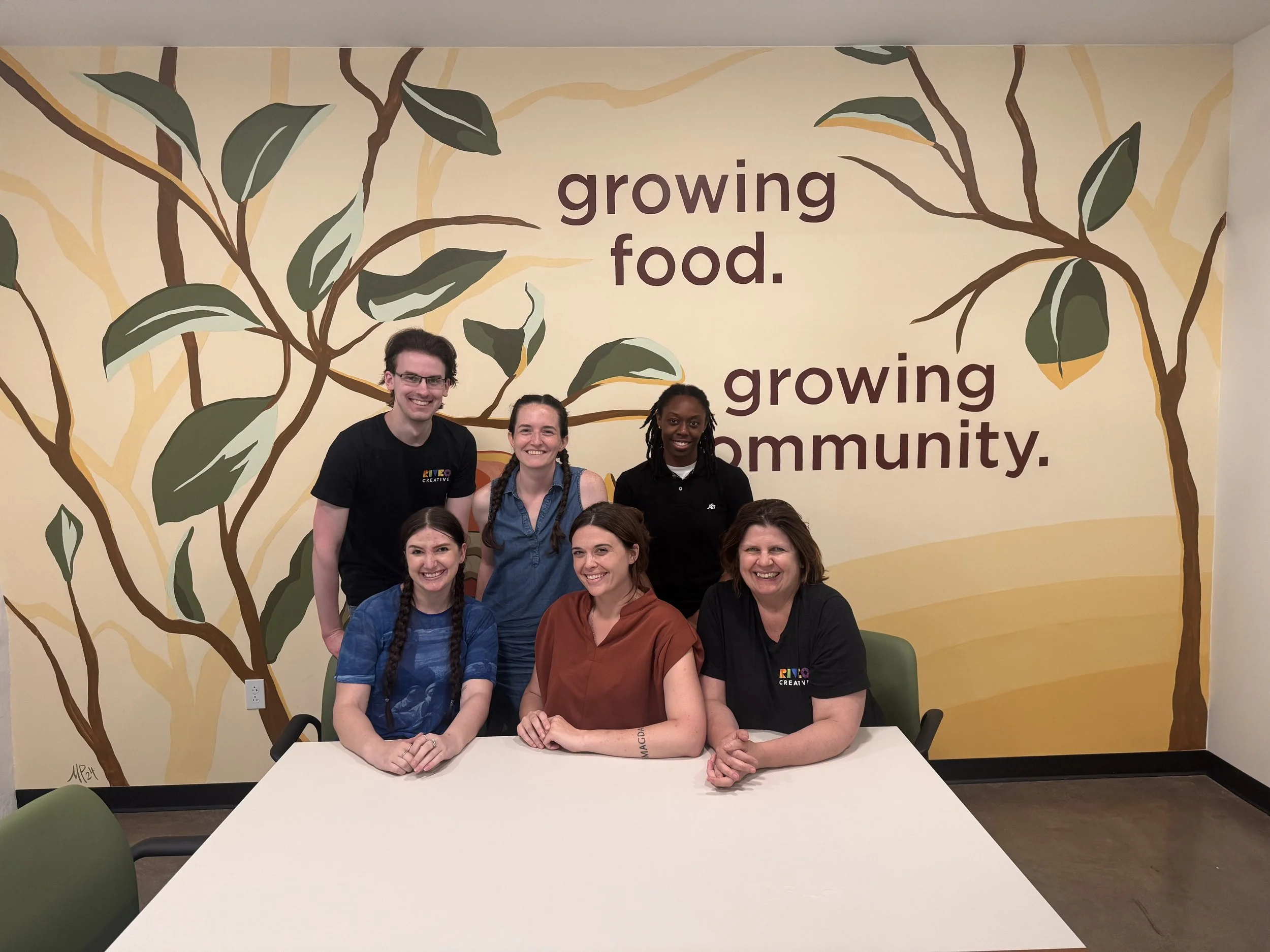
-
Tell us about your business. What do you do, how long have you been in operation, and who do you serve?
For the past 17 years we've been helping sustainable companies build brands and tell their stories. One of our unique offerings is our remote video studio which allows our clients to produce high-quality video content in a way that is both stress-free and sustainable. We're certified as a woman-owned business and we're proud to have a gold EcoVadis rating.
What's your origin story? What inspired you to start your business — and at what point did sustainability or the green economy become part of the picture for you?
Honestly, when I started the business I didn't understand that it's possible for a company to both do good and make a profit. I learned that important lesson several years ago and in that moment something really changed for me. Suddenly there are so many more possibilities!
The next impactful lesson came during a sustainability training I was doing and I learned that no company or individual is too small to make a meaningful impact. Once my team got on board with that we all got really excited about both supporting and working with other sustainably-focused companies.
What obstacles did you face before joining the Sustainable DC Project? Were there specific barriers — financial, informational, or otherwise — that made it harder to grow or go green as a small business owner?
We are a small remote team so our base emissions are already pretty low. We had to figure out how to measure meaningful data, and we also had to define what being sustainable means to us. The answer for our team was to lean into all three elements of ESG, and to implement a way of doing things that gives all employees a sense of autonomy and ownership.
How did you get involved with Sustainable DC, and what has your experience been like? What types of support have you received, and has there been a moment or resource that made a real difference?
I'm relatively new to Sustainable DC, and learned about it from Mary Fehlig who is a strategic partner of ours. I've attended some educational and 1-on-1 online events and am still uncovering all the ways that we might be able to work together or be supported by WACIF.
What has changed for your business since participating in the program? Think about new certifications, hires, clients, contracts, or operational improvements — and what you're most proud of.
We've doubled down on our commitment to do business with other sustainable companies. Because of WACIF we'll have a presence at DC Climate Week, which we're really excited about. I've also already met an amazing network of like-minded people and am looking forward to continuing to build that network.
How has the Sustainable DC Project changed the way you think about your business and its place in the green economy? Has it shifted your vision for what's possible — for your company, your employees, or your community?
We can be part of the sustainability movement by continuing to learn and to share that information with our own networks. Our company wants to step up as one of the leaders in the sustainability space for our industry, and I'm really excited to lean into that role. I don't know if that really seemed within our reach a few months ago but now we have a roadmap to get there.
What's next for you and your business? How does the green economy factor into where you're headed — and what would you say to another small business owner from your community who's considering this path?
The green economy is so important to my business because it's exactly the space we want to grow in. If I was talking to another small business owner I'd encourage them to think about ways they can make changes - large or small - to become more sustainably-focused. It's so much more than a buzz word - it's our future, and it's in our hands.