
Leaders of the Future: Meet Our Maternal Health Nonprofit Partners
April and May are powerful months for maternal health. From Black Maternal Health Week (April 11–17) to Maternal Mental Health Awareness Week (May 4 – May 10) and Mother's Day, this season calls us to center the experiences of mothers and the communities that support them — especially those who have been historically underserved.
This month, we are proud to spotlight the nonprofit partners of our Developing Families Maternal Health Fund — community-based organizations across the Greater Washington region working on the frontlines to improve maternal health outcomes, dismantle structural barriers to care, and ensure that every mother and child has the opportunity to thrive.
-
Which Communities/Neighborhoods do you serve?
Luminis Health is a nonprofit regional health system that was formed in 2019 when Doctors Community Medical Center joined Anne Arundel Medical Center. Each hospital has rich histories of serving their communities. Together, the system provides care for 1.8 million people in Anne Arundel and Prince George’s counties, the Eastern Shore, and beyond. Luminis Health has a network of nearly 100 practice locations, including Luminis Heath Anne Arundel Medical Center (LHAAMC), Luminis Health Doctors Community Medical Center (LHDCMC), J. Kent McNew Family Medical Center, and Pathways.
In 2-3 sentences, please briefly describe the mission of your organization.
Our Mission-Vision and Values are inclusive of the individual and community needs: (Luminis Health Vision 2030) Mission: Enhance the Health of the People and Communities We Serve Vision: Living Healthier Together Values: R.I.S. E=Respect-Inclusion-Service-Excellence
Why is maternal mental health a priority for your community — and for your organization?
Maternal mental health is a priority for our community because it directly impacts the well-being of both mothers and their infants, influencing birth outcomes, bonding, and long-term family stability. Luminis Health recognizes that untreated conditions such as postpartum depression and anxiety can create significant barriers to care, impacting the quality of life of mother and baby particularly in underserved populations. Our preconception workshops incorporate general education on postpartum depression and resources to support mothers.
What do you hope to accomplish with this funding from the Developing Families Maternal Health Fund?
Grant funds will assist in the development and implementation of Start Well: Luminis Health’s Preconception Program to educate women on how to proactively address mental health, chronic disease, and nutrition, equipping participants with the knowledge and support needed for healthier outcomes. Additionally, we plan to strengthen community partnerships and respond to maternal mental health needs, ultimately reducing disparities and improving outcomes for families in our community.
Can you share a moment, story, or example that captures why this work matters? Alternatively, you can also share broader data, stats, or impact numbers related to your maternal health work.
In Prince George’s County 8 out of 10 women leave the county to give birth due to limited obstetric services. The preconception education program helps address maternal health disparities. By providing early education on chronic condition management, mental health, and navigating the healthcare system, the program equips individuals to enter pregnancy healthier and more prepared, leading to better health outcomes.
What gives you hope about the future of maternal health in our region? Despite the challenges, what excites you? What do you see changing — in your community, in the field, or in the broader conversation around maternal health equity? (2–3 sentences)
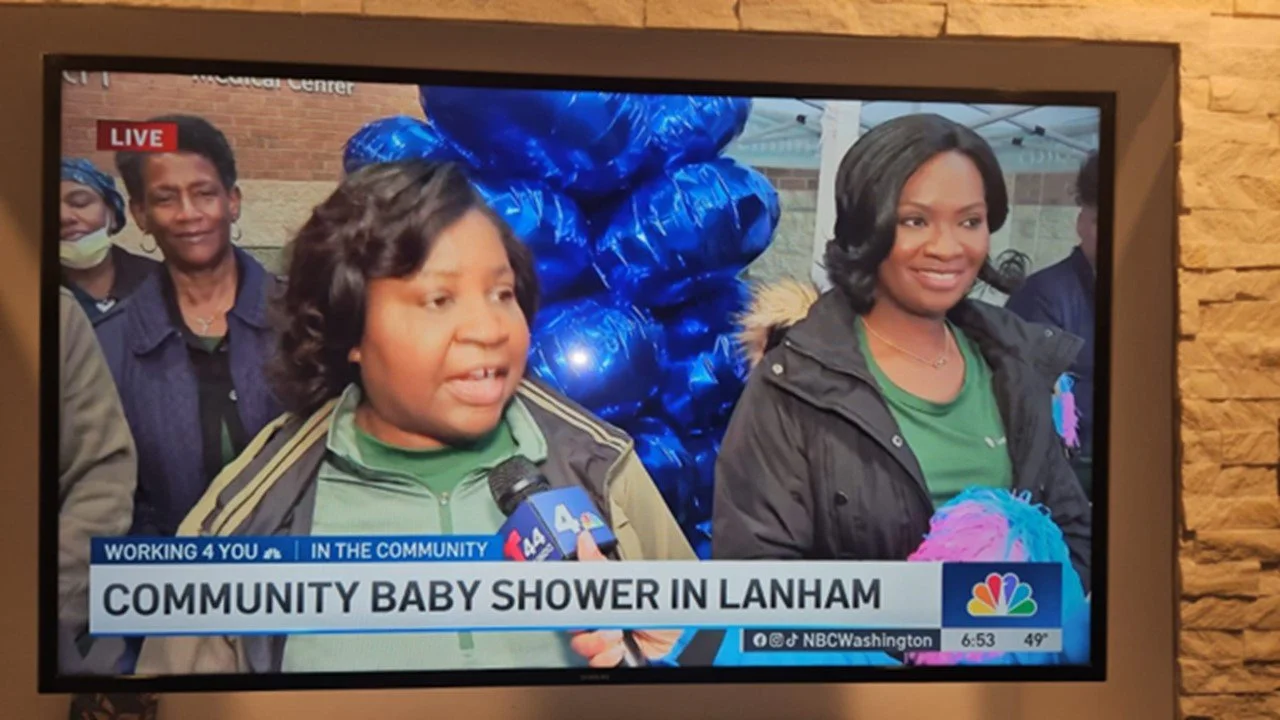
What gives us hope about the future of maternal health in Prince George’s County is the growing commitment to addressing maternal health equity through collaboration, innovation, and community-driven solutions. Luminis Health is integrating mental health, preconception education, community resources, a community baby shower, and culturally responsive care into maternal health services, as well as stronger partnerships between healthcare systems, community organizations, and residents. These shifts signal a more holistic, proactive approach that has the potential to improve outcomes and ensure every family receives the support they need to thrive.
-
Which Communities/Neighborhoods do you serve?
Mamatoto Village serves Black families across Washington, DC, with a focus on Wards 7 and 8, where maternal health disparities are higher. Our work centers on low-income, historically underserved communities, including birthing people navigating systemic barriers to quality care and resources. We prioritize culturally competent support for those most impacted by inequities in maternal health outcomes.
In 2-3 sentences, please briefly describe the mission of your organization.
Mamatoto Village is devoted to serving Black women through the creation of career pathways in maternal health; and providing accessible perinatal support services designed to equip women with the necessary tools to make the most informed decisions in their maternity care, parenting, and lives.
Why is maternal mental health a priority for your community — and for your organization?
Maternal mental health is critical because it directly impacts pregnancy outcomes, birth experiences, and long-term family well-being. In our community, trauma, stress, and systemic inequities often go unaddressed, leading to higher risks of postpartum depression and anxiety. We see mental health support as essential to delivering truly holistic, respectful, and effective care.
What do you hope to accomplish with this funding from the Developing Families Maternal Health Fund?
In the two-year granting period, Mamatoto Village hopes to achieve the following outcomes: serving at least 800 women and birthing people through clinical and non-clinical maternal health services; decreasing adverse maternal health outcomes and SDOH concerns for Black women and birthing people; and improving whole-person health for Black women and birthing people. Ultimately, our work seeks to improve maternal health outcomes for expectant women, new mothers, and families across the greater Washington region.
Can you share a moment, story, or example that captures why this work matters? Alternatively, you can also share broader data, stats, or impact numbers related to your maternal health work.
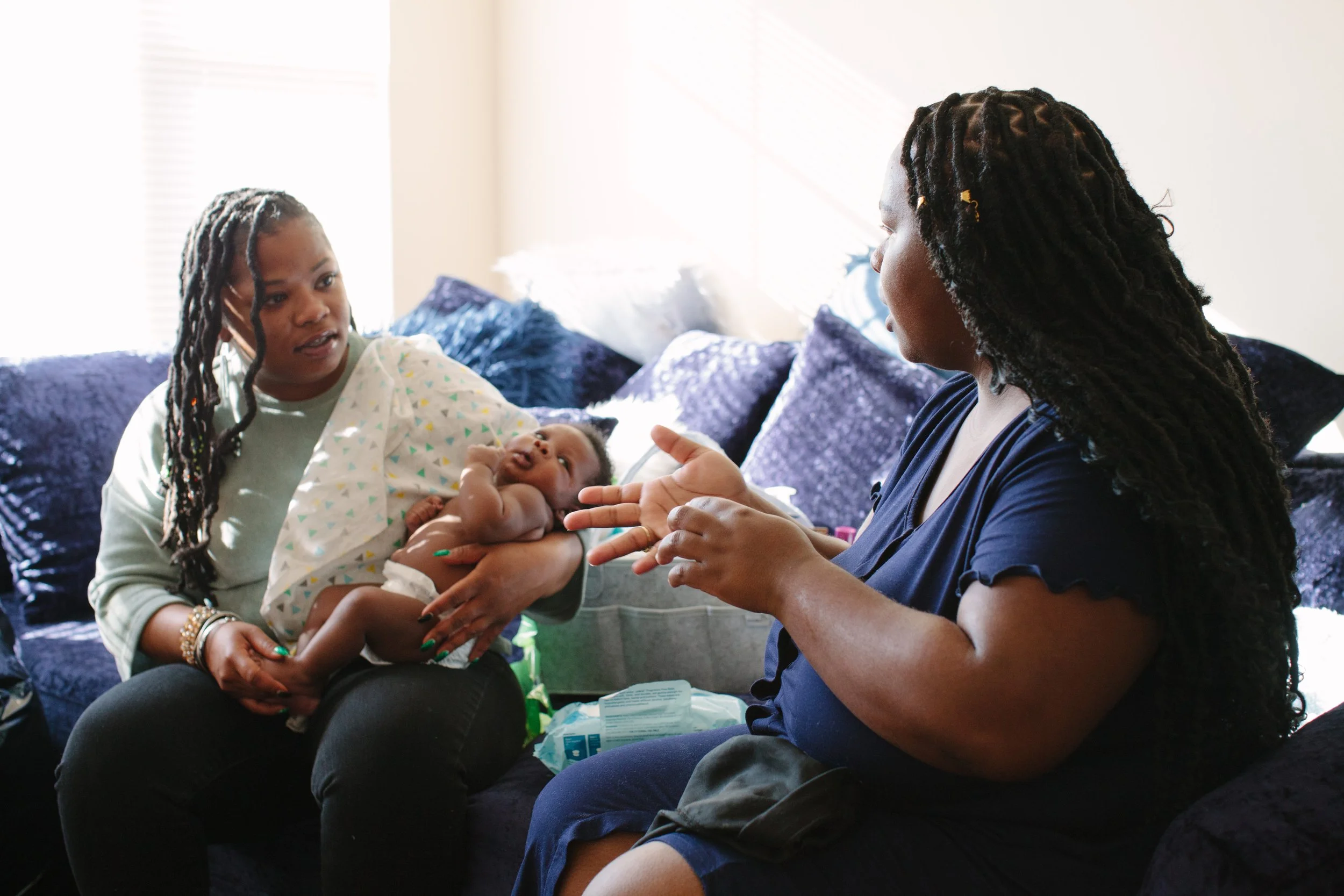
One mother came to Mamatoto Village after experiencing multiple pregnancy complications, including depression and a high-risk condition, and feeling overwhelmed and unsupported. Through coordinated care—from a perinatal health worker, lactation support, and wellness coaching—she received continuous, culturally congruent support through pregnancy, birth, and postpartum. Even after an emergency delivery and NICU stay, the Mamatoto team remained by her side, helping her recover, bond with her children, and successfully transition into motherhood. Today, she and her children are healthy and thriving—an example of how trusted, community-based care can transform outcomes.
What gives you hope about the future of maternal health in our region? Despite the challenges, what excites you? What do you see changing — in your community, in the field, or in the broader conversation around maternal health equity? (2–3 sentences)
We are encouraged by the growing recognition of Black maternal health disparities and the increased investment in community-based solutions. More providers, policymakers, and funders are centering equity and listening to community voices. This shift, combined with the expansion of culturally congruent care models, gives us real hope for lasting change.
-
Which Communities/Neighborhoods do you serve?
SheRises serves young mothers under the age of 25 across Prince George’s County and Montgomery County, Maryland, with a growing reach throughout the DMV region. Many of the mothers we serve are often overlooked and navigating pregnancy and postpartum while facing shame, isolation, depression, and limited support systems. We exist to meet them where they are and remind them they are seen, valued, and not alone.
In 2-3 sentences, please briefly describe the mission of your organization.
SheRises exists to reach, inspire, strengthen, and empower young mothers under the age of 25. We are committed to serving those who are often overlooked and unseen, walking alongside them through seasons marked by shame, isolation, and uncertainty. Through mentorship, resources, and community, we help young mothers rediscover their worth and build strong, healthy futures for themselves and their children.
Why is maternal mental health a priority for your community — and for your organization?
Maternal mental health is critical because many of the young mothers we serve are silently battling depression, anxiety, and deep feelings of isolation. Too often, their struggles are overlooked, leaving them feeling unseen and unsupported during one of the most vulnerable times in their lives. We prioritize maternal mental health because restoring a mother’s sense of worth and well-being changes the trajectory for both her and her child.
What do you hope to accomplish with this funding from the Developing Families Maternal Health Fund?
With this funding, we aim to expand our programs to reach more young mothers under 25 who are often overlooked and lacking consistent support. We will strengthen our postpartum care, mentorship, and education efforts to address mental health challenges such as isolation and depression. Our goal is to ensure every young mother we serve feels seen, supported, and equipped to thrive.
Can you share a moment, story, or example that captures why this work matters? Alternatively, you can also share broader data, stats, or impact numbers related to your maternal health work.
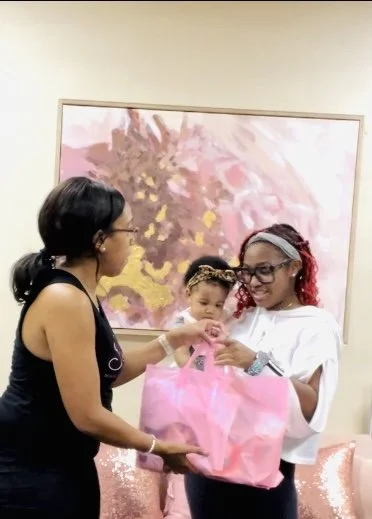
A young mother once came to us withdrawn and overwhelmed, carrying the weight of shame and feeling completely alone after giving birth. Through consistent support, mentorship, and community, she slowly began to open up and regain her confidence. She later shared that for the first time, she felt seen and valued, not judged. That moment reflects what’s possible when we meet young mothers with compassion and care.
What gives you hope about the future of maternal health in our region? Despite the challenges, what excites you? What do you see changing — in your community, in the field, or in the broader conversation around maternal health equity? (2–3 sentences)
What gives me hope is the growing recognition that young mothers, especially those under 25, deserve to be seen, heard, and supported, not overlooked. There is a shift happening toward more holistic, community-centered care that acknowledges the mental and emotional realities of motherhood. As more voices and resources align around this need, I believe we will see stronger, healthier families emerge.
-
Which Communities/Neighborhoods do you serve?
Launched in 2008, the Women’s Mental Health Program at MedStar Georgetown University Hospital is the region’s only comprehensive perinatal psychiatry program dedicated to addressing the mental health needs of pregnant and postpartum individuals. We provide evidence-based psychiatric evaluation, therapy, and group treatment for more than 250 new parents annually, serving families from DC, Maryland, and Virginia.
In 2-3 sentences, please briefly describe the mission of your organization.
At MedStar Health, we use the best of our minds and the best of our hearts to serve our patients, those who care for them, and our communities. MedStar Georgetown University Hospital is dedicated to providing physical and spiritual comfort to our patients and families in the Jesuit tradition of cura personalis, caring for the whole person.
Why is maternal mental health a priority for your community — and for your organization?
Mental health conditions are the most common complication of pregnancy, affecting 1 in 5 birthing people. We know that caring for a mother's mental health helps the whole family thrive. By treating the whole person and the whole family, we can build resilient communities for generations to come.
What do you hope to accomplish with this funding from the Developing Families Maternal Health Fund?
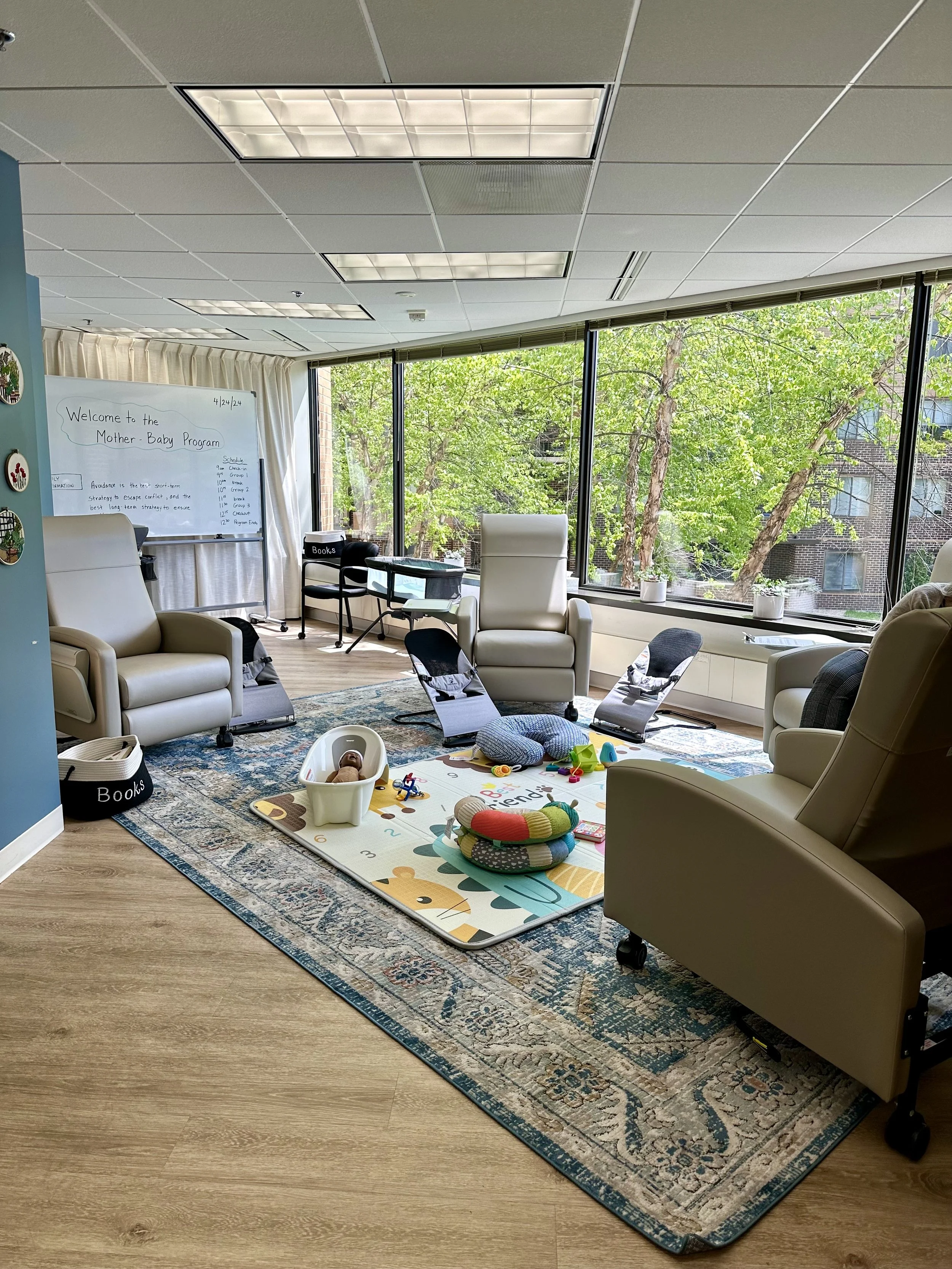
With this funding, we are working to expand equitable access to our Mother-Baby Intensive Outpatient Program for marginalized communities across the Washington, D.C., region. We know systemic challenges often stand in the way of getting help, and this grant will enable us to directly tackle key barriers like finding reliable transportation, securing childcare, and accessing healthy food—that keep families from receiving care. We work closely with our community to guide our program and keep new parents and babies together in a welcoming space where they can truly heal and thrive.
Can you share a moment, story, or example that captures why this work matters? Alternatively, you can also share broader data, stats, or impact numbers related to your maternal health work.
Recently, a mother came to our Mother-Baby Intensive Outpatient Program after experiencing a traumatic episode of postpartum psychosis. While she steadily improved and re-established her bond with her infant, she had limited social support and needed help addressing urgent family needs. Our team worked alongside her to secure developmental evaluations for her toddler and a preschool-aged child and connect them to early intervention and behavioral health services. With holistic, family-focused care coordination, we ensure that mothers have the support they need to heal.
What gives you hope about the future of maternal health in our region? Despite the challenges, what excites you? What do you see changing — in your community, in the field, or in the broader conversation around maternal health equity? (2–3 sentences)
Health care is steadily moving away from treating moms individually and instead focusing on the wellbeing of the whole family. While our model is still innovative, more and more similar programs are launching across the country. When we listen to our patients and partner with our community, we can build a bright future where every family gets the care they need.
-
Which Communities/Neighborhoods do you serve?
Whitman-Walker Health serves the greater Washington, DC region and beyond. Our care model is rooted in our legacy of service to the LGBTQ communities, people living with HIV, Black and Latino communities and other people facing barriers to accessing health care. At Whitman-Walker Health, our motto “We See You” reflects that we see patients, but we see the person first.
In 2-3 sentences, please briefly describe the mission of your organization.
Whitman-Walker Health offers affirming, community-based health and wellness services to all, with a special expertise in LGBTQ and HIV care. We empower all persons to live healthy, love openly, and achieve equality and inclusion.
Why is maternal mental health a priority for your community — and for your organization?
Whitman-Walker Health views maternal mental health as an essential part of our mission to see and care for the whole person. The new and expectant mothers Whitman-Walker serves through our Pregnancy Navigation program are often the backbone of their families and communities, and prioritizing their mental health is critical, not only for the health and wellness of their children and families, but because they deserve care that sees them as a whole person and fully addresses their needs. Mental health care can carry stigma for many of the clients and communities we serve, and we strive to normalize mental health care and offer resources to address perinatal mental health concerns so moms, their babies, and families can thrive.
What do you hope to accomplish with this funding from the Developing Families Maternal Health Fund?
Funding from the Developing Families Maternal Health Fund will help sustain and grow Whitman-Walker's Pregnancy Navigation program, providing community-based services to people who are pregnant and living with HIV to help them have a healthy pregnancy and prevent perinatal HIV transmission. We hope to see a world in which mothers have all the support they need to take care of themselves and their families throughout pregnancy and after. Whitman-Walker's Pregnancy Navigation program is proof that it is possible to prevent babies from acquiring HIV, while also helping their moms and families thrive. Funding from the Developing Families Maternal Health Fund will make that possibility a reality for more moms and babies in DC.
Can you share a moment, story, or example that captures why this work matters? Alternatively, you can also share broader data, stats, or impact numbers related to your maternal health work.
Many clients of Whitman-Walker's Pregnancy Navigation program come to the program at a critical time in their lives, often preparing to become a mom for the first time, navigating a new health diagnosis for themselves, and facing challenges and obstacles in other areas of life. We have seen firsthand how taking the time to literally walk with them through their journey can help improve health outcomes, achieve stability in housing and other basic needs for their families, and improve their mental health and wellness as they navigate a time of change and transition. In the eleven years Whitman-Walker has offered Pregnancy Navigation services, every baby born to a mom in our program has been born HIV-negative, which creates a lifelong impact for the entire family.
What gives you hope about the future of maternal health in our region? Despite the challenges, what excites you? What do you see changing — in your community, in the field, or in the broader conversation around maternal health equity? (2–3 sentences)
We are excited about the increase in conversations about maternal health and addressing the disparities we see in maternal health outcomes across the DC region. Our history of being rooted in community gives us a unique view of the challenges but also the opportunities for change, including ways we can collaborate with our partners and communities. We see the potential to accomplish so much in collaboration with our partners and patients, and we are excited about the future we can build together.
-
Which Communities/Neighborhoods do you serve?
Since 1980, Community of Hope (COH) has provided healthcare, housing, and supportive services to individuals and families in under-resourced communities in DC, primarily serving residents in Wards 1, 5, 7, and 8. Our work impacts over 20,000 individuals each year across all our health, housing, and resource connection programs.
As a Federally Qualified Health Center (FQHC), we provide high-quality care to patients of all ages regardless of their ability to pay at three health centers in Wards 1, 5, and 8. COH focuses on providing patient-centered, trauma-informed, and culturally responsive care. Within the patient population of our health centers, approximately 93% of patients who report this information live at or below 200% FPL (77% live at or below 100% FPL), 96% are people of color (81% are Black), and 87% have public insurance or are uninsured.
Regarding our housing programs, we serve clients from all wards through our prevention and rapid re-housing programs. We operate three short-term family housing sites in Wards 1, 6, and 8, and also provide permanent supportive housing in scattered site and unit-based housing throughout the city.
We also operate three community resource programs that provide resource navigation, food resources, and care coordination for pregnant people experiencing homelessness.In 2-3 sentences, please briefly describe the mission of your organization.
COH’s mission is to improve health, end homelessness, and partner with communities to make Washington, DC more equitable.
Why is maternal mental health a priority for your community — and for your organization?
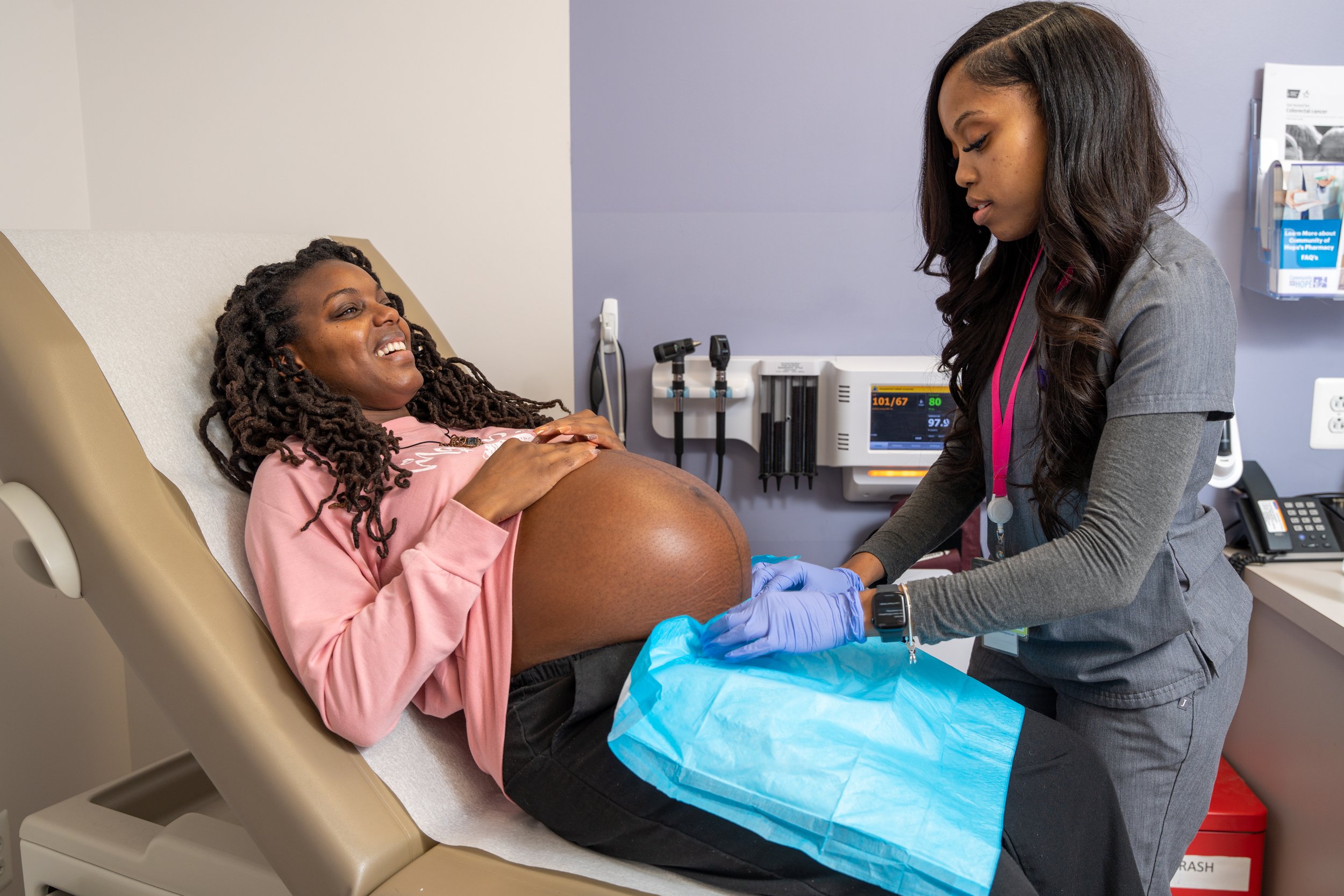
Washington, DC has one of the highest maternal mortality rates in the developed world, with Black women comprising 90% of the pregnancy-related deaths in DC. The leading causes of maternal mortality are mental health conditions, including suicide and overdose. The perinatal patients we serve often are also coping with generational trauma and other complex, interrelated stressors such as housing instability and food insecurity. COH’s maternal and child health (MCH) program integrates emotional wellness services as a core component of our model. We regularly screen perinatal patients for depression and have a maternal mental health therapist and psychiatrist on staff to ensure that patients’ mental health care needs are met. Our focus on Black perinatal mental health supports the mother-child dyad in early childhood and promotes overall patient well-being.
What do you hope to accomplish with this funding from the Developing Families Maternal Health Fund?
The overall goal of COH’s MCH care model is to improve maternal and infant/child health outcomes for DC residents living in under-resourced communities. Our key objectives related to this goal are to provide our perinatal patients and their infants with comprehensive support: offer clinical care during and after birth; address social drivers of health through care coordination and navigation; build social connectivity through group care; offer mental health services through specialized therapists; promote nutrition through breastfeeding support and healthy food provided through WIC; offer home-based prenatal and postpartum care; and engage in advocacy efforts to improve maternal and child health. We envision continuing and growing our MCH program to help our perinatal patients have positive experiences during their pregnancies and deliver healthy babies.
Can you share a moment, story, or example that captures why this work matters? Alternatively, you can also share broader data, stats, or impact numbers related to your maternal health work.
The impact of COH’s MCH program is best illustrated by how we integrate care for high-risk groups. One patient, a mother with co-occurring substance use disorder and depression, had avoided treatment because she was concerned that Child Protective Services would intervene. Because COH’s emotional wellness clinician was embedded in the family birthing team she already trusted, she accepted a warm handoff. She was treated and engaged in a specialized higher level-of-care, and the family remained together. Without our integrated model, this patient likely would not have received support until a crisis occurred.
What gives you hope about the future of maternal health in our region? Despite the challenges, what excites you? What do you see changing — in your community, in the field, or in the broader conversation around maternal health equity? (2–3 sentences)
Two reasons come to mind. One is that with a variety of generous donors, we have built an innovative system of care around babies and their parents. Second, we are hopeful about a promising longer-term approach related to maternal health care, the federal Transforming Maternal Health (TMaH) model. TMaH is a 10-year initiative that focuses on helping state Medicaid agencies develop a financially sustainable model for a comprehensive set of maternal healthcare services. In January 2025, DC’s Department of Health Care Finance (DHCF) was selected to participate, and COH is currently working closely with DHCF on the development of their TMaH model. We hope DC’s TMaH model will include meaningful payment for our care coordination services, which have helped to reduce inequities.
-
Which Communities/Neighborhoods do you serve?
NCCF serves more than 50,000 children, youth, and their families through 22 programs in MD, DC, and VA. One of those programs, our Black Physicians & Healthcare Network (BPHN) provides holistic physical, and mental health support services to Black men, women, and children in Montgomery County, MD.
In 2-3 sentences, please briefly describe the mission of your organization.
It is the mission of the National Center for Children and Families to create total, healthy living environments for vulnerable children, youth and families, and a quality of life which empowers their ability to thrive and demonstrate responsibility.
Why is maternal mental health a priority for your community — and for your organization?
NCCF's vision for BPHN from the very beginning was to integrate physical and mental health for Black families. The program was created in such a way that clients to have equal access to physical and mental health services no matter how or why they first choose to encounter the program. The Black Motherhood project is designed to address the shameful Black maternal health outcome rates in this country by leveraging BPHN's ability to simultaneously address both physical and mental health. At BPHN we know that preserving the well-being of Black mothers is the best way to support their children. Untreated mental health issues for people who are carrying and caring for children are a matter of life and death.
What do you hope to accomplish with this funding from the Developing Families Maternal Health Fund?
BPHN's Black Motherhood Project is a culturally rooted initiative designed to support Black mothers and families during pregnancy, postpartum, and early motherhood. The project addresses disparities in maternal health outcomes by providing holistic support, education, and connection to trusted healthcare resources via the following:
Doula Support Services
Maternal Health Education and Workshops
Peer Support Groups for Mothers
Navigation to Medical, Mental Health, and Community Resources
Transportation and access support for healthcare visits
Can you share a moment, story, or example that captures why this work matters? Alternatively, you can also share broader data, stats, or impact numbers related to your maternal health work.
A world without BPHN looks like a Black mother of three who sought prenatal care at an overcrowded clinic and never saw the same doctor twice. She wasn't offered access to culturally appropriate prenatal mental health care and thus never sought or received treatment for her post-partum depression. After the birth she is not taking care of herself and has no energy to parent her children. Her oldest daughter has been parentified and is now taking care of themself and the baby and the middle child is becoming a behavioral problem at school and suffering from being bullied by her peers.
A world with BPHN is completely different. From the moment she contacts BPHN, our pregnant mother is offered both physical and mental health support services, and enrolled in our Black Motherhood project. She meets with care-givers regularly, knows the signs of post-partum depression and has access to a Black mental health provider well before any depression sets in. She can reach out to a trusted doula, her cohort of pregnant and post-partum peers, and the BPHN team at any time after she gives birth and in the ensuing years to help support the health and well being of her entire family.
What gives you hope about the future of maternal health in our region? Despite the challenges, what excites you? What do you see changing — in your community, in the field, or in the broader conversation around maternal health equity? (2–3 sentences)
Each year our BPHN program grows and strengthens its ties in the community. We started in the middle of the worst pandemic of our lifetimes with the idea that "Black people deserve to be well!" and we now reach over 100,000 people per year. With consistent, trustworthy, and culturally responsive programming we've built a movement. Every day more and more of our clients are internalizing the idea that they, their families, and loved ones can be healthy; and we are so proud to be a part of that culture shift. It excites us to launch the Black Motherhood Project so that women and mothers can overcome their trauma and neglect to take charge of their own health and wellbeing. We are also heartened to see increased interest from practitioners, funders, nonprofits, and corporate partners as they find their own roles and provide fresh new ideas to address Black health outcomes.
-
Which Communities/Neighborhoods do you serve?
Voices for Virginia’s Children serves children and families across the entire Commonwealth of Virginia. Our work is statewide in scope, with a particular focus on children and families experiencing economic insecurity, as well as those facing systemic barriers to health, education, and well-being. We prioritize advancing equitable outcomes for historically underserved communities to ensure all children in Virginia have the opportunity to thrive
In 2-3 sentences, please briefly describe the mission of your organization.
Voices for Virginia’s Children champions public policies and legislation that achieve positive and equitable outcomes for young people. We envisions a Virginia in which our systems center young people, ensuring their ability to realize their brightest potential is no longer predictable by race, socioeconomic status, or geography.
Why is maternal mental health a priority for your community — and for your organization?
Maternal mental health is critical to the well-being of both parents and children, shaping outcomes during pregnancy, early childhood, and beyond. In Virginia, many families—especially those facing economic insecurity—encounter barriers to accessing timely, culturally responsive mental health care. Voices for Virginia’s Children prioritizes maternal mental health because supporting caregivers’ well-being is essential to ensuring that all children can grow up healthy, supported, and ready to thrive.
What do you hope to accomplish with this funding from the Developing Families Maternal Health Fund?
With this funding, we aim to strengthen policies and systems that expand access to equitable, high-quality maternal mental health care across Virginia. We seek to reduce barriers to screening, diagnosis, and treatment—particularly for families facing economic insecurity—and to elevate community-informed solutions that support mothers and caregivers throughout pregnancy and postpartum. Ultimately, we hope to improve health outcomes for mothers and babies and ensure families have the support they need to thrive.
Can you share a moment, story, or example that captures why this work matters? Alternatively, you can also share broader data, stats, or impact numbers related to your maternal health work.
In our advocacy for paid family and medical leave, we heard from families across Virginia about the impossible choices they faced after the birth or adoption of a child. At a recent press conference, a mother of a four-month-old—who also works as an early childhood educator and is pictured below—shared how she was forced to prioritize a paycheck over bonding with her baby and caring for her own physical and mental health. Her story, like so many others, underscores what’s at stake—and what’s possible—when policies ensure families have the time and support they need to heal, connect, and thrive.
What gives you hope about the future of maternal health in our region? Despite the challenges, what excites you? What do you see changing — in your community, in the field, or in the broader conversation around maternal health equity? (2–3 sentences)
What gives us hope is the growing recognition that maternal health—including mental health—is foundational to strong families and thriving communities. Across Virginia, we are seeing increased collaboration among advocates, providers, and policymakers, along with a deeper commitment to equity and listening to the voices of families most impacted. This momentum creates real opportunity to build systems that better support mothers, babies, and caregivers now and for generations to come.