
Fall marks the start of back-to-school season for our Brilliant Futures scholars — new backpacks, runs to the school bus, first-day photos, and diving into a year of learning, growth, and social development.
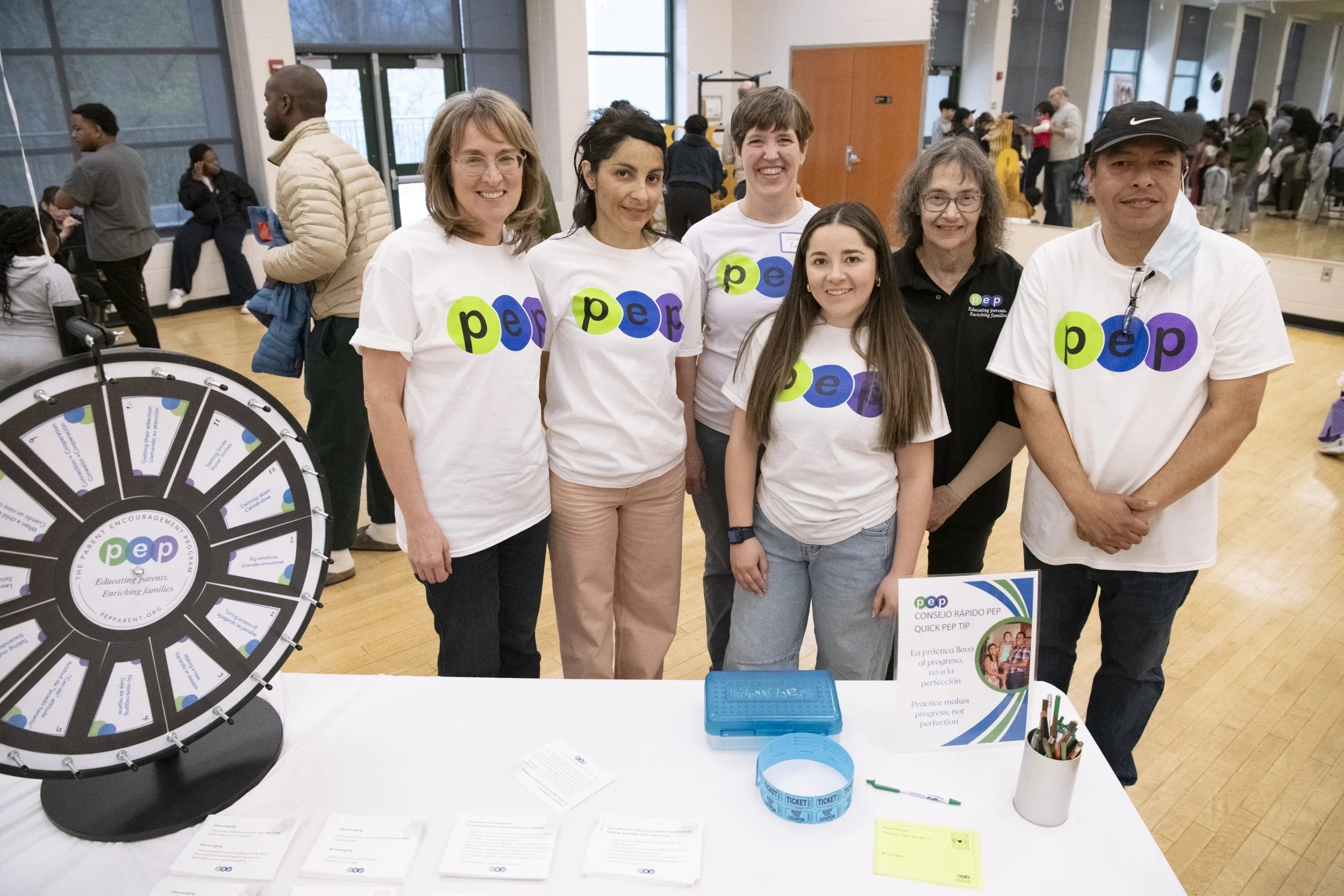
“That first week sets the tone and expectations for success for the rest of the school year,” shares Kathy Hedge, Executive Director of the Parent Encouragement Program (PEP).
However, for Kathy and her colleagues at PEP, the secret to a child’s success starts well before a child ever steps into the classroom. It starts with supporting the child’s caregivers.
Supporting the Foundations of a Brilliant Future
In 2024, The Community Foundation announced the launch of Brilliant Futures – a children’s savings pilot program that will provide four classes of students with up to $1,000 per year, each year until they graduate.
The program, which was launched in partnership with Montgomery County Public Schools and Prince George’s County Public Schools, is designed to help up to 350 students at Jackson Road Elementary and Bradbury Heights Elementary unlock their full potential by providing them with economic capital that they can use to pursue their academic, professional, or economic goals.
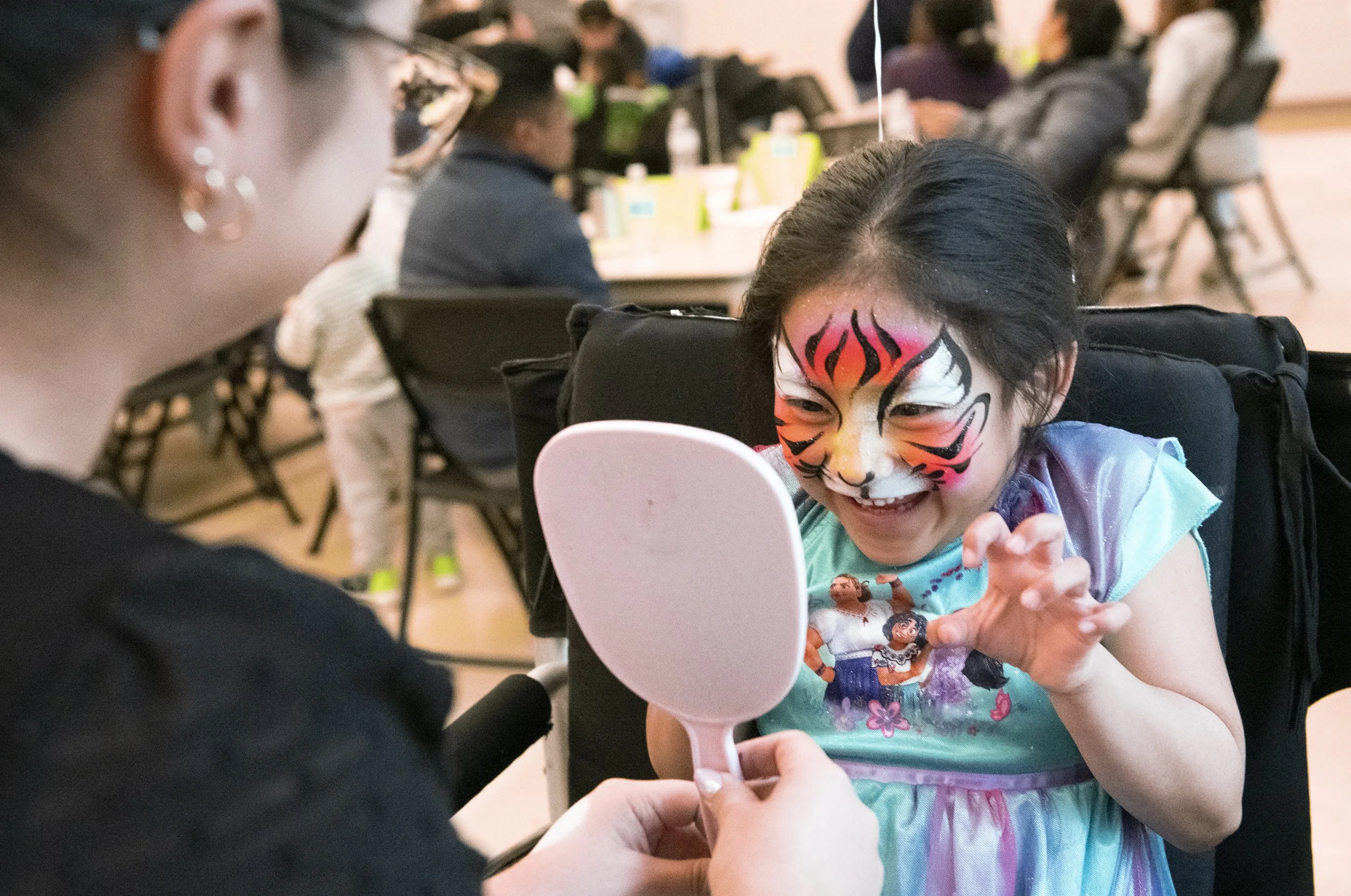
Now two years into the thirteen-year program, our scholars - like most 1st or 2nd graders their age - still have a long way to go to reach those goals. So while our scholars focus on learning to read, write, make friends, and have fun – the Brilliant Futures program has turned its attention to supporting another critical component – the community around them.
“What’s special about Brilliant Futures, is it’s not just a financial savings program,” Mandi Koba, Program Officer for Economic Mobility at The Community Foundation shares. “It’s a community building program.”
“It’s not enough to give kids money – we have to invest in and build a sense of community around them, as well.”
Which is where PEP comes in. Founded in 1982, the Parent Encouragement Program has been providing support and guidance to parents and caregivers across Maryland and the greater DC region for over 40 years.
“We believe that in order for children to reach their full potential, parents need to be empowered and supported so they can feel confident as they navigate parenthood – and help their child navigate the road to their Brilliant Future,” Kathy explains.
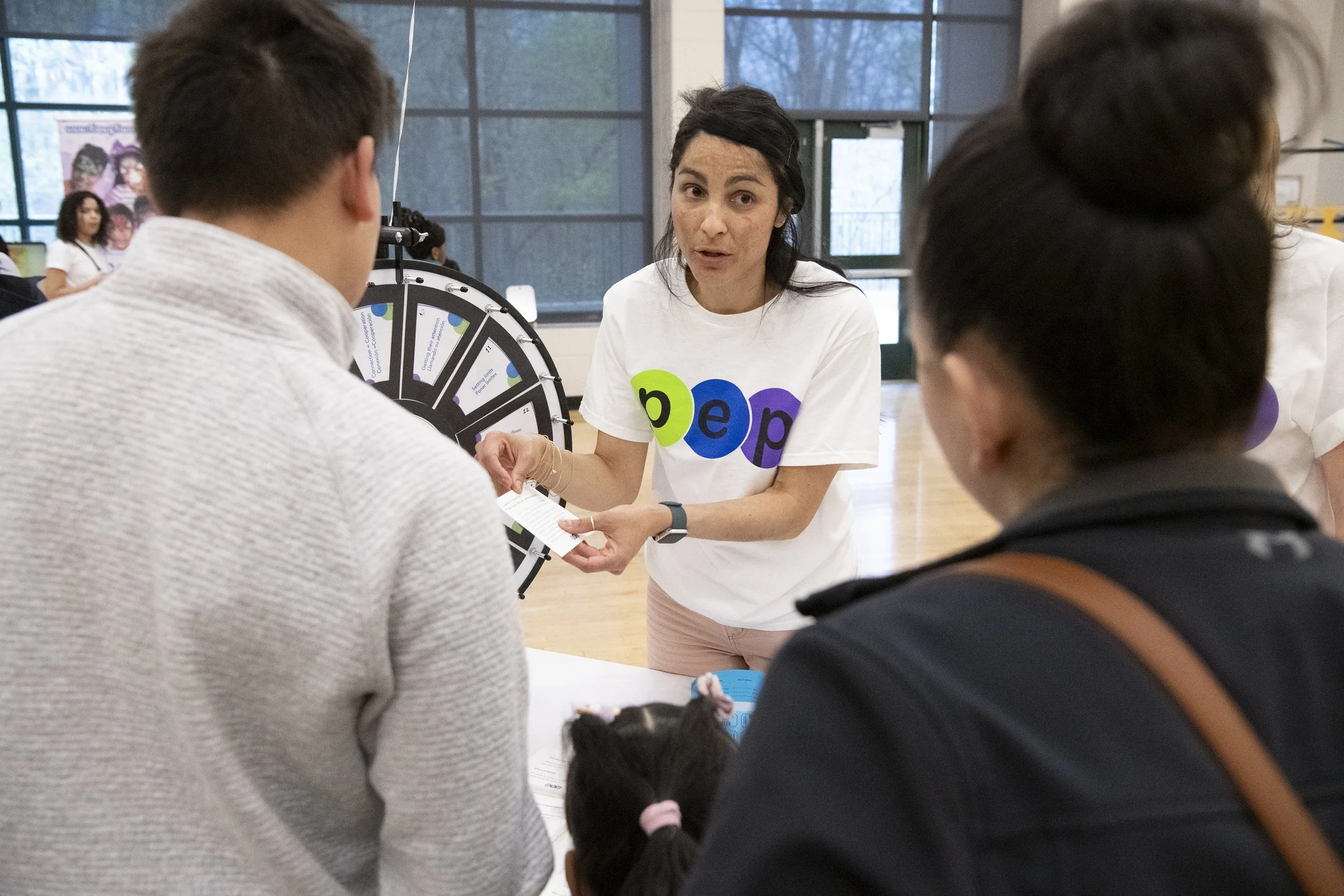
The organization offers support-group style programs, workshops, and family connection nights that give parents practical tools to strengthen their relationship with their children and navigate challenging moments.
“Parenting is the toughest job on the planet,” adds Colleen Reed, a Program Director at PEP. “PEP is designed to help parents find strengths in themselves and in their children that can help them overcome the day-to-day challenges they face.”
For the parents and caregivers at Jackson Road and Bradbury Heights, those challenges are compounded by socio-economic barriers. At Jackson Road Elementary, more than 60% of students qualify for the Federal Free and Reduced Meals (FARMS) program. At Bradbury Heights, that percentage is closer to 90%.
At both schools, 90% of students come from Black or Hispanic backgrounds – including a large percentage of immigrant and second-generation American households. Many caregivers are working multiple jobs, navigating cultural adjustment, and living with the kind of stress that leaves little energy left over for anything beyond the day in front of them.
“Parenting can already be very stressful, in it of itself,” Colleen adds. “When you add in that extra stress from economic constraints, it can really have an impact on the amount of energy you can give to your child.”
Building Trust, One Relationship at a Time
That's why PEP's work with Brilliant Futures families hasn't started with a curriculum — it's started with showing up.
“We knew going in that trust doesn't happen overnight,” Colleen says. “The simple act of showing up and getting to know families — that takes time. A lot of the families we work with are navigating high levels of poverty, and with that often comes a reasonable wariness of institutions. Trust has to be earned.”
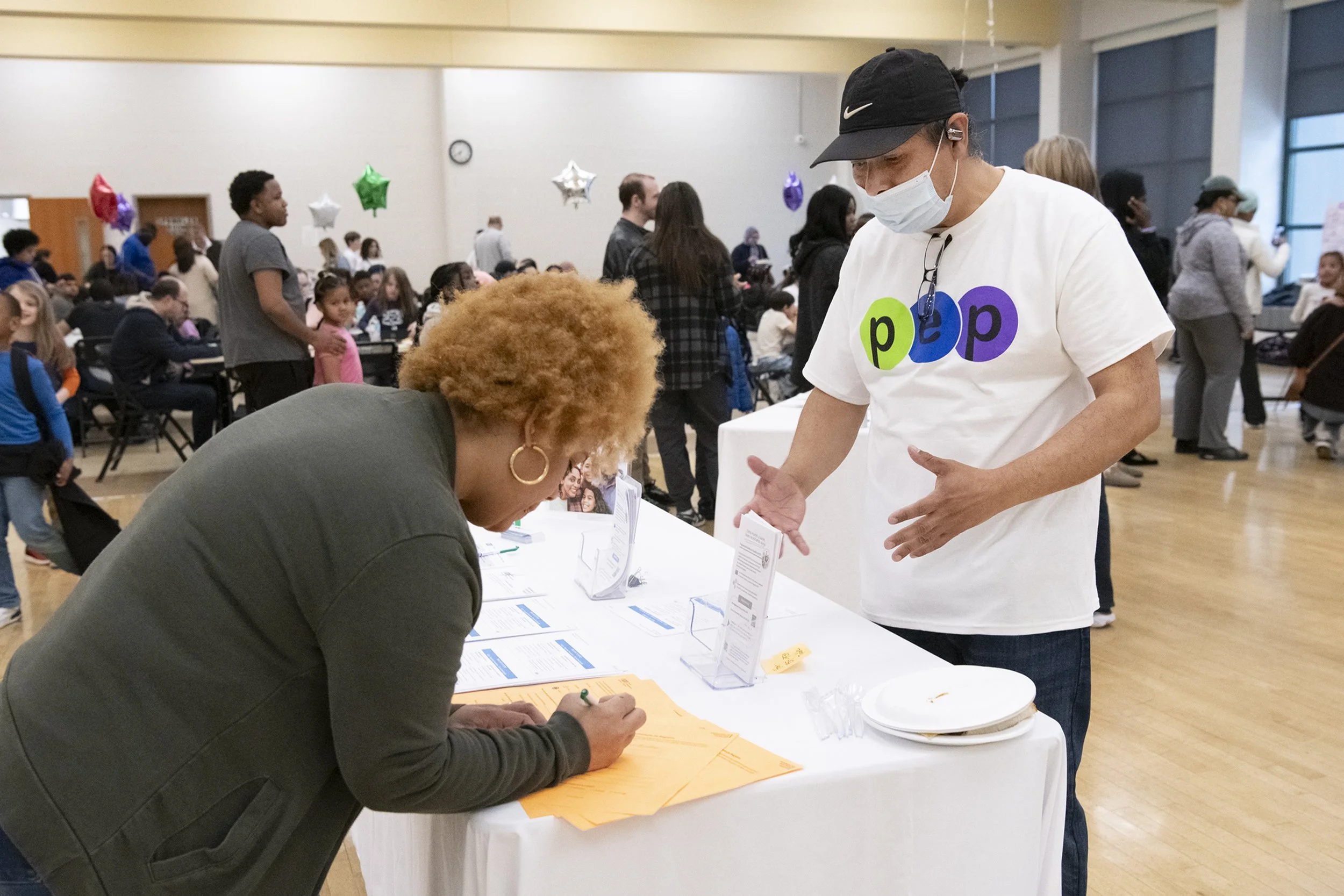
At Jackson Road, that's meant two years of regular, one-on-one outreach — staff getting to know families by name and by face, checking in when a parent or caregiver loses a job, and becoming, in Kathy's words, “a safe person to call” even when PEP isn't part of the school staff. It's also meant family fun nights and connections meetings built around the everyday realities families are navigating, from getting kids out the door on a rainy morning without a car to finding a few minutes of calm at the end of a long day.
The payoff of that approach has already shown up in small but telling moments at Jackson Road. At one of the first Brilliant Futures family meetings there, three caregivers discovered, almost by accident, that they were all dealing with the same issue: their kids weren't eating the lunches they'd packed. It wasn't a big revelation — but for those three caregivers, it was proof they weren't facing the challenge alone.
“That's what we hear over and over,” Kathy says. “‘I thought I was the only one.’ Isolation is one of the biggest barriers we see. Just getting parents in the same room to talk to each other is often the first step toward breaking through it.”
Empowering the Village
For Kathy and Colleen, that growing sense of connection is a huge milestone towards the future success of the Brilliant Futures program.
“Now that we’ve gained parents trust, we’re starting to see more engagement with the financial aspects of the program,” Colleen shares. “More parents are advocating for and participating in things like financial coaching. They’re becoming empowered to not just receive things from the program but play an active role in shaping what it looks like for their families and their community.”
That shift matters to PEP as much as anything else the program offers. One example of this is that parents or caregivers who found support at a connections meeting are often the ones offering it to a new family down the line — proof, Colleen says, that families aren't just being served by Brilliant Futures, they're becoming the ones other families can count on.
The hope is that this ‘village mentality’ can continue to grow stronger alongside the Brilliant Futures scholars – creating an environment that benefits not only the individual students, but their families and broader community, as well.
“It takes a village to raise a child,” Colleen concludes. “That’s what we’re doing with this program – empowering that village, so they can achieve the Brilliant Futures they deserve.”
For more information about Brilliant Futures, visit www.thecommunityfoundation.org/brilliantfutures