Hispanic Heritage Month (September 15 – October 15) is a chance to recognize the organizations and donors across DC, Montgomery County, Prince George's County, and Northern Virginia doing the daily work of serving immigrant communities — work that often goes unseen outside the communities it touches.
This installment of Voices of the Region turns the lens toward the people and organizations closest to that work: nonprofit partners showing up for immigrant families every day, and donors whose giving reflects a personal commitment to immigrant communities.
-
What's the name of your organization, and what communities do you serve?
We are the Latino Economic Development Center (LEDC), a community-based nonprofit and CDFI founded in Washington, D.C.’s Columbia Heights neighborhood in 1991. From our headquarters just blocks from where our story began, we serve Latino and immigrant entrepreneurs and families across the greater Washington and Baltimore regions—helping them start and grow businesses, access capital, build financial stability, and thrive in the communities they call home. Although deeply rooted in the Latino community, LEDC’s programs are open to all.
What does Hispanic Heritage Month mean to the work you do every day?
Hispanic Heritage Month is a reminder of how vibrant, determined, and important the Hispanic community is, not just to the DMV, but nationwide. For us, it's not simply about celebration; it's about making sure that the celebration is rooted in care and dignity, the same way we try to show up for our community every day of the year.
What's a moment from this year that reminded you why this work matters to you?
One moment that stayed with me this year was seeing a young couple who participated in LEDC’s Homebuyers Club become first-time homeowners. They had the determination to build a more secure future, but the path required them to navigate unfamiliar systems and understand how to access public programs created for first-time buyers. LEDC helped them prepare financially, identify the resources available to them, and move through each step with trusted guidance.
Watching them achieve their dream reminded me that resources alone do not create opportunity. Families also need patient support, trusted relationships, and an organization that can connect the dots. Their story demonstrates the power of partnership: when public investment is paired with community-based expertise and personalized guidance, it can become a set of keys, long-term stability, and an asset a family can build upon. That is LEDC’s role—to ensure opportunities do not remain on paper, but translate into real doors opening for the people they were intended to serve.
Finish this sentence: “When I think about what this community is capable of, I think about…” OR What do you hope for the families and communities you serve or support — this year, and beyond?
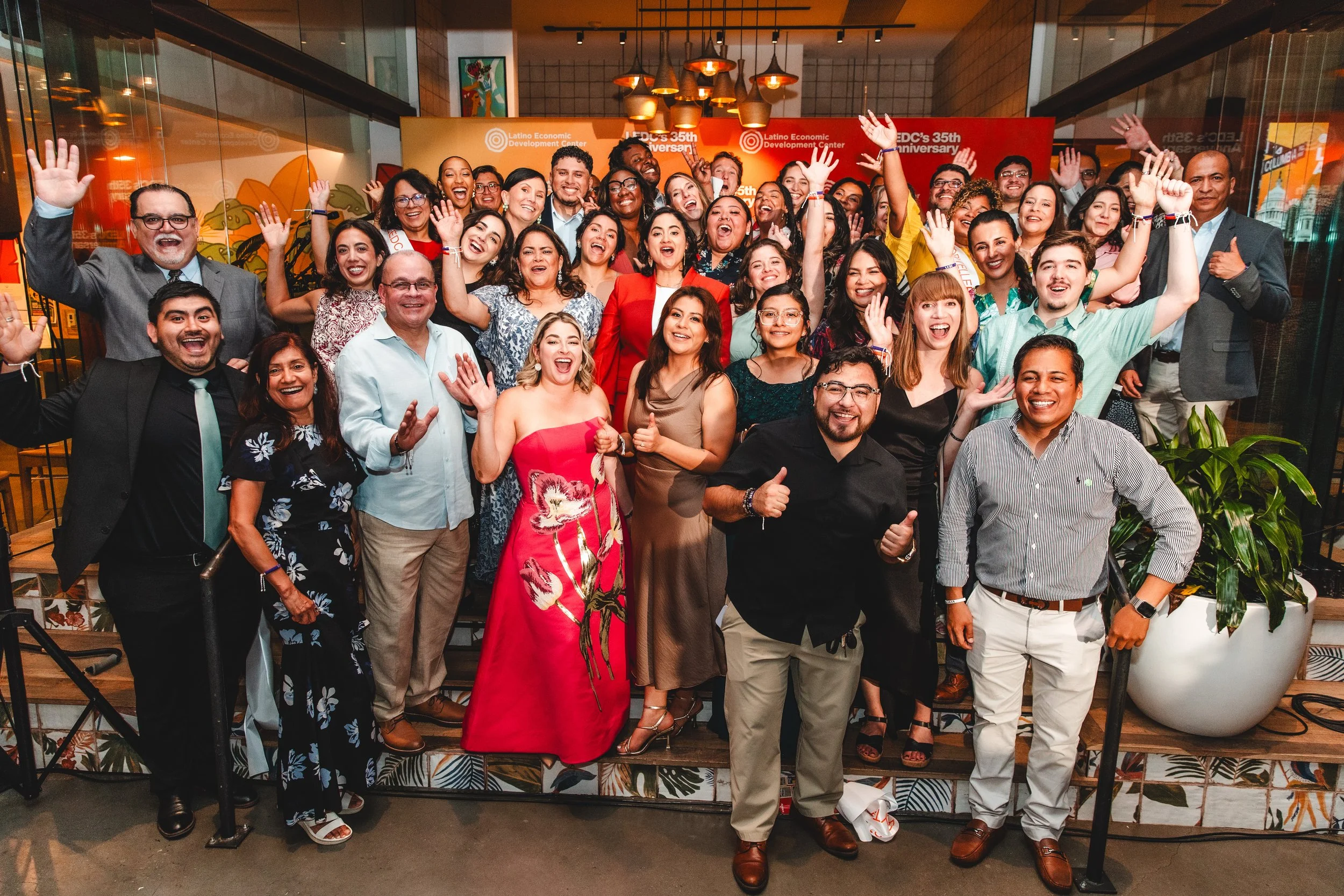
When I think about what this community is capable of, I think about what I saw at LEDC’s 35th Anniversary Celebration event this summer. In the room was Nathaniel Ru, co-founder of Sweetgreen—a company LEDC supported its first expansion loan when it was still an emerging local business—alongside entrepreneurs who are just beginning their own journeys today.
Before Sweetgreen became a nationally recognized company, it was a promising idea whose founders needed capital and someone willing to see what was possible. That early loan helped the business take an important next step and contributed to the trajectory that followed. It is powerful to imagine that one of the new entrepreneurs in that room could be building the next Sweetgreen, creating jobs, wealth, and opportunities for generations to come.
Talent and ambition are already present in our communities. What is not equally available is early capital, trusted guidance, and access to networks that can open doors. For 35 years, LEDC has helped close that gap—and our next chapter is about ensuring that the potential we see today is given every opportunity to become tomorrow’s success story.
-
What's the name of your organization, and what communities do you serve?
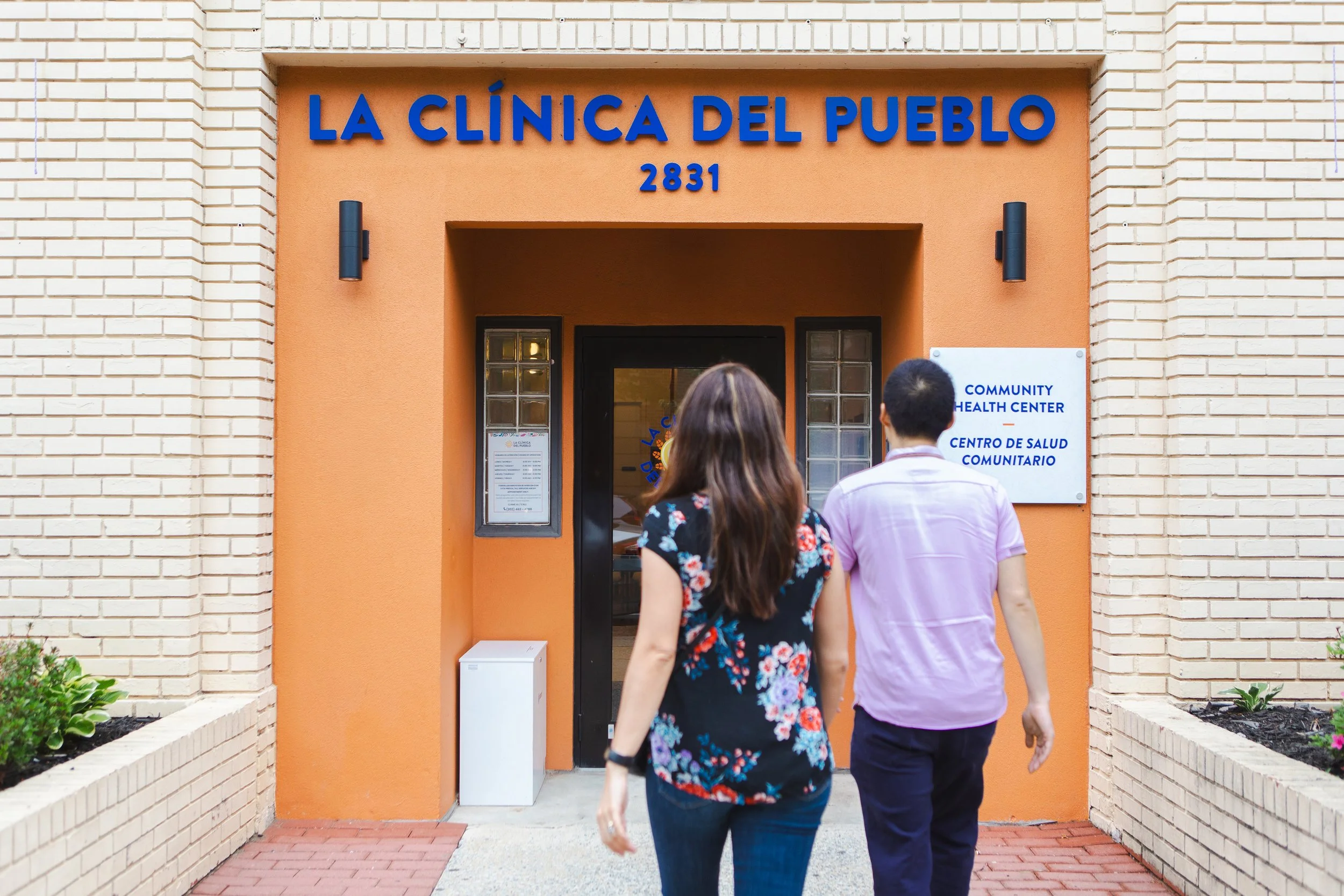
La Clínica del Pueblo provides high-quality, culturally and linguistically appropriate health services to people across the Greater Washington, DC region. We were founded by community advocates working closely with Latino and immigrant families who lacked access to safe, affordable, and culturally grounded care. From the beginning, that relationship with the community shaped not only whom we served, but how we understood health and what our role needed to be. Over more than four decades, La Clínica has continued to grow alongside the communities we serve, expanding beyond clinical care to respond to the broader barriers that affect people’s ability to be healthy. Those roots continue to guide our mission today.
What does Hispanic Heritage Month mean to the work you do every day?
Hispanic and Latino are useful terms, but they can also obscure the tremendous diversity within our communities. They can sometimes suggest a single, uniform community when, in reality, our Hispanic and Latino communities encompass many nationalities, cultures, migration experiences, socioeconomic circumstances, and perspectives.
For me, Hispanic Heritage Month is therefore not only an opportunity to celebrate the diverse cultures, histories, and contributions of our communities, but also a moment to reflect on the material gains our communities have fought for—and the inequities that remain to be addressed. Representation matters, particularly in institutions and systems where Latino communities have historically been excluded or underserved. But representation is most meaningful when it translates into tangible improvements in people’s lives: access to health care, economic security, culturally and linguistically appropriate services, and a meaningful voice in the decisions that affect their communities.
That is the perspective I bring to the work I do every day at La Clínica del Pueblo. Our work begins with the actual needs and experiences of the communities we serve and with identifying the structural barriers that prevent people from accessing the resources and opportunities necessary to be healthy. It also means listening to communities as they define those needs for themselves and carrying that knowledge into the partnerships, institutions, and decision-making spaces where change can happen.
What's a moment from this year that reminded you why this work matters to you?
One of the most meaningful moments for me this year has been seeing the progress made in protecting the DC Health Care Alliance. At a time when we are witnessing growing pressure on the public health safety net and increasing challenges for working families to access care, the Alliance experience has been an important reminder that these outcomes are not inevitable.
The protections taking effect October 1 demonstrate what can happen when community organizations, advocates, healthcare providers, and residents come together around a shared need: ensuring that people can access health care. What has been particularly meaningful to me is that this progress was collective. It required organizations bringing different perspectives and strengths to the table, communities making clear what was at stake, and sustained advocacy to translate those concerns into action.
For La Clínica, this is not an abstract policy issue. We see the consequences when people lose coverage, delay care, or have nowhere else to turn. Seeing those experiences carried from the communities we serve into collective action—and seeing that action make a tangible difference—is a powerful reminder of why this work matters to me.
Finish this sentence: “When I think about what this community is capable of, I think about…”
When I think about what this community is capable of, I think about the legacy of La Clínica del Pueblo and what it represents in the history of Salvadoran, Central American, and other Latin American communities that call the DMV home. More than representation or visibility, the fact that this organization has provided culturally and linguistically responsive, high-quality health care for more than 40 years is a testament to the resilience, work, and collective commitment of the communities that built and sustained it.
To me, La Clínica demonstrates the ability of communities to build institutions that respond to real material needs. La Clínica is not simply an organization that serves the community; it is an institution that emerged from the community itself and has continued to evolve alongside it. Its history demonstrates what is possible when people organize around a shared purpose, build partnerships, and transform solidarity into something tangible and lasting that improves people’s lives.
-
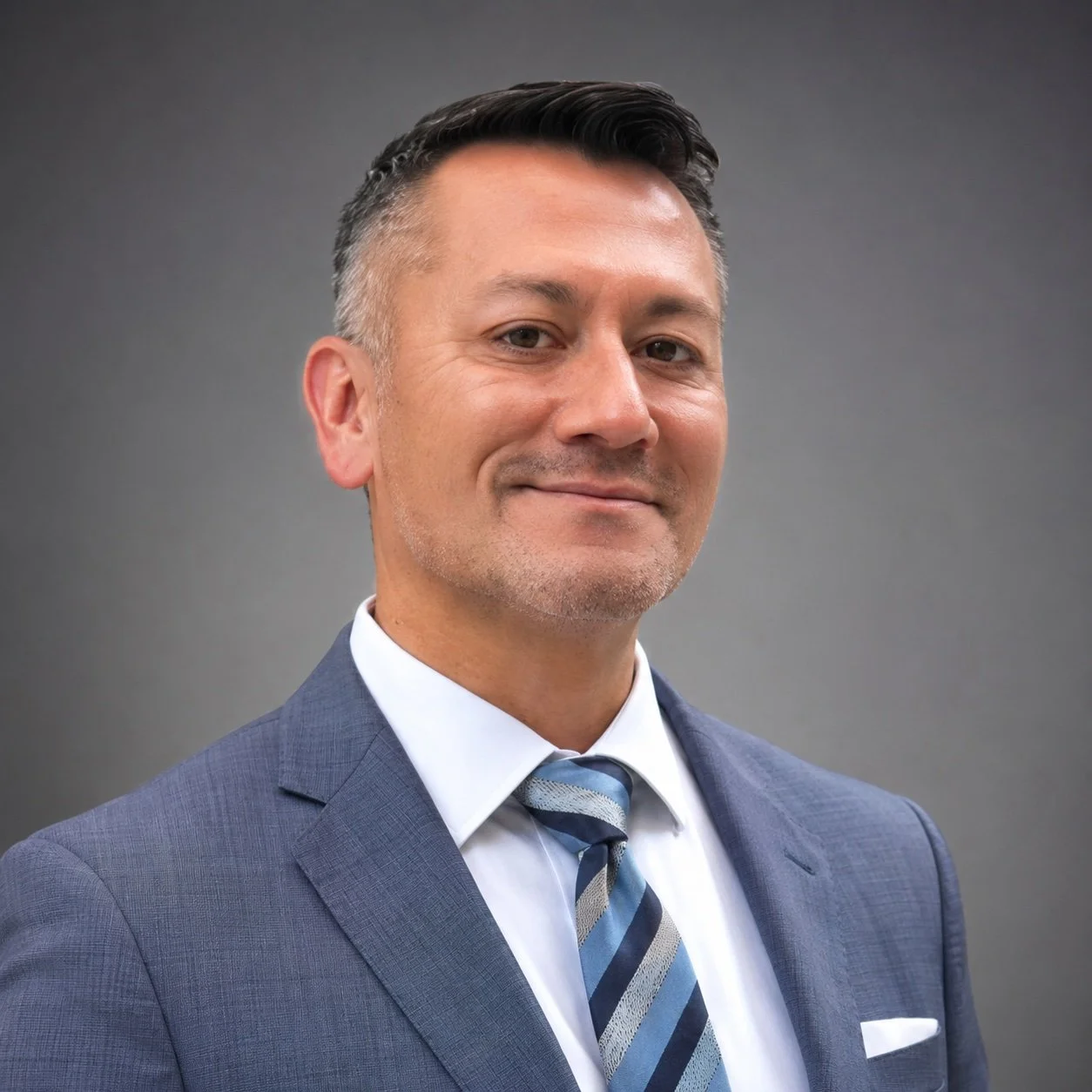
Who are you, and what's your connection to immigrant communities in the region?
My name is Juan Jara. I migrated with my parents and my sister from Peru to Washington, D.C. 33 years ago.
I serve as a member in the Health Equity Fund Committee of the Greater Washington Community Foundation. I am a board member of GALA Hispanic Theatre, and an advisor for the Latino Student Fund. I am the Executive Director of Business Banking in Washington, D.C. for JP Morgan Chase and have been in banking for thirty years.
What does Hispanic Heritage Month mean to you and the work you do?
HHM is an opportunity to celebrate where we come from, and a reminder of our responsibility to create opportunities for newcomers to our country and the generations that follow us.
The Hispanic community is very diverse. We come from different countries, have different accents, varied food, and history; but there are many common threads amongst us. We often share a deep sense of family and community, pride in our culture and heritage. We also have a strong tradition of resilience- many of our families came to this country with very little except ambition, and the belief that hard work could create a better life. For me HHM is about making sure our community continues to have a strong voice and a meaningful role in shaping the future of our region.
What's a moment from this year that reminded you why this work matters to you?
There are many negative moments that capture our attention and must not be ignored. I focus on the positive ones that help us advance our community.
Seeing a young Latino student gain confidence and support and pursue their ambition to attend college with the help of the Latino Student Fund, watching GALA theatre bring our stories and culture to the stage, or seeing the Health Equity Fund invest in organizations addressing some of the most significant disparities in our city, those moments make the work very tangible.
As I’ve grown my career and had opportunities to serve in different organizations, I’ve come to believe that success is not just what you achieve for yourself. It’s about remembering where you came from, staying connected, and making sure you leave the door open for someone else to walk through.
What message would you want to share with the broader Greater Washington region during Hispanic Heritage Month?
I would encourage everyone to see HHM as both a celebration and an invitation.
Celebrate the extraordinary contributions Latinos have made and continue to make to the culture, economy, neighborhoods, businesses, and institutions in our city; but also recognize that there is ample opportunity ahead of us.
We are stronger when the community has access to education, healthcare, capital, culture, and the opportunity to succeed. That requires all of us- business leaders, nonprofits, government, and community organizations- to continue working together. This month is an open invitation to continue to build a city where Latino voices are represented, and the next generation sees no limits to what they can achieve.
-
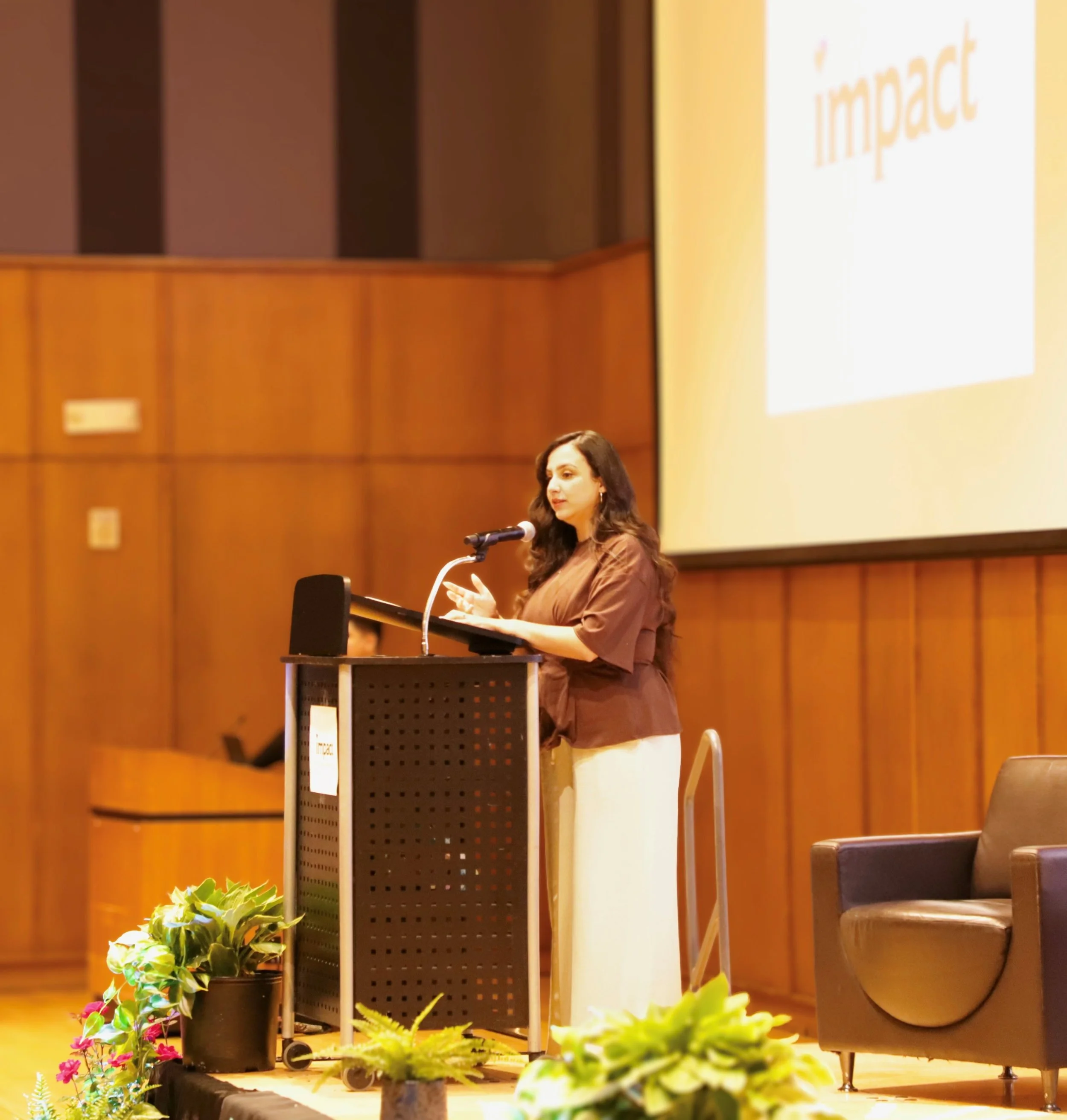
What's the name of your organization, and what communities do you serve?
I’m the Co-Executive Director of IMPACT Silver Spring. We work across Montgomery County, with a strong presence in East County, Gaithersburg, Long Branch, and Wheaton. We work alongside racially, culturally, and economically diverse communities, including many immigrant families and communities of color.
A lot of our work starts simply by bringing people together, building relationships and trust, and creating spaces where residents can share what they know, what they care about, and what they want to see change in their communities.
What does Hispanic Heritage Month mean to the work you do every day?
Hispanic Heritage Month makes me think about what happens when people have spaces where their culture, language, experiences, and ambitions are seen as strengths.
I benefited from spaces like that earlier in my own life. They gave me exposure, access, relationships, and opportunities to grow into things I may not have imagined for myself yet. That experience has stayed with me.
I see pieces of that in our work every day. There is something powerful about being in a space where people see what you bring, encourage you to use it, and connect you with others who can help you keep growing. Hispanic Heritage Month gives us a chance to celebrate that history and those contributions more intentionally, and I hope that same sense of pride and possibility is something our communities experience throughout the year.
What's a moment from this year that reminded you why this work matters to you?
One of my favorite recent examples comes from our work in Wheaton.
There is a group of residents from the Hewitt Avenue community who have been connected to IMPACT for more than six years through our Senior Network Builder. When they first began coming together, the conversations were about their lives, their neighborhood, and the things they wanted to see get better. They built trust with one another, participated in our civic engagement classes, and learned to think about change at the individual, neighborhood, and systems levels.
Over the years, they have continued to use what they learned in very practical ways. Recently, they saw a need for better food access in their neighborhood and decided to do something about it. They advocated for their community, and a food distribution was eventually brought directly into their neighborhood, reaching more than 100 families.
I love this example because it shows what can grow from years of trust, relationships, learning, and residents recognizing their own ability to act. They knew their neighborhood, they knew what families were experiencing, and they worked together to make something happen.
Finish this sentence: “When I think about what this community is capable of, I think about…”
When I think about what this community is capable of, I think about the connection we carry across so many countries, histories, and experiences.
Being Hispanic is a shared culture, a way of caring for family and community, and a sense of familiarity that can exist even between people who have never met before. There is something powerful about how people from completely different parts of Latin America can meet and still recognize something of themselves in one another.
That connection is powerful, and there is no reason to wait for the future to see what it can create. We can keep building together. Let’s hope, and let’s also be.
-
1. What’s the name of your organization, and what communities do you serve?
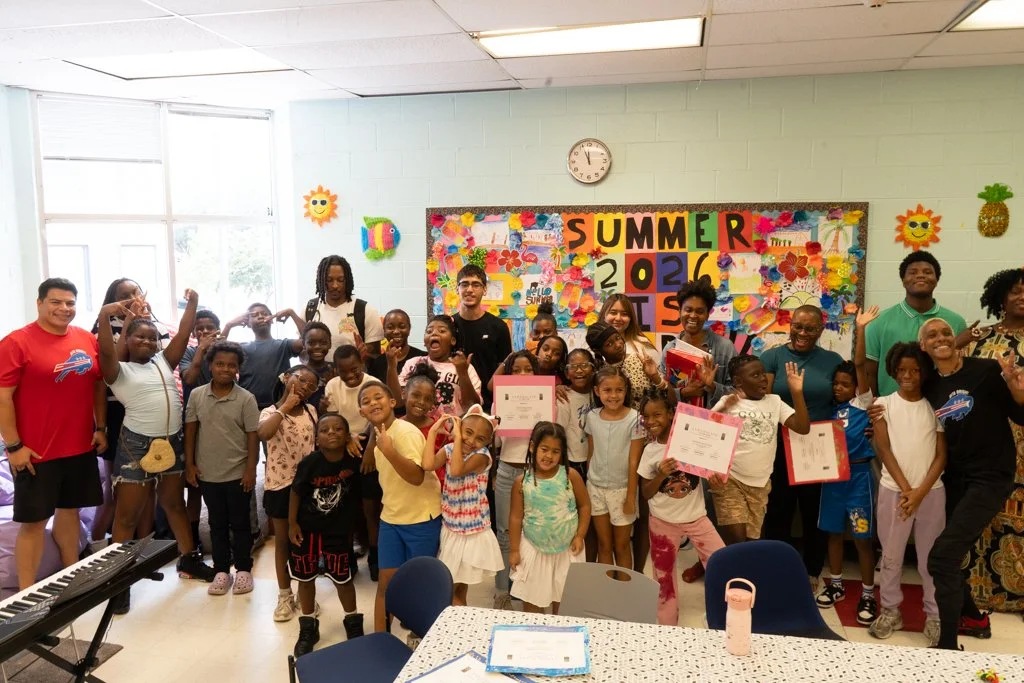
Here at Latin American Youth Center (LAYC), we serve more than 4,000 young people and families across Washington, D.C., Prince George’s County, and Montgomery County through programs focused on education, workforce development, housing, wellness, and more.
2. What does Hispanic Heritage Month mean to the work you do every day?
Hispanic Heritage Month is an opportunity to honor the cultures, histories, and contributions that have shaped LAYC and the communities we serve.
One of our long-standing traditions is a staff potluck, where team members bring a dish that represents their country or culture. The celebration inspires friendly competition while creating a sense of pride in the traditions and histories that make our community so vibrant.
Young people are also invited to participate in activities such as a parade of flags and cultural dance performances or movie nights. The pride, enthusiasm, and energy our staff bring to the celebration are contagious. We want every young person to feel proud of their heritage, understand their history, and know that their culture and identity are valued.
3. What’s a moment from this year that reminded you why this work matters to you?
It’s always great to see our young people explore new opportunities and express themselves in different ways. From visiting the Rockefeller Foundation to learn about career paths and philanthropy to sharing their creativity through art and leadership programs at our Teen Center, these summer experiences remind us why this work matters. They show us what is possible when young people have supportive mentors, resources, and safe spaces where they can discover their talents and think about their futures.
4. What do you hope for the families and communities you serve or support, this year and beyond?
We want every young person and family to know hope lives here within the walls and outside the walls of LAYC. We hope every young person and family feels supported, valued, and empowered to build the future they envision. We want our communities to have access to opportunities and resources so all young people can pursue their dreams, reach their goals, and thrive.