
Putting Youth Voices at the Center of Community Safety
As part of Gun Violence Awareness Month, we caught up with two coalitions that are empowering DC’s youth to take center stage in the conversation around community safety in DC.
The Community Foundation is proud to support Critical Exposure’s Youth Power & Safety Coalition and TRIGGER Project’s DC Youth Violence Prevention Coalition through the Health Equity Fund.
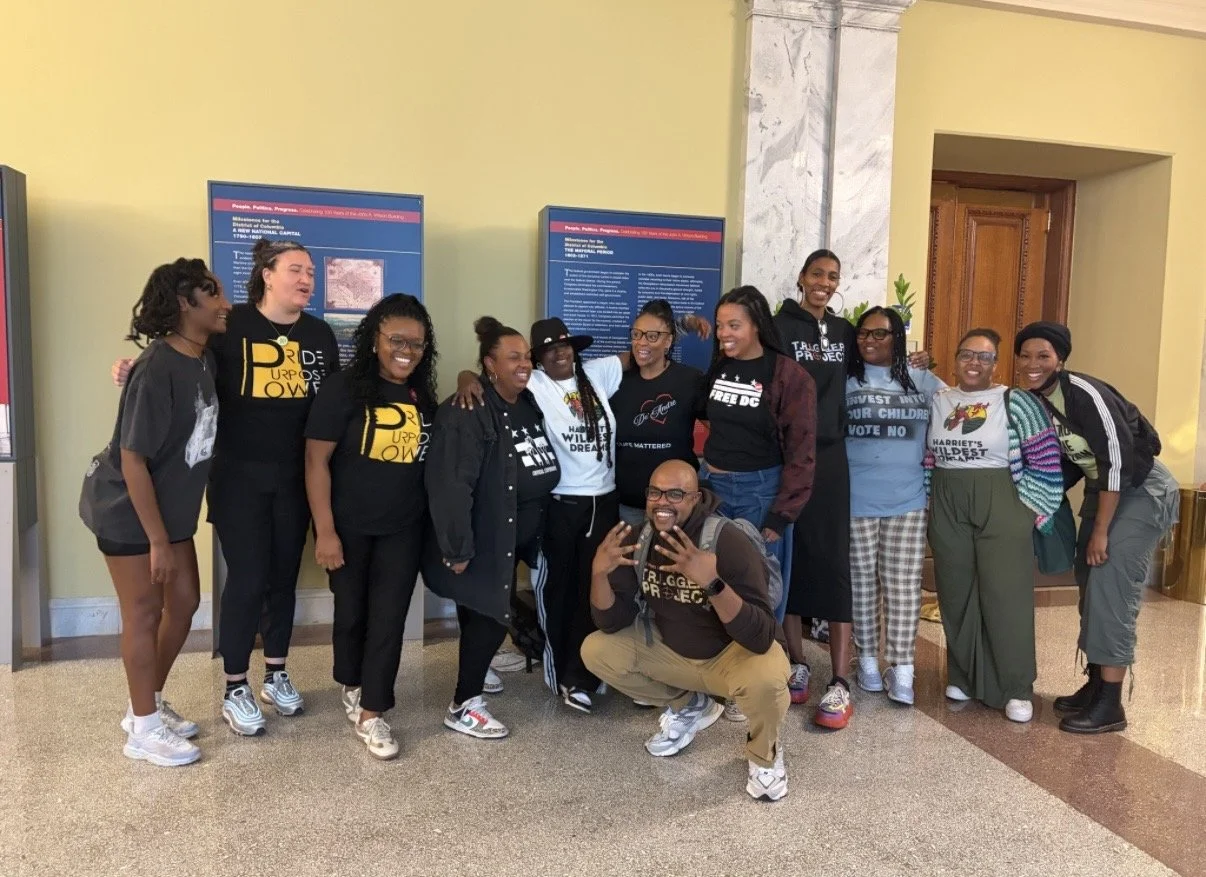
Critical Exposure’s Youth Power & Safety Coalition
In 2-3 sentences, please briefly describe the mission of your organization/coalition
The Youth Power & Safety Coalition is a citywide coalition of youth-led and youth-serving organizations working to build a DC where young people are safe, powerful, and free. Through youth organizing, political education, mutual aid, advocacy, and community-based safety initiatives, we work alongside youth to advance youth-led solutions, strengthen community care, and create systems that prioritize belonging, opportunity, and justice over criminalization.
A lot of organizations say they're "youth-led." What does that mean for your coalition specifically — and why does it matter that young people are the ones driving this work?
For our coalition, "youth-led" means that young people are not just participants; they are decision-makers, strategists, and organizers. Youth identify the issues that matter most to them, shape our policy demands, lead assemblies, and help determine how resources are invested. Adult allies provide support, coaching, and infrastructure, but young people set the direction. This matters because the young people most impacted by policing, violence, underinvestment, and systemic inequities are the experts on their own experiences. When youth lead, our solutions are more responsive to the realities they face every day. Youth leadership also builds long-term civic power, ensuring that young people are not merely subjects of policies and programs but active architects of safer, more just communities.
When you hear conversations about keeping young people safe in DC, what do you think is missing? What common misperceptions or misconceptions about youth and public safety would you want to clarify or correct?
What is often missing from conversations about youth safety in DC is young people themselves. Too many public discussions focus on youth as a problem to be managed rather than as community members whose insights should be at the center of solutions. Safety is frequently reduced to policing and enforcement, while young people consistently tell us that safety means having stable housing, quality schools, mental health support, trusted adults, safe places to gather, economic opportunity, and freedom from violence and harassment.
One of the most harmful misconceptions is that Black and Brown youth are inherently more dangerous, more likely to cause harm, or less deserving of grace and second chances than their peers. These narratives are not grounded in reality, yet they have shaped public policy and media coverage for generations. When isolated incidents occur, entire groups of young people are often blamed, leading to calls for increased surveillance, curfews, and criminalization rather than investments in the conditions that help young people thrive.
Another misconception is that young people do not care about their communities or are unwilling to take responsibility for improving them. Our experience has been the opposite. Across our coalition, young people have organized Know Your Rights trainings, testified before policymakers, developed policy recommendations, led public education campaigns, and shaped their own vision of what safety should look like. Young people are not waiting for adults to save them; they are already leading.
If we want safer communities, we have to move beyond fear-based narratives and listen to what young people have been telling us all along: safety is built through relationships, opportunity, belonging, and investment, not through criminalization. The question should not be how we control young people, but how we partner with them to create the city they deserve.
How are young people involved in making decisions for your coalition — from planning to execution? And what have you seen that kind of ownership do for the young people involved?
Young people are involved in every stage of our coalition's work, from identifying priorities and designing campaigns to facilitating events, speaking to the media, and shaping policy recommendations. Youth helped define our coalition's vision for safety, developed demands through citywide youth assemblies, informed our Know Your Rights trainings and political education efforts, and served as leaders in organizing actions and advocacy campaigns. Our coalition is committed to ensuring that youth drive the work while adults provide the resources, relationships, and infrastructure necessary to support their leadership.
We've seen that this level of ownership transforms how young people see themselves and their role in their communities. Young people gain confidence in their ability to analyze problems, speak publicly, advocate for change, and build collective solutions. Just as importantly, they develop a stronger sense of belonging and agency. Rather than feeling that decisions are made about them, they experience what it means to shape decisions themselves.
What does "community safety" mean to you and your team?
For our coalition, community safety means creating the conditions for young people to thrive, not simply preventing harm. Safety means that young people have access to stable housing, quality education, mental health support, transportation, economic opportunity, trusted relationships, and spaces where they feel seen, valued, and free to be themselves. It means belonging, dignity, and the ability to move through the city without fear of violence, discrimination, or unnecessary contact with law enforcement.
We believe safety is built through community, not imposed through surveillance or punishment. That's why our work focuses on strengthening care infrastructure through youth drop-in spaces, safe passage networks, Know Your Rights trainings, political education, mutual aid, and youth-led organizing. Young people have consistently told us that they feel safest when they are connected to caring adults, have access to resources, and have meaningful opportunities to shape the decisions affecting their lives. Our vision is a DC where safety is measured not by how much we police young people, but by how much we invest in their well-being, leadership, and future.
What's something that happened in the past year that made you feel like this work is really doing something? Big or small.
One moment that stands out from the past year was watching young people move from naming their concerns about safety to shaping real policy conversations. Through our youth assemblies, young people developed a set of demands for what safety should look like in DC, and then took those demands directly to decision-makers through testimony, media engagement, and advocacy. Seeing youth articulate a vision rooted in care was a powerful reminder of what's possible when young people lead.
Another example was our youth-led Know Your Rights campaign. Young people didn't just attend trainings; they helped shape the messaging, educate their peers, and ensure that hundreds of young people across the city had access to information about their rights. We also saw youth play an active role in conversations about proposed curfew legislation, pushing back on narratives that frame young people as the problem and advocating for investments that address the root causes of harm. Those moments reinforced that this work isn't just building awareness, it's building youth power.
What does your coalition need from the community right now? How can people follow your work or get involved?
Right now, our coalition needs more adult allies who are willing to stand in genuine solidarity with young people. That means listening to youth, showing up consistently, challenging harmful narratives about Black and Brown youth, and using your own influence, whether as a parent, educator, faith leader, neighbor, or community member, to create safer and more supportive environments for young people.
We also want to connect with schools, community organizations, faith institutions, and neighborhood groups that are interested in hosting Know Your Rights trainings, political education workshops, or conversations about youth safety. One of the most impactful ways to support this work is to invite us into your community so that young people and adults can learn together and build a shared understanding of what real safety looks like.
What's something people might be surprised to know about the work young people are doing around gun violence prevention right here in the city?
I think many people would be surprised by just how much young people are already doing to prevent gun violence in DC. Too often, youth are portrayed as recipients of services or as part of the problem, when in reality they are leading solutions every day. Young people are organizing peer outreach, facilitating difficult conversations about safety and conflict, educating their peers about their rights, advocating for mental health resources, and pushing for policies that address the root causes of violence.
What young people consistently tell us is that gun violence prevention isn't just about reducing shootings—it's about creating communities where young people have hope, opportunity, connection, and support. They understand that violence is often connected to unmet needs, trauma, housing instability, lack of economic opportunity, and disinvestment. That's why many of the youth leaders in our coalition are advocating for investments in schools, mental health services, youth employment, safe spaces, and community-based supports alongside violence prevention efforts.
People are also often surprised by the sophistication of young people's analysis. Youth aren't just sharing personal stories; they're developing policy recommendations, meeting with elected officials, analyzing legislation, and helping shape citywide conversations about public safety. Whether it's participating in discussions around curfew legislation, developing youth demands through assemblies, or leading Know Your Rights campaigns, young people are demonstrating every day that they have both the vision and the expertise to help create safer communities. The question isn't whether young people are ready to lead—it's whether adults are ready to follow their lead.
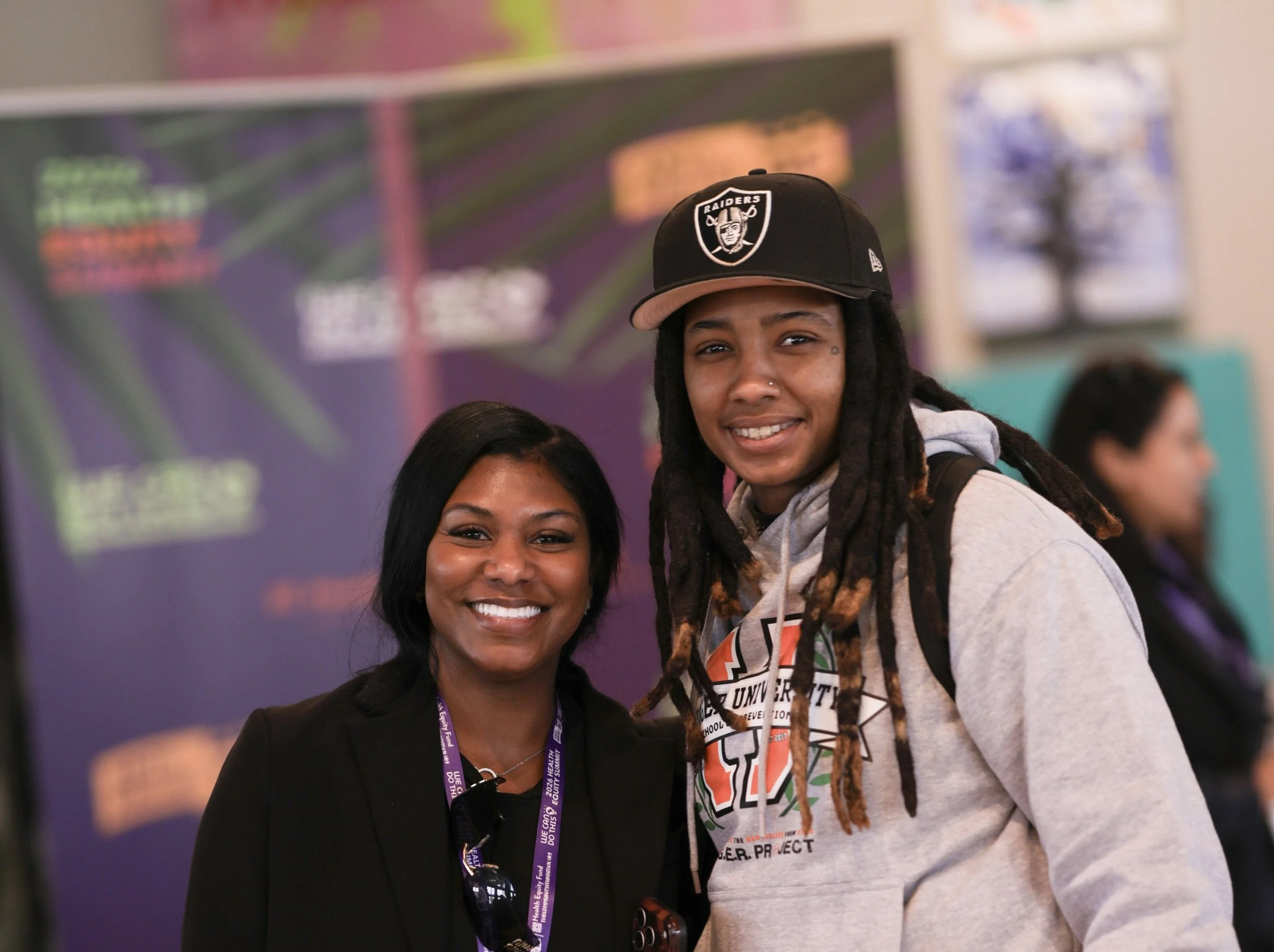
The T.R.I.G.G.E.R. Project’s DC Youth Violence Prevention Coalition
In 2-3 sentences, please briefly describe the mission of your organization/coalition
The DC Youth Violence Prevention Coalition works to build the systems infrastructure and partnerships needed to prevent youth violence across Washington, DC. By bringing together community-based organizations, youth leaders, and prevention practitioners, we are creating a coordinated, community-led blueprint for prevention that strengthens opportunity, healing, and long-term outcomes for young people. Together, we are transforming prevention from isolated programs into a sustainable citywide system.
A lot of organizations say they're "youth-led." What does that mean for your coalition specifically — and why does it matter that young people are the ones driving this work?
For DC-YVPC, youth leadership means ensuring young people help shape the solutions, not just participate in them. Too often, decisions about youth violence are made without meaningfully including the young people most affected by it. By centering their lived experiences, perspectives, and ideas, we are building prevention strategies and systems that are more proactive, effective, and rooted in the realities of DC youth.
Youth are the co-pilots in youth protection, safety, and growth. They are not simply recipients of services but active partners in designing, implementing, and strengthening the strategies that keep them and their peers safe and healthy.
When you hear conversations about keeping young people safe in DC, what do you think is missing? What common misperceptions or misconceptions about youth and public safety would you want to clarify or correct?
Conversations about youth violence often focus on blame rather than prevention. We believe youth violence should be approached as a public health issue by addressing root causes such as trauma, disconnection, and limited access to economic opportunity. A common misconception is that young people are the cause of public safety challenges when, in reality, they are often among those most impacted by the conditions that contribute to violence.
How are young people involved in making decisions for your coalition — from planning to execution? And what have you seen that kind of ownership do for the young people involved?
As the backbone organization for DC-YVPC, The T.R.I.G.G.E.R. Project brings extensive experience in youth voice and youth choice through its youth advisory board, Young Different Minds (YDM). Youth leaders actively contribute to the coalition by providing feedback on priorities and strategies, participating in events and advocacy efforts, and helping shape prevention systems across the District.
Additionally, our partner organizations; CROWNZ Incorporated, The TraRon Center, Guns Down Friday, and TRAPP With Love, not only provide safe spaces for young people to connect, but also create environments where youth voices are valued, heard, and uplifted.
When young people are given meaningful opportunities to lead, we see increased confidence, stronger leadership skills, greater civic engagement, and a deeper sense of purpose. We also see stronger outcomes for the coalition, as youth help ensure our work remains relevant, responsive, and grounded in the lived experiences of young people across DC. Through this work, DC-YVPC is helping advance youth voice and youth choice as a standard practice across youth-serving programs throughout the city.
What does "community safety" mean to you and your team?
For DC-YVPC, community safety and youth violence prevention are not the same. Community safety often focuses on intervention strategies that respond to violence or address immediate threats after harm has occurred. Youth violence prevention focuses on reducing exposure to violence before it happens by addressing root causes and creating opportunities for young people to thrive. While both are important, our coalition is focused on building the community conditions that make violence less likely to occur in the first place.
What's something that happened in the past year that made you feel like this work is really doing something? Big or small.
One thing that happened this year and makes us feel like this work is really making a difference is how much progress we've made in such a short time. Since launching DC-YVPC in December, we have brought together organizations around a shared vision for youth violence prevention and created systems that strengthen collaboration across our network.
A major win has been launching our shared intake, tracking, and care management processes. These tools help us better identify and respond to the needs of young people, connect them to resources across partner organizations, and measure the impact of prevention efforts throughout the city.
Seeing our organizations work together, share responsibility for youth outcomes, and coordinate support for young people reminds me that prevention is possible and that we are building something meaningful together.
What does your coalition need from the community right now? How can people follow your work or get involved?
Right now, our coalition needs community members, organizations, and decision-makers to embrace a growth mindset and a public health approach to youth violence prevention. Lasting change requires us to move beyond blame and invest in the conditions that help young people heal, grow, thrive, and reach their full potential.
Community members can support our work by following @DC_YVPC, participating in coalition events and initiatives, and helping elevate youth voices in conversations about the future of Washington, DC. Meaningful prevention is a shared responsibility, and everyone has a role to play in creating safer, healthier communities for our youth.
For additional opportunities to engage with the coalition, partner with our work, or learn more about our initiatives, please contact us at [email protected].
What's something people might be surprised to know about the work young people are doing around gun violence prevention right here in the city?
I think people would be surprised by the many hats young people are wearing in gun violence prevention. Most people would never know the depth of their involvement until they sit down and have a conversation with them.
Our young people are increasingly understanding that gun violence is a public health issue that spreads through exposure, environment, and learned behaviors. They are taking the time to understand the root causes of violence, recognize and address their own trauma, and learn healthier ways to cope with challenges.
They are also sharing what they learn with others. Young people are teaching their peers positive coping strategies, encouraging friends to seek support, inviting classmates to prevention events, and helping create spaces where difficult conversations can happen. They are not waiting for adults to solve these issues on their own they are actively contributing to safer, healthier communities every day. They are not just the face of prevention, they are at the table with community leaders pushing the efforts.