
Whole Fathers, Stronger Families: How The Black Fatherhood Blueprint is Elevating DC Families
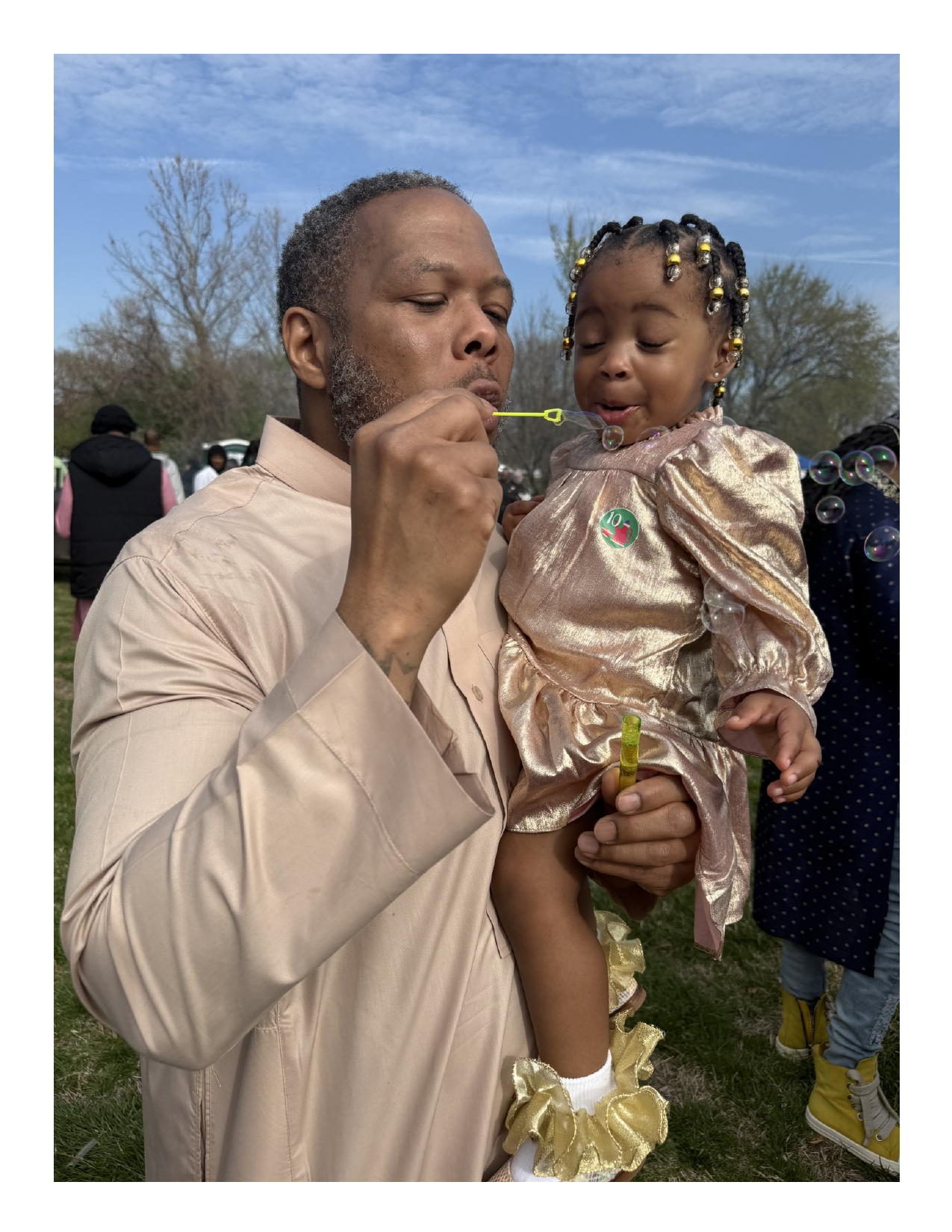
Herbert with his daughter, Sakinah
If you were to ask Herbert Robinson, a lifelong Washingtonian, entrepreneur, and prison reform advocate what his pride and joy is, he will answer you in a single word.
“Sakinah”
Sakinah – whose name means “tranquility” in Arabic - is almost three years old. She loves bubbles, learning, unicorns, and her mom and dad.
“She is one of the greatest blessings of my life,” Herbert shares.
A blessing that he admits that he wasn’t initially prepared for.
“When Sakinah was born, I had just left the criminal justice system,” Herbert explained. “I had recently started an advocacy nonprofit and my own transportation company, but neither one was making very much money. That put a lot of pressure on myself and my family.”
Herbert is the Co-Founder of Growing Pain Solutions (GPS) – a nonprofit dedicated to empowering returning citizens through education, advocacy, and health equity. He’s served as a co-facilitator of the Unlock the Box DC coalition – which advocates for ending solitary confinement and promoting human dignity within the prison system and advocated for DC residents navigating the criminal justice system.
But after he separated from Sakinah’s mother, Herbert wasn’t sure how to advocate for himself, as a Black father.
“There was a time when I couldn’t see my daughter because her mother felt I wasn’t giving her enough money to support them,” Herbert shared.
That’s when a friend told him about the Black Fatherhood Blueprint – a program that provides Black fathers with the tools, community, and resources they need for lasting change.
A Program Built on Wholeness
Launched in September 2025 with support from The Community Foundation’s Health Equity Fund, the Black Fatherhood Blueprint is a partnership between the United Way of the National Capital Area and the Greater Washington Urban League aimed at helping DC’s Black Fathers unlock their full potential through a comprehensive mix of emotional healing, structural support, and financial empowerment.
“Black Fatherhood Blueprint is centered around families – specifically the power that families can have in the life of a child when the father is present, supported, and empowered,” shared Brocklin Qualis, Director of the Black Fatherhood Blueprint program.
“Each of our fathers comes into the program with a different experience and different needs. Our responsibility is to create a space that meets those needs and supports them in building a stronger relationship with their child.”
Over the past nine months, the 15-week program has served 51 fathers across two cohorts – and is working towards a third.
The data from those first cohorts paints a clear picture of the challenges that many of these men are navigating: nearly half entered the program unemployed or under-employed; more than half reported high stress around their parenting situation; and nearly two-thirds of fathers with child support obligations identified it as a significant need. Housing and career advancement were also near-universal concerns.
“There are a lot of negative narratives out there about Black Fathers,” Dr. Hanna Tessema, Director of Health and Wellness at the Greater Washington Urban League shared. “The focus of this program is about healing. It’s about changing negative thought patterns to positive ones and creating a safe space that fathers can step into.”
More than a Program – A Brotherhood
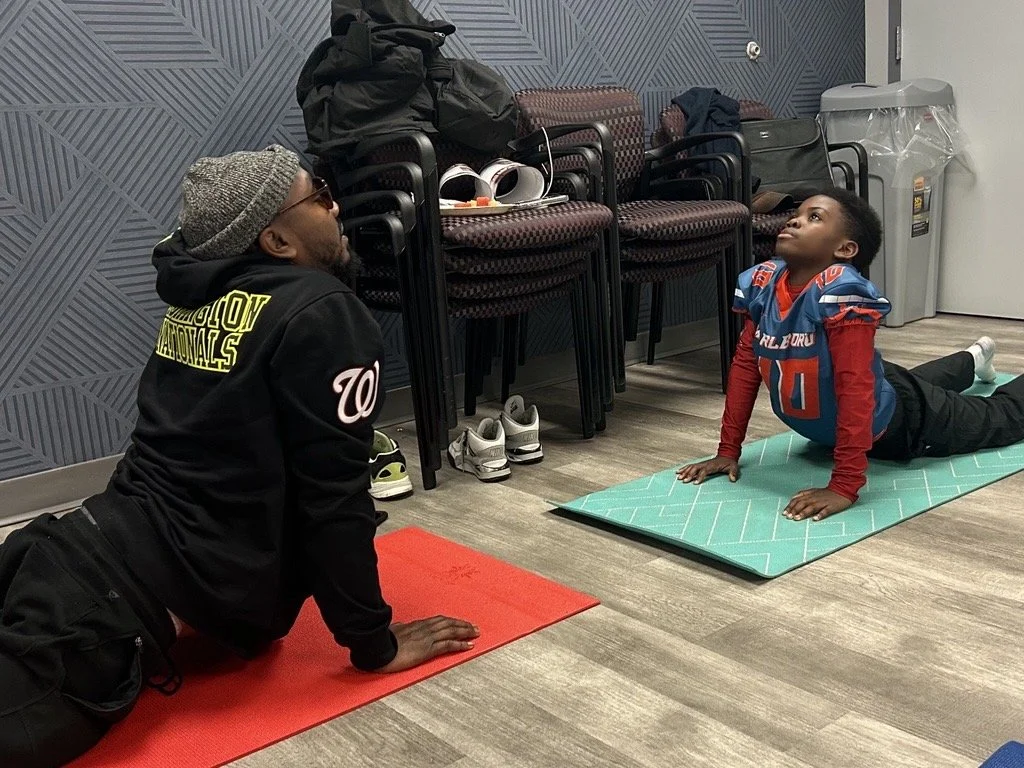
Fathers participate in a healing circle with their children.
For Herbert, what made the difference wasn't just the services — it was the people.
“I met some incredible brothers through the Black Fatherhood program,” Herbert recalled. “Fathers, entrepreneurs, writers; young and old. All of us had our own challenges and struggles, but we all had something in common – we wanted to be better fathers.”
Two of the first people Herbert met were the Black Fatherhood Blueprint ‘Dad Advocates’ – Lamar Davis and Charles Shepherd – who regularly meet one-on-one with the fathers to listen to their concerns, assess their needs and connect them with resources and opportunities.
“At any point of the day, I could get a call from Charles or I could call him up,” Herbert recalls. “The door was open from the beginning. It wasn't anything formal, but I knew I could reach out whenever I needed to.”
“Our job is to respond to the needs of our fathers and find ways to help them reach their goals,” Charles shared. “They share with us what they want to accomplish and we find ways to make that happen.”
For Herbert, that meant getting connected with other entrepreneurs who knew how to navigate DC’s small business landscape – which helped him stabilize his own small business and gave him access to a network of mentors.
“The social capital you gain through this program, is incredible,” Herbert shared.
He also participated in the Sawubona Healing Circles – a group therapy session that explored mental health, emotional regulation, and breathing techniques – as well as a father-daughter/son retreat, “Radical Release 2.0”, that was organized by another participant.
“One of the fathers described the program not as a handout, but a hand up,” shared Lamar. “We are our brother's keeper. This is a time when we are in crisis — and this program is meant to be a weight off their shoulders.”
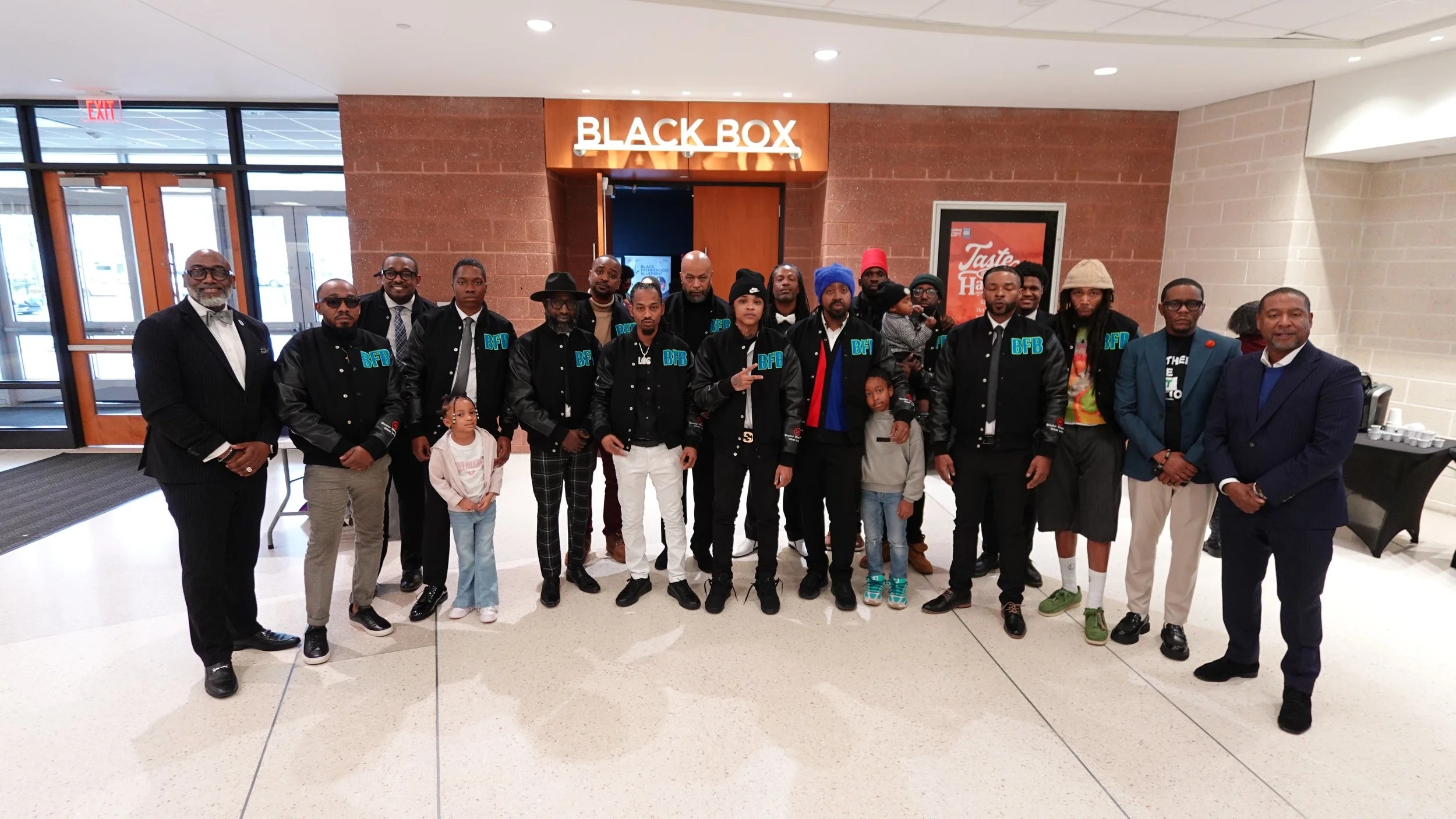
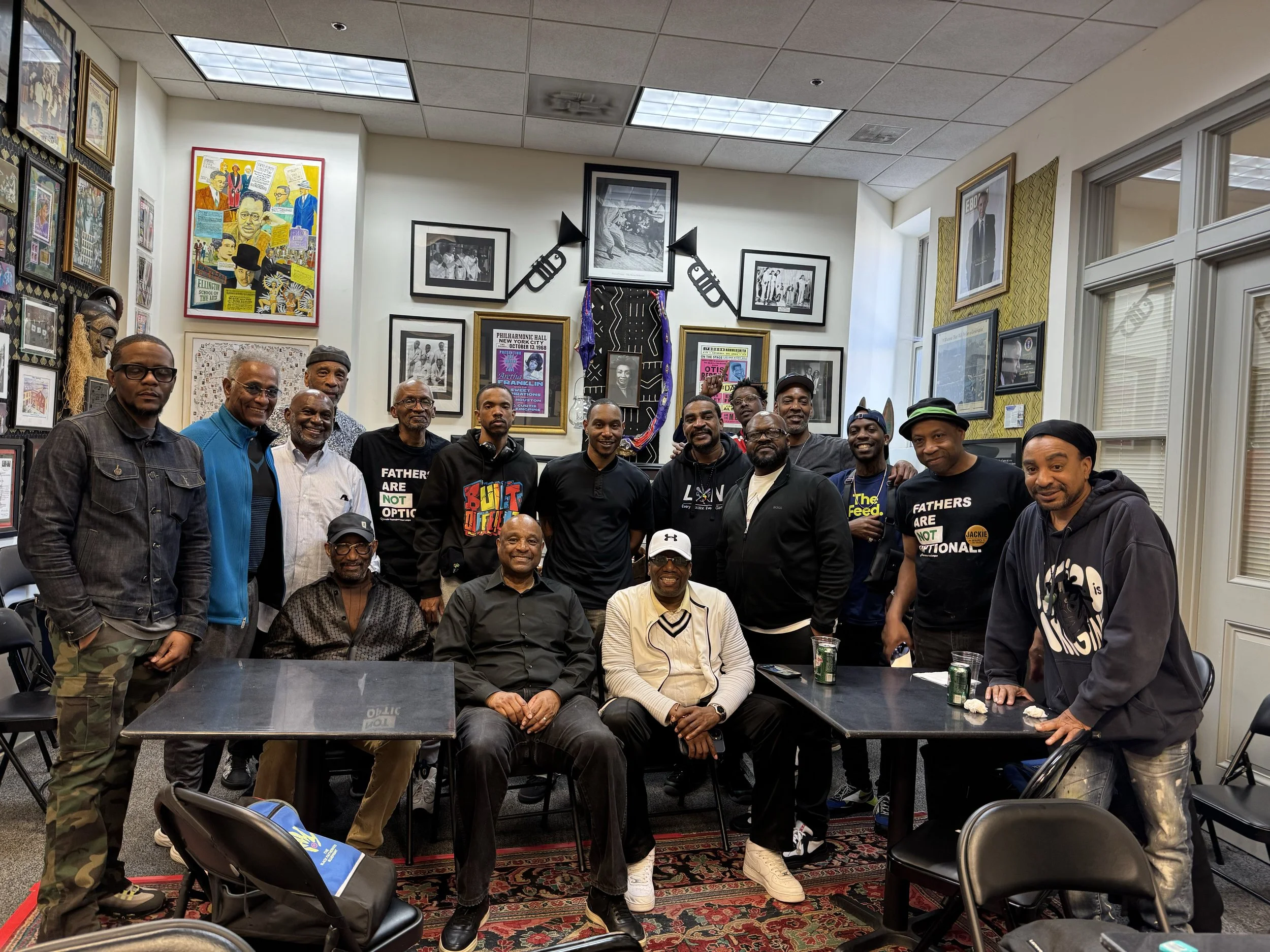
Black Fatherhood Blueprint participants pose for a group photo at a special graduation program at the conclusion of the 15-week program.
A Life Taking Shape
Fifteen weeks later, Herbert’s life looks different in ways both visible and quiet.
He landed a full-time position as a Facilities, Fleet, and Logistics Manager at Dreaming Out Loud (a nonprofit that has also received funding support from The Community Foundation’s Health Equity Fund). He earned his CBE certification — Certified Business Enterprise — through connections he made in the Urban League's entrepreneurship network. He's waiting on a final inspection before he can begin seeking contracts for his transportation company, AGG Transportation LLC. He's continuing to build his nonprofit, which he hopes to one day connect with his transportation business to create real employment opportunities for returning citizens. And he proudly wears his Black Fatherhood Blueprint quarter-zip sweatshirt – a gift presented to each graduate of the program.
But the change he names first isn't any of that.
The program helped Herbert and Sakinah's mother talk about going through mediation — and as he began showing up differently, Sakinah’s mother began to take notice.
“She could tell that I was serious about meeting my personal goals and showing up for Sakinah,” Herbert shared.
When Herbert approached Sakinah’s mother about opening a 529 college savings plan for Sakinah – a conversation facilitated by the Black Fatherhood Blueprint team – Sakinah’s mother finally recognized Herbert’s commitment to Sakinah’s future.
“Now I get to see my daughter on a regular basis,” Herbert said, with Sakinah playing in the background. “I’ve been able to communicate with her and her mother more often and play a bigger role in Sakinah’s life. That's been the biggest change – and the biggest blessing I could ask for.”