
Address Critical Community Needs
The Community Foundation and our donors respond to both acute and everyday crises to help stabilize and improve the quality of life for our neighbors and communities.
Community Resilience Initiative
In response to federal destabilizing the nonprofit sector and our region, The Community Foundation reactivated its Community Resilience Initiative to convene, support, and advocate on behalf of the nonprofit sector and Greater Washington region.
-
Convene
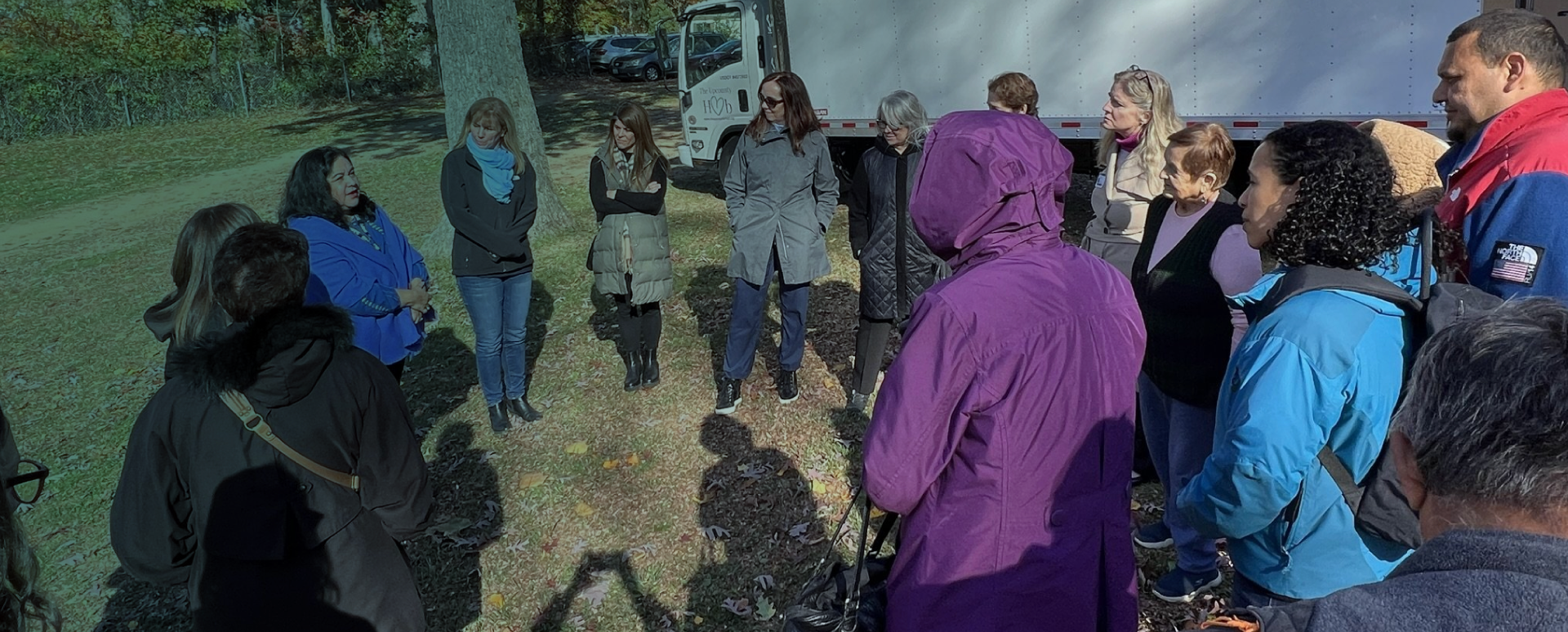
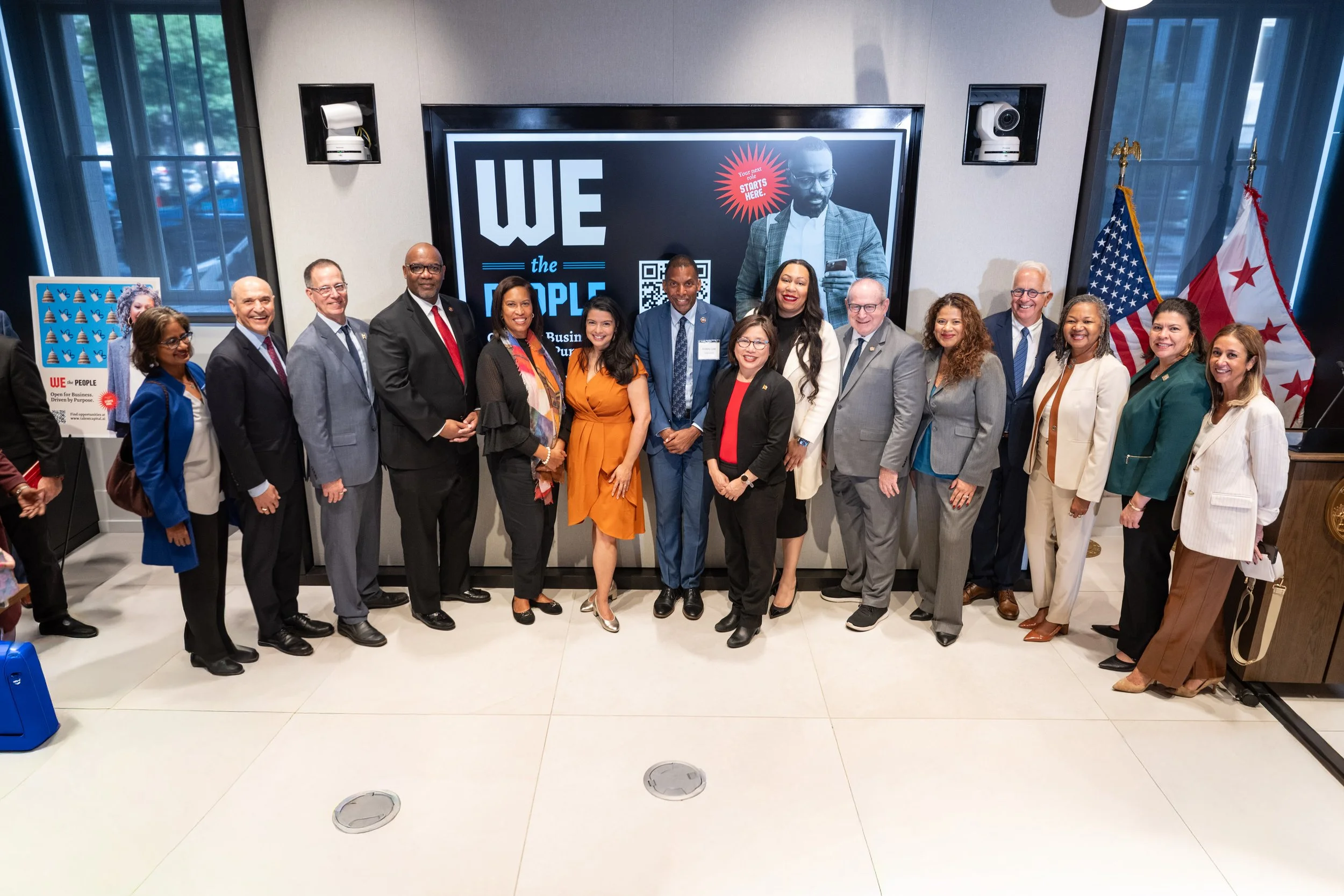
Since early 2025, we've created spaces for nonprofits, donors, and philanthropic partners to build trust and collaborate — from convenings with the Meyer Foundation and Georgetown University to helping launch Greater Washington Together, a a civic alliance of government, business, education, and nonprofit leaders aimed at promoting economic resilience in the DMV.
-

Support
The Community Foundation deployed more than $14.3 million in grants to help organizations navigate funding loss and plan for the future, support coalitions meeting rising healthcare and housing needs, and address food insecurity during the federal shutdown.
We paired with an initiative to connect nonprofits with technical service providers to help them navigate ongoing challenges while building organizational capacity.
We also provided seed funding for the DMV Monitor and talentcapital.ai, an AI-driven job-matching tool supporting displaced federal workers.
-
Advocate
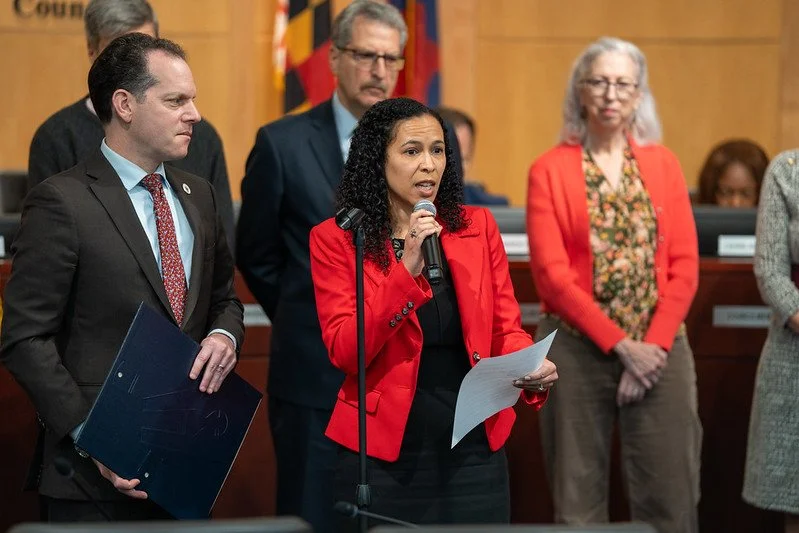
We spoke out in defense of philanthropic free expression and DC's right to self-governance, made grants to support organizers advocating for their communities, and surveyed nonprofit partners to track the impact of federal funding cuts and other challenges.
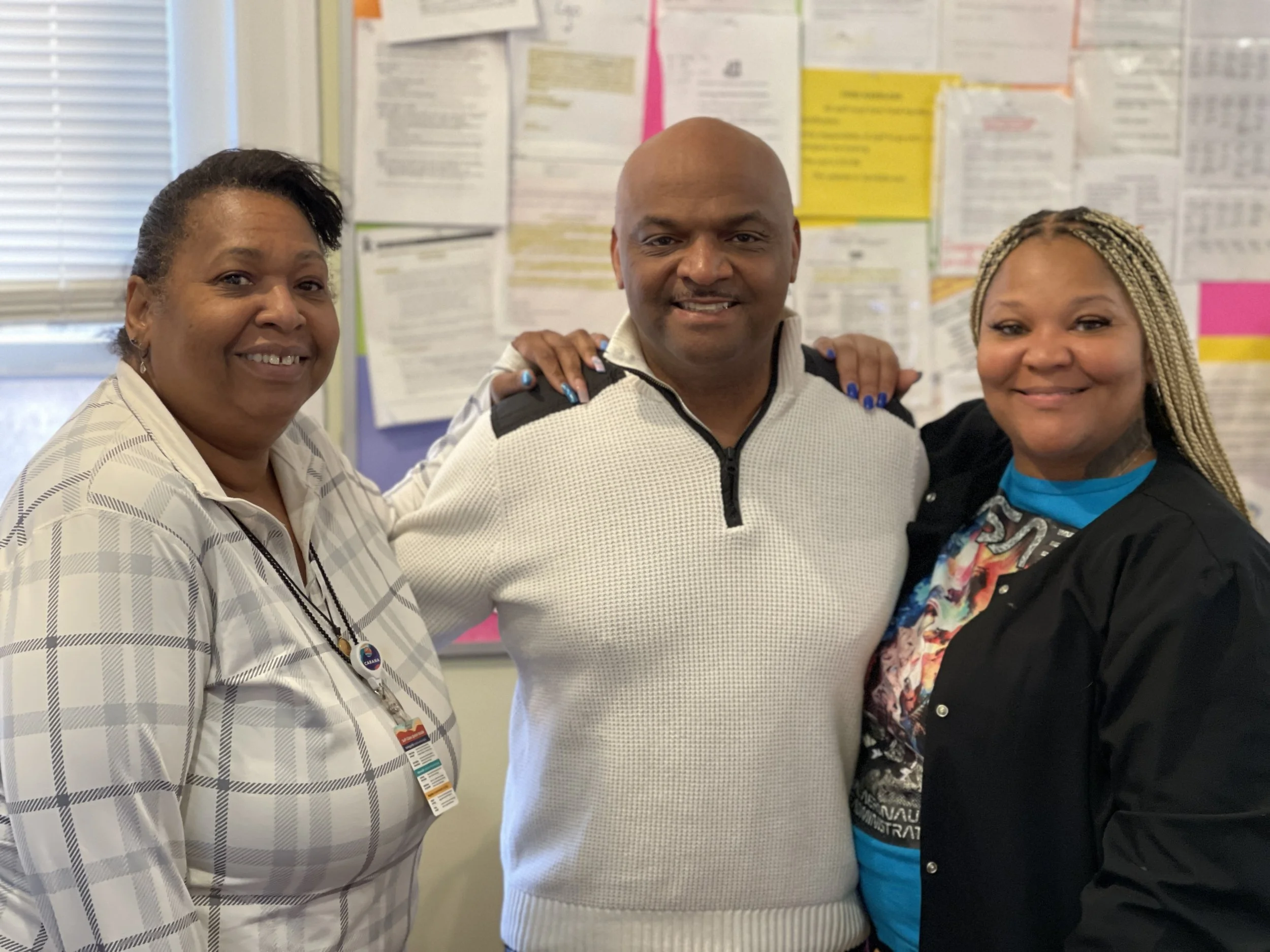
Partnership to End Homelessness
The work of the Partnership to End Homelessness took on new urgency this year, as federal actions increasingly targeted DC residents experiencing homelessness.
The work of the Partnership to End Homelessness took on a new level of urgency this past year, as federal actions targeted those experiencing homelessness in DC. In response, the Partnership convened faith leaders and nonprofit providers from across DC to find new and innovative ways to support our unhoused neighbors.
The Partnership also announced innovative investments in Permanent Supportive Housing (PSH), distributed $350,000 in grants to support advocacy and grassroots organizations, and advocated against Medicaid cuts that would impact thousands of DC residents.
Finally, The Partnership put on our hardhats to tour Edgewood Commons in Northeast DC, a newly developed affordable housing project made possible through our impact investing partnership with Enterprise Community Load Fund.
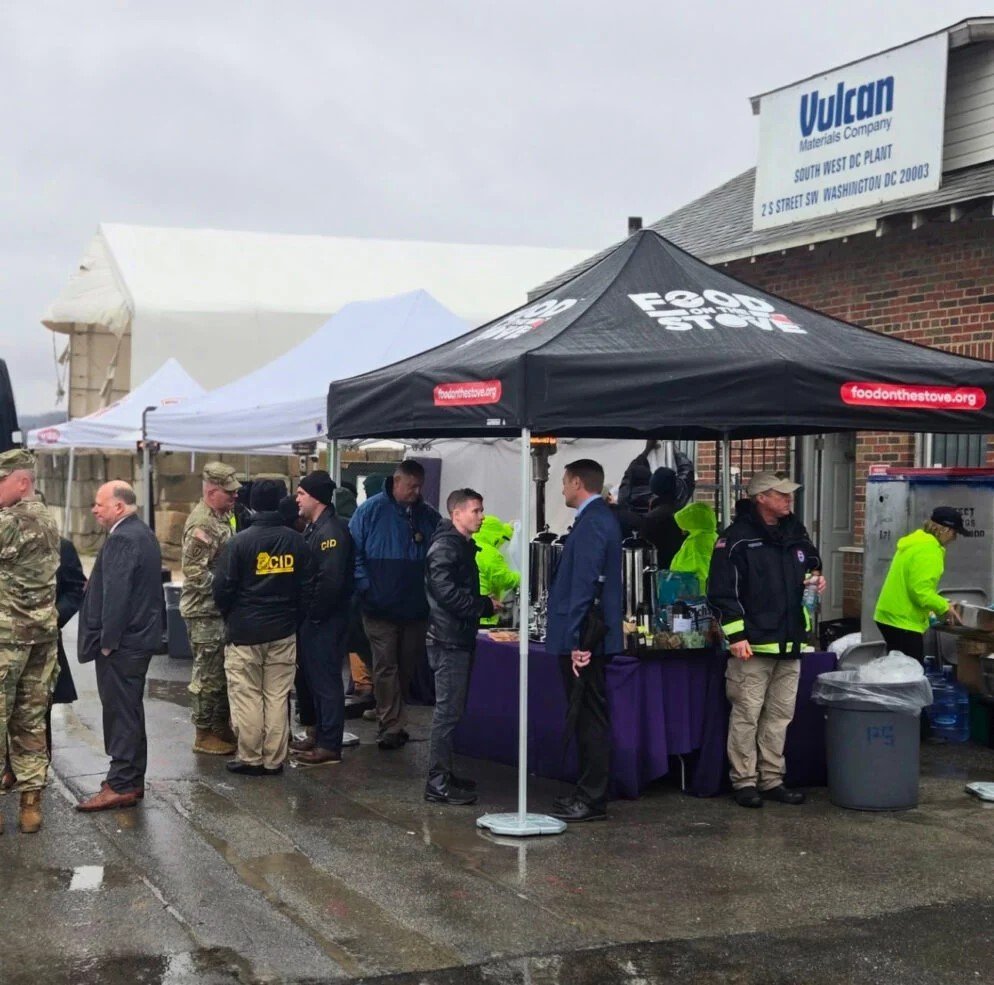
DCA Together Relief Fund
After tragedy struck near DCA Airport on January 29, 2025, we partnered with other community foundations serving Northern Virginia to establish the DCA Together Relief Fund. This community-supported crisis response fund provided direct aid to impacted families, first responders, and nonprofit organizations supporting recovery and healing.
Thanks to the extraordinary generosity of over 560 donors from across the country, we were able to raise and distribute nearly $800,000 in direct financial assistance to families who lost loved ones, as well as grants to support first responders and provide mental health services for impacted families and their communities.
We are deeply grateful to our corporate partners, including Monumental Sports & Entertainment, Truist, Forvis Mazars, and Legum & Norman/Associa Cares, Inc., whose generous support was instrumental to this effort.
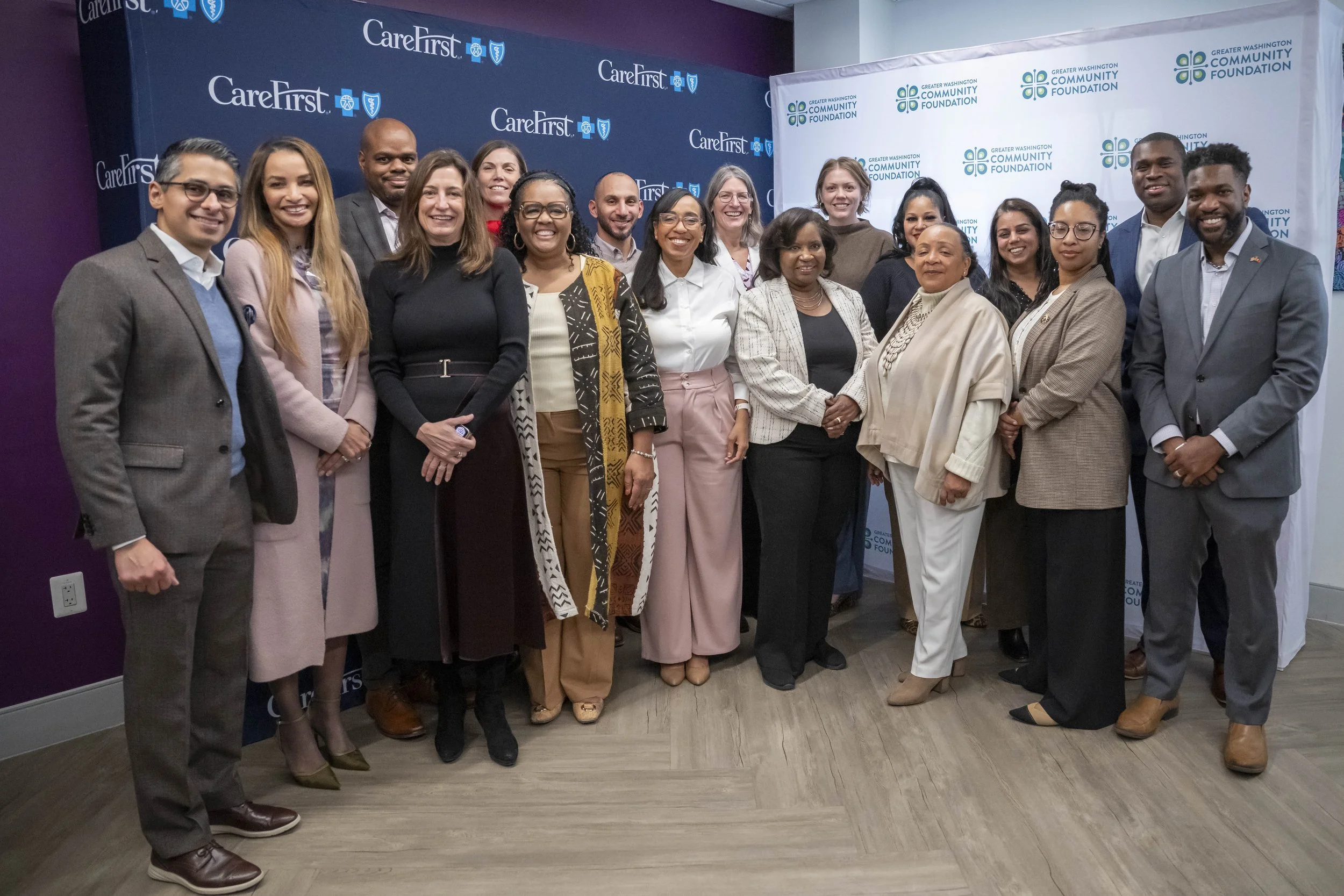
Investing in Maternal Health
In January, The Community Foundation and CareFirst BlueCross BlueShield announced $2.2. million in grants from the Developing Families Maternal Health Fund. The grants, funded in part by a $1.4 million investment from CareFirst, supported innovative, community-driven solutions across DC, Maryland, and Northern Virginia. Eleven nonprofits received up to $200,000 over two years to advance work in areas including access to care, mental health support, prenatal and postpartum care, economic stability, and policy advocacy.