
Cash, Capital, & Care: East River Fellowship Pioneers New Model for Youth Entrepreneurship in Ward 7
In January, The Community Foundation’s Health Equity Fund announced $15.7 million in multiyear investments in five transformative projects focused on collaborative approaches to increasing economic mobility and wealth building.
We are excited to share with you a special feature on one of these projects – the East River Entrepreneurial Fellowship - a partnership between East River Family Strengthening Collaborative, the Washington DC Economic Partnership, and Guerilla Arts Ink to provide a pathway to entrepreneurship and economic mobility for transition youth in DC’s Ward 7.
For Rahman Branch, there has never been any question in his mind about the bright futures and untapped potential that exists in Ward 7.
“One of the things I learned a long time ago was not to second guess young people; but to be a battery in their back,” the former Principal of Ballou Senior High School shares. “Our youth are ready to fly!”
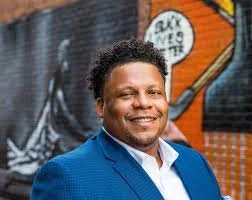
Rahman Branch, Pres & CEO of ERFSC
A lifelong educator with a passion for young people, Rahman spent nine years in the DC Public School system where he interacted with thousands of youth East of the river on a daily basis. Having lived in both wards East of the Anacostia, he’s witnessed firsthand what studies have shown for decades: how youth in Ward 7 receive far less investment and growth opportunities than their counterparts living west of the Anacostia River.
Now as the President & CEO of East River Family Strengthening Collaborative (ERFSC), one of the largest community collaboratives serving families in Ward 7, Rahman has seen the impact that lack of investment has had on future generations in his community.
“Ward 7 represents some of the most overly surveilled and least resourced populations in the country,” Rahman explains. “If we're going to talk about giving people the opportunity to show up and step up, it's time for us to invest in this population.”
“Imagine what could be possible if we gave these young minds access to the resources they need to succeed from an early stage; if we went beyond teaching them principles and concepts to actually giving them the capital and investment to reach their full potential.”
Building Collaborations East of the River
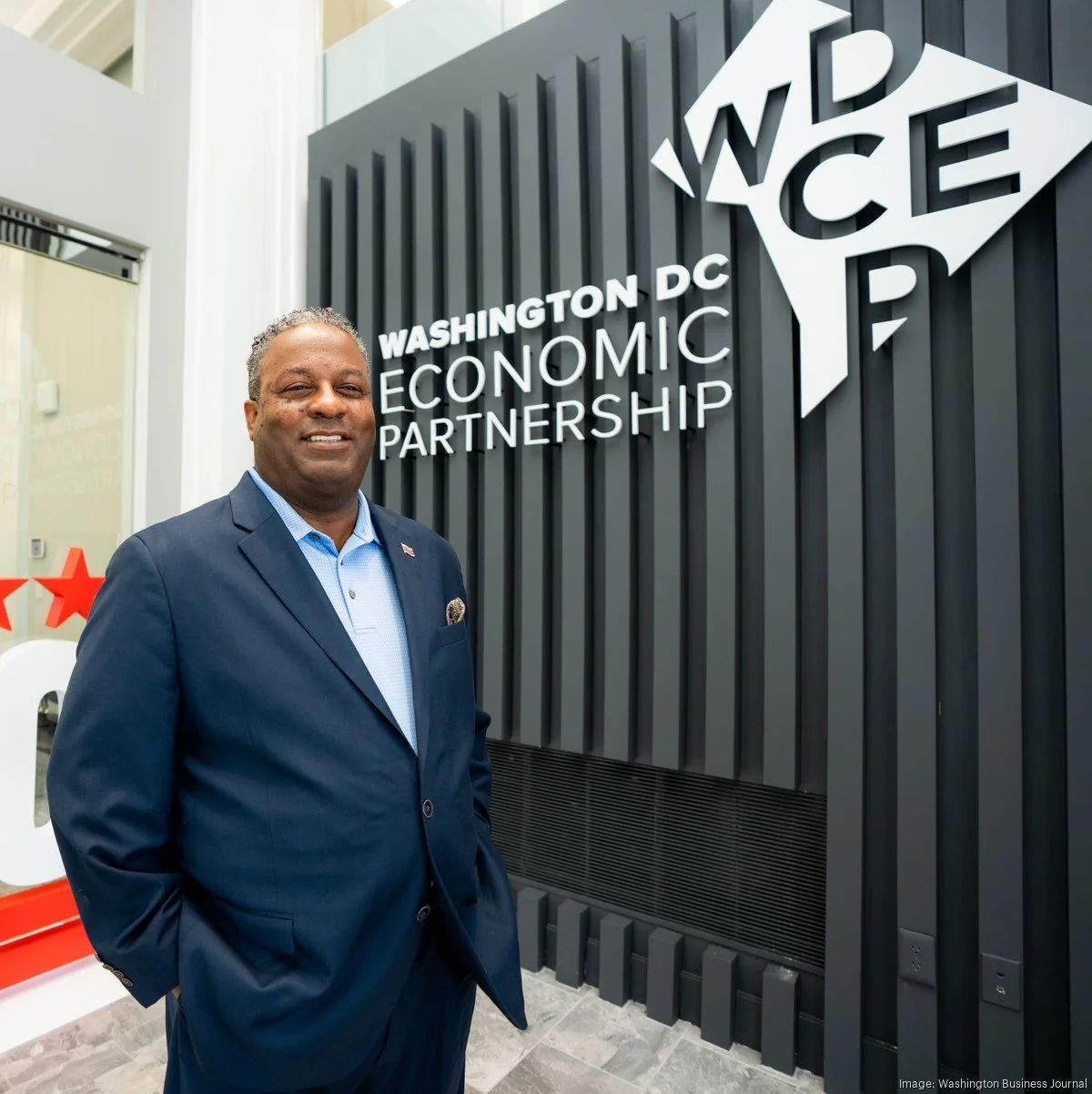
Derek Ford, Pres. & CEO of WDCEP
Enter the Washington DC Economic Partnership (WDCEP), a nonprofit dedicated to untapping DC’s potential by connecting individuals with an international network of corporate partners to advance sustainable and inclusive economic development.
Led by another long-time Ward 7 resident, Derek Ford, WDCEP has played a vital role in positioning DC as a global hub for innovation and investment – starting with neighborhoods like Wards 7 & 8.
“Our mission is to bring opportunity to DC in a way that is sustainable, equitable, and inclusive,” Derek explains. “That means we have to start by bringing investment to communities East of the River.”
Rahman connected Derek with Guerilla Arts Ink’s Gabriel “Asheru” Benn - an award-winning artist, educator and social entrepreneur with a passion for empowering communities.
Together, the three organizations developed a plan for the East River Entrepreneurial Fellowship, an initiative made possible with support from The Community Foundation’s Health Equity Fund, which will provide at least 30 aspiring young entrepreneurs with the resources, tools, and framework to pursue their dreams and become future leaders in their community.
Promoting Entrepreneurship as a Path to Youth Excellence
The initiative comes at a critical time for DC, as federal spending cuts and shifts in the labor market have highlighted gaps in the city’s economic fabric, as well as opportunities for investment and diversification.
“Entrepreneurship allows our youth an economic pathway to having a role in the community they live in,” adds Ruth LaToison Ifill, founder & CEO of Aridai Consulting who has served as a key convener for the Fellowship project. “These youth have the ideas and the potential to create jobs, build businesses, and strengthen the community they love – they just need the access to opportunity.”
Designed as a two-year program, the Fellowship will leverage ERFSC’s extensive community network to recruit two cohorts of up to fifteen young, aspiring entrepreneurs living in Ward 7 who are between 16-24 years-old.
“Most entrepreneurship programs teach business skills,” Derek explains. “We want the Fellowship to be more transformative than that. We’re teaching with cash, capital, and care.”
Cash & Capital: Empowering Youth with the Resources to Succeed
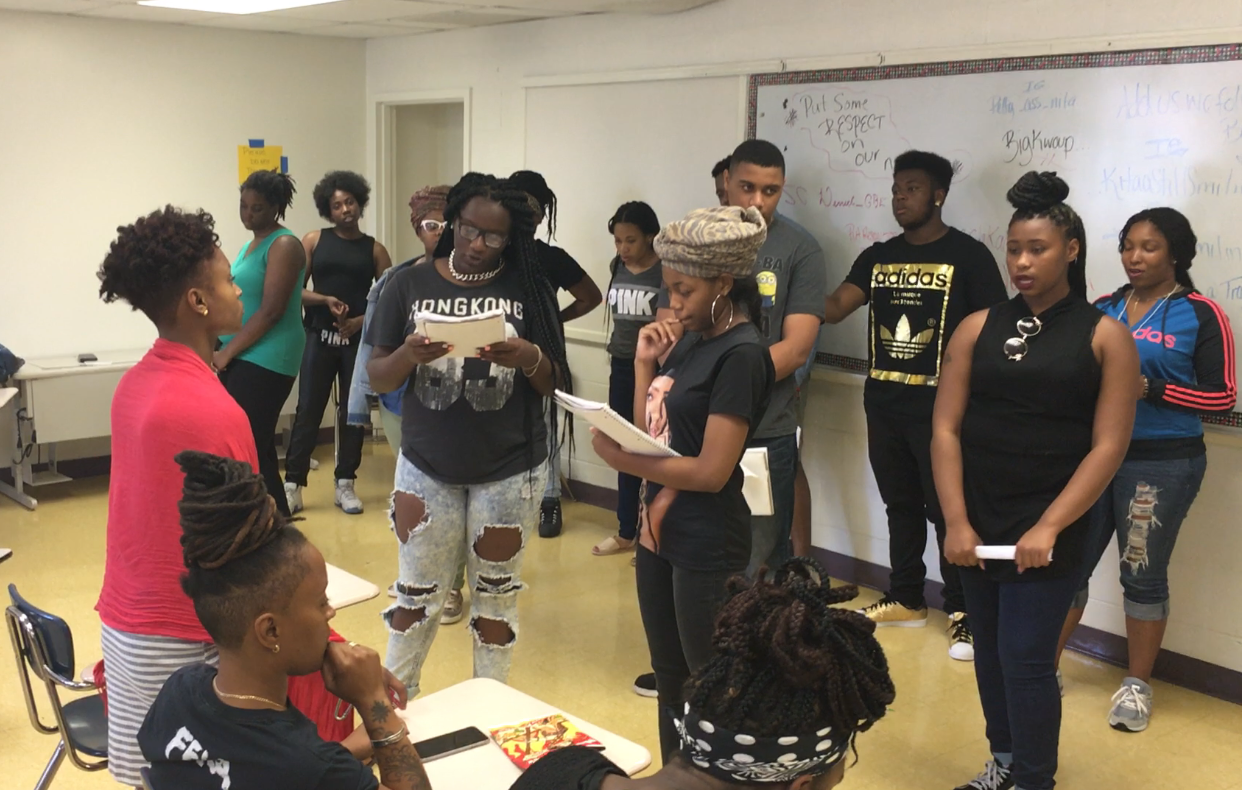
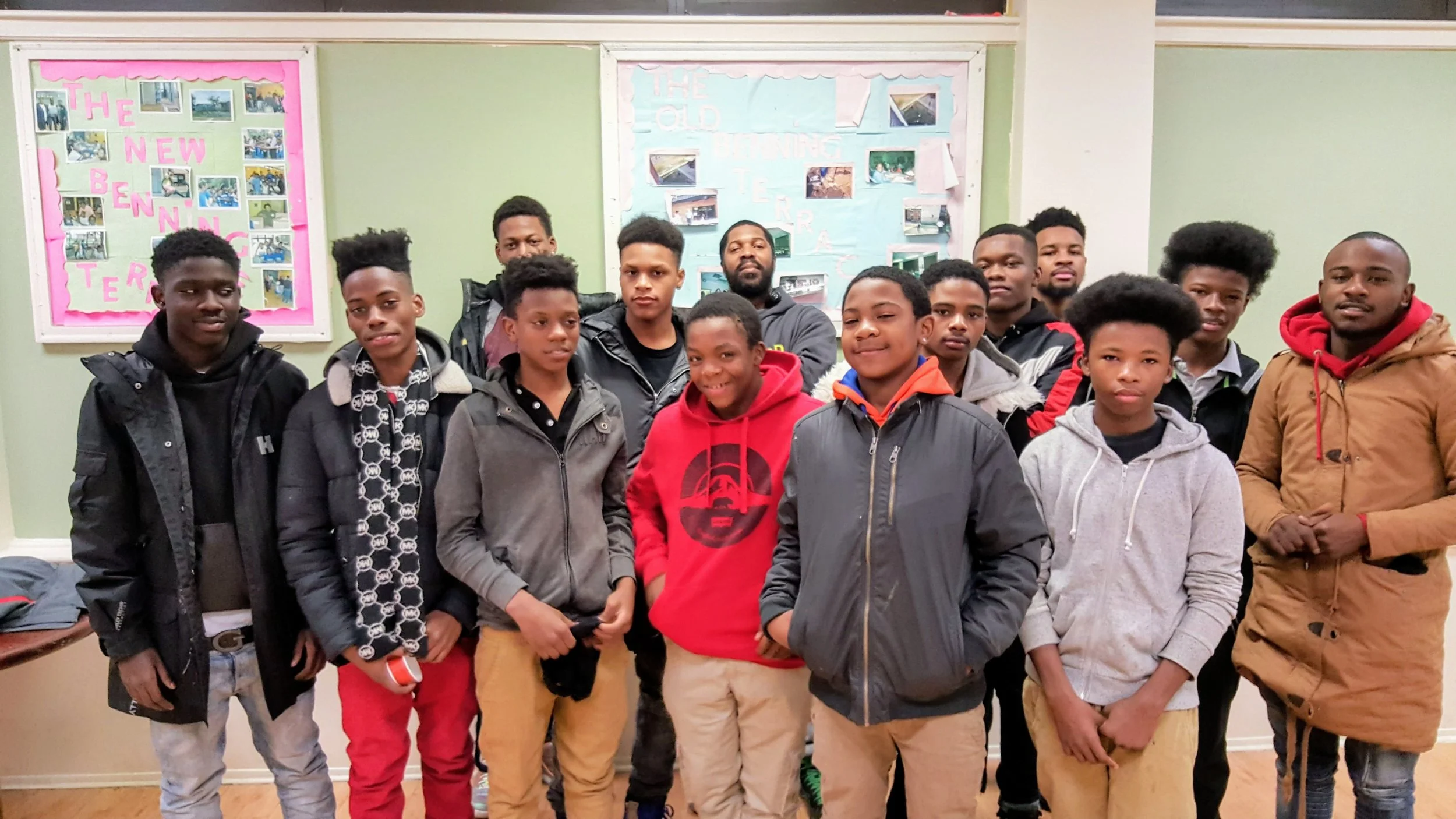
Ward 7 Youth participate in a ERFSC workshop.
Each Fellowship participant will receive $500 per month, for as long as they stay active in the program. The funds will allow participants to invest in their business, as well as meet basic needs and increase economic mobility for themselves and their families.
In addition to the guaranteed income payments, participants will have partial ownership of a $150,000 investment fund, which will be overseen by a professional investment manager over the course of the program. Each quarter, the fund manager will teach participants about investment strategies and provide regular updates on the investment’s progress. At the end of the program, the dividend from the fund will be divided among the fellows, giving them an additional capital nest egg that they can leverage to jump-start their business.
“Capital is critical for young entrepreneurs,” Rahman adds. “But just as critical is knowing how to manage it. This Fellowship will give young people access to both.”
The Fellowship will also provide the aspiring entrepreneurs with a suite of technical supports including tax preparation for themselves and their family members, access to consultants for business legal services, licensing & certification, accounting, marketing design, and technology tools – all housed within a designated incubator space at ERFSC’s River Park location, called “The Manifest Station”.
Manifesting an Environment of Care & Mentorship
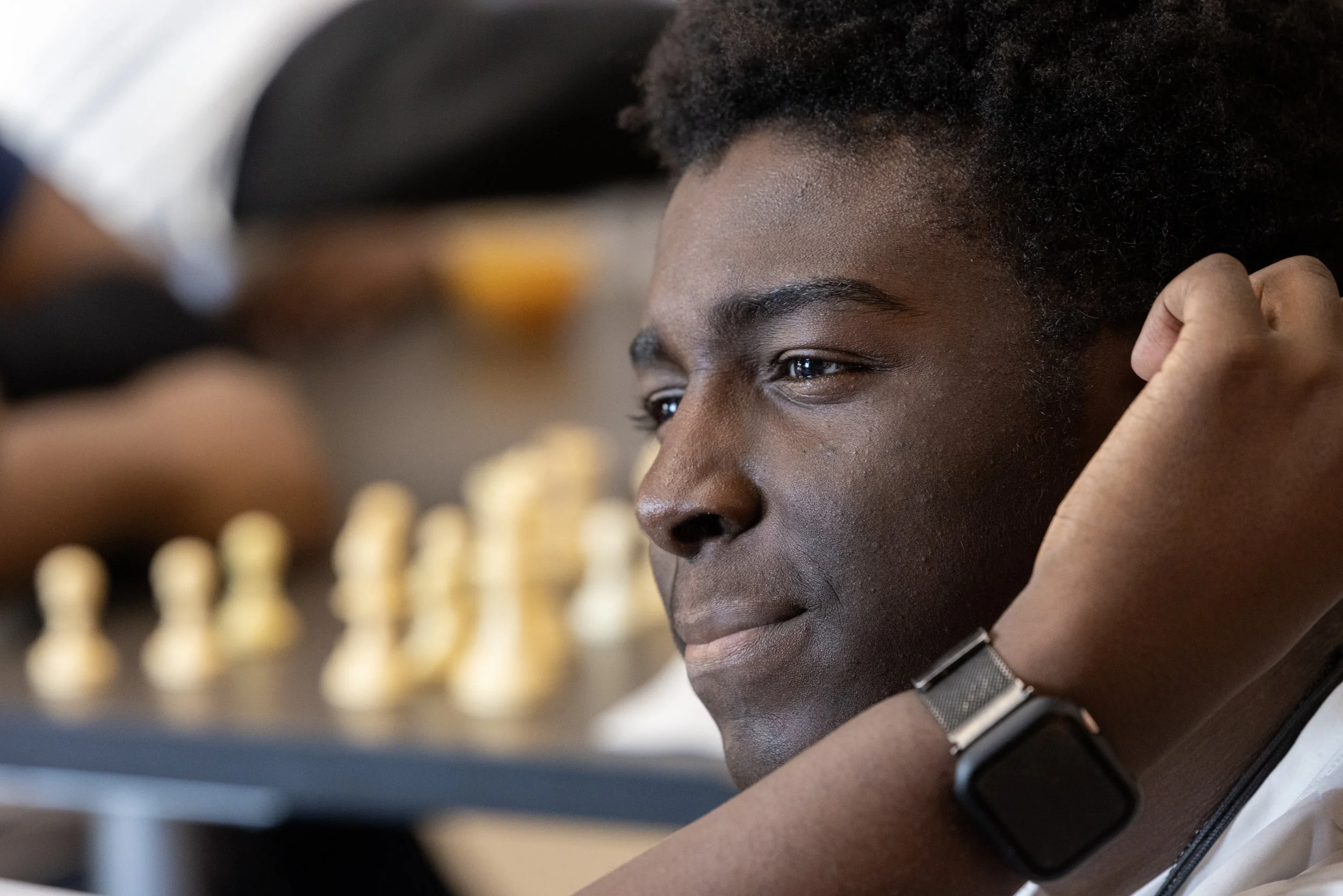
“We want the Manifest Station to be their space,” Rahman explains. “A place where they can design their futures, develop their businesses, and create inspiring youth communities that will transform Ward 7.”
Twice a month, Guerilla Arts will host innovative workshops at the Manifest Station that are designed to not only help develop each participants’ business plan, but also their personal, social, professional, and community leadership skills.
Workshops will explore a wide range of topics including how to leverage artificial intelligence and machine learning, how to pitch a business to investors, how to create positive social impact in business, and how to create jobs and foster innovation in their community.
They will also connect fellows with a vast network of potential investors, venture capitalists, and industry leaders through WDCEP and the Greater Washington DC Black Chamber of Commerce. These leaders will be able to provide funding, partnership opportunities, and guidance or mentorship specific to the fellows’ specific needs and interests.
“We want our program to represent Ward 7,” Derek shares. “That means we are bringing in mentors who understand our community and can relate to the issues that our fellows are facing. It means drawing on the history, culture, and identity of Ward 7 so we can inspire our fellows to follow in the footsteps of Ward 7 icons like Nannie Helen Burroughs, Alexander Crummell, and others in celebrating and empowering their community.”
“People wonder if our children are worth the investment,” Rahman adds. “The response I have to that is this: 'why not our kids?'”
“This demonstration project is a huge win – because now we have a chance to prove what is possible!”
The Community Foundation is proud to support the East River Entrepreneurial Fellowship through the Health Equity Fund.
The Health Equity Fund was created to improve the health outcomes and health equity of DC residents. Mindful that health and wealth are inextricably connected, the fund invests in economic mobility in DC’s historically underinvested communities as a means of supporting innovative systems-changing strategies while improving prospects for marginalized populations.